



The evolution of the United States from a collection of agrarian colonies into a global industrial powerhouse is inextricably linked to the development of the railroad. While the concept of steam-powered locomotion originated in Great Britain with Richard Trevithick’s 1804 invention, it was the vast, untamed geography of North America that provided the ultimate canvas for this technology. In the span of a single century, the American railroad transitioned from a experimental novelty into the primary engine of economic expansion, cultural integration, and physical conquest of the continent.
The Genesis of American Rail and the Transition from Horsepower
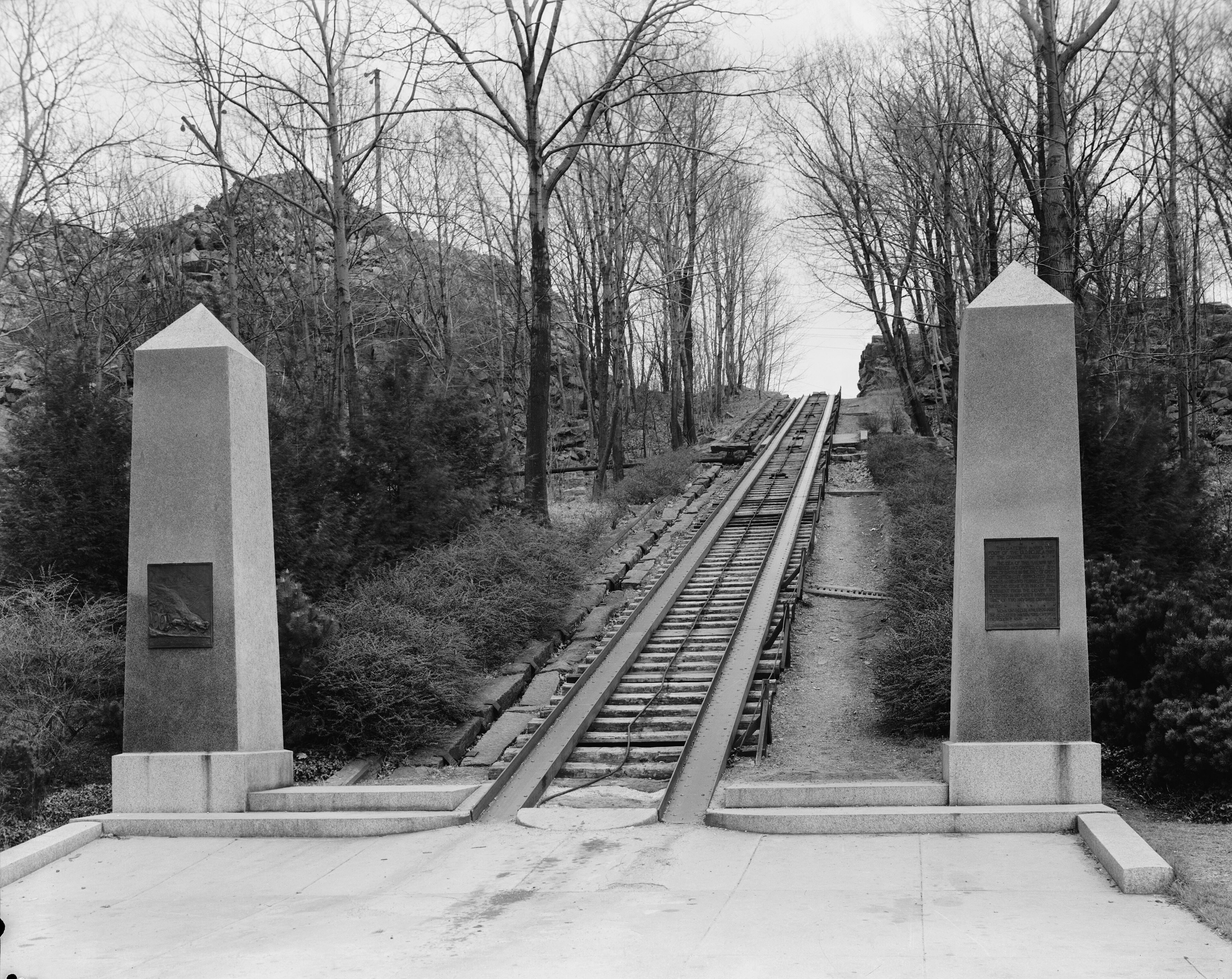
The formal history of American rail transport began not with the roar of a steam engine, but with the rhythmic clip of horse hooves. In 1826, the Granite Railway in Quincy, Massachusetts, became the first commercial railway in the United States. Spanning only three miles, this short line was designed for a singular, monumental purpose: transporting heavy granite blocks from local quarries to the coast for the construction of the Bunker Hill Monument. The railway utilized iron-capped granite rails and horse-drawn carriages, demonstrating that specialized tracks could significantly reduce friction and allow for the movement of massive loads that would have been impossible on standard dirt roads.
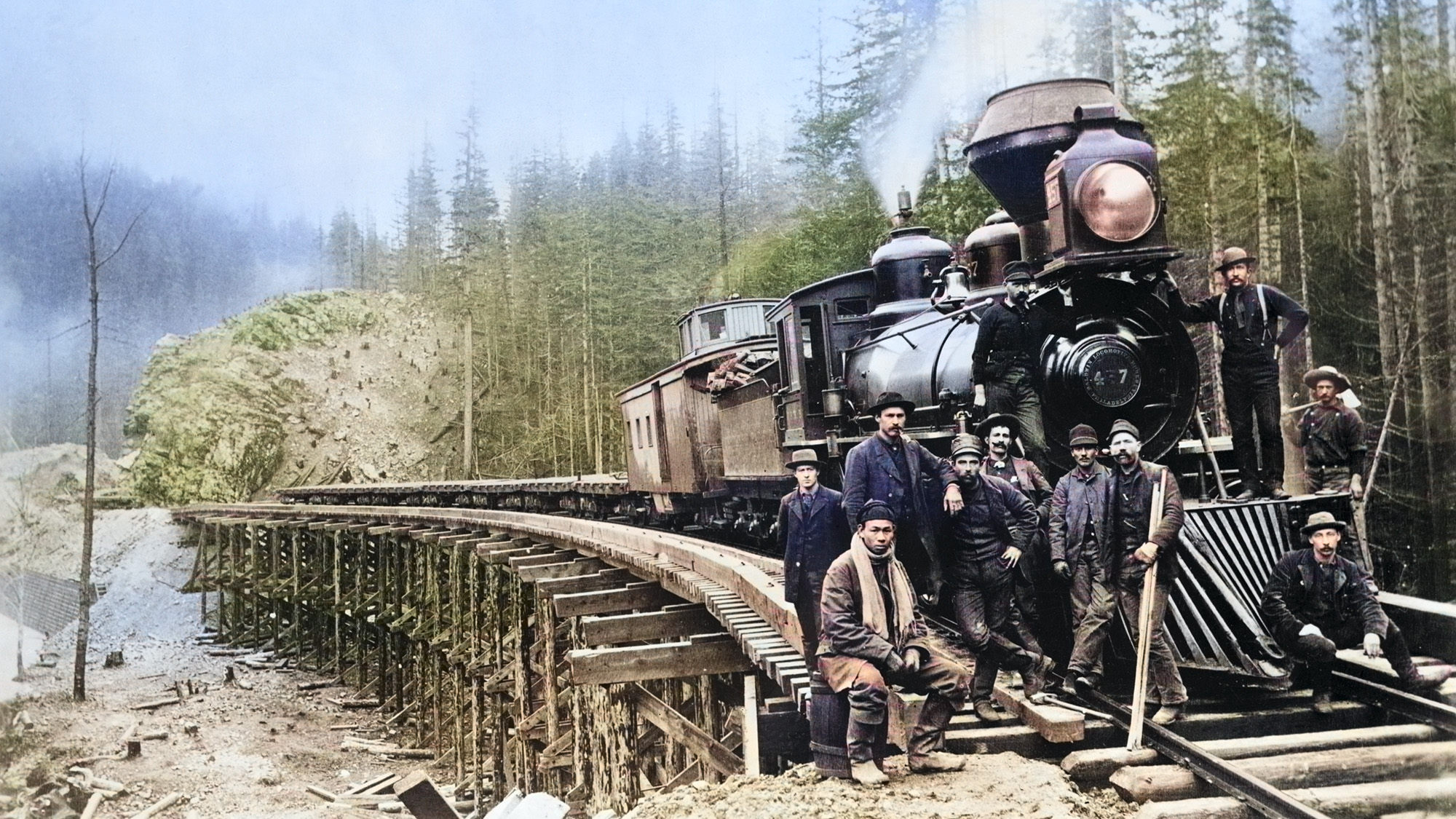
By 1830, the Baltimore and Ohio (B&O) Railroad became the first common carrier in the nation, initially operating a 13-mile stretch using horse-drawn cars. However, the limitations of animal power were quickly realized as the demand for speed and volume increased. The introduction of the "Tom Thumb," the first American-built steam locomotive to run on a common-carrier railroad, signaled a paradigm shift. Though small, the engine proved that steam could navigate the steep grades and sharp curves of the American terrain, paving the way for a mechanical revolution.
The Golden Age of Expansion and the Rise of the Tycoons
The mid-19th century witnessed an explosion of track-laying that fundamentally altered the American landscape. In 1833, the United States operated approximately 380 miles of track. By 1860, on the eve of the Civil War, that number had skyrocketed to over 30,000 miles. This era was defined by the consolidation of fragmented local lines into massive, interconnected networks.
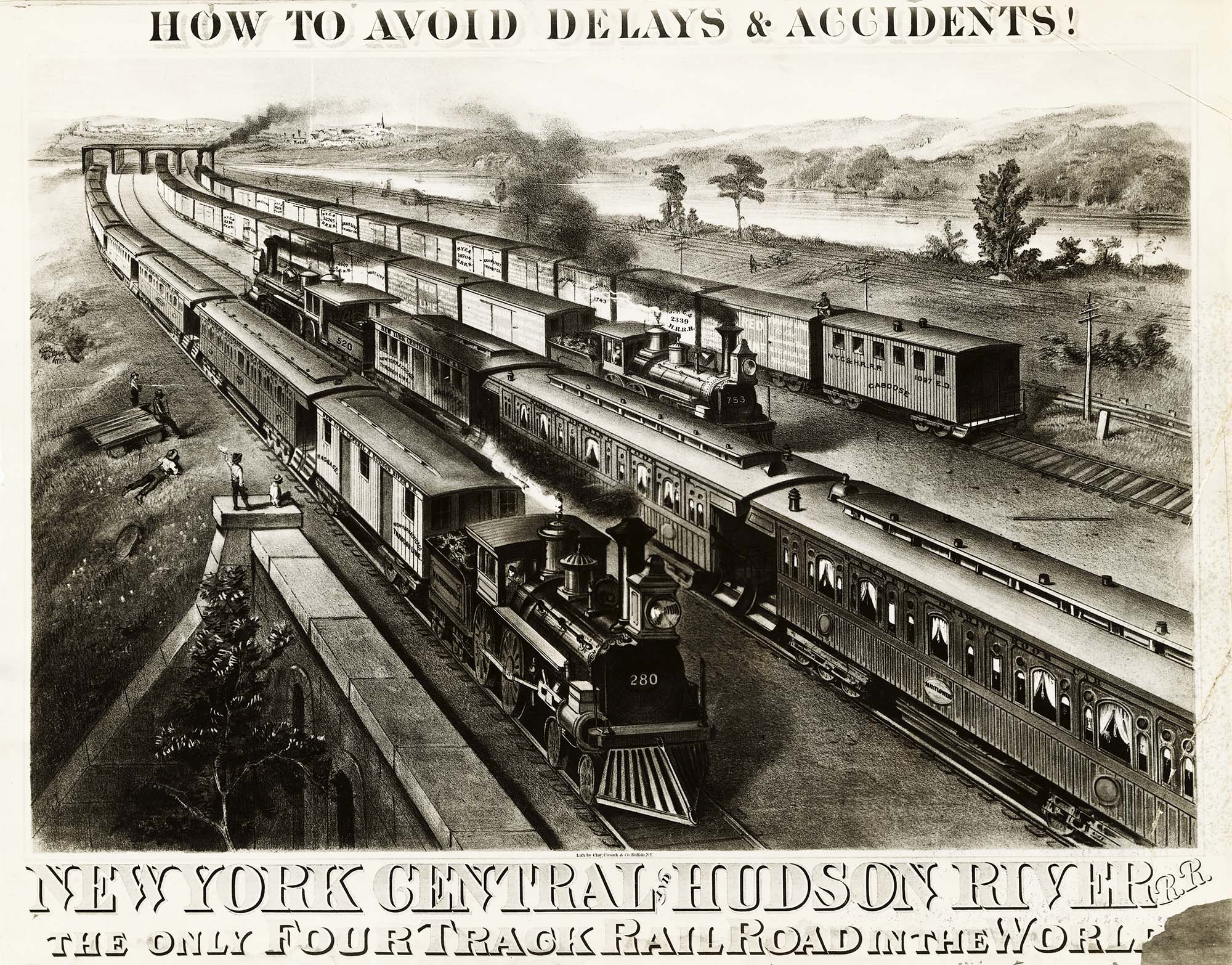
Central to this consolidation was Cornelius "Commodore" Vanderbilt, a business magnate who pivoted from a successful shipping empire to the railroad industry. Vanderbilt recognized that the future of American commerce lay in the efficient movement of goods between the Midwest and the Atlantic coast. Through aggressive acquisitions and the modernization of infrastructure, he formed the New York Central and Hudson River Railroad. One of the most significant engineering feats of his era was the implementation of four-lane tracks, which allowed for the simultaneous movement of freight and high-speed passenger trains, drastically reducing delays and increasing safety.
The Civil War further underscored the strategic importance of rail. The Union’s superior rail infrastructure allowed for the rapid deployment of troops and supplies, a logistical advantage that proved decisive. Post-war, the government and private industry turned their sights westward, fueled by the Pacific Railroad Act of 1862, which provided federal land grants and subsidies to companies willing to bridge the gap between the Missouri River and the Pacific Ocean.
The Transcontinental Milestone and the Golden Spike
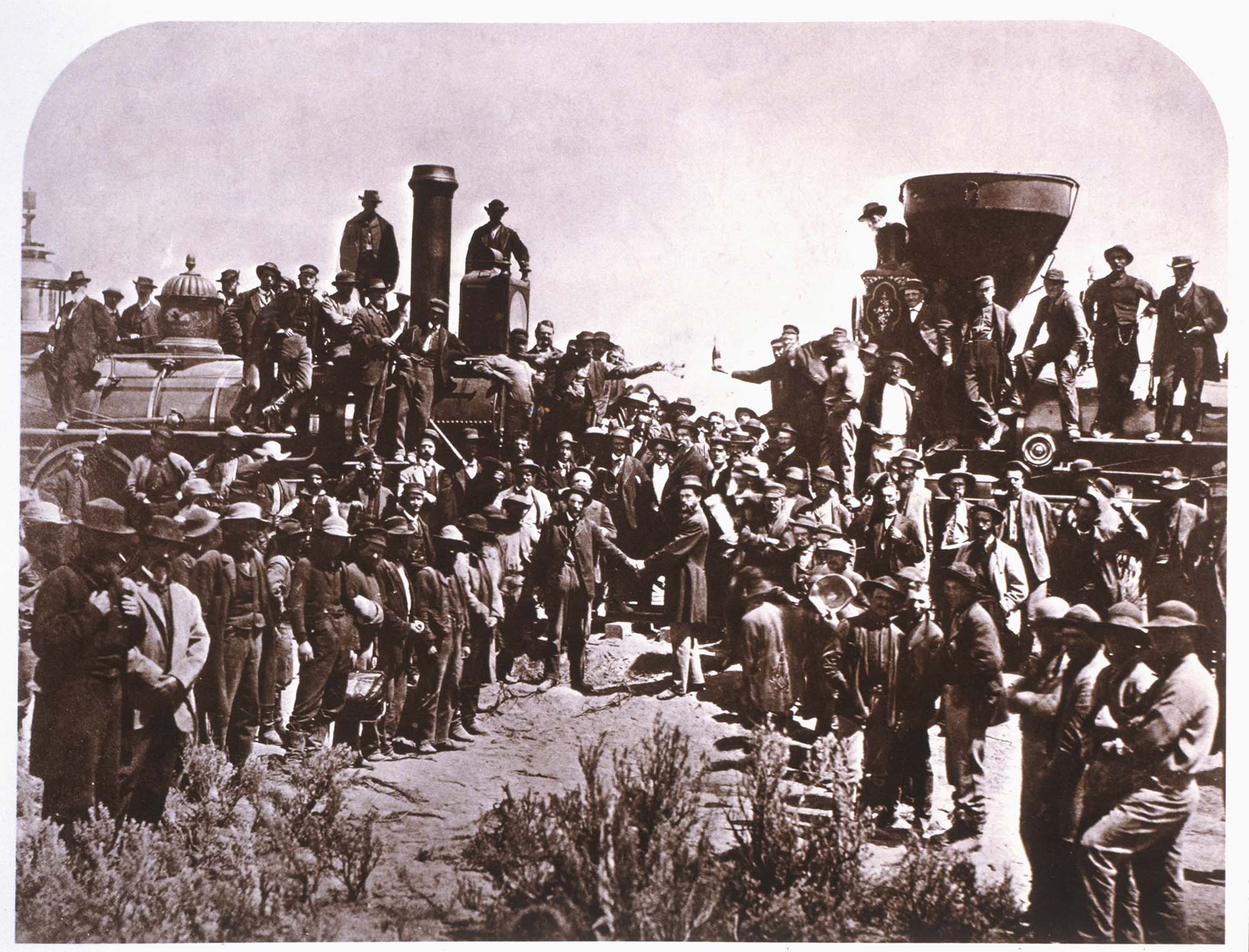
On May 10, 1869, the United States achieved a feat of engineering that many contemporaries deemed impossible. At Promontory Summit, Utah, the Union Pacific and Central Pacific railroads were joined with the driving of the "Golden Spike." This event marked the completion of the first transcontinental railroad, reducing the travel time across the continent from six months in a wagon train to less than a week in a railcar.
The construction of the transcontinental line was a grueling endeavor that relied on the labor of thousands of immigrants. Irish workers dominated the Union Pacific crews pushing west, while the Central Pacific relied heavily on Chinese immigrants to carve tunnels through the treacherous Sierra Nevada mountains. The completion of the line did more than just move people; it effectively ended the "frontier" era, facilitating the rapid settlement of the Great Plains and the integration of California’s economy with the rest of the nation.

Technological Breakthroughs and the Pursuit of Speed
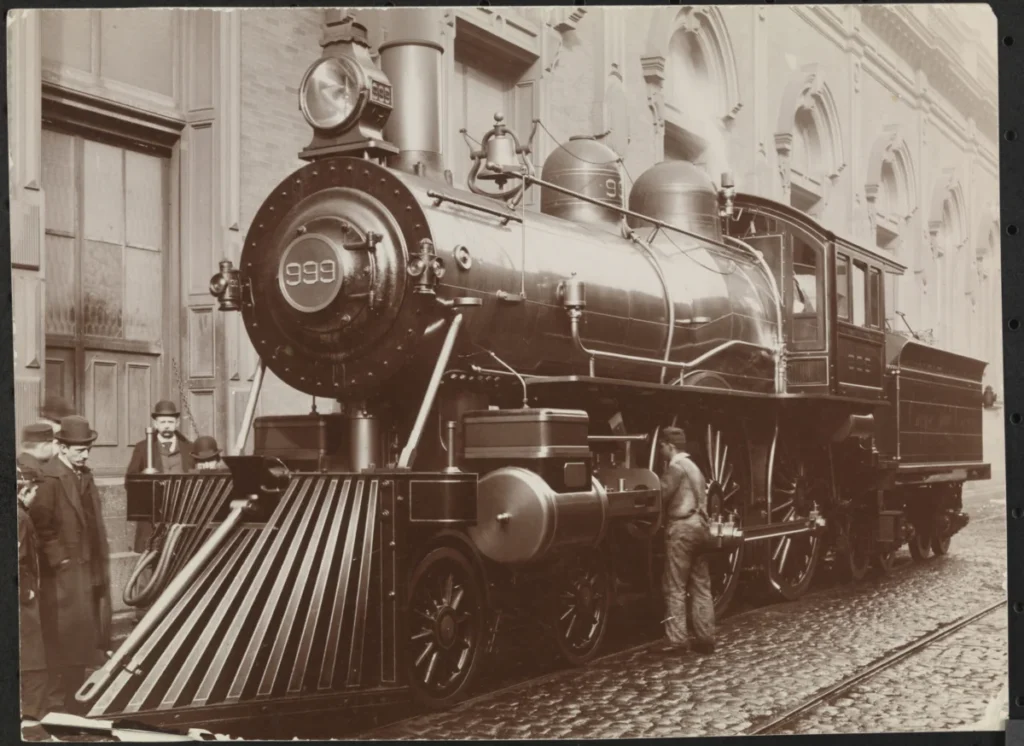
As the 19th century progressed, the focus shifted from merely laying tracks to optimizing performance. The late 1800s were characterized by a fierce competition for speed and efficiency. On May 10, 1893, a milestone in mechanical engineering was reached when the New York Central’s Locomotive No. 999 hit a record-breaking speed of 112.5 miles per hour while traveling between Batavia and Buffalo, New York.
This was the first time a man-made vehicle had ever exceeded 100 miles per hour, a feat that captured the public imagination and demonstrated the potential of steam technology. These advancements were made possible by improvements in boiler design, the use of high-quality steel for rails, and the invention of the air brake by George Westinghouse in 1869, which allowed for the safe stopping of heavy trains at high speeds.
Luxury Travel and the Social Dynamics of the Pullman Era
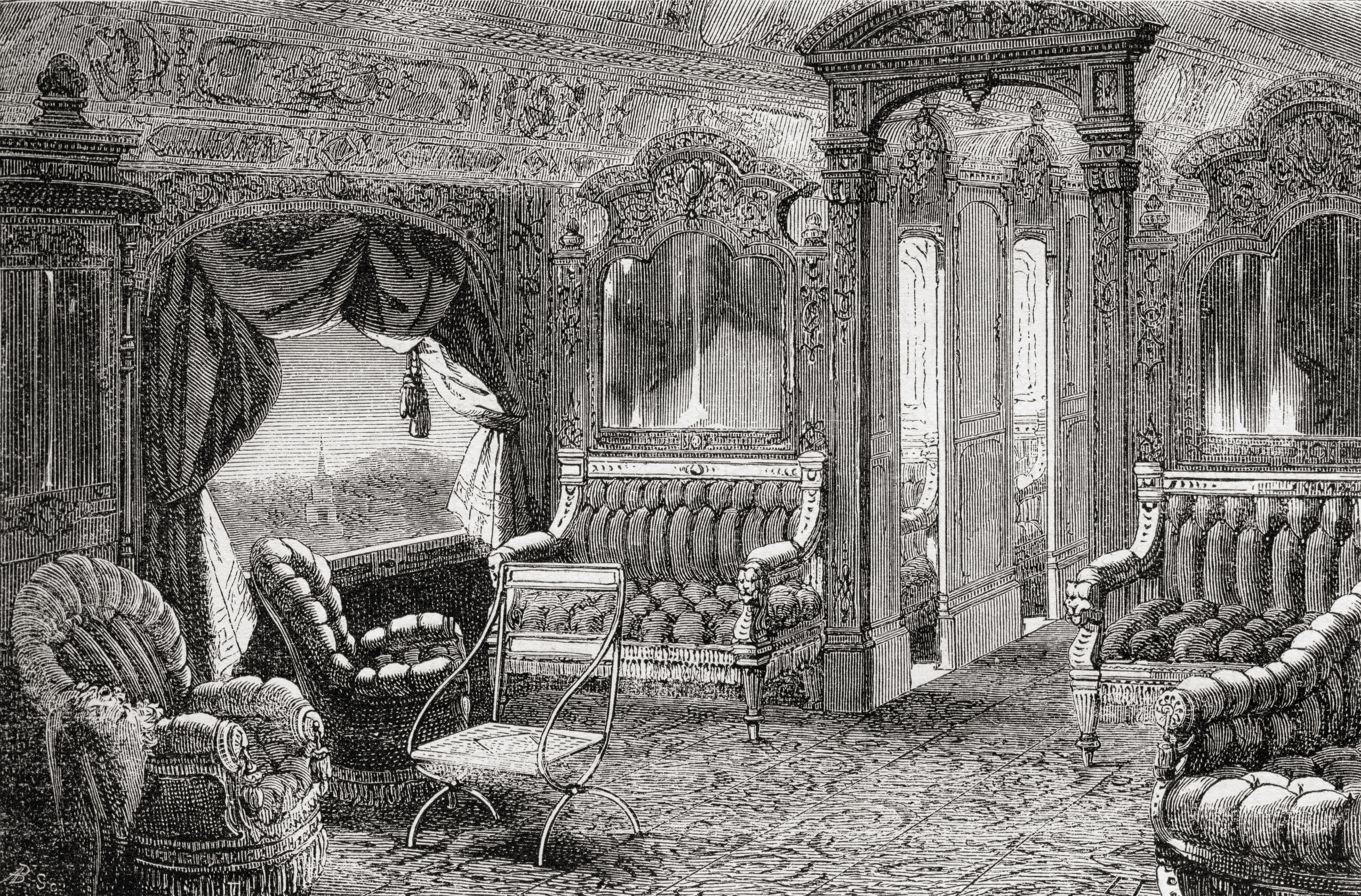
While freight was the lifeblood of the economy, passenger travel became the face of American sophistication. George Pullman revolutionized the industry by introducing the Pullman Palace Car in the 1860s. These cars were "hotels on wheels," featuring ornate woodwork, plush upholstery, chandeliers, and gourmet dining facilities.
The rise of luxury rail travel also introduced complex social and labor dynamics. The Pullman Palace Car Company became one of the largest employers of African Americans in the post-Civil War era. Known as Pullman Porters, these men provided impeccable service in sleeping and dining cars, often working 20-hour shifts under grueling conditions for low pay. Despite these hardships, the porters became a respected class within the Black community and, in 1925, founded the Brotherhood of Sleeping Car Porters. Led by A. Philip Randolph, this was one of the first all-Black labor unions in the country, playing a pivotal role in the early Civil Rights Movement.
Statistical Growth and the Peak of the Rail Era
The sheer scale of the railroad’s growth is reflected in the historical data of the period. By 1902, the United States possessed over 200,000 miles of railroad track, more than the rest of the world combined.
| Year | Total Track Mileage (Approx.) | Key Milestone |
|---|---|---|
| 1830 | 23 | B&O Railroad begins operations |
| 1850 | 9,000 | Rapid expansion in the Northeast and South |
| 1860 | 30,626 | Consolidation of major trunk lines |
| 1870 | 52,922 | Post-Transcontinental boom |
| 1890 | 163,597 | Adoption of Standard Time and steel rails |
| 1916 | 254,000 | Peak of American railroad mileage |
This massive infrastructure project required unprecedented amounts of capital, leading to the development of the modern American financial system, including the growth of the New York Stock Exchange and the birth of complex corporate management structures.
Broader Impact: Standard Time and Urbanization
The influence of the railroad extended far beyond transportation. One of its most lasting legacies is the creation of Standard Time. Before the 1880s, every town set its own clocks based on the sun, leading to a chaotic "local time" system that made railroad scheduling nearly impossible. In 1883, the railroad companies unilaterally adopted four standard time zones across the United States. The system was so efficient that the federal government eventually adopted it as the law of the land under the Standard Time Act of 1918.
Railroads also dictated the geography of American urbanization. Cities like Chicago, Atlanta, and Kansas City grew from small outposts into major metropolises because they served as vital rail hubs. Conversely, towns bypassed by the tracks often withered away, illustrating the railroad’s power to create or destroy economic viability.
Analysis of Implications and the Modern Legacy
The 19th-century railroad boom provided the blueprint for the modern American economy. It established the first truly national market, allowing a manufacturer in New England to sell products to a farmer in Nebraska with ease. While the mid-20th century saw the rise of the interstate highway system and commercial aviation, which diminished the dominance of passenger rail, the freight rail system remains the backbone of American logistics today.
Modern Class I railroads in the U.S. continue to move more freight than any other mode of transportation on a ton-mile basis, doing so with a fuel efficiency that far exceeds trucking. The legacy of the 1800s—the routes carved through mountains, the bridges built over ravines, and the legal frameworks established for interstate commerce—continues to support the weight of the 21st-century economy. The story of the American railroad is not merely a history of steam and steel, but a narrative of a nation’s ambition to overcome the constraints of distance and time.