


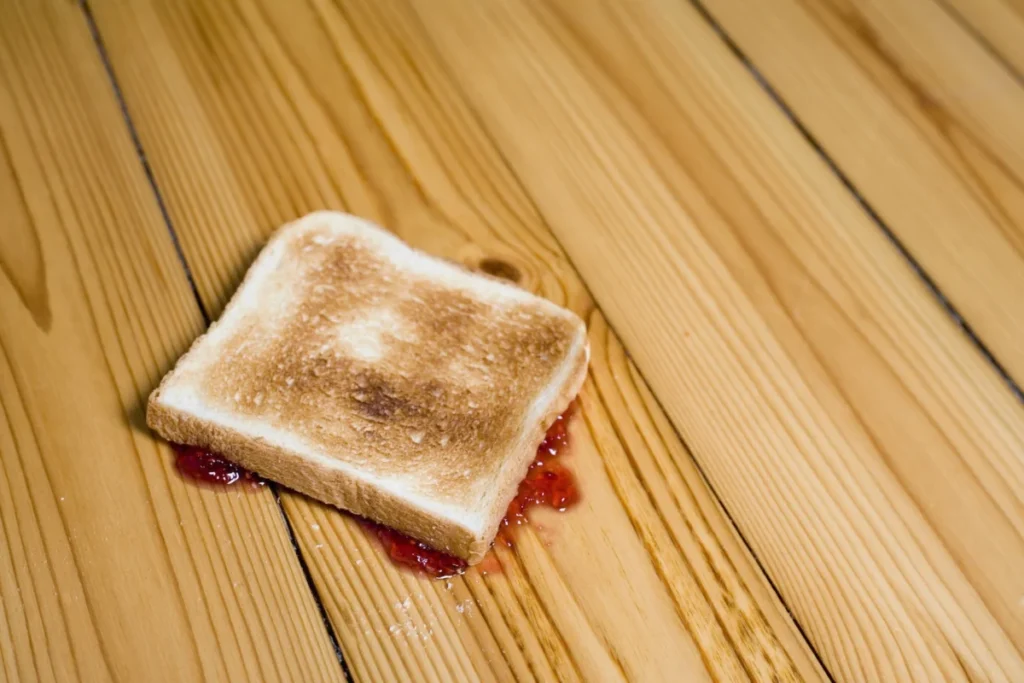
For generations, humanity has operated under a comforting, if dubious, dietary decree known colloquially as the five-second rule. This widely accepted piece of folklore suggests that food dropped onto the floor remains safe for consumption provided it is retrieved within a vanishingly brief window of five seconds. The foundational logic of the myth assumes that microbial pathogens, microscopic dirt particles, and household dander require a brief orientation period upon encountering a fallen piece of sustenance. Under this whimsical premise, a lightning-fast reflex acts as a shield against invisible contamination. Yet, while generations of children and adults alike have invoked the rule with a shrug and a smile before consuming a stray piece of candy or toast, modern microbiology reveals an entirely different reality.
Scientific consensus and rigorous laboratory testing have repeatedly dismantled the five-second rule, categorizing it as a comforting urban legend rather than a sound food safety principle. According to Erin Thane, Director of Operations at Gillson Sciences, the rule holds no factual weight. However, Thane emphasizes that while the rule itself is a myth, a multitude of environmental variables dictate the true extent of contamination when food makes unauthorized contact with the ground. Understanding these variables requires a closer examination of surface dynamics, bacterial transfer rates, and the hidden ecosystems thriving beneath our feet.
The Myth Versus Reality: A Chronology of Kitchen Folklore
The origins of the five-second rule are shrouded in cultural ambiguity, though historians of everyday life often trace its ethos to ancient historical precedents, such as the apocryphal "three-second rule" or Genghis Khan’s legendary "rule of-law" regarding food dropped during royal banquets. However, the modern iteration gained cultural traction in the mid-to-late 20th century, coinciding with a broader fascination regarding household hygiene and the rising prevalence of processed convenience foods.
As consumer awareness of germs grew through mid-century public health campaigns, the five-second rule emerged as a psychological defense mechanism. It allowed individuals to reconcile the natural human aversion to waste with the invisible threat of microbial contamination. Rather than discarding a freshly buttered piece of toast or an expensive morsel, people sought a rationalization that permitted consumption without the immediate dread of illness.
Formal scientific inquiry into the phenomenon began in earnest during the 2000s, transforming what was once a punchline into a subject of serious academic research. In 2003, a high school research project conducted by a student at the University of Illinois at Urbana-Champaign captured public attention by demonstrating that food dropped on floors frequently picks up bacteria almost instantaneously. Subsequent studies, most notably a comprehensive 2016 investigation led by food scientist Donald Schaffner at Rutgers University, delivered the definitive empirical blow to the five-second rule. Schaffner and his team tested four different surfaces—stainless steel, ceramic tile, wood, and carpet—using four different foods—watermelon, bread, buttered bread, and gummy candy—across contact times ranging from less than one second to 300 seconds.
The Rutgers study conclusively proved that transfer time matters very little; bacterial transmission is often instantaneous. While longer contact times occasionally resulted in increased bacterial transfer, particularly on moist foods, the critical variable was not time, but moisture and surface composition. Watermelon, possessing high moisture content, absorbed the highest concentration of bacteria across all trials, while gummy candies absorbed the least.
The Physics of Contamination: Why Wetness and Flooring Matter
To fully understand why the five-second rule fails, one must examine the physical properties of both the food item and the flooring material. Thane points out that comparative wetness and surface textures swing contamination rates dramatically.
"Food dropped on a carpet will likely pick up less contamination than food dropped on a smooth surface with the same microbial loads," Thane explains. "Sticky or wet foods will likely pick up more contamination than dry foods dropped on the same contaminated surfaces."
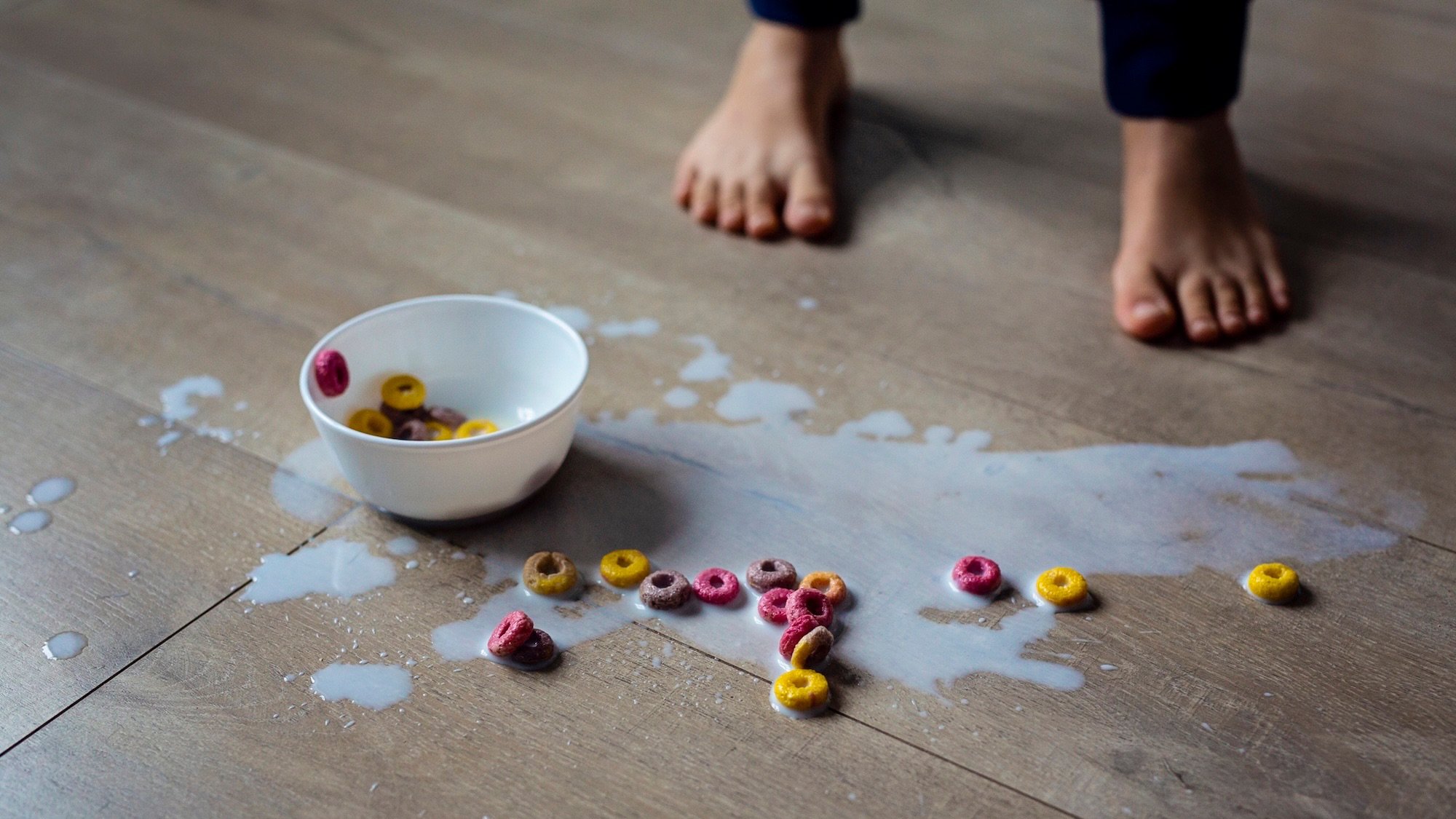
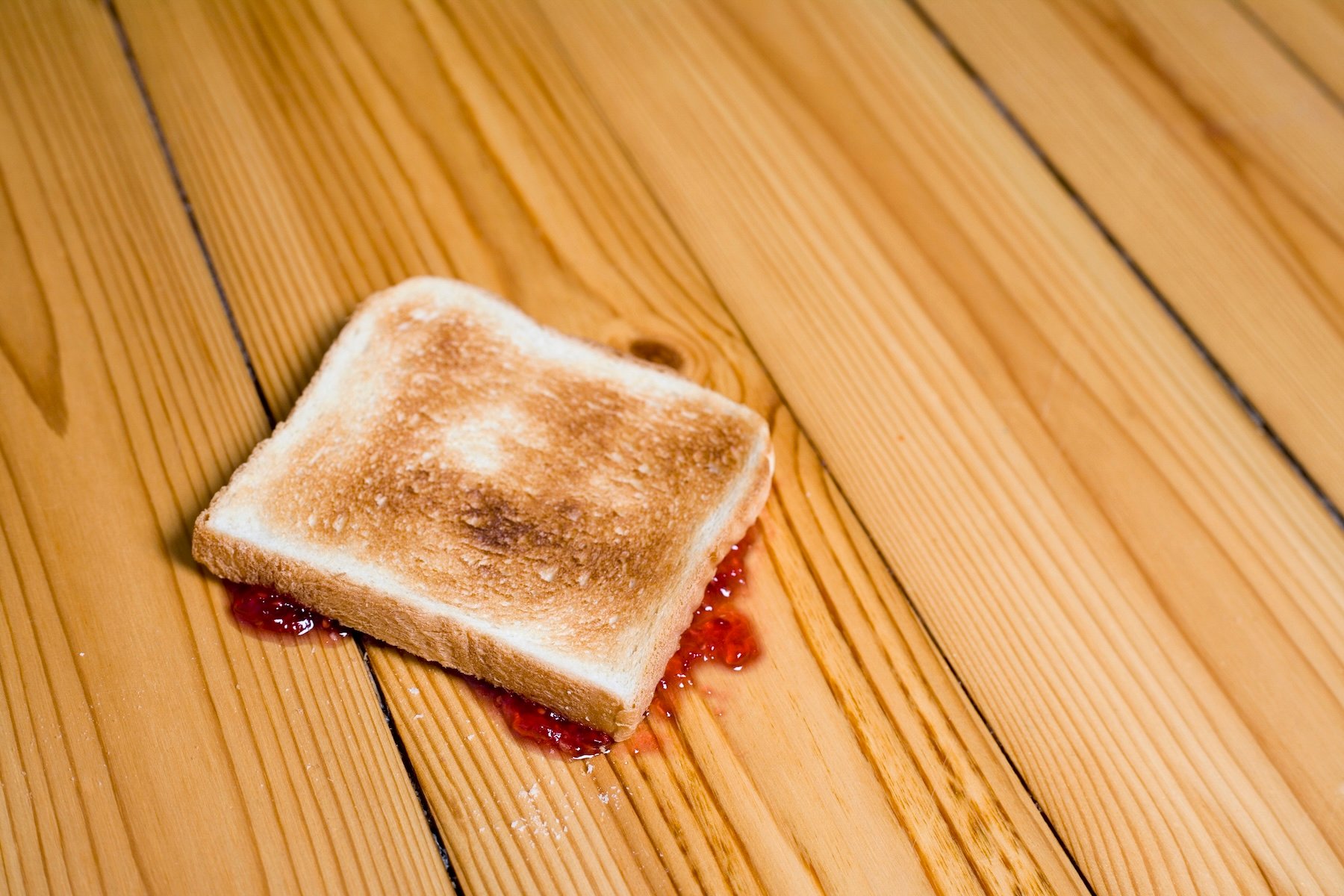
Carpeted floors, despite their propensity to trap dust, hair, and microscopic debris deep within their fibers, possess a lower surface area of direct contact with dropped food compared to non-porous hard surfaces like hardwood, laminate, vinyl, or tile. Smooth, hard surfaces allow for maximum surface area adhesion, creating an optimal environment for microbial transfer. When a dry cracker hits a tile floor, it interacts with a hard plane of settled dust and bacteria, picking up a measurable load. When a wet food item, such as a slice of peach, a piece of buttered toast, or a sticky piece of candy, hits that same tile floor, it acts remarkably like a sponge. The moisture creates a liquid bridge that facilitates the immediate capillary action of bacteria moving from the floor directly into the food matrix.
Furthermore, the nuances of the environment extend far beyond the physical characteristics of the food. The context of the drop dictates the risk profile.
"Is it the floor of Windsor Castle or a public bathroom?" Thane asks rhetorically, highlighting the vast disparity in baseline environmental cleanliness. "Was sticky gum dropped and then put back in the mouth, or was it a goldfish cracker? Am I a healthy adult eating something off the ground or an immunocompromised individual?"
Domestic Illusions: The Hidden Microcosm of Home Floors
A common psychological comfort for many individuals is the belief that residential floors are fundamentally cleaner than public spaces. Homeowners meticulously sweep, vacuum, and mop their kitchens, operating under the assumption that their domestic environments are sanitized zones. However, microbiological analyses of household flooring consistently shatter this perception.
According to Thane, residential floors and public spaces do not vary in cleanliness to the degree that most people assume. The primary driver of this unexpected parity is footwear.
"We all wear the same shoes—or socks, hopefully in the home—across the floors we encounter daily, like the kitchen and bathroom, to other areas or spaces," Thane notes. "We are constantly picking up hitchhiking germs and depositing them from one floor to the next."
Every step taken outside introduces a fresh cohort of environmental microorganisms into the home. Footwear acts as a vector for outdoor soil, animal waste, urban grime, and microbial agents accumulated from sidewalks, public transit systems, and workplace corridors. Once inside the domestic sphere, these transient microbes are transferred from shoes to welcome mats, hallway carpets, and ultimately into the kitchen, where food preparation takes place.
The resulting microbial ecosystem on a typical kitchen floor is diverse and robust. Laboratory cultures of residential floor samples frequently isolate skin-inhabiting bacteria, including Staphylococcus species—the genus responsible for staph infections—and Corynebacterium, a group of bacteria that includes species capable of causing diphtheria. Additionally, gut-dwelling bacteria such as Bacteroides are routinely tracked indoors from outdoor environments contaminated by animal or human waste.
Beyond bacteria, floors serve as landing zones for fungal spores, molds, and yeasts introduced via clothing, bags, and open windows. Pathogens such as Bacillus cereus, a spore-forming bacterium commonly found in soil and dust, can survive harsh environmental conditions on floors and cause acute gastrointestinal distress, manifesting as nausea, vomiting, and abdominal cramps if ingested.
Broader Health Implications and Risk Stratification
While the presence of bacteria on floors is universal, the ultimate health impact of consuming dropped food depends heavily on individual host factors and infectious dose thresholds. Not every instance of ingesting floor-contaminated food results in illness. The human body is equipped with robust defense mechanisms, including stomach acid, mucosal immunoglobulins, and an established gut microbiome that serves as a barrier against transient pathogens.
For healthy adults with robust immune systems, consuming a dry cookie dropped on a living room rug carries a statistically low risk of severe illness. The infectious dose—the number of pathogenic organisms required to cause clinical symptoms—may not be met by the small quantity of bacteria transferred during a brief floor contact event.
However, the calculus changes drastically for vulnerable populations. Immunocompromised individuals, including the elderly, very young children, pregnant women, and patients undergoing immunosuppressive therapies, face significantly heightened risks. For these demographics, even a low-level exposure to opportunistic pathogens like Staphylococcus aureus or environmental molds can trigger severe systemic infections, foodborne illnesses, or gastrointestinal complications.
Public health officials emphasize that food safety guidelines are designed to mitigate baseline risk across entire populations. While the culinary community and general public often treat food safety as an all-or-nothing proposition, epidemiologists view it through the lens of probability management. Eliminating avoidable vectors of contamination, such as eating food retrieved from the floor, is a straightforward preventative measure that reduces unnecessary exposure to harmful microorganisms.
Expert Consensus and Best Practices
As scientific understanding of microbial transfer has advanced, the cultural consensus surrounding the five-second rule has shifted from amused indulgence to cautious skepticism. Despite the wealth of data proving that bacteria do not wait for a five-second countdown, the psychological allure of the myth persists. Human habits are notoriously difficult to break, particularly when reinforced by decades of childhood conditioning and social normalization.
Nevertheless, food safety experts maintain a clear and unambiguous stance on the matter. While mitigating factors such as the dryness of the food item or the relative cleanliness of a freshly bleached surface can alter the mathematical probability of contamination, the baseline recommendation remains unchanged.
"I would certainly stay away from any wet, moist, or sticky foods, which act like a sponge and will immediately cling to any and all dirt, debris, and contamination that it comes into contact with," Thane advises. "However, after everything we have discussed so far, I refer back to the best practice or rule of thumb, which is to just not eat any food off the floor."
Ultimately, while the five-second rule will likely endure as a cultural punchline and a stubborn habit during moments of culinary mishap, the science is definitive. Floors are active transit hubs for environmental microbes, skin bacteria, and fungal spores. When food meets the floor, the microscopic invasion is instantaneous. For those who choose to ignore the science and consume the fallen morsel anyway, the act is less a triumph of speed over germs and more a gamble against probability—one where the house, quite literally, holds all the cards.