

The cultural divide between urban centers and rural agricultural communities has fostered a unique ecosystem of folklore, much of which centers on the behavior and biology of livestock. While these stories—ranging from the nocturnal "sport" of cow tipping to the supposed rage bulls feel at the sight of the color red—are often dismissed as harmless anecdotes, they represent a significant gap in public agricultural literacy. For those who operate within the multi-billion dollar global dairy and beef industries, these myths are more than just misconceptions; they often contradict the fundamental principles of physics, biology, and animal welfare that govern modern farming. By examining the empirical data and scientific studies surrounding these legends, a clearer picture emerges of the complex reality of farm life and the biological capabilities of the animals that sustain it.
The Mechanical Impossibility of Cow Tipping
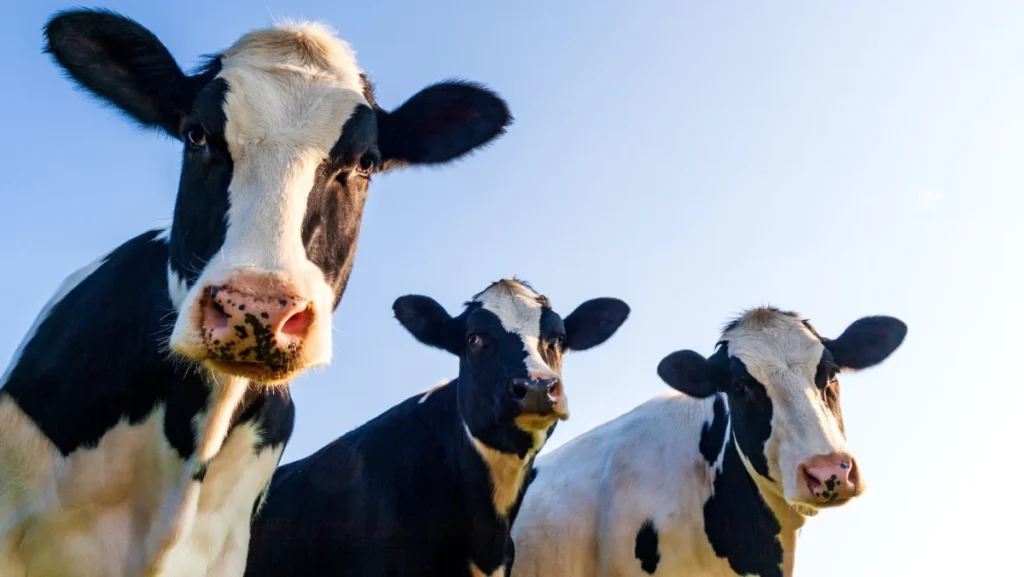
Perhaps no rural legend is more pervasive than cow tipping. The narrative typically involves a group of intrepid, often intoxicated, individuals sneaking into a pasture under the cover of darkness to push over a sleeping, standing cow. This myth relies on two faulty premises: first, that cows sleep while standing up in a state of deep unconsciousness, and second, that a human being possesses the requisite physical force to overcome a cow’s center of gravity.
From a biological perspective, the "standing sleep" theory is a half-truth. While cattle do possess a "stay apparatus"—a configuration of ligaments and tendons that allows them to remain upright with minimal muscular effort—they do not achieve Rapid Eye Movement (REM) sleep in this position. A 2019 study published in PLOS ONE by researchers at the University of Tennessee demonstrated that cows deprived of the opportunity to lie down suffer from significant REM sleep deficiency. This suggests that for a cow to be truly "asleep" enough for someone to approach it unnoticed, it must be lying down. Furthermore, cattle are prey animals with a highly developed "flight" instinct and a nearly 360-degree field of vision; the likelihood of multiple humans approaching a cow without triggering an alarm response is statistically negligible.
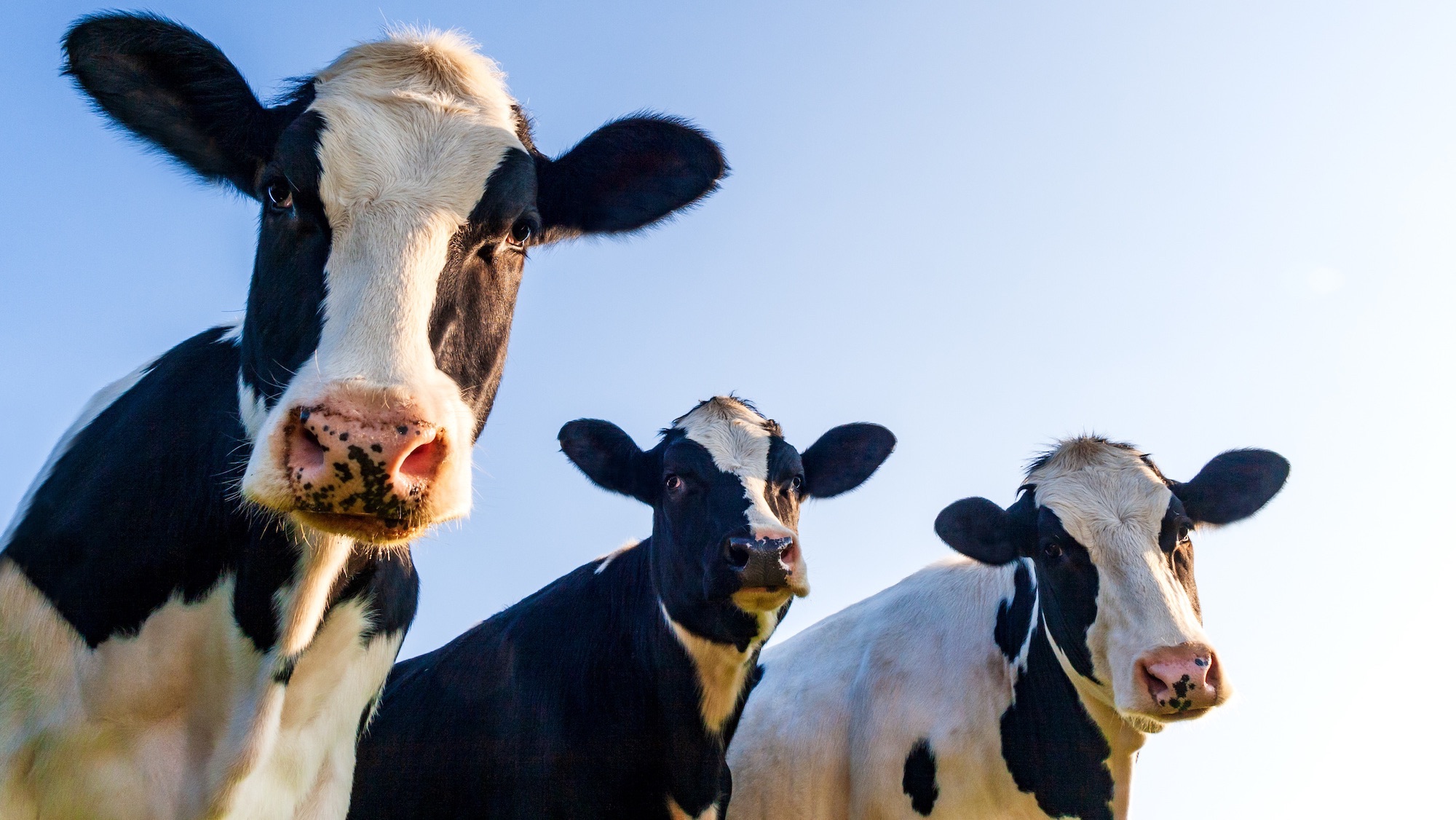
The physics of the act further debunk the myth. An adult Holstein cow, the most common breed in North American dairy farming, weighs approximately 1,500 pounds (roughly 680 kilograms). In 2005, Dr. Margo Lillie and student Tracy Boechler at the University of British Columbia conducted a biomechanical analysis of the force required to tip a cow. Their findings indicated that tipping a stationary, non-resisting cow would require approximately 1,360 Newtons of force. The average adult human, exerting maximum effort, can produce roughly 660 Newtons. Even with two people, the force applied would barely meet the threshold, assuming the cow remained a rigid, inanimate object. In reality, a cow is a dynamic organism that would immediately brace its legs or shift its weight, increasing the required force to over 3,000 Newtons—necessitating a coordinated effort of five to six people, all of whom would be at risk of being trampled by a startled 1,500-pound animal.
Bovine Vision and the Red Cape Fallacy
In popular culture, the image of a bull charging a red matador’s cape is the ultimate symbol of color-induced aggression. This has led to the widespread belief that the color red triggers a hormonal or neurological "rage" response in cattle. However, veterinary ophthalmology and genetic research provide a different explanation: bulls are effectively red-green colorblind.
A 1998 study published in Visual Neuroscience confirmed that cattle are dichromatic, meaning their eyes contain only two types of color-detecting cone cells, whereas most humans are trichromatic. Cattle lack the photoreceptor sensitive to long-wavelength light, which corresponds to the color red. To a bull, a red cape appears as a dull yellowish-gray or brown. The animal’s reaction in a bullring is not a response to the hue of the fabric, but to its movement.
The "muleta," or the small red cape used in the final stage of a bullfight, is manipulated by the matador to create provocative, fluid motions. The bull perceives this movement as a threat or a target for defense. In a controlled experiment conducted by the Discovery Channel’s MythBusters, researchers placed three flags—one red, one blue, and one white—in an enclosure with a bull. The bull showed no preference for the red flag, instead charging whichever flag was moved most aggressively. The use of red in traditional bullfighting is a human-centric choice; it masks the blood of the animal and provides a high-contrast visual for the audience, but it holds no biological significance for the bull itself.
The Economic and Practical Distinction Between Hay and Straw
In media representations of rural life, the terms "hay" and "straw" are frequently used interchangeably, yet they represent two entirely different agricultural products with distinct roles in the farm economy. This confusion was famously highlighted in the television series The Office, where a "Hay Festival" featured what was clearly straw, a distinction that farmers were quick to note.
Hay is a primary livestock feed consisting of dried grasses, legumes (such as alfalfa or clover), or other herbaceous plants. It is harvested while the plant is still nutrient-rich and green. The goal of hay production is to preserve the caloric and protein content of the forage for use during winter months or periods of drought. High-quality hay is a vital commodity; according to the USDA, the United States produced over 120 million tons of hay in 2022, supporting a multi-billion dollar livestock industry.
Straw, conversely, is an agricultural byproduct. It consists of the dry stalks left over after the grain (such as wheat, barley, or oats) has been harvested. Straw is hollow, lightweight, and lacks significant nutritional value. Its primary use on a farm is for bedding, insulation, or as a carbon source in composting. Because straw is yellow and "cleaner" in appearance than the dusty, green-hued hay, it is often preferred by set designers for film and television, further cementing the linguistic confusion in the public consciousness.
A Chronology of Agricultural Misinformation
The persistence of these myths can be traced through a timeline of media influence and the widening "nature deficit" in urban populations.
- Late 19th Century: Bullfighting becomes a romanticized trope in Western literature, cementing the "red rage" myth despite scientific ignorance of bovine vision.
- 1980s: The "cow tipping" myth gains traction in American pop culture, featured in films such as Heathers (1988) and later in Tommy Boy (1995) and Cars (2006). These depictions presented the act as a standard rite of passage for rural youth.
- 2005: The University of British Columbia’s physics study provides the first formal scientific debunking of cow tipping, though the legend persists in digital forums.
- 2010s-Present: The rise of social media allows for the rapid spread of "fake" cow-tipping videos, which are often digitally altered or feature fainting goats (a species with a genetic condition called myotonia congenita) mislabeled as cattle.
Official Responses and Animal Welfare Implications
Agricultural organizations and veterinary associations have grown increasingly vocal about these misconceptions, particularly regarding their impact on animal welfare. The National Cattlemen’s Beef Association (NCBA) and various dairy collectives have emphasized that attempting to "tip" a cow is not a harmless prank but a form of animal cruelty that can result in broken limbs or severe stress for the animal, and significant injury or death for the human involved.
Dr. Sarah Jenkins, a hypothetical representative for a leading veterinary association, notes: "The danger of these myths is that they dehumanize—or rather, ‘de-animalize’—livestock. When we treat a 1,500-pound sentient creature as a prop for a physics experiment or a cartoonish antagonist that hates a color, we lose sight of the sophisticated management required to maintain their health and safety."
Furthermore, the confusion between hay and straw can have real-world consequences for novice livestock owners. Feeding a horse or cow exclusively straw can lead to impaction colic and malnutrition, as the animal cannot derive sufficient energy from the lignified stalks.
Broader Impact and the Importance of Agricultural Literacy
The debunking of these myths serves a larger purpose than simple fact-checking; it highlights the necessity of agricultural literacy in a world where less than 2% of the population is directly involved in farming. When the public understands the actual biology of cattle—their sleep requirements, their visual spectrum, and their nutritional needs—they are better equipped to engage in informed discussions about food systems, land use, and animal rights.
The persistence of rural legends like cow tipping and the "red cape" reflects a nostalgic, often distorted view of the countryside. By applying the rigors of physics and biology to these old wives’ tales, we not only clear the air of misinformation but also gain a deeper respect for the reality of agricultural life. The modern farm is not a place of cartoonish tropes, but a sophisticated environment governed by the laws of nature and the demands of science. Moving forward, closing the information gap between the pasture and the city remains essential for a society that relies on the health and productivity of the very animals it so often misunderstands.