


The Indian leopard (Panthera pardus fusca) is demonstrating a remarkable degree of resilience in the face of rapid urbanization and habitat fragmentation. According to the "Status of Leopards in India" report released in 2024 by the Ministry of Environment, Forest and Climate Change, the estimated population of these big cats now ranges between 12,616 and 15,132 individuals. This figure represents a stable, and in some regions, growing population that wildlife biologists, including Thomas Sharp, Director of Conservation and Research at Wildlife SOS, describe as a "healthy number." However, this statistical success story conceals a complex reality: leopards are increasingly abandoning traditional forest corridors in favor of human-dominated agricultural landscapes, specifically the vast sugarcane plantations that now carpet much of rural India.
This shift in habitat preference has birthed a unique set of challenges for both the feline inhabitants and the human communities that surround them. While larger apex predators such as Bengal tigers and Asiatic lions require vast, undisturbed territories, leopards have managed to endure by leveraging their secretive nature and adaptable diet. By subsisting on smaller prey and avoiding direct daylight encounters, they have carved out a precarious existence on the fringes of human civilization. This proximity, while a testament to the species’ adaptability, has led to a surge in human-leopard interactions, many of which center on the most vulnerable members of the leopard population: their cubs.
The Sugarcane Ecosystem as a Surrogate Forest
The rise of the sugarcane field as a leopard nursery is a direct consequence of habitat degradation. As traditional forests are cleared for timber or converted into farmland, the leopard has sought out the closest structural equivalent to its natural environment. Sugarcane, which grows tall, thick, and provides year-round cover, mimics the tall grasses and dense undergrowth of the Indian scrub forest. For a mother leopard, these fields offer a cool, shaded environment with proximity to water sources and an abundance of "domestic" prey, such as feral dogs, goats, and pigs, which are often found near human settlements.
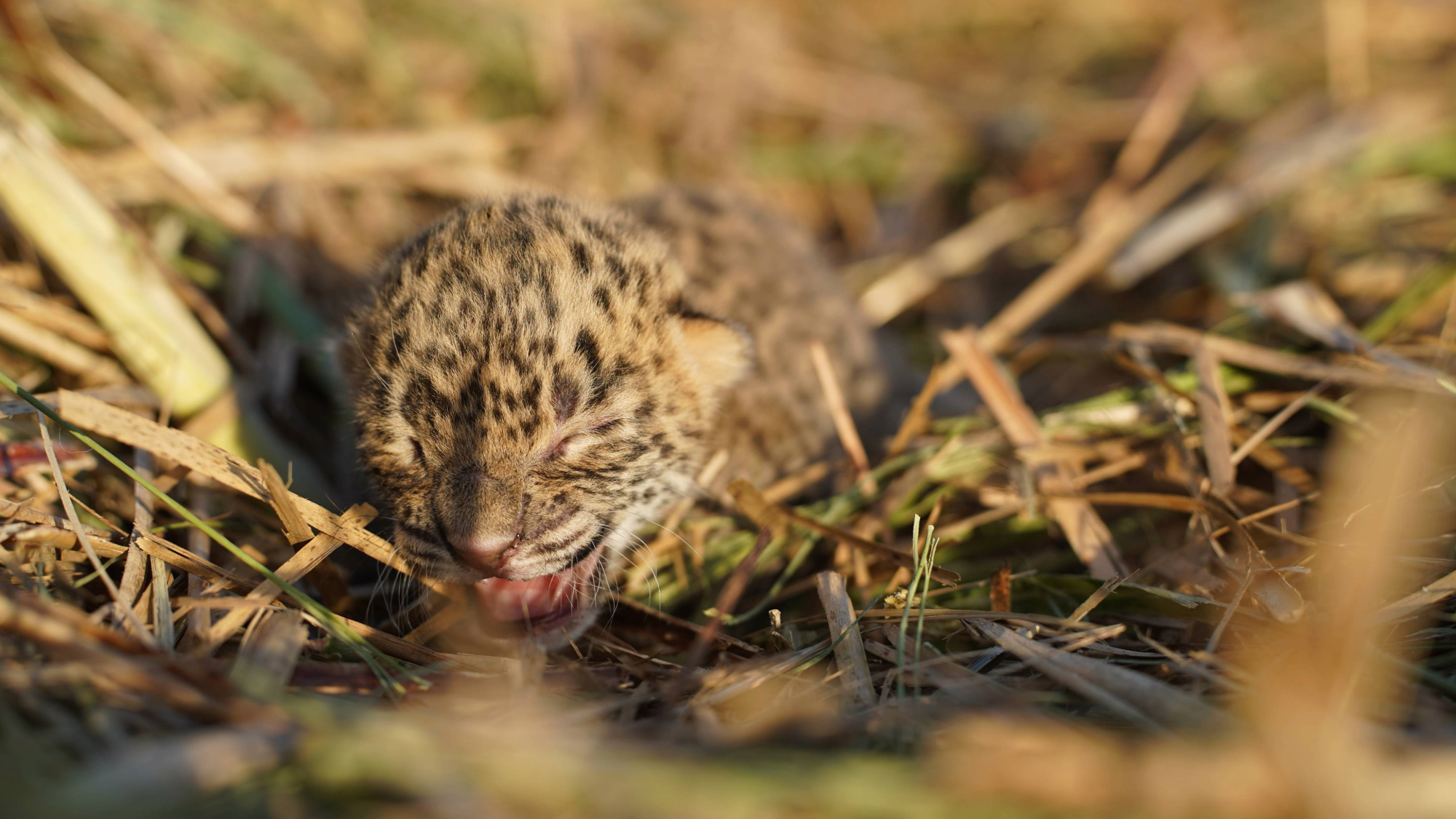
In regions like Maharashtra, particularly in the Junnar forest division, the sugarcane harvest cycle has become intrinsically linked with the leopard life cycle. Mother leopards frequently choose the interior of these dense plantations to give birth, believing the thick stalks provide safety from larger predators and human interference. However, this choice creates a seasonal crisis. When the harvest begins, the protective "forest" is systematically stripped away, often revealing young cubs hidden deep within the rows of cane.
The Crisis of the "Abandoned" Cub
The encounter between a farmer and a leopard cub is a high-stress event for both parties. As the harvesting machinery moves through the fields, or as manual laborers clear the stalks, they often stumble upon cubs that appear to be alone. These cubs, often only a few weeks old, are frequently left in the fields by their mothers, who must leave to hunt for several hours at a time.
Thomas Sharp notes that well-intentioned but uninformed individuals often assume these cubs have been abandoned. "Passersby might hear them meowing or find them during a harvest and think they are saving them," Sharp explains. "In some cases, people even take them home because they are so small and seemingly docile." This intervention, while born of compassion, is one of the greatest threats to the cub’s survival. Removing a cub from its location breaks the bond between mother and offspring, often permanently if the reunion is not handled with professional precision.
Furthermore, the removal of cubs creates a significant safety risk for the community. A mother leopard returning to find her cubs missing is an animal in a state of extreme distress. Wildlife experts have observed that these mothers become significantly more aggressive and may enter nearby villages in a frantic search for their young, greatly increasing the likelihood of a dangerous human-wildlife conflict.
The Protocol of Reunion: A Specialized Conservation Strategy
To combat the rising number of accidental separations, Wildlife SOS has developed a sophisticated "Reunion Protocol" that prioritizes the biological needs of the cats while ensuring the safety of local residents. When a cub is discovered, the organization’s rapid response team is deployed to the site. The process follows a strict chronological order designed to minimize human scent and maximize the chances of a successful retrieval by the mother.
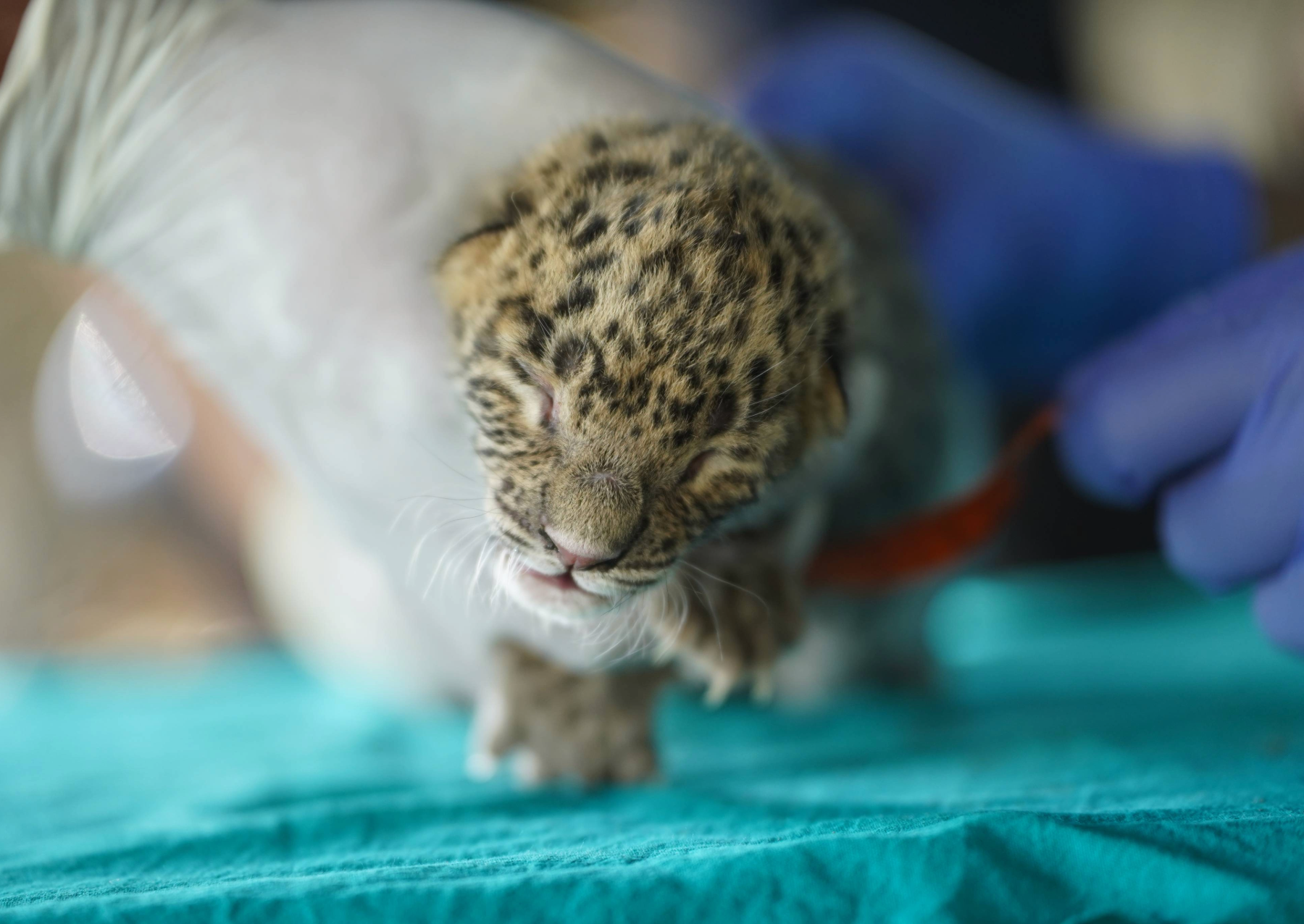
- Immediate Health Assessment: Upon arrival, veterinarians conduct a swift on-site examination. They check for dehydration, injuries sustained from harvesting tools, and general vitals. If the cub is healthy, the goal is to return it to the exact spot where it was found as quickly as possible.
- Microchipping: Before the reunion attempt, each cub is fitted with a microchip. This allows wildlife officials to track the animal’s progress if it is encountered later in life and helps build a database on the survival rates of reunited leopards.
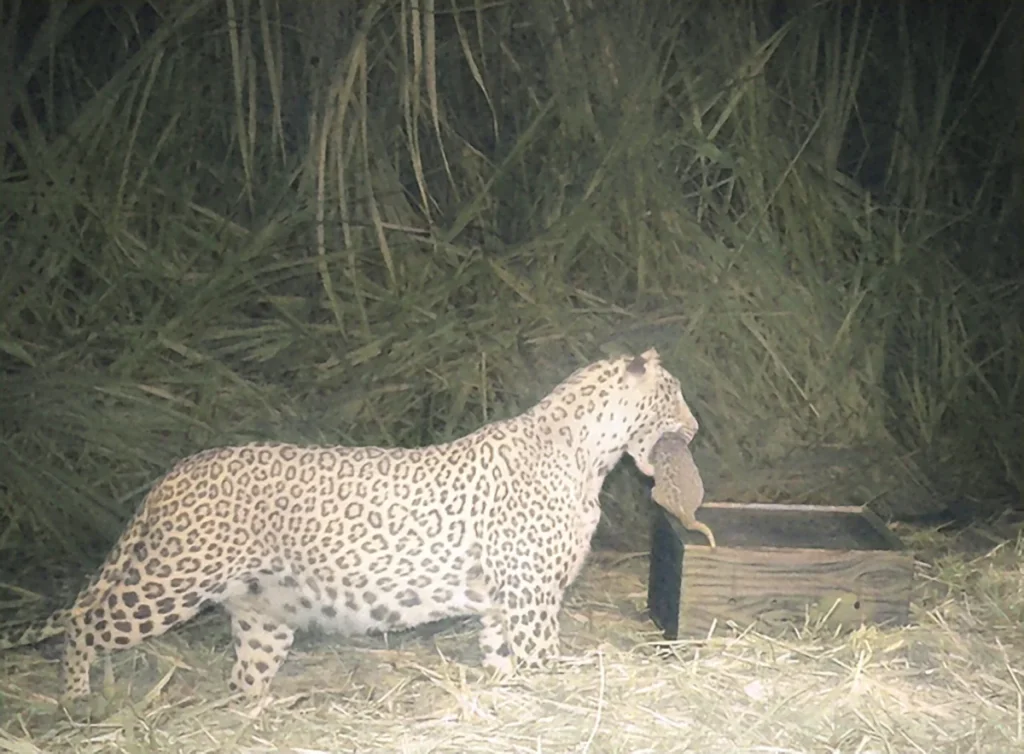
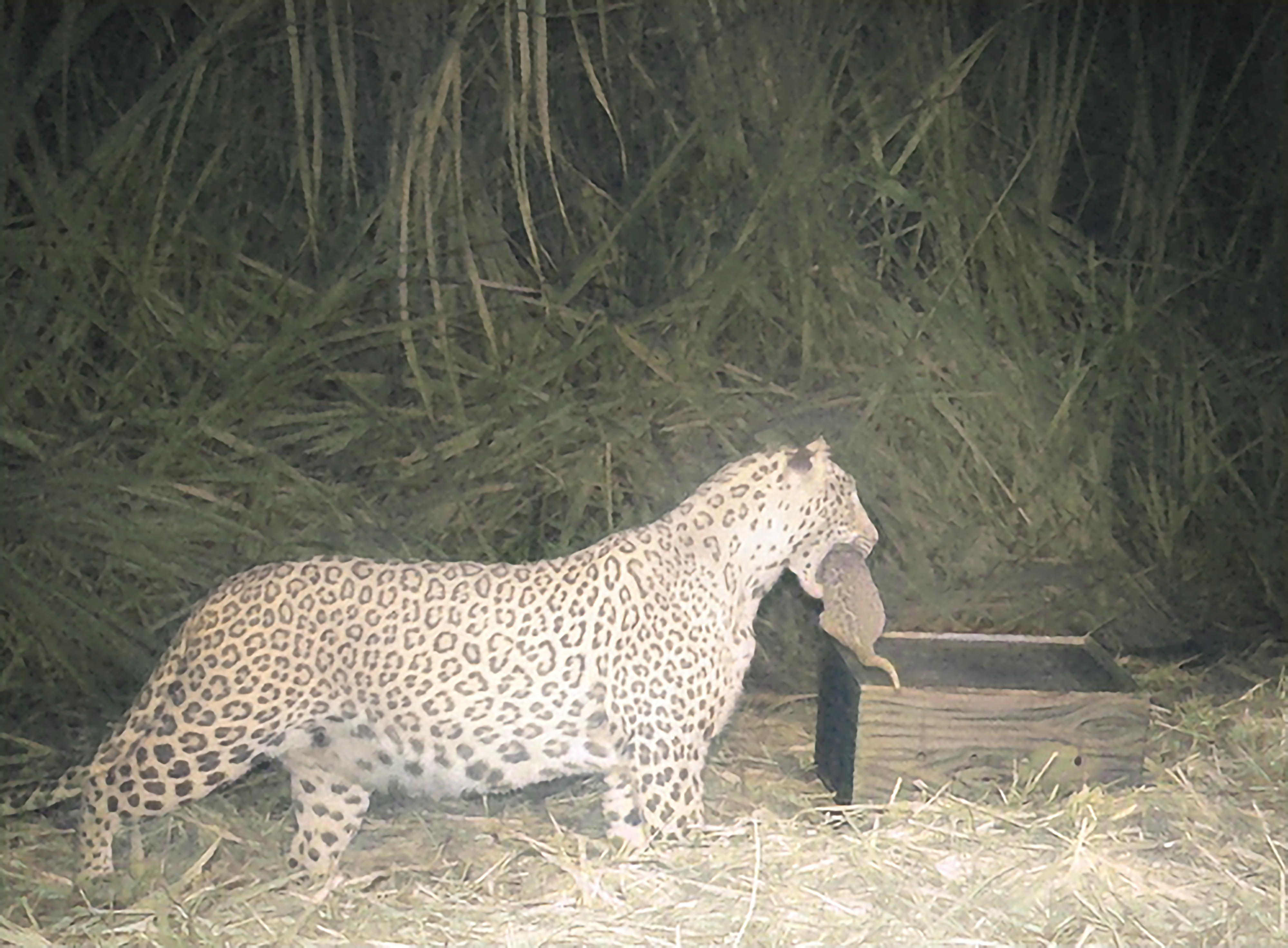
- The Perforated Box Method: The cub is placed in a specially designed plastic or wooden crate. The box is ventilated with holes that serve a dual purpose: they allow the cub’s scent and vocalizations to reach the mother, and they provide the cub with protection from other predators like hyenas or feral dogs while it waits.
- Monitoring via Camera Traps: Once the box is placed, the human team retreats. They set up motion-triggered camera traps to record the mother’s return. This provides crucial data on maternal behavior and confirms that the reunion was successful.
In most cases, the mother leopard returns under the cover of darkness. The camera footage captured by Wildlife SOS often shows a cautious mother approaching the box, sniffing it to confirm her cubs are inside, and then skillfully overturning the crate or prying it open to retrieve her young by the scruff of their necks.
Supporting Data and Success Rates
The efforts of conservationists in India have yielded impressive results. To date, Wildlife SOS has successfully facilitated the return of 112 leopard cubs to 73 different mothers. This high success rate is attributed to the speed of the response; the likelihood of a mother accepting her cub back drops significantly if the separation lasts longer than 24 to 48 hours.
The data also highlights the geographic hotspots for these encounters. The state of Madhya Pradesh currently leads the nation with an estimated 3,907 leopards, followed by Maharashtra with 1,981 and Karnataka with 1,879. The high density of leopards in Maharashtra, combined with its status as a major sugarcane-producing state, makes it the primary theater for these reunion operations.

Official Responses and Policy Implications
The Indian government has recognized the need for a shift from "conflict management" to "coexistence." The Ministry of Environment, Forest and Climate Change has increasingly advocated for community-based conservation models. This includes training local farmers and harvest laborers on how to react when a cub is spotted—emphasizing the "look but don’t touch" rule.
Local forest departments have also begun collaborating more closely with NGOs to implement "Leopard Awareness" programs. These initiatives educate the public on the leopard’s role in the ecosystem, such as controlling the population of wild boars that destroy crops. By framing the leopard as a silent partner in pest control rather than a mere threat, officials hope to foster a culture of tolerance.
Broader Impact and the Future of Coexistence
The phenomenon of "sugarcane leopards" is a harbinger of the future of global wildlife conservation. As the human footprint expands, the traditional model of keeping wildlife confined to protected national parks is becoming increasingly untenable. The Indian leopard’s ability to live alongside humans suggests that coexistence is possible, but it requires constant vigilance and scientific intervention.
The success of the reunion program has implications beyond the survival of individual cubs. It prevents the unnecessary "warehousing" of leopards in captivity. When reunions fail, cubs must be raised in rescue centers; because they never learned to hunt from their mothers, they can never be released back into the wild. Currently, only five cubs that could not be reunited live at the Wildlife SOS leopard rescue center, a testament to the effectiveness of the field operations.
As India continues to balance its industrial and agricultural growth with its commitment to biodiversity, the secretive leopard in the sugarcane field remains a symbol of resilience. The work of Wildlife SOS and the cooperation of rural farming communities demonstrate that with the right protocols and a degree of human empathy, even the most formidable predators can find a way to thrive in a changing world. The goal remains clear: to ensure that the "meow" of a hidden cub leads not to a cage, but to a reunion in the shadows of the stalks.