


In a remarkable display of veterinary ingenuity, a team of specialists at the Vets in Practice clinic in the Philippines has successfully stabilized and repaired the shell of a four-year-old African spurred tortoise (Geochelone sulcata) following a series of traumatic accidents. The tortoise, which had been run over by a motor vehicle on two separate occasions, presented with severe shell fragmentation and exposed soft tissue, a condition that is often fatal for chelonians without immediate and highly specialized intervention. Led by Dr. Nielsen Donato, the clinic’s chief surgeon and an expert in exotic animal medicine, the medical team utilized a combination of orthopedic principles, dental materials, and custom-engineered wire framing to reconstruct the reptile’s protective casing.
The African Spurred Tortoise: A Biological Overview
The African spurred tortoise, commonly known as the Sulcata tortoise, is the third-largest species of tortoise in the world and the largest mainland species. Native to the southern edge of the Sahara Desert, these reptiles are known for their hardiness and longevity, often living upwards of 70 to 100 years in captivity. However, their physical structure makes them particularly vulnerable to certain types of urban trauma.
A tortoise’s shell is not a separate entity from its body; it is a complex living structure comprised of approximately 60 bones, including the ribcage and the spinal column, which are fused to the internal side of the carapace (the upper shell). The outer layer is covered by keratinous plates called scutes. Because the shell is vascularized and contains nerve endings, a fracture is equivalent to a compound bone fracture in a human, causing intense pain, significant risk of hemorrhage, and a high susceptibility to systemic infection or sepsis.
In this specific case, the four-year-old patient was still in a developmental stage where shell growth is rapid. The double impact of being run over by a car twice resulted in depressed fractures, where portions of the carapace were forced inward, potentially compressing internal organs and compromising the animal’s ability to breathe and thermoregulate.
Chronology of Treatment and Emergency Stabilization
The tortoise was brought to the Vets in Practice clinic while Dr. Nielsen Donato was off-site. Recognizing the urgency of the situation, Donato coordinated the initial response remotely. The immediate priority was the management of shock and the prevention of desiccation. Unlike mammalian skin, the soft tissues beneath a tortoise’s shell are highly sensitive to the environment; once exposed, they can dry out rapidly, leading to tissue necrosis.
Under Donato’s tele-medical instruction, the veterinary staff implemented the following emergency protocol:
- Hydration and Wound Care: The exposed soft tissues were continuously rinsed with sterile saline (salt water) to maintain moisture and remove debris.
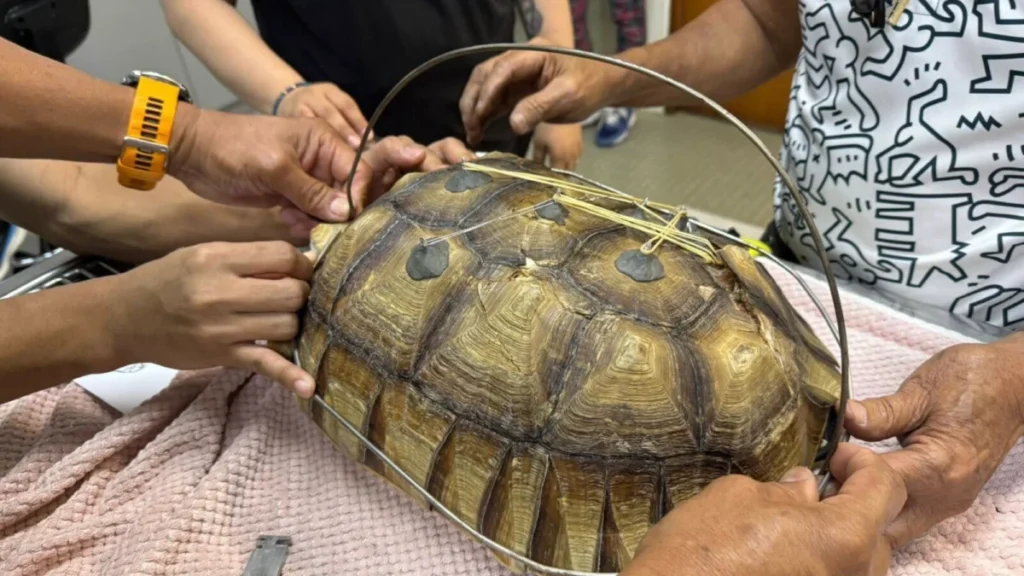
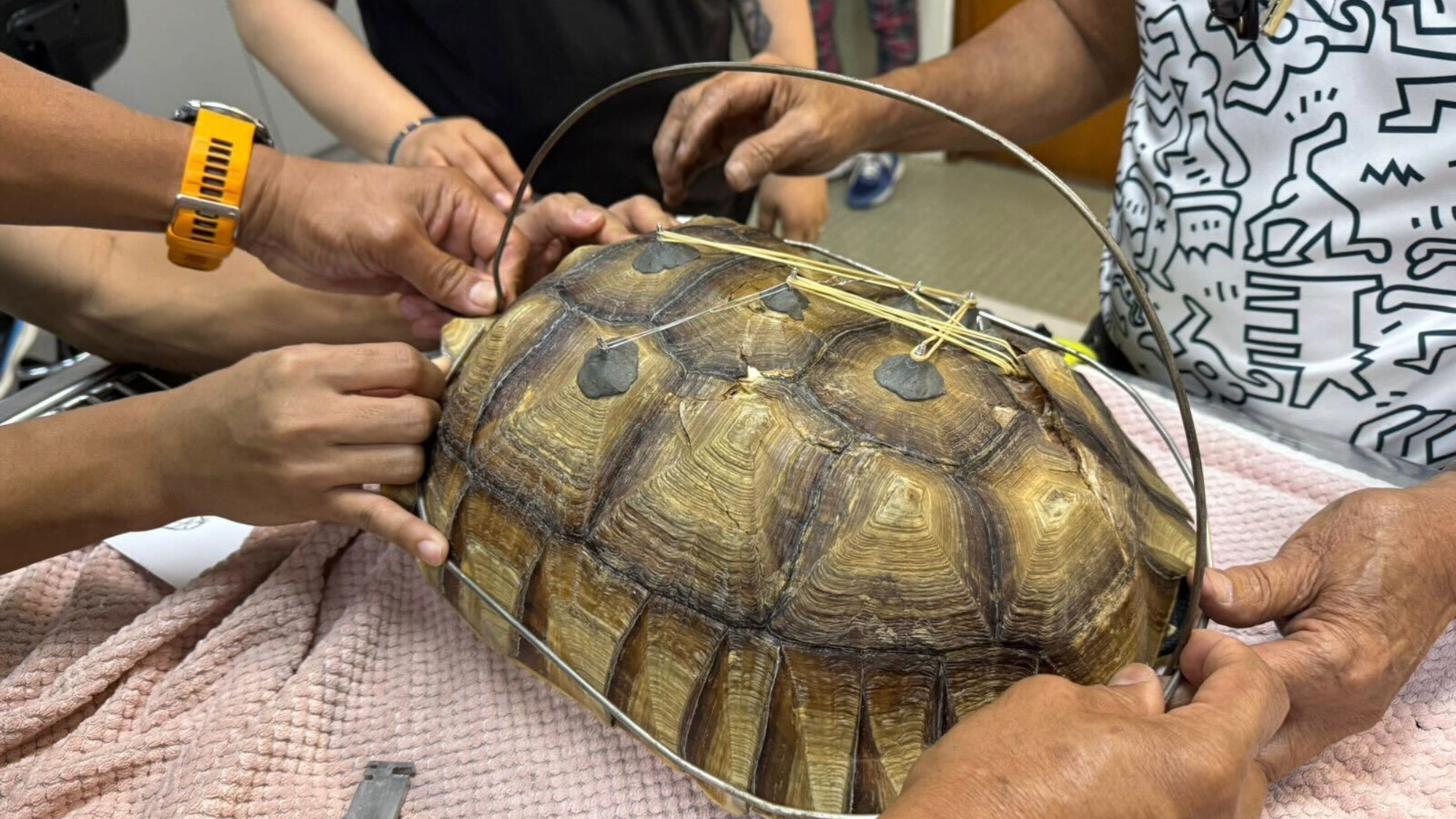
- Temporary Stabilization: To prevent further shifting of the fractured plates, the team used epoxy putty to fix inverted screws onto stable sections of the shell. Rubber bands were then stretched between these screws to provide a rudimentary "bridge," exerting enough tension to keep the fragments from collapsing further.
- Supportive Therapy: The tortoise was administered broad-spectrum antibiotics to combat potential infection and high-potency pain medication. Because trauma often causes reptiles to cease eating (anorexia), the team utilized tube-feeding to ensure the patient received the necessary nutrients for bone regeneration.
For the first three weeks, the primary clinical focus was "wound bed preparation." This involved vigilant monitoring to prevent flystrike (myiasis), a condition where flies lay eggs in open wounds, leading to maggot infestations that can consume healthy tissue.
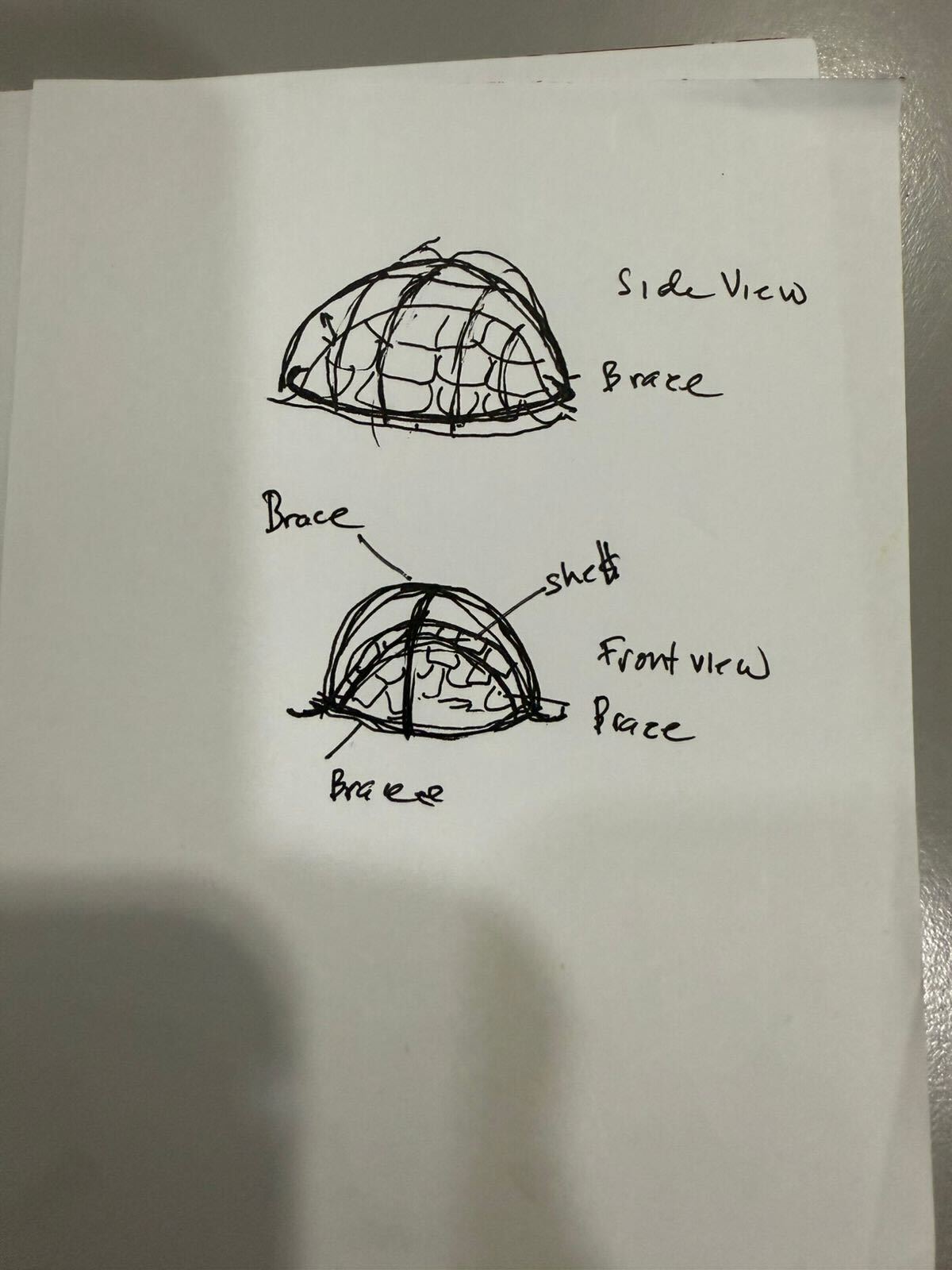
Engineering the Solution: The Custom Wire Frame
Once the tortoise was stabilized and began showing signs of behavioral recovery—including a return of appetite and increased mobility—Dr. Donato moved forward with a more permanent orthopedic solution. The primary challenge was the nature of the fractures; several large sections of the shell were depressed, meaning they had sunk below the natural curve of the carapace.
"The most difficult part was lifting the crushed parts of the shell," Donato noted. Traditional casting or taping would only serve to hold the pieces in their current, sunken positions. To address this, Donato designed a custom external fixation frame.
The procedure involved:
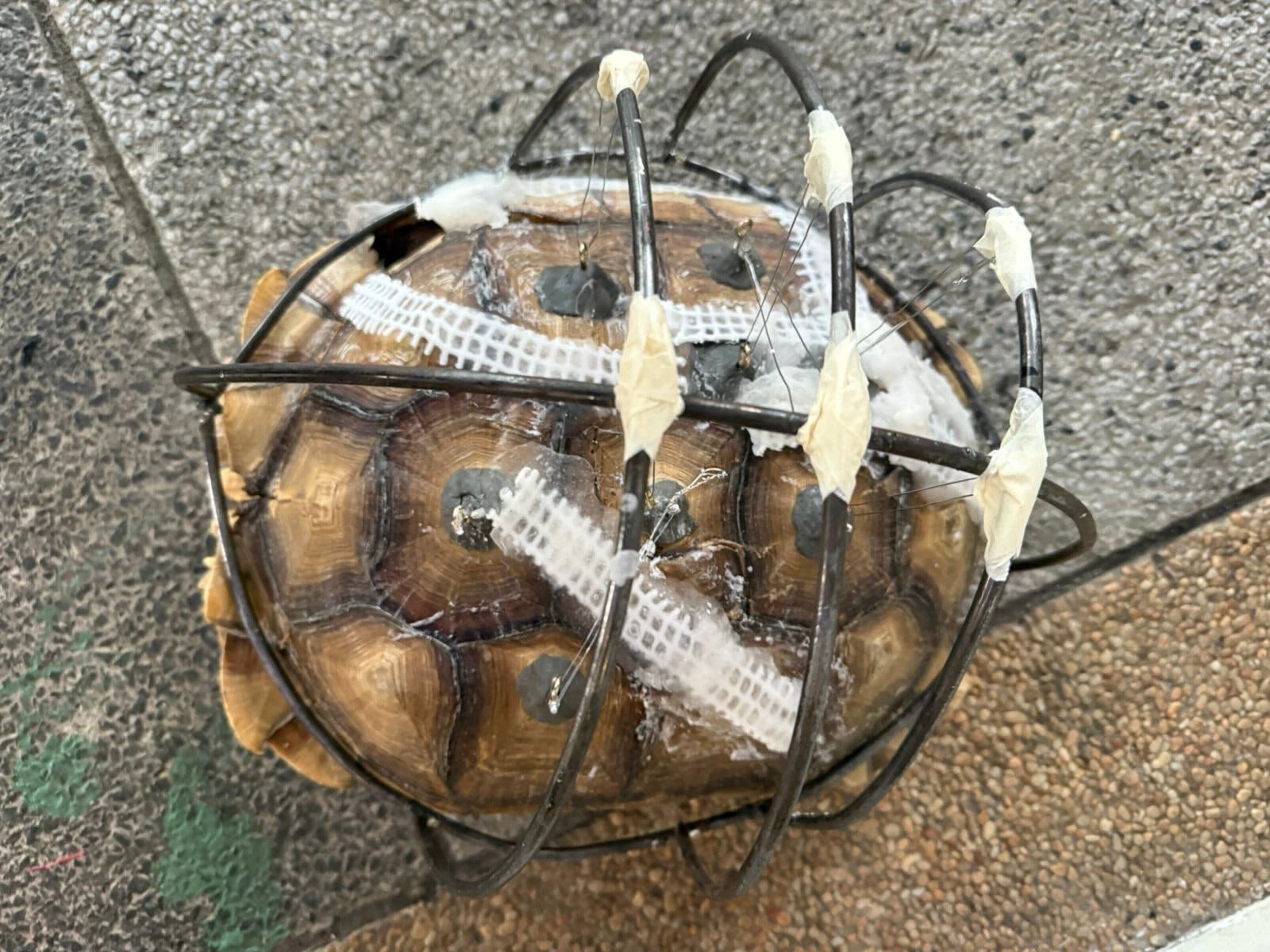
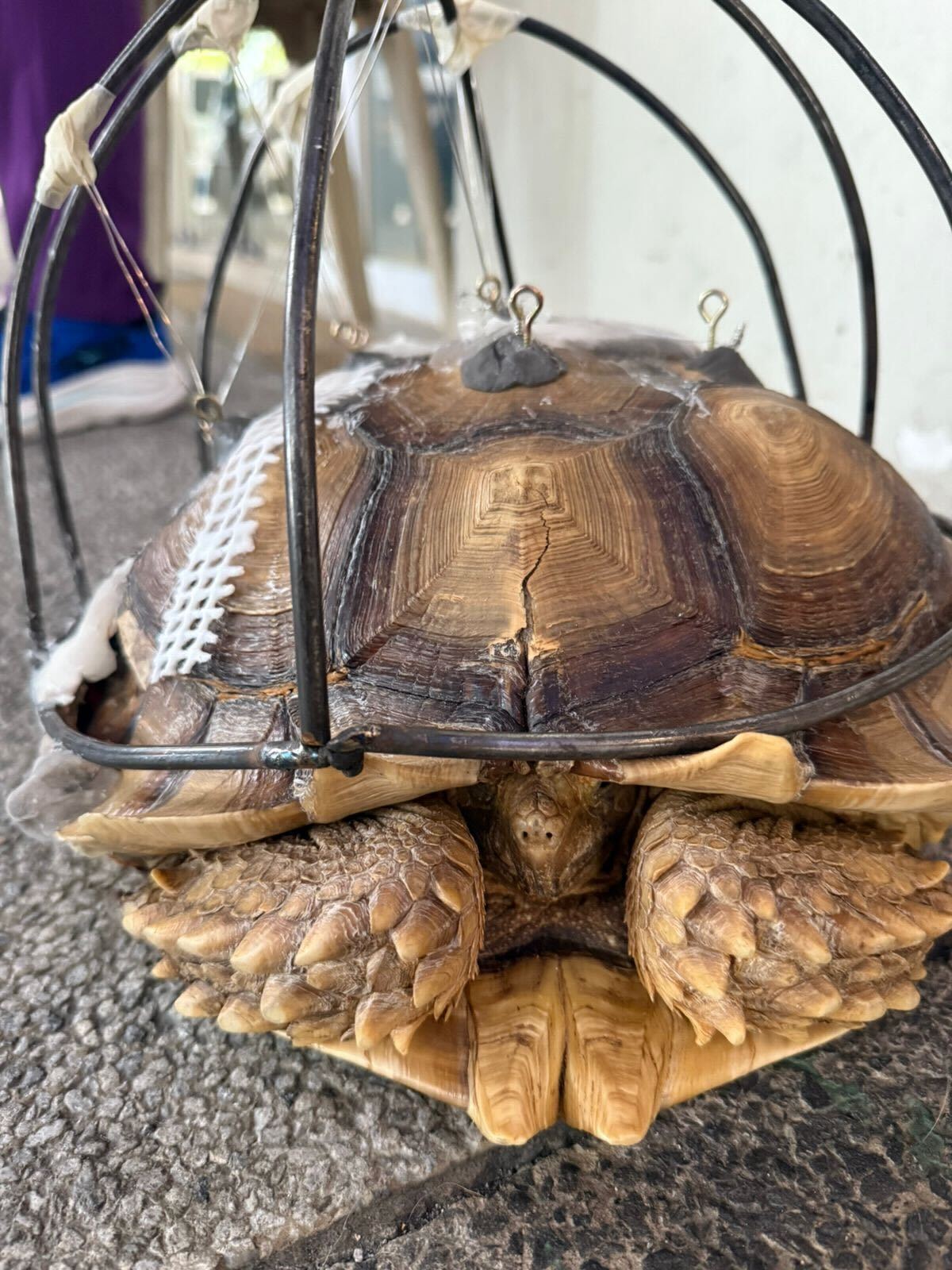
- Frame Construction: A rigid metal frame was fashioned to sit above the tortoise’s shell, acting as a scaffold.
- Tension Wiring: Small holes were carefully drilled into the fractured bone segments. High-tensile surgical wires were then threaded through these segments and attached to the overhead frame.
- Mechanical Alignment: By twisting the wires, the team was able to apply upward vertical pressure, slowly "lifting" the depressed bone fragments back into their original anatomical position.
This mechanical approach allowed for "fracture apposition," where the edges of the broken bone are brought into direct contact. In chelonians, bone healing is a slow process, but proper alignment is critical to ensure the shell regains its structural integrity and does not heal in a deformed manner that could impede future growth.
Final Sealing and Long-term Recovery
Once the alignment was achieved through the wire-and-frame contraption, the gaps and cracks in the shell were sealed using dental acrylic. This material was chosen for its durability, biocompatibility, and ability to form a waterproof seal, which is essential for protecting the underlying tissue from environmental contaminants while the bone heals underneath.
After three weeks of wearing the external frame, the tortoise returned to the clinic for a follow-up assessment. The clinical evaluation revealed that the shell had reached a sufficient level of stability to allow for the removal of the hardware. The wires were clipped, the screws were removed, and the epoxy was carefully debrided.
According to the latest reports from the veterinary team, the tortoise has shown a remarkable recovery. The owners report that the animal is "moving around more actively" and has regained a vigorous appetite, a key indicator of low stress and successful pain management in reptiles.
Broader Implications for Wildlife and Exotic Veterinary Medicine
This case highlights a growing trend in veterinary medicine: the application of "MacGyver-like" creative engineering to solve complex physiological problems in non-traditional patients. Dr. Donato and the Vets in Practice team have established a reputation for such innovations; only a month prior, they successfully fitted an Aldabra giant tortoise with a temporary wheel assembly to assist with mobility issues.
The success of this shell reconstruction also brings attention to the "urban-wildlife interface." As cities expand, large tortoises kept as pets or living in semi-wild environments increasingly encounter vehicular traffic. Unlike dogs or cats, tortoises lack the speed to avoid cars, and their primary defense mechanism—withdrawing into their shell—is ineffective against the weight of a multi-ton vehicle.
From a clinical data perspective, the use of external fixation frames in chelonians provides a blueprint for other veterinarians facing similar trauma cases. While the materials used (epoxy, dental acrylic, and wire) are relatively low-cost, the expertise required to apply them without damaging the animal’s internal organs is significant.
Conclusion
The survival of this African spurred tortoise is a testament to the resilience of the species and the advancing capabilities of exotic animal medicine in the Philippines. While the tortoise’s journey involved two near-fatal encounters with motor vehicles, the intervention of Dr. Donato’s team has ensured that the animal can continue its long lifespan. The "shell and back" recovery serves as a vital case study in orthopedic repair, demonstrating that even the most catastrophic skeletal damage can be mitigated through a combination of timely emergency care and innovative surgical engineering.
As the tortoise continues its rehabilitation at home, it remains under periodic observation to ensure that as it grows, the repaired sections of the shell expand correctly. For now, the patient stands as a symbol of the "creative solutions" required to solve the "complex problems" of the modern veterinary landscape.