


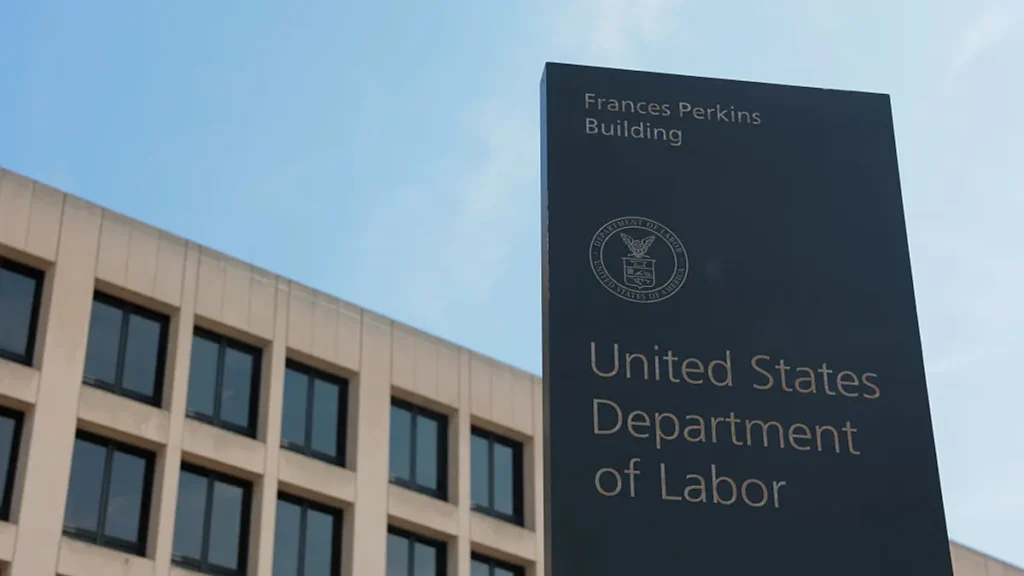
The U.S. Department of Labor (DOL) announced on Thursday, May 18, 2026, its decision to rescind an embattled Biden-era overtime rule, a move that signals a significant shift in the interpretation and enforcement of the Fair Labor Standards Act (FLSA) concerning white-collar exemptions. This rescission, effective immediately, reinstates the salary threshold and exemption criteria that were in place under the 2019 rule, effectively rolling back the more expansive protections established by the Biden administration. The DOL stated its commitment to ensuring that regulations accurately reflect proper standards, emphasizing the critical need for clear framing of all elements of the section 13(a)(1) exemptions for the benefit of both employees and employers.
Background of the Overtime Rule Debate
The overtime rule has been a contentious issue for years, with administrations repeatedly altering the salary thresholds and duties tests that determine which employees are eligible for overtime pay. Under the FLSA, executive, administrative, and professional (EAP) employees are generally exempt from overtime requirements if they meet specific salary and duties tests. The core of the debate has revolved around the salary threshold, the minimum annual salary an employee must earn to be considered exempt.
The Obama administration attempted to significantly raise this threshold, but the rule was blocked by a federal court. The Trump administration subsequently finalized a rule in 2019 that increased the salary threshold to $35,308 annually (equivalent to $679 per week), a more modest increase than initially proposed. This 2019 rule also included provisions for automatic triennial increases to the salary threshold, a feature that has now been removed by the current DOL action.
The Biden administration, aiming to provide greater protection for workers and ensure fair compensation, proposed and finalized a new rule in late 2023 that substantially raised the standard salary level for EAP exemptions. This rule, which was set to take effect in mid-2024, would have increased the salary threshold to $55,068 annually ($1,059 per week) and further adjusted it to $67,000 annually ($1,289 per week) by July 1, 2025, with automatic triennial adjustments thereafter. This significant increase was intended to bring the threshold more in line with inflation and contemporary wage levels, potentially making millions more workers eligible for overtime pay.
The DOL’s Rationale for Rescission
The Trump administration’s decision to rescind the Biden-era rule was foreshadowed by earlier statements from the DOL, which had indicated its intention to revisit and revise various Obama- and Biden-era labor regulations. In September 2025, the DOL officially placed the overtime rule on its regulatory agenda, alongside other significant issues such as joint employer status and independent contractor classification, stating it "will determine whether certain salaried employees are exempt from FLSA minimum wage and overtime requirements."
According to a blog post by Keith Kopplin, co-chair of Ogletree Deakins’ wage and hour practice group, and Zachary Zagger, senior marketing counsel at the firm, the rescission of the 2024 final rule was "unsurprising given President Donald Trump’s administration signaling it would revisit the rule." Kopplin further elaborated that the current DOL is "restoring the threshold to the levels of the 2019 rule." A key aspect of this rollback is the removal of the "automatic triennial threshold adjustments" that were a cornerstone of the Biden administration’s rule. This means that future increases to the salary threshold will not occur automatically but will require separate rulemaking processes, potentially leading to a more protracted and less predictable adjustment schedule.
Beyond the Salary Threshold: The Importance of the Duties and Salary Basis Tests
While the salary threshold garners significant attention, legal experts emphasize that it is only one component of the exemption test. Jim Paretti, a co-chair of Littler’s Workplace Policy Institute, highlighted in an email that the salary threshold is "only part of the three-part conjunctive test" for FLSA exemptions.

To qualify for an EAP exemption under the FLSA, an employee must satisfy three criteria:
- Salary Basis: The employee must be paid a fixed, predetermined sum each week that is not subject to reduction because of variations in the quality or quantity of work performed. This "salary basis" test ensures that employees are not paid on an hourly or piece-rate basis, which would typically make them eligible for overtime.
- Salary Level: The employee must earn a salary that meets or exceeds the applicable minimum salary threshold. As of the rescission of the Biden rule, this threshold reverts to the 2019 level of $35,308 annually.
- Duties Test: The employee’s "primary work" must involve the performance of exempt EAP duties. This involves a detailed analysis of the employee’s actual job responsibilities to determine if they align with the definitions of executive, administrative, or professional roles as outlined by the DOL.
Paretti stressed, "Simply earning above the threshold does not make an employee automatically exempt. Where that criterion is met, employers must still make certain that the employee is paid on a salaried basis (versus hourly or by the piece), and that their work is primarily performing tasks that fall within the ‘duties test’ exemption." This underscores the complexity of FLSA exemption analysis and the potential for misclassification if employers solely focus on the salary level.
Official Statements and Industry Reactions
The DOL, through WHD Administrator Andrew Rogers, issued a statement emphasizing the agency’s commitment to regulatory clarity. "The Wage and Hour Division is committed to ensuring that its regulations accurately reflect the proper standards and requirements that we enforce," Rogers stated. "It is critical that each element of the section 13(a)(1) exemptions – duties, salary basis, and salary level requirements – be clearly framed for the benefit of both employees and employers."
This statement suggests that the administration believes the previous regulatory framework, as established by the 2019 rule, offered a clearer and more manageable structure for compliance. The focus on the "three-part conjunctive test" indicates a desire to ensure that all aspects of the exemption are considered, not just the salary figure.

While HR Dive reached out to the DOL for additional comment, no further details were provided by the time of publication. However, legal and HR professionals are already dissecting the implications of this rescission. The move is expected to reduce the number of employees eligible for overtime pay compared to the Biden administration’s rule, potentially saving businesses significant labor costs. Conversely, it means that millions of workers who might have qualified for overtime under the rescinded rule will continue to be classified as exempt, thereby not receiving additional compensation for hours worked beyond 40 per week.
Broader Implications and Future Considerations
The rescission of the Biden-era overtime rule has several broader implications for the workforce and the business community. For employers, it provides a period of regulatory stability, allowing them to operate under familiar guidelines. However, it also means that the potential for wage and hour litigation related to misclassification may continue, particularly for businesses that had already begun to adjust their compensation structures in anticipation of the higher thresholds.
The DOL also indicated that it intends to address standard salary levels for workers in U.S. territories, including American Samoa, Guam, the Northern Mariana Islands, Puerto Rico, and the U.S. Virgin Islands. Furthermore, the administration has expressed an interest in clarifying salary levels for talent in the motion picture industry. These specific areas may see further regulatory action in the future, indicating a targeted approach to updating FLSA regulations where perceived gaps or inconsistencies exist.
The political landscape surrounding overtime rules is likely to remain dynamic. As administrations change, so too can the interpretation and enforcement of labor laws. The rescission by the Trump administration underscores the cyclical nature of regulatory policy in this area, driven by differing economic philosophies and priorities. Human resources departments will need to remain vigilant, closely monitoring any further regulatory developments and ensuring their compensation and classification practices align with current federal and state laws. The emphasis by the DOL on the entirety of the exemption test—salary basis and duties, in addition to salary level—serves as a crucial reminder for employers to conduct thorough and accurate assessments of employee classifications to mitigate legal risks and ensure compliance. The debate over fair compensation and overtime protections is far from over, and future policy shifts are almost certain.