
Why do some individuals grasp complex new skills with seemingly effortless fluidity, while others find the same tasks elusive even after rigorous, repeated practice? For decades, cognitive scientists and neurobiologists have attributed this variance primarily to innate talent, cognitive capacity, or the intensity of effort applied during the acquisition phase. However, a significant body of emerging research suggests that the secret to mastery may lie not just in the mind, but in the physiological state of the brain during the critical consolidation period that follows training. A landmark study published on August 25, 2026, in the journal iScience has provided compelling evidence that the body—specifically through the vagus nerve—plays an active, regulatory role in cementing long-term motor skills.
The Biological Highway: Understanding the Vagus Nerve
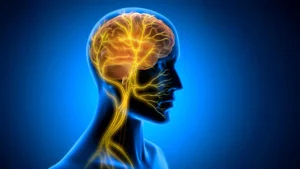
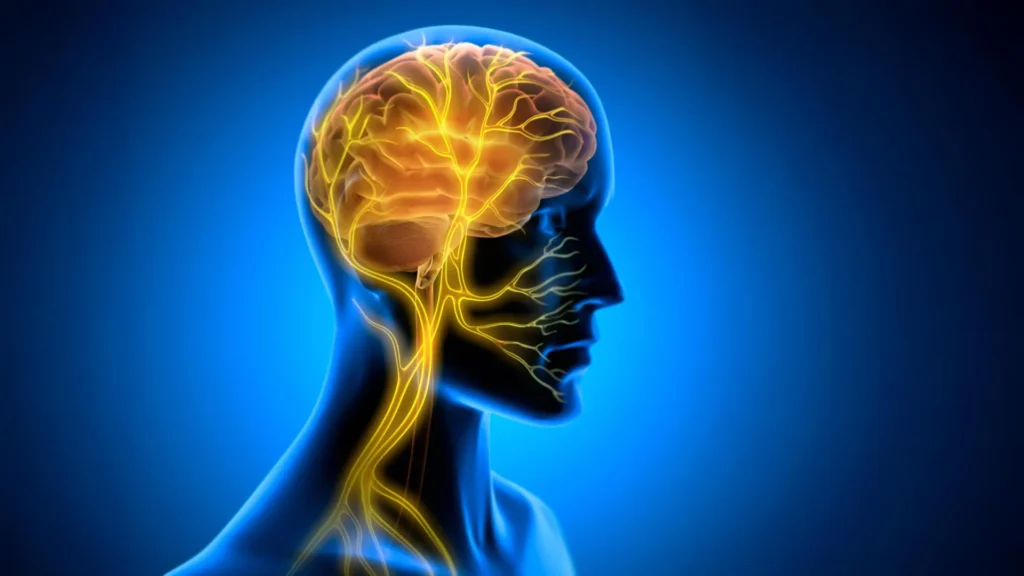
The vagus nerve, or the tenth cranial nerve, serves as the primary conduit for the parasympathetic nervous system, acting as an expansive information highway between the brain and the major visceral organs, including the heart, lungs, and digestive tract. While traditionally studied for its role in regulating heart rate and digestion, it has increasingly become a target for clinical intervention. Vagus Nerve Stimulation (VNS) involves the use of an implanted or transcutaneous device to deliver mild electrical pulses to the nerve. Currently, the U.S. Food and Drug Administration (FDA) has approved VNS for the treatment of refractory epilepsy and treatment-resistant depression, acknowledging its ability to modulate neurotransmitter release and global brain activity.
The research team at Tohoku University, led by Professor Ko Matsui, hypothesized that the vagus nerve does more than regulate homeostasis; they posited that it might actively "gate" the brain’s ability to store new information. By investigating the link between bodily signals and cerebellar function, the researchers sought to determine if VNS could be used as a temporal trigger to enhance synaptic plasticity.
Chronology of the Tohoku Study
The investigation, conducted over several months in 2026, utilized a cohort of mice to track the efficacy of VNS on a motor learning task known as the horizontal optokinetic response (HOKR). The HOKR is a standard cerebellar-dependent behavior wherein an organism learns to stabilize its gaze by tracking moving visual stimuli. This reflex is analogous to the human experience of maintaining focus on a stationary object while the environment moves, such as watching the landscape pass by from a moving train.
- Phase One (Baseline): Researchers implanted a micro-cuff electrode onto the left cervical vagus nerve of the test subjects.
- Phase Two (Training): Mice underwent standardized training sessions involving visual tracking tasks.
- Phase Three (The Intervention): Unlike previous studies that applied stimulation during the learning phase, the Tohoku team applied VNS immediately after the training sessions. This design choice was deliberate, aimed at testing whether the stimulation affected memory consolidation rather than real-time performance.
- Phase Four (Evaluation): Researchers utilized fiber photometry to observe real-time physiological responses within the cerebellar flocculus—the specific region of the cerebellum tasked with HOKR motor learning.
The Aftermath of Training: A Hidden Window for Plasticity
The most striking finding of the study was the temporal specificity of the intervention. When VNS was administered during the learning task, there was no immediate improvement in the mice’s ability to track the stripes. However, when the stimulation was applied in the post-training window, the results were transformative.
The researchers observed that mice receiving VNS exhibited significantly higher accuracy and retention of the motor skill by the fifth day of the experiment compared to the control group. Professor Matsui noted that this confirms the existence of a "hidden window of opportunity"—a period following the acquisition of a skill where the brain is primed for structural changes but requires a specific systemic signal to finalize the consolidation process. By delivering VNS post-training, the researchers were essentially "tagging" the learned information for long-term storage.
Vascular Rhythms: The Mechanism of Change
The study introduced a novel explanation for how VNS influences the brain: through rhythmic vascular modulation. Using advanced fiber photometry, the team observed that a single round of VNS triggered a two-phase vascular response in the cerebellar flocculus. Initially, local blood volume decreased, followed by a sustained increase.
When repeated, these pulses of blood volume created rhythmic oscillations. The correlation between the amplitude of these oscillations and the mice’s learning success was statistically significant. Mice that displayed stronger, more consistent blood volume rhythms demonstrated superior motor retention. This suggests that VNS acts as a metabolic "pump," optimizing the brain’s microenvironment to facilitate the energy-intensive process of synaptic strengthening and neuroplasticity.
Scientific Implications and Expert Perspectives
The implications of these findings extend far beyond murine models. Neuroscientists in the broader community have reacted with cautious optimism. Dr. Junyu Chen, the study’s lead author, emphasized the paradigm shift this represents: "Our brains may be more strongly influenced by the body than we imagine. By tuning the brain’s metabolic environment, including rhythmic vascular movements, we may eventually unlock capacities that would otherwise remain latent."
This research aligns with a growing body of work regarding "neuro-visceral integration." If the brain utilizes bodily feedback to decide which experiences are worth committing to long-term memory, then VNS could represent a profound non-pharmacological tool for enhancing cognitive performance. Experts in the field of neuro-rehabilitation suggest that this could eventually lead to new therapies for patients recovering from strokes or traumatic brain injuries, where the primary goal is the re-learning of motor functions.
Analysis: Challenges and Future Directions
Despite the promising results, the researchers are quick to acknowledge the limitations of the current study. Scaling these findings to human applications presents significant hurdles:
- Stimulation Protocols: The precise timing and intensity of VNS required to produce optimal vascular oscillations in humans remain unknown.
- Individual Variability: Humans possess significantly more complex neural architectures than mice; individual differences in vagal tone could result in varied responses to stimulation.
- Long-term Safety: While VNS is generally safe, the long-term impact of inducing rhythmic vascular changes in the brain is an area that requires extensive longitudinal study to ensure no adverse effects on cerebral blood flow or vascular health.
Furthermore, the mechanism by which the cerebellum translates these vascular rhythms into synaptic change remains a subject of active investigation. Future studies will likely focus on the downstream molecular signaling pathways—such as the release of neuromodulators like norepinephrine or acetylcholine—that occur in response to the vagus-driven vascular changes.
Broader Impact on Education and Therapy
If confirmed through human clinical trials, the ability to "open a window" for learning could reshape professional training and therapeutic education. In fields requiring high-precision motor skills—such as surgery, aviation, or professional athletics—the integration of post-training VNS could theoretically compress the time required for mastery.
Moreover, for those suffering from neurodegenerative conditions, the prospect of enhancing the brain’s "receptivity" to new learning offers a beacon of hope. By aligning the physiological state of the body with the cognitive demands of the brain, the research conducted by the Tohoku team provides a foundational step toward a new era of "bio-optimized" learning.
As the scientific community continues to explore this bidirectional communication, the focus will shift toward creating non-invasive VNS technologies—such as transcutaneous devices that stimulate the auricular branch of the vagus nerve—to make this technology accessible outside of clinical settings. The research published in iScience serves as a critical milestone, moving the conversation from how we learn to when we learn, and how the body acts as the silent architect of our intellectual and physical capabilities.