


Apple Inc. has officially deployed two consecutive updates to its mobile operating system, iOS 26.3 and iOS 26.4, introducing a suite of features designed to refine privacy controls, deepen artificial intelligence integration, and improve cross-platform data portability. While the tech industry typically focuses on the major software overhauls announced at the Worldwide Developers Conference (WWDC) each June, these mid-cycle "point releases" have become increasingly vital for maintaining security and introducing secondary features that did not make the initial fall launch. The latest iterations demonstrate Apple’s ongoing commitment to balancing its "walled garden" ecosystem with growing regulatory demands for interoperability and user-centric data management.
Strategic Context and Technical Evolution
The release of iOS 26.3 and 26.4 arrives at a pivotal moment for Apple, as the company navigates a landscape defined by rapid AI advancement and heightened scrutiny over digital gatekeeping. Historically, iOS updates followed a predictable cadence: a major version in September, followed by bug-fix updates. However, the 26.x cycle has been characterized by the phased rollout of "Apple Intelligence" and the opening of core services to third-party providers.
iOS 26.3 serves primarily as a bridge update, focusing on granular privacy settings and utility, whereas iOS 26.4 acts as a feature-rich expansion, particularly within the entertainment and health sectors. These updates are compatible with all devices currently running iOS 26, ensuring that the vast majority of active iPhone users—estimated to be over 1.2 billion globally—have access to the latest security patches and functional improvements.
Chronology of the iOS 26 Lifecycle
To understand the significance of these updates, one must look at the timeline of the current software generation:
- June 2025: Apple previews iOS 26 at WWDC, emphasizing AI-driven personalization and redesigned system architecture.
- September 2025: iOS 26.0 is released to the public alongside the latest iPhone hardware.
- Late 2025 – Early 2026: Iterative updates (26.1 and 26.2) introduce the first wave of advanced Siri capabilities and European Union-specific compliance features.
- May 2026: iOS 26.3 and 26.4 are pushed to users, marking the final major feature additions before the preview of iOS 27.
Key Features of iOS 26.3: Privacy and Portability
iOS 26.3 introduces a significant change to how location data is handled at the network level. The "Limit Precise Location" feature allows users to restrict the accuracy of the location data shared with cellular carriers. While GPS-based apps have long been subject to "Approximate Location" toggles, this update extends that control to the carrier’s tracking of cell tower pings. Apple notes that this provides a neighborhood-level accuracy rather than a specific street address, mitigating concerns regarding the sale of metadata by telecommunications providers.
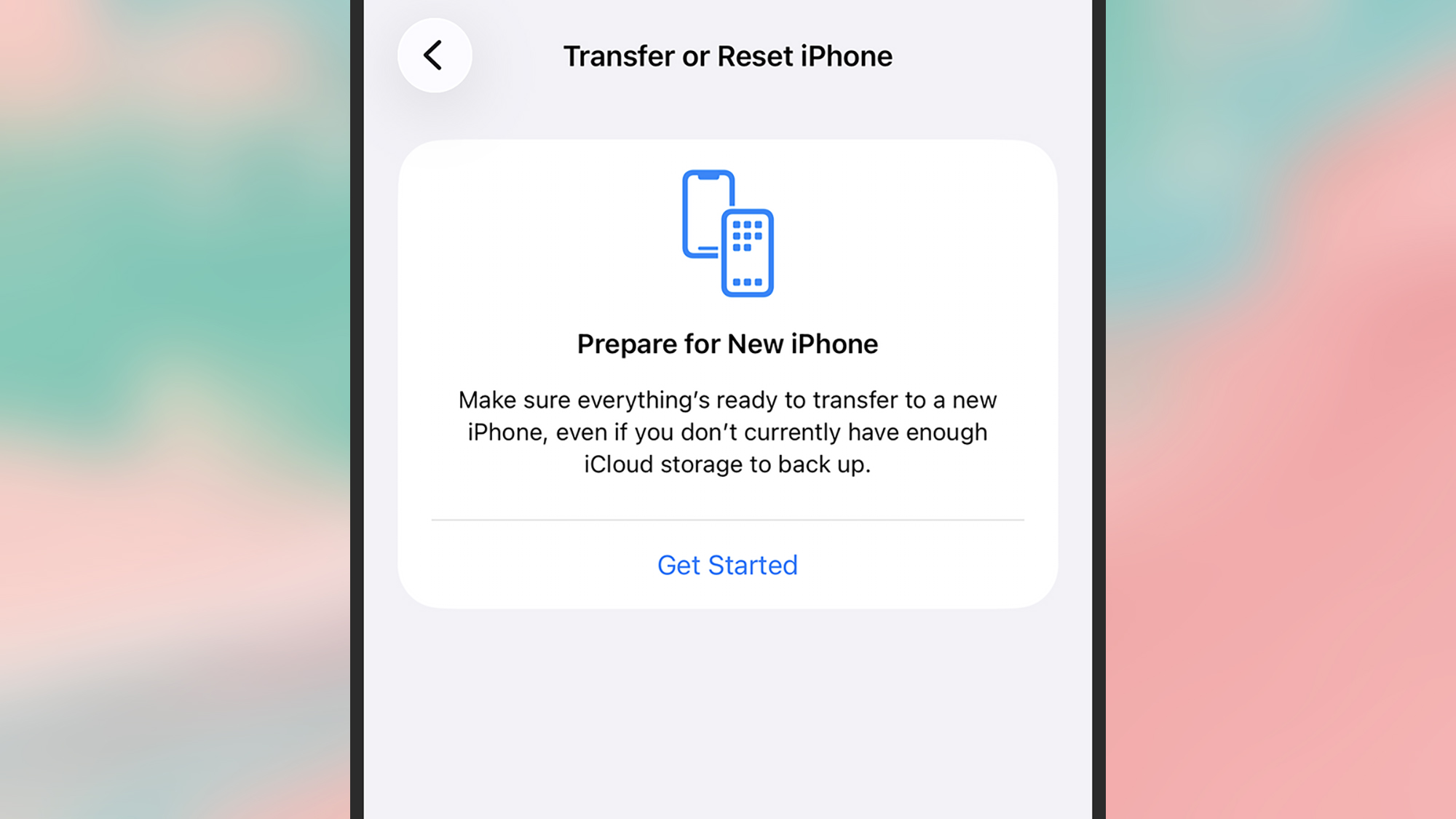
Furthermore, iOS 26.3 simplifies the migration from iOS to Android. Located within the "Transfer or Reset iPhone" menu, this update enhances the handshake protocol between an iPhone and an Android device. This move is widely viewed by industry analysts as a proactive response to international digital markets regulations, aimed at reducing "friction" for consumers who wish to switch hardware ecosystems.
On the aesthetic front, the update reorganizes the wallpaper selection interface. By categorizing "Weather" and "Astronomy" into dedicated sections, Apple has responded to user feedback regarding the clutter of the customization menu. This reorganization reflects a broader trend toward modular UI design, allowing users to navigate complex settings with greater speed.
Major Innovations in iOS 26.4: AI and Media
The release of iOS 26.4 is more ambitious, integrating third-party AI assistants directly into the CarPlay interface. For the first time, users can interact with Large Language Models (LLMs) such as Claude and ChatGPT via voice commands while driving. While these assistants cannot currently modify vehicle settings or core CarPlay configurations, they offer a significant upgrade over standard voice search for complex queries, creative brainstorming, or real-time information synthesis.
The Evolution of Apple Music and Podcasts
The entertainment apps within the Apple ecosystem received substantial upgrades in 26.4:
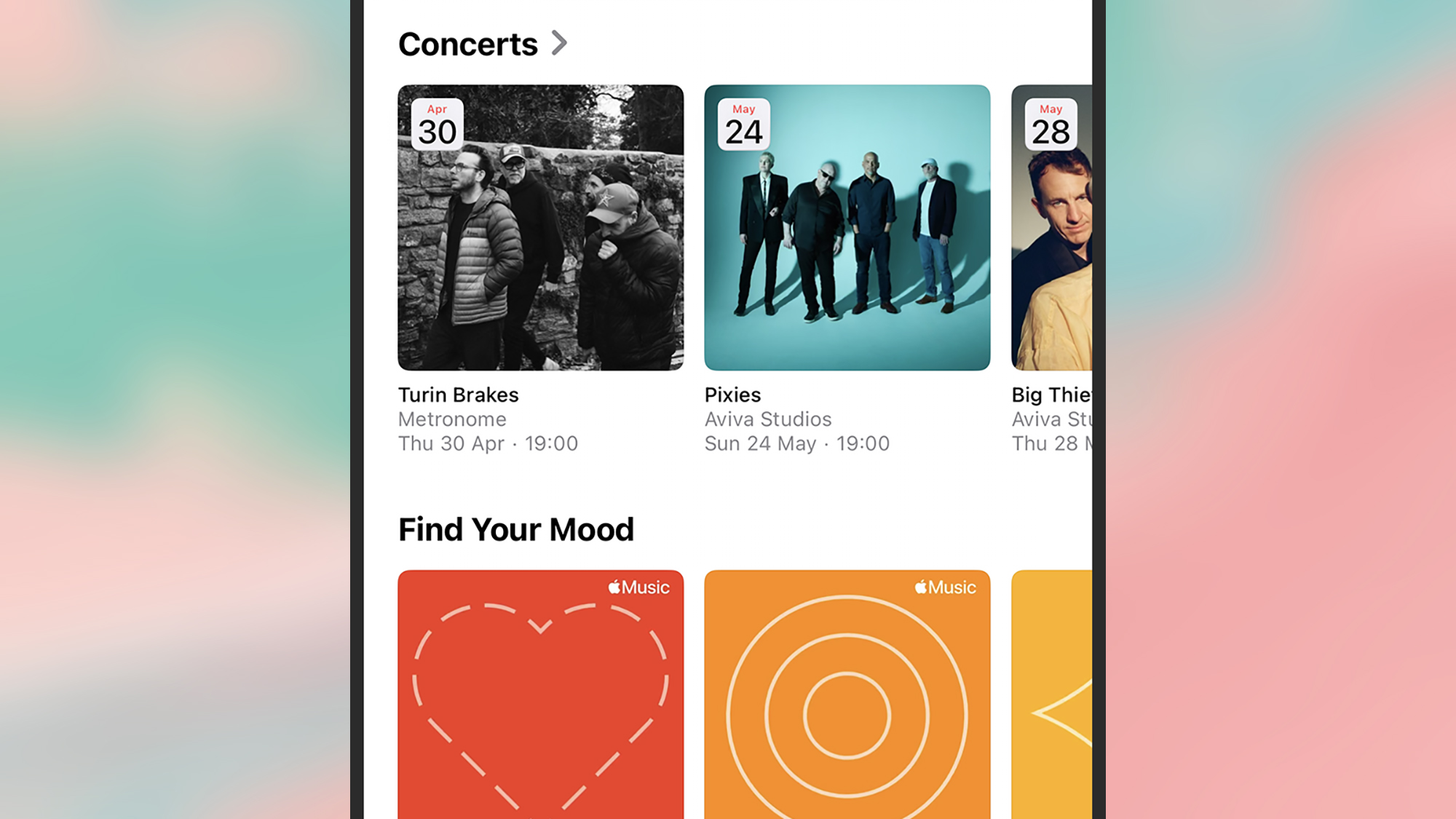
- Concerts Near You: Leveraging location services and listening history, Apple Music now features a dedicated section for local live performances. This integration with ticketing platforms and artist schedules represents Apple’s move to capture more of the "live experience" market.
- Playlist Playground: This AI-powered tool allows users to generate complex playlists using natural language prompts. By entering phrases like "upbeat jazz for a rainy afternoon" or "90s grunge for a workout," the system curates a selection based on mood, genre, and tempo.
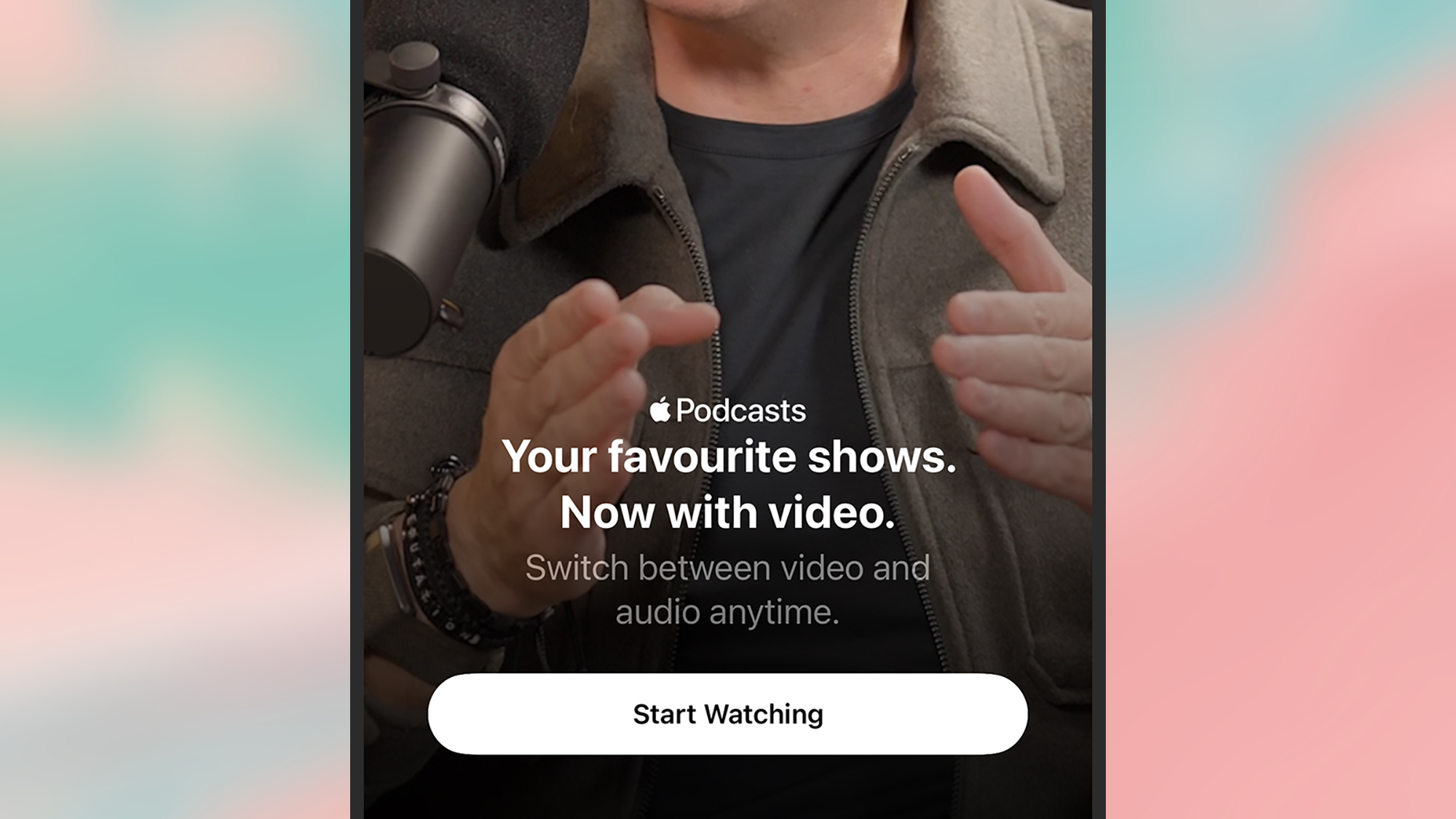
- Video Podcast Enhancements: Apple Podcasts has been updated to treat video content as a first-class citizen. Users can now toggle seamlessly between audio-only and video modes, adjust playback speeds for video, and download high-definition video episodes for offline viewing—a feature previously reserved for the TV app or third-party competitors.
Health and Productivity Refinements
The Health app now includes an "Average Bedtime" metric. While sleep tracking has been a staple of the Apple Watch, this new data point offers a longitudinal view of sleep hygiene, helping users identify variances in their routine. In the Reminders app, Apple has introduced a "Smart List" for items marked as "Urgent." This automated sorting ensures that time-sensitive tasks are prioritized at the top of the user’s dashboard, reducing the cognitive load of manual organization.
Supporting Data and Market Impact
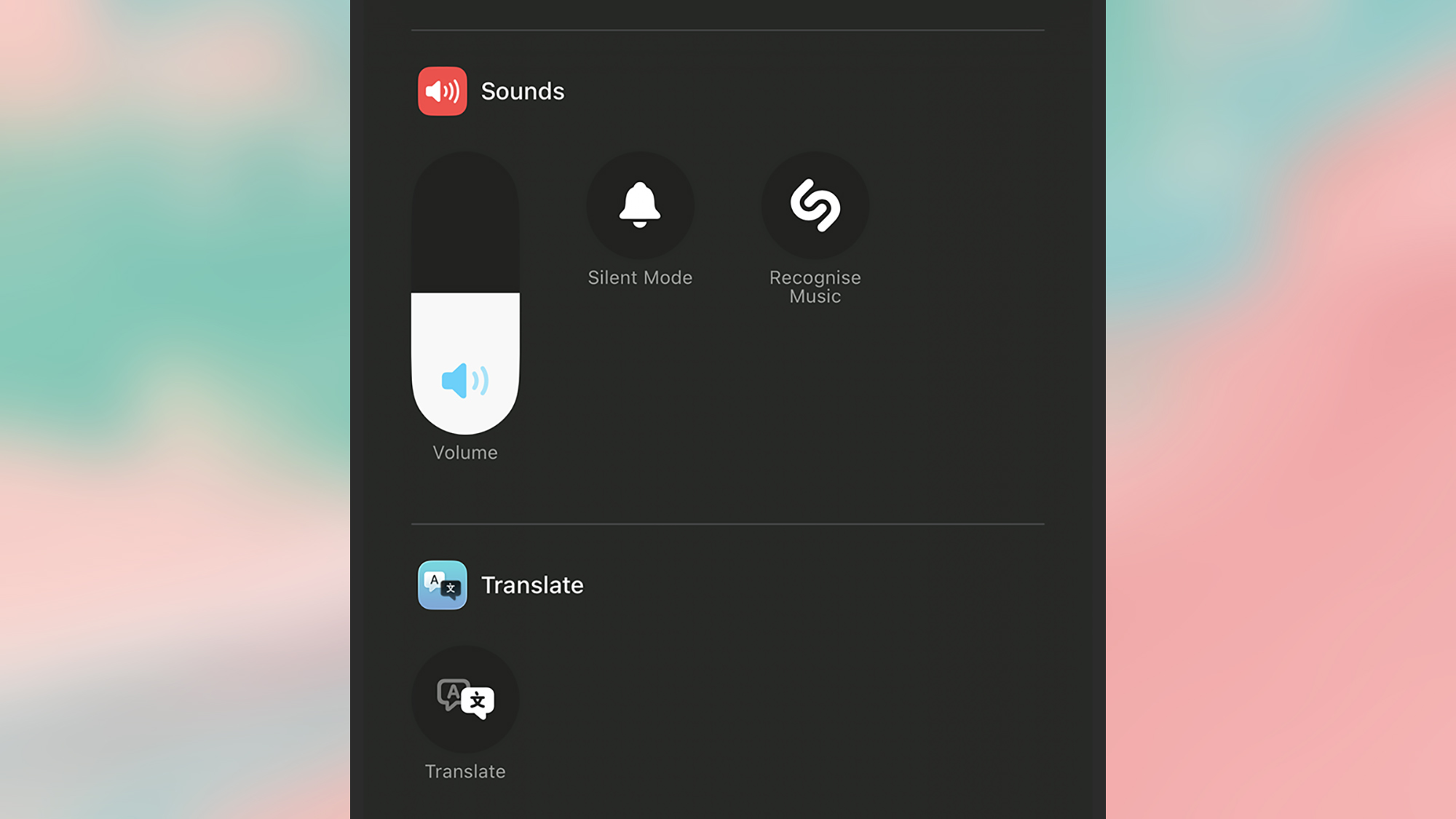
Market research suggests that iOS updates see a rapid adoption rate, with approximately 50% of eligible users installing "point updates" within the first three weeks of release. The inclusion of offline music recognition in iOS 26.4—where the device records a snippet of a song and identifies it once a connection is restored—addresses a long-standing pain point for users in low-connectivity areas.
Data from the International Data Corporation (IDC) indicates that the "switch rate" between mobile platforms has stabilized, but features like the Android transfer tool in iOS 26.3 could influence late-cycle upgrade decisions. Furthermore, the expansion of Family Sharing to allow separate payment methods for adult members addresses a significant logistical hurdle for multi-generational households, potentially increasing the adoption of shared service bundles.
Industry Reactions and Official Statements
While Apple typically maintains a "no comment" policy on future software iterations, company spokespeople have emphasized that these updates are part of a broader strategy to "make technology more personal and private." Privacy advocacy groups, such as the Electronic Frontier Foundation (EFF), have tentatively praised the carrier location limits, though they note that the effectiveness of the feature depends heavily on carrier cooperation.
Software developers have expressed enthusiasm for the "Playlist Playground" API, speculating that Apple may eventually allow third-party music apps to access similar on-device AI curation tools. Conversely, some automotive safety experts have raised questions about the cognitive distraction of interacting with LLMs like ChatGPT while driving, even if the interface is strictly voice-controlled.
Broader Implications for the Mobile Landscape
The dual release of iOS 26.3 and 26.4 signals a shift in Apple’s philosophy. The company is moving away from a model where the iPhone is a static tool and toward a model where it acts as an intelligent agent. By allowing third-party AI assistants into CarPlay and automating complex tasks like playlist creation and reminder prioritization, Apple is acknowledging that the future of mobile OS lies in proactive utility.
Additionally, the focus on "offline" capabilities—seen in the music recognition and podcast features—highlights a technical push to move more processing power to the device’s "Neural Engine." This not only improves performance but also aligns with Apple’s marketing narrative of "privacy through on-device processing."
As the industry prepares for the announcement of iOS 27, the 26.3 and 26.4 updates serve as a robust conclusion to a software cycle that has been defined by the most significant architectural changes in a decade. For the end-user, these updates represent a more refined, capable, and private device that is better equipped to handle the complexities of a modern, AI-integrated digital life.