


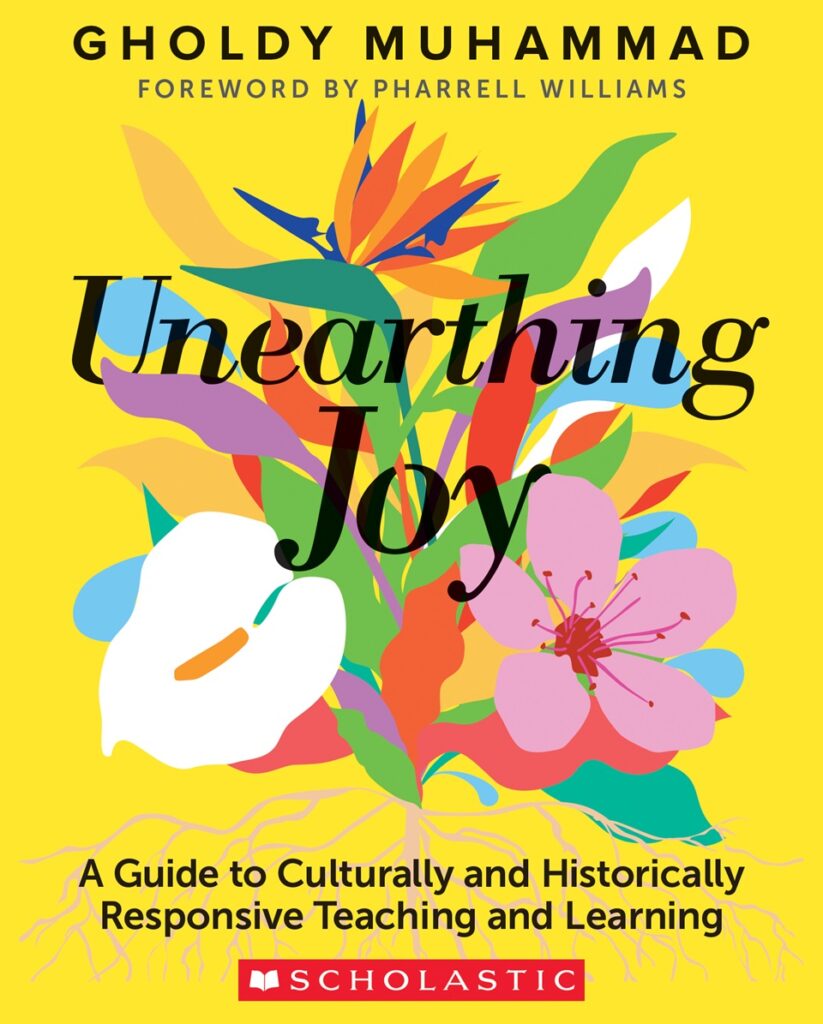
In an era marked by profound educational and societal turbulence, Dr. Gholdy Muhammad’s latest work emphasizes the critical, often overlooked, role of joy in teaching and learning. Her 2023 book, Unearthing Joy, introduces a fifth pursuit—joy—to her acclaimed Culturally and Historically Responsive Literacy framework, advocating for its intentional integration as a foundational element for student development and teacher sustainability. This development arrives at a particularly poignant moment, as educators grapple with unprecedented pressures, ranging from restrictive policies to the lingering impacts of a global pandemic, underscoring the necessity of humanizing educational experiences.
The Genesis of Joy: A Response to Global Upheaval
The integration of joy into Dr. Muhammad’s influential framework was not merely an academic refinement but a profound response to the collective trauma and introspection catalyzed by the COVID-19 pandemic and widespread social unrest. As Muhammad herself articulated, "Given the loss, the illness, the change, the shift, the confusion, and so much more in our country and the world, I thought to myself, wow, we need joy more than ever." Initially, joy was implicitly woven into her earlier work, Cultivating Genius (2020), which introduced the four core pursuits of Identity, Skills, Intellect, and Criticality. However, the intensity of recent years highlighted that joy could not be assumed; it demanded explicit cultivation.
This realization stemmed from a deeper understanding of joy, particularly as defined by Black ancestral wisdom, which transcends mere fleeting happiness or celebration. Muhammad posits joy as an embodied feeling intrinsically linked to the achievement of justice, a sense of belonging, safety, peace, wonder, imagination, laughter, creativity, and artistic expression. This expansive definition elevates joy from a pleasant byproduct to a fundamental human right and a powerful pedagogical tool, arguing that it is as vital as any academic standard in fostering meaningful learning. When joy is unearthed, students are provided with rich, memorable experiences that instill a sense of love, invigoration, and a profound somatic connection to learning, leading to genuine intellectual ascent.
Navigating a Treacherous Educational Landscape

The contemporary educational environment is undeniably fraught with challenges that threaten to erode the spirit of both educators and students. Reports from organizations like the National Education Association consistently highlight alarming rates of teacher burnout and attrition, exacerbated by factors such as underfunding, increasing workloads, and a perceived lack of autonomy. Furthermore, a growing wave of restrictive educational policies—often targeting curriculum content related to race, history, and gender identity—has created a climate of fear and uncertainty for many teachers. These policies not only limit pedagogical freedom but also directly impact the rights and sense of belonging for students and their families, particularly those from marginalized communities.
The shadow of post-COVID learning recovery, coupled with ongoing societal anxieties regarding violence and systemic inequalities, adds further layers of complexity. Many educators report feeling overwhelmed, demoralized, and questioning their long-term commitment to the profession. In such a climate, the notion of prioritizing "joy" might appear counterintuitive or even frivolous to some. However, as Dr. Muhammad and other resilience experts argue, fostering community and creating spaces for joy are not "extras" but essential survival strategies. They are mechanisms that build strength, enhance well-being, and fortify the capacity to resist oppressive forces.
Dr. Muhammad’s Expanded Framework: The Five Pursuits
Dr. Gholdy Muhammad, a distinguished scholar and professor at the University of Illinois Chicago, originally developed her Culturally and Historically Responsive Literacy (CHRL) framework to provide a more "humanizing and complete education for all students." This framework, detailed in Cultivating Genius, aimed to move beyond traditional skill-based approaches by focusing on four interwoven pursuits:
- Identity: Helping students understand themselves, their cultures, and their histories.
- Skills: Developing proficiency in reading, writing, speaking, and listening.
- Intellect: Fostering critical thinking, problem-solving, and analytical abilities.
- Criticality: Equipping students to understand and challenge power dynamics, injustice, and inequity in the world.
With the publication of Unearthing Joy in 2023, Muhammad strategically added Joy as the fifth pursuit. This expansion recognizes that sustained engagement, emotional well-being, and the capacity for resistance are profoundly intertwined with the experience of joy in learning. It underscores that an education truly dedicated to human flourishing must intentionally cultivate positive emotional states, recognizing them as catalysts for deeper learning and resilience rather than mere pleasantries.
Practical Strategies for Infusing Joy into the Classroom
Muhammad offers concrete, actionable strategies for educators seeking to integrate the pursuit of joy into their daily practice. These recommendations empower teachers to transform their classrooms into vibrant spaces where learning is not only effective but also deeply engaging and emotionally resonant.
-
Self-Reflection as Foundation: Before attempting to cultivate joy in students, Muhammad emphasizes that teachers must first examine their own relationship with all five pursuits: identity, skills, intellect, criticality, and joy. This introspective process allows educators to identify their personal connections and disconnections, understand their biases, and consciously model the values they wish to foster in their students. A teacher deeply rooted in their own sense of purpose and joy is better equipped to inspire it in others.
-
Embracing the Artist’s Mindset: Shifting from viewing curriculum as a rigid set of materials to seeing it as an artistic endeavor—storytelling, reflecting the world, leaving a legacy—can profoundly alter a teacher’s approach. This mindset encourages creativity, innovation, and a deeper sense of purpose in lesson design, transforming the educational process into an act of creation rather than mere delivery. Artists, by nature, craft timeless legacies, and this perspective empowers teachers to view their work with similar reverence and imaginative freedom.
-
Layering Multi-Modal Texts: Recognizing that a single textbook rarely addresses all five pursuits comprehensively, Muhammad advocates for a "layering" approach to texts. This involves incorporating diverse, short, powerful, and multi-modal resources such as videos, songs, memes, and even physical objects as "texts." For example, using architectural tools in a unit on architecture allows students to engage with the subject matter through multiple sensory and intellectual pathways, fostering deeper understanding and greater interest. This varied textual diet ensures that learning experiences are rich, relevant, and engaging for a wider range of learners.
-
The "Student Spark": Igniting Engagement: The initial minutes of any lesson are crucial for setting the tone and capturing student interest. Muhammad calls this the "student spark"—the intentional effort to ignite curiosity and demonstrate the purpose of learning. This isn’t just about joyful interest but also intellectual curiosity, addressing the common student question: "Why am I learning this?" An effective spark can transform a mundane topic into an intriguing exploration, fostering a sense of wonder and intellectual engagement from the outset.
-
Intentional Classroom Decor: Beyond mere aesthetics, classroom decor can be a powerful pedagogical tool. Muhammad challenges educators to move beyond simply filling wall space and instead use the environment to reflect and reinforce the five pursuits. This means consciously selecting visuals, colors, and representations that elicit skills, intellect, criticality, justice, and joy. Displaying images of living scholars and diverse figures, showcasing student work that reflects creativity and critical thought, and maintaining an organized, clean space all contribute to a joy-giving and intellectually stimulating environment. The materials chosen for the classroom should also be evaluated for their capacity to inspire and engage.

-
Rich, Collaborative Learning Experiences: Muhammad strongly advocates for moving away from passive, worksheet-driven instruction towards dynamic, collaborative learning experiences. These enriched, memorable activities encourage students to creatively utilize their genius and joy in collective problem-solving and exploration. Collaborative projects not only enhance social-emotional skills but also allow students to approach learning from diverse perspectives, fostering a sense of shared discovery and mutual support, which are inherently joy-inducing.
Joy as Resistance: A Call to Courage
In a world often characterized by division and despair, Dr. Muhammad’s articulation of joy transcends personal well-being to become a potent act of courage and a form of resistance. She powerfully asserts, "It’s the joy that’s going to keep us going, keep us waking up, keep us fighting. Joy is what lets us stay present, care for ourselves, and give our best to students, even when fear is trying to take over." This perspective recontextualizes joy not as an escape from hardship, but as the very fuel for resilience and sustained advocacy.
Drawing upon historical precedent, Muhammad reminds educators that current challenges—such as book banning, restrictive policies, and systemic injustices—are not new. Throughout history, marginalized communities have harnessed joy, community, and cultural expression as essential tools for survival and resistance against oppressive forces. By remembering the resilience of ancestors, educators can find hope and draw strength from the knowledge that humanity has overcome similar trials before.
Muhammad’s message is clear: maintaining one’s joy, acting with kindness and love, and upholding humane values are not only acts of personal integrity but also powerful forms of public resistance. Even when met with apathy or opposition, continuing to embody these principles can inspire others and, crucially, protect one’s own well-being. Setting boundaries against toxic environments and prioritizing personal health become integral components of this sustained resistance.
The Future: The Genius & Joy Curriculum
Looking ahead, Dr. Gholdy Muhammad’s commitment to her vision is further solidified with her newest project: the Genius & Joy curriculum. Developed in collaboration with a group she affectionately terms the "Genius Garden," this comprehensive K–5 curriculum is slated for release in Fall 2026. It promises to be a groundbreaking resource, offering six two-week units per grade level, meticulously aligned with ELA standards and featuring connections to other subject areas.
Key components of the Genius & Joy curriculum include multicultural anchor texts, student journals explicitly designed to engage with the five pursuits, parent letters to foster home-school connections, and practical guidance for localizing each unit to reflect community-specific contexts. The curriculum themes—identity, community & cultural diversity, environmental design, creativity and art, activism, and building the future—are designed to cultivate critical thinking, cultural awareness, and a deep sense of purpose from an early age. This initiative represents a significant step towards institutionalizing the intentional pursuit of joy and culturally responsive education, offering a concrete pathway for schools to implement Muhammad’s transformative framework on a broad scale.
Implications and Broader Impact
The work of Dr. Gholdy Muhammad carries profound implications for the future of education. By foregrounding joy, she challenges conventional, often deficit-based, approaches to teaching and learning, advocating for a more holistic, human-centered paradigm. This shift has the potential to:
- Enhance Student Well-being and Engagement: When learning is imbued with joy, students are more likely to be intrinsically motivated, experience reduced stress, and develop a positive self-concept, leading to improved academic outcomes and lifelong love for learning.
- Improve Teacher Retention and Morale: By empowering teachers to find and cultivate joy in their profession, Muhammad’s framework offers a vital antidote to burnout, fostering a sense of purpose and efficacy that can help retain experienced educators and attract new talent.
- Advance Educational Equity: The intentional focus on identity, criticality, and joy within a culturally and historically responsive framework directly addresses systemic inequities, ensuring that all students, especially those from historically marginalized backgrounds, experience an education that affirms their humanity and potential.
- Foster Resilient Communities: Education that cultivates joy, justice, and critical thinking equips future generations with the emotional fortitude and intellectual tools needed to navigate complex societal challenges and contribute to a more just and equitable world.
In an era demanding both academic rigor and emotional resilience, Dr. Gholdy Muhammad’s unwavering emphasis on joy stands as a beacon of hope and a powerful call to action. It reminds the educational community that true learning is not merely the acquisition of facts, but a transformative journey enriched by wonder, belonging, and the enduring power of human spirit.