

The consumer electronics market for portable energy solutions has reached a significant milestone as EcoFlow, a leader in the portable power industry, announced its deepest discounts of the year in conjunction with Amazon’s Big Spring Sale. This retail event, which serves as a strategic bridge between the traditional holiday shopping season and the mid-year Prime Day festivities, features price reductions of up to 55% on flagship products, including the DELTA and RIVER series. As homeowners and outdoor enthusiasts increasingly seek energy independence amid rising utility costs and concerns over grid stability, the sale represents a substantial shift in the accessibility of high-capacity Lithium Iron Phosphate (LiFePO4) technology.
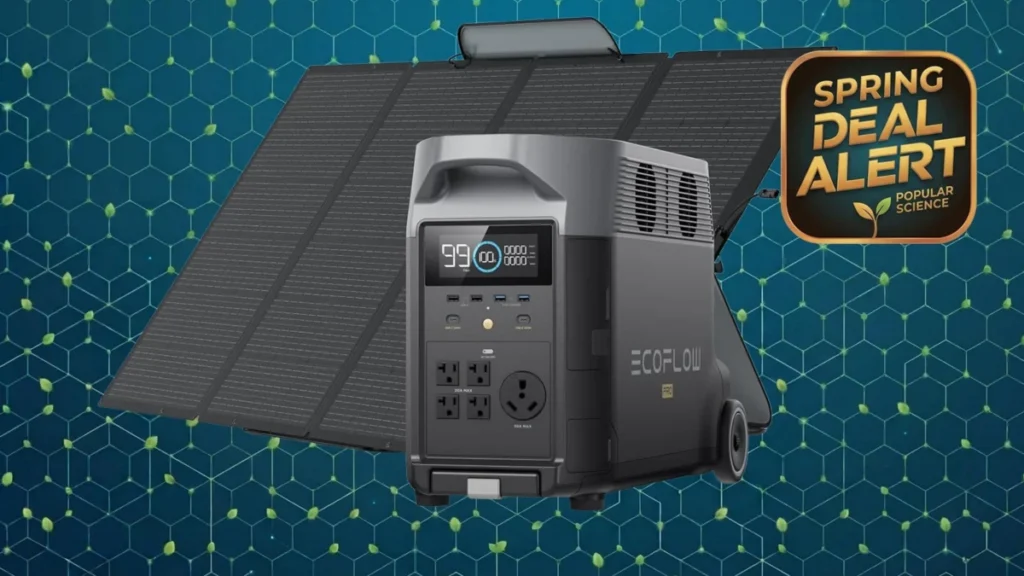
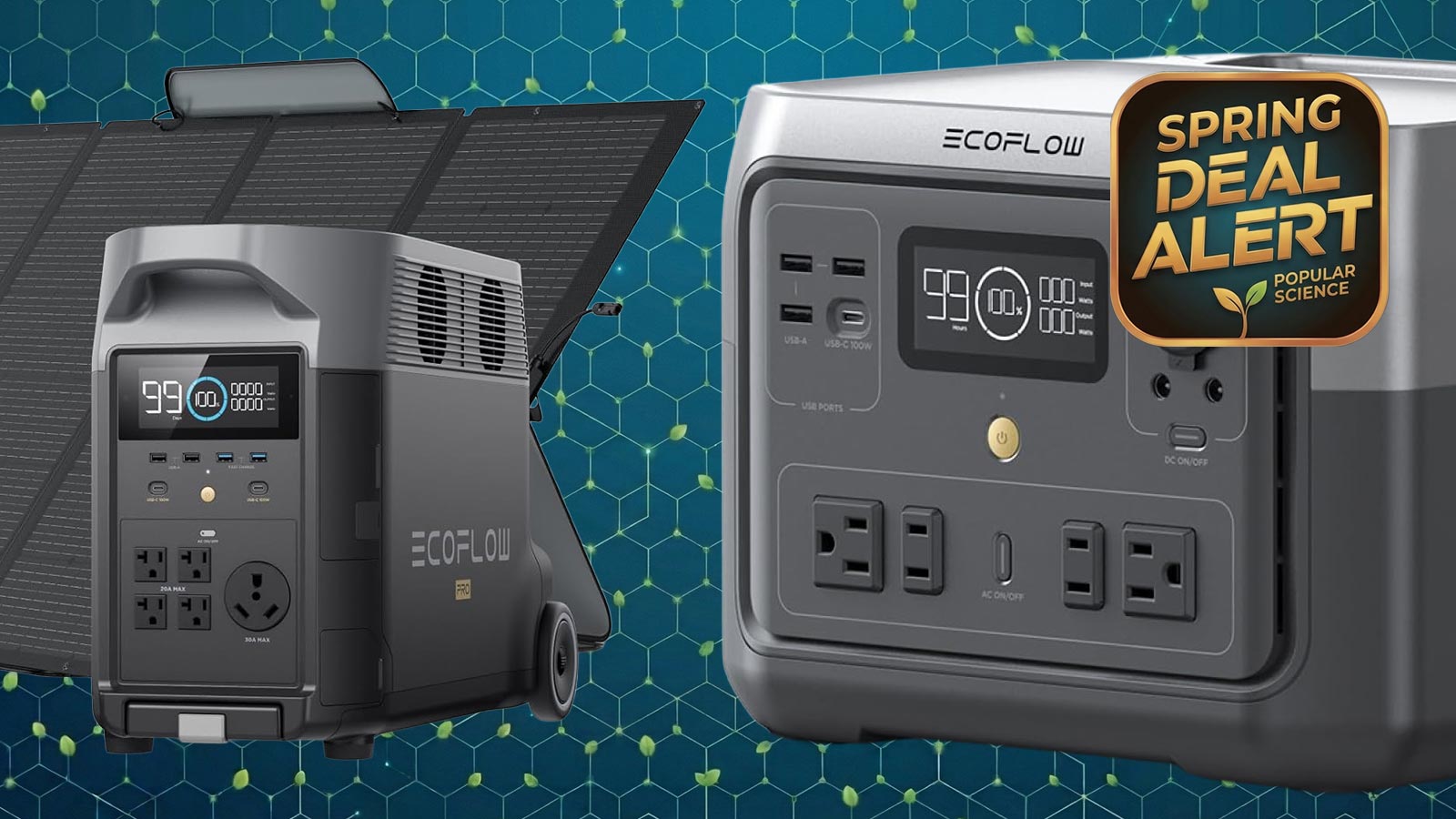
Among the most notable offers is the EcoFlow DELTA Pro, bundled with a 400W solar panel, which has seen its price slashed from an MSRP of $3,999 to $1,804.05. This 55% reduction marks one of the lowest price points in the history of the product line. Similarly, the entry-level River 2 Max 500Wh station is currently positioned at $255.55, a 43% decrease from its standard retail price, while the high-capacity DELTA 3 Max 2048Wh is available for $749, reflecting a 38% discount. These price adjustments come at a time when the portable power station market is experiencing rapid growth, driven by technological advancements in battery chemistry and a global trend toward decentralized energy systems.
Context and Chronology of the Big Spring Sale
The Big Spring Sale is a relatively new fixture in the e-commerce calendar, designed to capitalize on the seasonal transition as consumers prepare for outdoor activities, spring cleaning, and emergency preparedness for the upcoming storm seasons. For EcoFlow, a company founded in 2017 by a group of drone engineers, these sales events are critical for maintaining market share against competitors such as Jackery, Bluetti, and Anker.
EcoFlow’s trajectory from a crowdfunding success to a dominant player in the energy sector has been defined by its focus on fast-charging technology and ecosystem integration. The current sale highlights the company’s transition toward "Whole-Home Backup" solutions, moving beyond simple portable chargers for camping into the realm of domestic infrastructure. The chronology of EcoFlow’s product releases suggests that these deep discounts may also serve to clear inventory in anticipation of next-generation hardware updates, a common strategy in the high-tech hardware sector.
Technical Analysis of Flagship Offerings
The centerpieces of the current sale represent two distinct tiers of energy needs: the professional-grade home backup and the portable recreational unit.
The DELTA Pro and the 400W Solar Ecosystem
The DELTA Pro remains the cornerstone of EcoFlow’s professional lineup. With a base capacity of 3,600Wh and an AC output of 3,600W, the unit is capable of powering heavy-duty appliances, including air conditioners, well pumps, and medical equipment. Its integration with a 400W solar panel in the current sale package creates a self-sustaining energy loop. The panel itself features an IP68 waterproof rating and utilizes a foldable design with a kickstand, allowing for optimal solar tracking throughout the day.
One of the DELTA Pro’s most significant technical advantages is its expandability. Through the use of extra batteries and Smart Generators, the system can be scaled to a total capacity of 25kWh. This makes it a viable alternative to permanent, installed home battery systems like the Tesla Powerwall, but with the added benefit of portability. In a journalistic analysis of value, the drop to $1,804.05 for this bundle is unprecedented, as the combo rarely fell below the $2,500 threshold in previous fiscal quarters.
The RIVER 2 Max and Entry-Level Accessibility
For the casual consumer, the RIVER 2 Max serves as a gateway into the portable power market. Priced at $255.55 during the sale, it offers a 500Wh capacity and up to 1,000W AC output. This is sufficient to maintain small appliances such as mini-fridges, CPAP machines, and essential communication devices during short-term outages or weekend camping trips.
The technical highlight of the RIVER series is the implementation of LiFePO4 (Lithium Iron Phosphate) battery chemistry. Unlike older Lithium-ion batteries, LiFePO4 cells are rated for over 3,000 charge cycles before reaching 80% capacity. In practical terms, this allows for a decade of regular use. Furthermore, EcoFlow’s proprietary X-Stream technology enables the RIVER 2 Max to charge from 0% to 100% via a standard AC outlet in approximately 60 minutes, addressing one of the primary pain points of portable power: long recharge durations.
Market Trends and Supporting Data
The aggressive pricing seen in the Big Spring Sale is reflective of broader trends in the global portable power station market. According to industry reports, the market is projected to grow at a compound annual growth rate (CAGR) of over 8% through 2030. This growth is fueled by several data-backed factors:
- Grid Vulnerability: Data from the U.S. Energy Information Administration (EIA) indicates an increase in the frequency and duration of power interruptions due to extreme weather events. This has shifted consumer perception of portable power stations from "luxury outdoor gear" to "essential home safety equipment."
- The "Van Life" and Remote Work Boom: The rise of digital nomadism has increased demand for reliable, high-wattage power sources that can be recharged via solar energy.
- Cost of Lithium: Fluctuations in the global cost of lithium and improved manufacturing efficiencies have allowed companies like EcoFlow to lower their price floors while maintaining profit margins on high-volume sales.
The 55% discount on the DELTA Pro bundle suggests a strategic move to capture the "middle-market" consumer who was previously priced out of high-capacity systems. By lowering the barrier to entry, EcoFlow is effectively building a user base that is likely to remain within its ecosystem for future accessory and battery expansion purchases.
Implications for Energy Independence and Sustainability
The proliferation of solar generators through events like the Big Spring Sale has significant implications for individual energy sustainability. Unlike traditional gas-powered generators, solar generators produce zero emissions and operate silently. This makes them suitable for use inside homes and apartments, where gas generators pose a lethal carbon monoxide risk.
The inclusion of high-efficiency solar panels in these deals facilitates a shift toward "off-grid" living. The 400W panels included in the flagship deals utilize monocrystalline silicon cells, which offer higher conversion rates even in overcast conditions. This technology, combined with the MPPT (Maximum Power Point Tracking) controllers found in EcoFlow stations, ensures that the maximum amount of solar energy is harvested and stored, regardless of environmental fluctuations.
Professional and Industry Reactions
While official statements from EcoFlow executives regarding the specific margins of the Big Spring Sale are generally reserved for investor briefings, industry analysts suggest that this level of discounting is a response to an increasingly crowded marketplace. The entry of legacy tool brands and electronics giants into the power station space has forced specialized firms to compete on both price and technological innovation.
Retail analysts note that EcoFlow’s decision to offer these deals through Amazon’s platform leverages the "halo effect" of the Big Spring Sale. By appearing alongside household essentials and spring hardware, portable power stations are being repositioned as mainstream consumer electronics rather than niche technical equipment.
Broader Impact and Future Outlook
As the Big Spring Sale continues, the impact on the consumer landscape is likely to be twofold. First, it establishes a new "value ceiling" for what consumers expect to pay for watt-hours of storage. When a 3,600Wh system drops below $2,000, it puts immense pressure on competitors to justify higher price points through either superior service or advanced features.
Second, the mass adoption of these units contributes to a more resilient distributed energy network. In regions prone to wildfires, hurricanes, or winter storms, a high density of residential battery storage can alleviate the strain on emergency services and provide individuals with the means to maintain climate control and communication during extended blackouts.
In conclusion, the EcoFlow Big Spring Sale is more than a simple retail event; it is a data point in the ongoing transition toward portable, renewable energy. The deep discounts on the DELTA and RIVER series provide a clear indication that the technology has moved into a more mature, accessible phase of its lifecycle. For the consumer, the availability of professional-grade backup power at nearly half its original cost represents a significant opportunity to invest in long-term energy security. As battery technology continues to evolve and solar efficiency improves, the precedents set during this sale may become the new standard for the industry.