



The historical narrative surrounding the women of ancient Egypt’s royal courts has long been dominated by images of passive elegance, religious devotion, and domestic influence. However, a groundbreaking study published in the journal Frontiers in Environmental Archaeology is challenging these traditional archetypes. Through a meticulous bioarchaeological analysis of mummified remains from the Middle Kingdom, researchers have determined that high-ranking royal women were not merely ceremonial figures but were active participants in physically demanding and potentially combative activities, including archery and hunting. This discovery, centered on the daughters of Pharaoh Amenemhat II, provides the first tangible skeletal evidence that Egyptian princesses were trained to wield weapons with a level of proficiency previously attributed almost exclusively to men.
The Dahshur Necropolis and the Lost Mummies of the 12th Dynasty
The focus of this research lies within the funerary complex of Dahshur, a significant archaeological site located on the west bank of the Nile, known for its iconic pyramids, including the Bent Pyramid and the Red Pyramid. During the late 19th century, excavations led by French archaeologist Jacques de Morgan uncovered a series of underground burial chambers beneath the pyramid of Amenemhat II, the third ruler of the 12th Dynasty, who reigned roughly between 1911 and 1877 BCE.
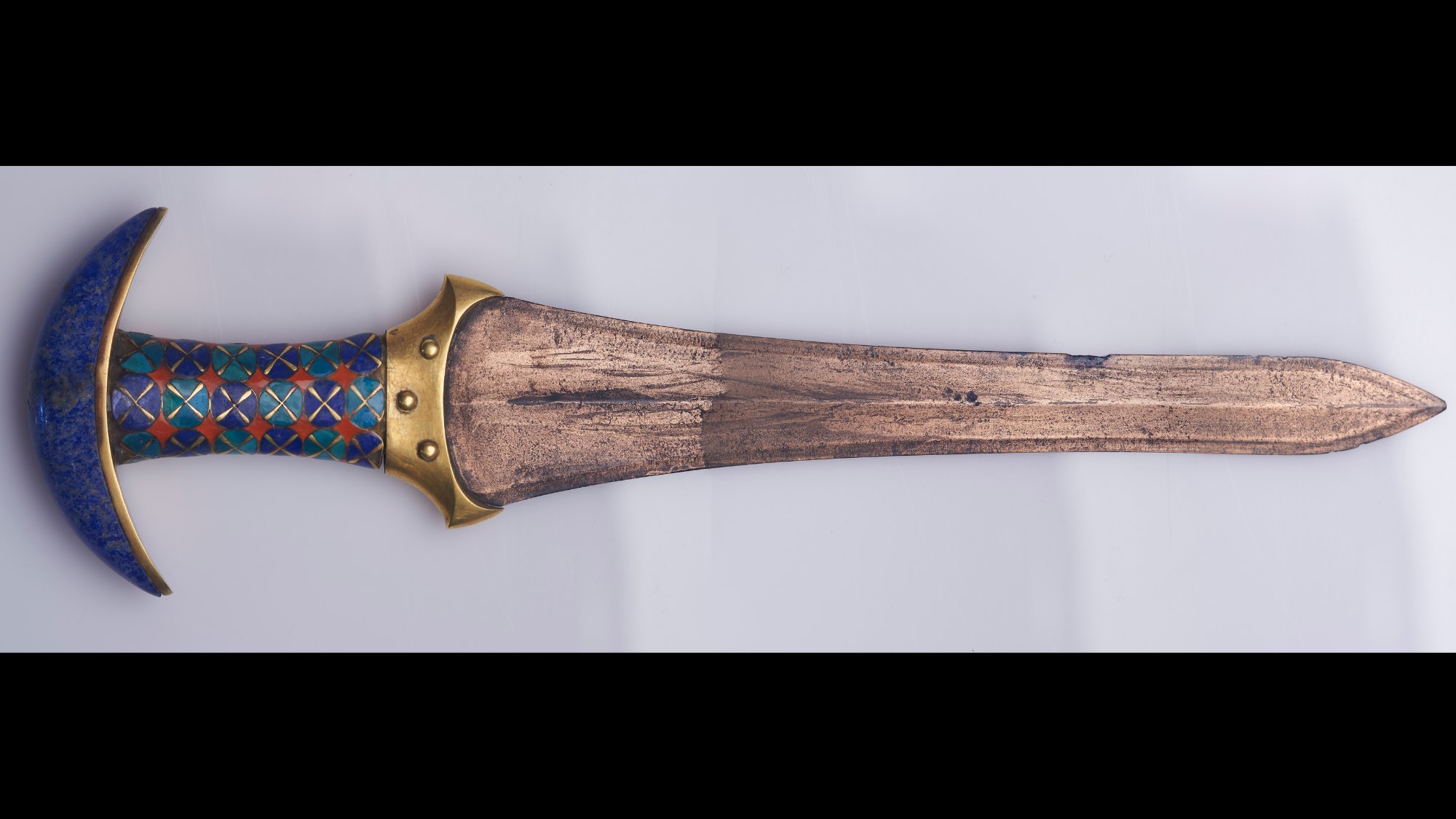
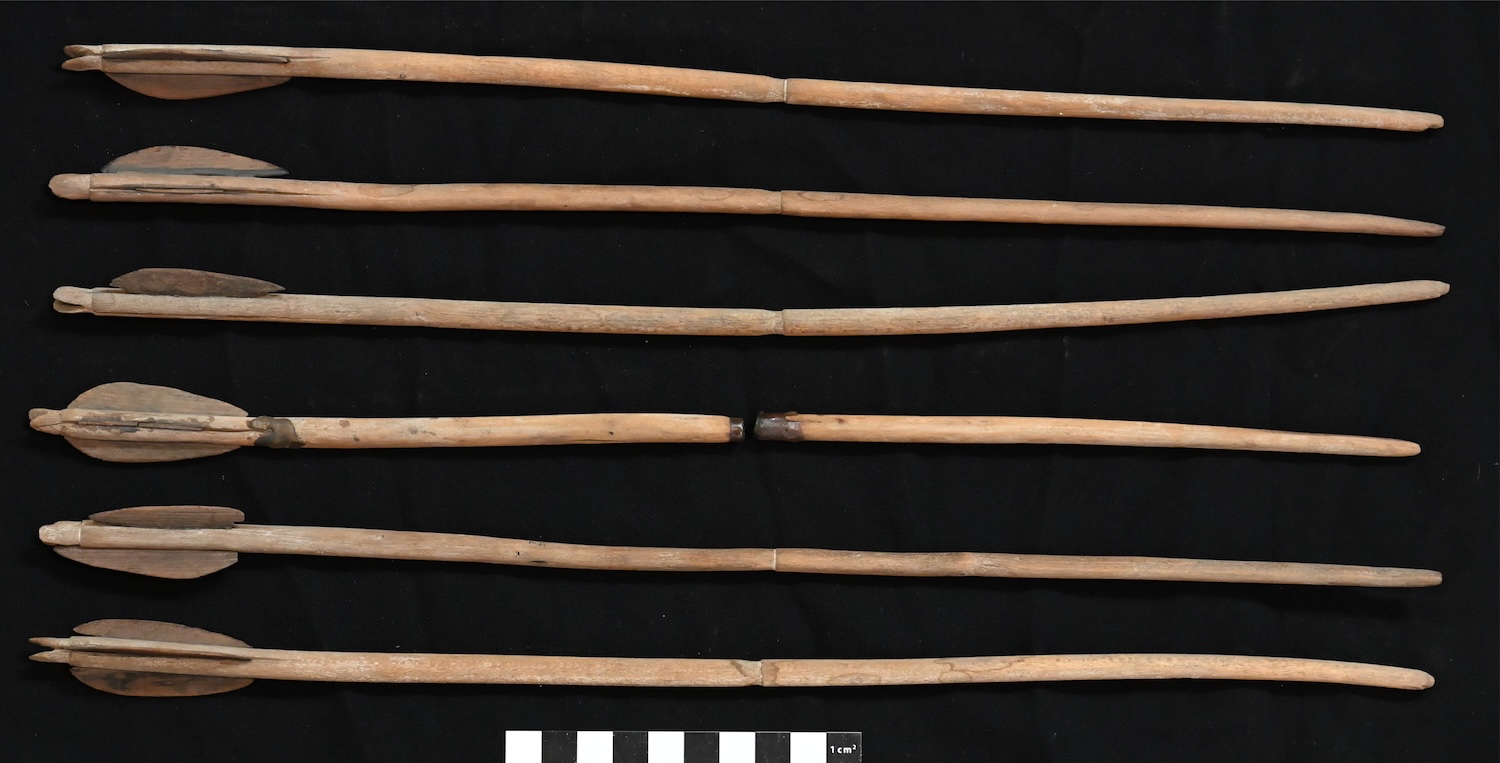
Inside these chambers, de Morgan discovered the remains of several royal women, including Princesses Ita, Khenmet, Itaweret, and a fourth woman believed to be their sister, Sathathormeryt. Accompanying these women were some of the most exquisite examples of Middle Kingdom jewelry ever found, but more curiously, the tombs also contained a variety of weapons. Princess Ita was buried with an ornate bronze dagger featuring a handle inlaid with gold and lapis lazuli, while other chambers contained bows, arrows, and maces. At the time, many Egyptologists dismissed these items as symbolic or protective talismans intended for the afterlife rather than tools used during the women’s lifetimes.
Following their excavation, the mummies were moved to the Egyptian Museum in Cairo. Over the decades, amidst the vast influx of artifacts, the specific skeletal remains of these princesses were largely overlooked and eventually considered "lost" to the archives. It was not until a 2020 curation and documentation project that the mummies were rediscovered, providing Zeinab Hashesh, an archaeologist at Egypt’s Beni-Suef University, and her team the opportunity to apply modern forensic techniques to these 4,000-year-old remains.
Bioarchaeological Methodology: Reading the Bones
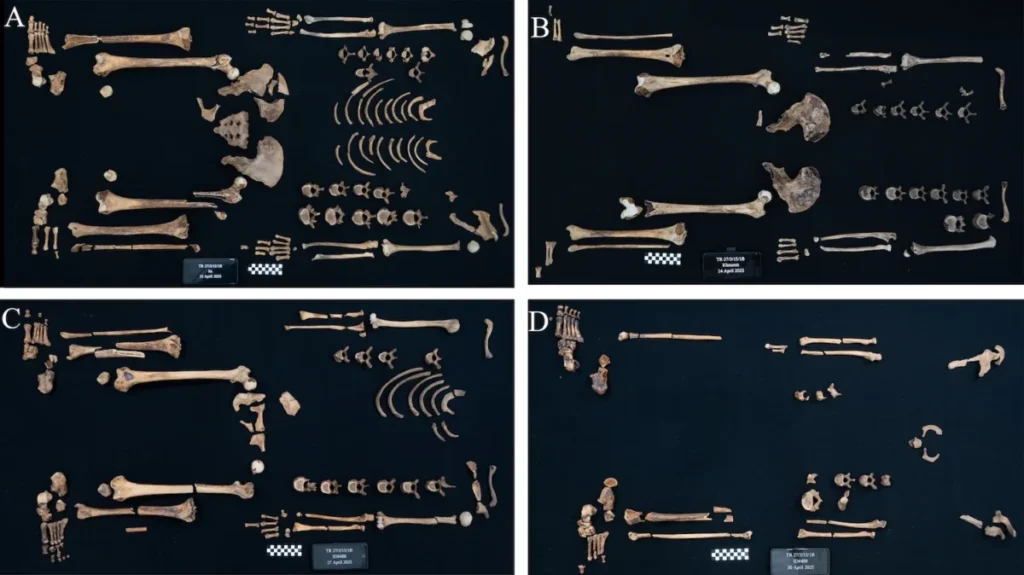
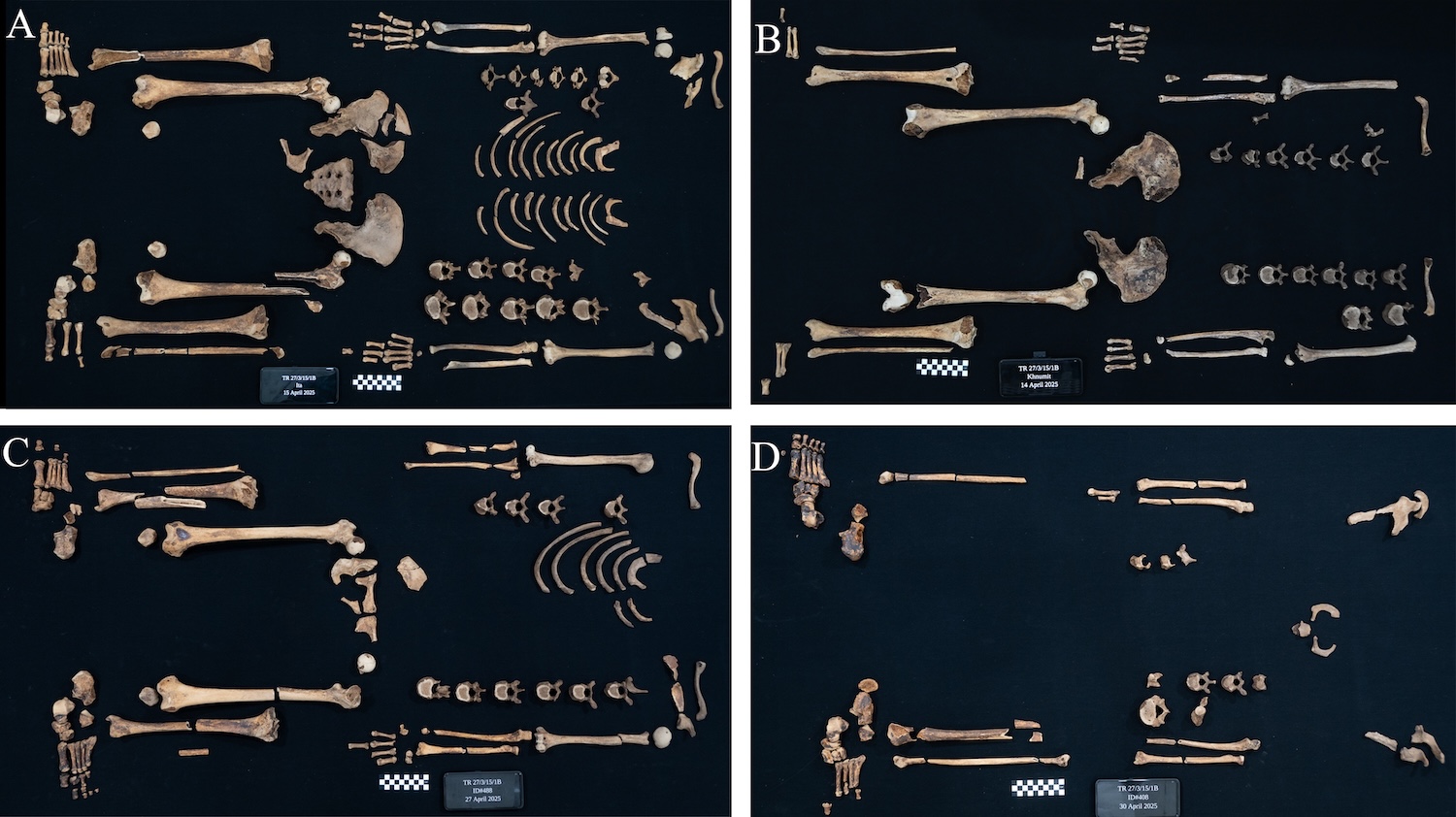
The research team faced significant challenges, as the soft tissue of the mummies had long since disintegrated into powder, and several key skeletal elements, including the skulls, were missing. Despite these limitations, the remaining postcranial skeletons—comprising long bones, ribs, and vertebrae—offered a wealth of data. The researchers utilized osteological analysis to determine age, sex, and stature, but the most critical insights came from the study of musculoskeletal stress markers (MSM).
MSMs are distinct markings or alterations at the sites where muscles and ligaments attach to the bone (entheses). When a person engages in repetitive, high-intensity physical activity, the bones adapt by increasing the surface area and ruggedness of these attachment points. By analyzing the development of the humerus (upper arm), radius (forearm), and scapula (shoulder blade), the team could reconstruct the habitual physical movements of the princesses.
Profiles of the Warrior Princesses
The analysis revealed that three of the sisters exhibited physical developments consistent with specialized training in weaponry.
Princess Ita: The Mace and Dagger Specialist
Princess Ita, estimated to have been between 28 and 34 years old at the time of her death, showed remarkable upper-body development. Her skeletal remains featured robust muscle attachment sites in the shoulders and arms, particularly in the areas associated with gripping and swinging. According to Dr. Hashesh, these markers suggest that Ita habitually used weapons that required significant forearm strength and shoulder stability, such as maces or daggers. The presence of a highly functional, well-balanced dagger in her tomb reinforces the conclusion that she was trained in its use.
Princess Itaweret: The Archer
The skeletal remains of Itaweret, who died between the ages of 20 and 34, provided clear evidence of archery. The researchers noted specific asymmetries in her upper limbs, a common find in skilled archers who must exert immense force to pull a bowstring (the "draw" arm) while stabilizing the bow with the other (the "bow" arm). The repetitive strain of drawing a composite bow, which was a technologically advanced weapon of the Middle Kingdom, leaves distinct markers on the clavicle and humerus. Itaweret’s bones matched the profile of a practiced bowwoman.
Princess Khenmet: Strength and Resilience
Princess Khenmet, the oldest of the group, died in her late 30s or early 40s. While her bones showed signs of age-related thinning, her ligament and muscle attachments remained exceptionally strong. This suggests a lifetime of physical activity that maintained her muscular integrity even as her bone density began to decline.
Trauma and Medical Care in the Royal Court
The study did not only find evidence of strength but also of the risks associated with an active lifestyle. Princess Itaweret’s skeleton revealed multiple healed fractures, including injuries to her ribs and a foot. In a modern context, these might be seen as sports injuries; in the Middle Kingdom, they likely resulted from hunting accidents or rigorous training exercises.
Crucially, the fractures showed signs of excellent healing and proper alignment. "What is remarkable is that the injuries healed well, which suggests they had access to advanced medical care for their time," Hashesh noted. The Middle Kingdom is known for its medical papyri, which detail the use of splints, bandages, and honey-based ointments to treat trauma. The princesses’ recovery indicates that the royal house invested heavily in the health and rehabilitation of its female members, further suggesting their roles were valued beyond the domestic sphere.
Contextualizing Women in Middle Kingdom Warfare and Sport
To understand why these princesses were trained in combat and hunting, historians point to the cultural shift of the 12th Dynasty. This era was a "Golden Age" of literature and art, but it was also a period of consolidation of power. Hunting, particularly of desert game or dangerous animals like lions and hippopotami, was a ritualized activity for the Egyptian elite. It was a demonstration of Ma’at—the Egyptian concept of order—triumphing over the chaos of the wild.
While previous records primarily depicted pharaohs in these roles, the skeletal evidence from Dahshur suggests that royal daughters were also expected to embody this strength. Training in archery and the use of the dagger may have served multiple purposes:
- Ritual Participation: Princesses likely joined their fathers and brothers in royal hunts, which were essential social and religious events.
- Self-Defense: During the Middle Kingdom, the royal family often traveled to oversee mining expeditions or military outposts. The ability to defend oneself would have been a practical necessity.
- Symbolic Leadership: By mastering the tools of the warrior, princesses reinforced the image of a powerful and capable ruling dynasty.
Chronology of Discovery and Analysis
The timeline of these findings spans over a century of archaeological evolution:
- 1894–1895: Jacques de Morgan excavates the princess gallery at Dahshur, discovering the tombs of Ita, Khenmet, and Itaweret.
- Early 20th Century: The mummies are transported to the Egyptian Museum; weapons found in the tombs are cataloged but largely viewed as symbolic.
- Mid-20th Century: The mummies are moved into deep storage and their specific location becomes obscured in museum records.
- 2020: A museum-wide initiative to document "forgotten" remains leads to the rediscovery of the Dahshur princesses.
- 2021–2023: Dr. Zeinab Hashesh and her team conduct physical examinations and comparative MSM analysis.
- July 2024: The study is published, officially linking the skeletal markers to the weapons found in the 19th century.
Broader Implications for Egyptology
The Dahshur study is part of a growing movement in archaeology to re-examine gender roles through biological data rather than relying solely on artistic representations, which were often dictated by strict stylistic conventions. If royal women were trained as archers and warriors, it necessitates a re-evaluation of other female burials across Egypt where weapons may have been dismissed as "votive offerings."
Furthermore, the study highlighted a darker side of royal life. The princesses shared rare congenital spinal conditions, including fused vertebrae. This is a clear indicator of endogamy—the practice of marrying within the family to preserve the "divine" bloodline. While this practice consolidated power, it also resulted in genetic vulnerabilities and nutritional deficiencies, which were also noted in the princesses’ remains despite their high status.
Conclusion and Future Research
The rediscovery of the Dahshur princesses has provided a rare bridge between archaeological artifacts and biological reality. The ornate dagger of Princess Ita is no longer just a masterpiece of Middle Kingdom jewelry; it is a weapon that was gripped, swung, and mastered by a woman 4,000 years ago.
The research team hopes to expand their investigation if the missing skulls are ever located, as dental analysis and stable isotope testing could provide more specific details regarding their diet and exact geographical upbringing. For now, the work of Dr. Hashesh and her colleagues stands as a testament to the complex, multifaceted lives of ancient Egyptian women. As Hashesh concluded, "Our dream would be to go far beyond simply identifying the Dahshur royals. We would try to tell their full life stories, their families, health, and even their political roles, with as much detail as possible." This study marks a definitive step toward that goal, proving that in the shadows of the pyramids, princesses were as much at home with the bow as they were with the scepter.