



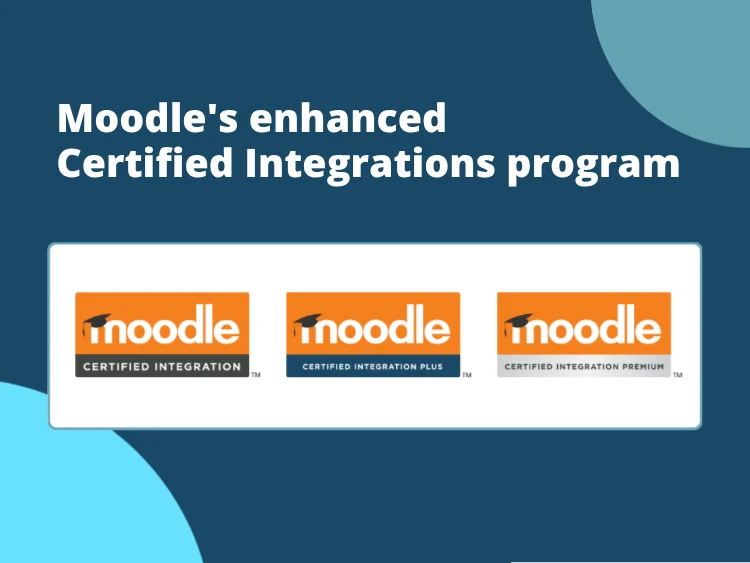
Moodle, the world’s most widely used open-source learning platform, has officially unveiled an invigorated Certified Integrations program, a strategic initiative designed to empower educational institutions and organizations by providing a curated selection of trusted third-party tools. This enhanced program introduces a new cohort of vetted integrations, a refined tier structure, and a strengthened commitment to ensuring seamless compatibility, robust security, and enduring support for its vast global user base.
The core philosophy behind Moodle has always been to provide a flexible and adaptable learning environment that caters to the unique needs of educators and learners. Integrations play a pivotal role in this vision, enabling Moodle to connect with a diverse array of tools that students and faculty utilize daily, aligning with broader organizational platforms, and facilitating the creation of rich, engaging learning experiences. However, the proliferation of third-party solutions has presented a significant challenge for institutions seeking to extend Moodle’s capabilities. Determining the reliability, technical prowess, seamless interoperability, and long-term viability of these tools has historically been a complex and time-consuming endeavor.
"We built this program because we kept hearing the same thing from users – they wanted to extend Moodle but didn’t know where to start or who to trust," stated Scott Anderberg, CEO of Moodle. "Certified Integrations is our answer to that. It’s how we put our name behind the tools we believe in." This sentiment underscores Moodle’s dedication to alleviating the burden of vetting and assuring quality for its community.
A Rigorous Path to Trust: The Program’s Mechanics
The Moodle Certified Integrations program operates on a foundation of stringent evaluation. Every integration that achieves Moodle Certified status undergoes a comprehensive and rigorous review process. This assessment is conducted by Moodle’s own product experts, who meticulously evaluate each integration across critical parameters including quality, security, compatibility with current and future Moodle versions, performance under various load conditions, and overall user experience.
For educators and administrators, this rigorous vetting translates directly into significant time savings and enhanced confidence when selecting tools to augment their Moodle environments. The assurance that an integration has met Moodle’s exacting standards mitigates the risk of technical failures, compatibility issues, and the potential for unsupported software. This allows institutions to focus more on pedagogical innovation and less on technical due diligence.
Simultaneously, the program offers substantial benefits to the technology providers developing these integrations. Achieving Moodle Certified status provides crucial visibility within one of the world’s largest and most active open-source learning communities. It lends credibility to their offerings, signaling to potential clients that their solutions have met a recognized benchmark of quality and reliability. Furthermore, it opens doors to deeper engagement and collaboration with Moodle and its extensive network.
A Multi-Tiered Approach for Diverse Needs
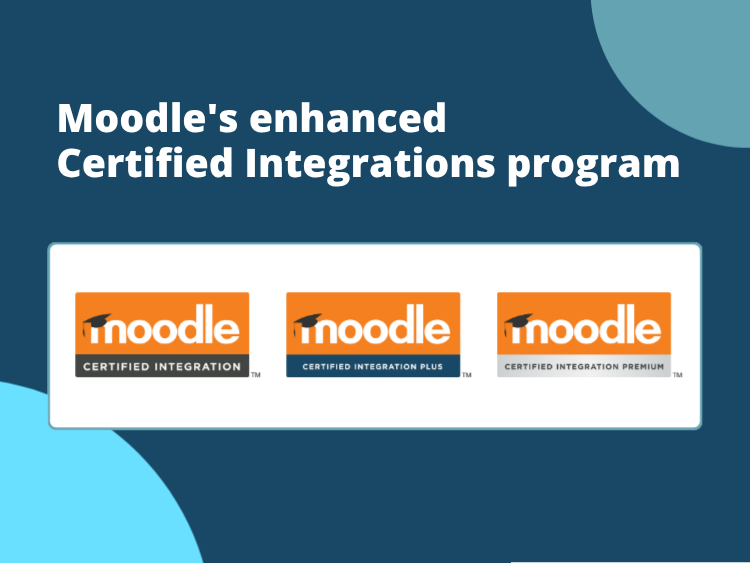
Recognizing that not all integrations are at the same developmental stage or offer the same breadth of functionality, Moodle has introduced a refreshed three-tier certification structure. This tiered approach is designed to accommodate a wider range of integration maturity and service offerings, providing clarity and choice for institutions based on their specific requirements and strategic priorities.
-
Certified Integration: This foundational tier signifies that an integration has undergone thorough technical vetting by Moodle. These integrations meet Moodle’s established standards for compatibility, security, and reliability, ensuring they function effectively and safely within the Moodle ecosystem. This tier is ideal for solutions that provide core functionality and have demonstrated technical robustness.
-
Certified Integration Plus: Building upon the technical assurance of the basic tier, Certified Integration Plus denotes integrations that have not only met Moodle’s technical benchmarks but also offer additional services aimed at delivering an enhanced user experience. This may include more proactive support, advanced feature sets, or deeper integration points that provide greater value to the end-user. These integrations represent a commitment to ongoing quality and user satisfaction beyond basic technical compliance.

-
Certified Integration Premium: Representing the highest level of certification, Certified Integration Premium is reserved for solutions developed by companies with a significant global reach and an extensive track record of successful deployments. These integrations are characterized by their deep technical alignment with Moodle LMS, ensuring the highest levels of performance, scalability, and ongoing support. This tier is targeted at enterprise-level solutions and those requiring the most robust and deeply integrated functionalities, often backed by dedicated partnership agreements.
Early Successes and Expanding Horizons
The enhanced program is already showcasing its value with a strong lineup of certified partners. Notably, BigBlueButton, a leading open-source web conferencing system, has achieved Certified Integration Premium status. BigBlueButton seamlessly integrates real-time video conferencing, interactive whiteboards, and screen sharing capabilities directly into Moodle courses, significantly enriching synchronous learning experiences. Its recent recognition as "Certified Integration of the Year" highlights its exceptional contribution to the Moodle community and its advanced capabilities.
Moodle also proudly welcomes ReadSpeaker and SMOWL to the Certified Integration Plus tier. This recognition acknowledges their sustained dedication to providing high-quality, accessible, and feature-rich experiences for Moodle users. ReadSpeaker’s text-to-speech and other accessibility tools, along with SMOWL’s proctoring and monitoring solutions, address critical needs for inclusivity and academic integrity within digital learning environments.
The expanded program is also seeing the onboarding of several other promising technology providers, signaling a vibrant growth trajectory for the Moodle integration landscape. While the article does not list these new entrants, their inclusion indicates a growing ecosystem of developers committed to building and maintaining high-quality extensions for Moodle. The addition of new partners across all tiers will further diversify the available tools, allowing institutions to find solutions tailored to an ever-expanding range of pedagogical and administrative needs.
Contextualizing the Evolution of Moodle Integrations

The development and enhancement of the Certified Integrations program can be traced back to Moodle’s strategic vision for its platform’s future. Moodle, since its inception in 2002 by Martin Dougiamas, has been built on an open-source ethos, emphasizing flexibility and extensibility. This philosophy has fostered a vast ecosystem of plugins and integrations developed by third parties. However, as the platform matured and the complexity of digital learning environments increased, so did the need for a more structured and reliable approach to integration management.
The initial Moodle Certified Integrations program, launched some years ago, laid the groundwork for formalizing this process. However, the evolving technological landscape, coupled with increased user demand for sophisticated and interconnected learning solutions, necessitated an update. The introduction of the tiered structure reflects a more nuanced understanding of the integration market, allowing Moodle to differentiate between robust core functionalities and premium, value-added services. This evolution aligns with broader trends in the EdTech sector, where interoperability, data security, and user experience are paramount. Institutions are increasingly seeking integrated platforms that can streamline workflows, enhance data analytics, and provide personalized learning pathways. Moodle’s proactive approach through its Certified Integrations program positions it to meet these demands effectively.
Analysis of Implications
The implications of this enhanced Moodle Certified Integrations program are far-reaching for all stakeholders in the digital learning space.
For educational institutions and organizations, the primary benefit is a significant reduction in risk and an increase in efficiency. The ability to quickly identify and implement integrations that have been thoroughly vetted by Moodle experts means less time spent on technical evaluations and security audits, and more time dedicated to strategic implementation and pedagogical development. This can lead to faster adoption of new technologies, improved learning outcomes, and a more cohesive and user-friendly digital learning experience for students and staff. The tiered structure also allows for budget-conscious decisions, enabling institutions to select integrations that best match their needs and financial resources.
For technology providers, the program offers a clear pathway to market credibility and enhanced visibility. The rigorous vetting process serves as a powerful endorsement, distinguishing their products from less reliable alternatives. This can lead to increased sales, stronger partnerships, and greater confidence from potential clients. For premium partners, the program fosters deeper collaboration with Moodle, potentially leading to co-development opportunities and enhanced market reach.

For Moodle itself, the enhanced program solidifies its position as a leader in open-source learning platforms. By actively curating and endorsing integrations, Moodle demonstrates its commitment to providing a robust, secure, and feature-rich ecosystem. This strengthens user loyalty, attracts new institutions to the platform, and reinforces Moodle’s reputation for reliability and innovation. It also helps to maintain the integrity and coherence of the Moodle user experience across a diverse range of deployed instances.
The program also contributes to the broader EdTech ecosystem by promoting standards and best practices for integration development. This can lead to a more interoperable and innovative future for digital learning technologies, benefiting the entire sector.
Looking Ahead: Exploration and Participation
Moodle encourages its community to explore the full range of certified integrations available. The complete list can be found on the Moodle website, providing detailed information about each certified tool and its capabilities.
For technology providers interested in contributing to the Moodle ecosystem and gaining official recognition, Moodle has also outlined a clear application process. Interested companies can find more information and submit their applications to join the program via the Moodle Partner portal. This proactive approach ensures that the Moodle Certified Integrations program remains dynamic, continuously welcoming new innovations and fostering a thriving network of trusted partners. The commitment to an open and collaborative development model, coupled with stringent quality assurance, positions Moodle and its certified integrations for continued success in shaping the future of digital education.