



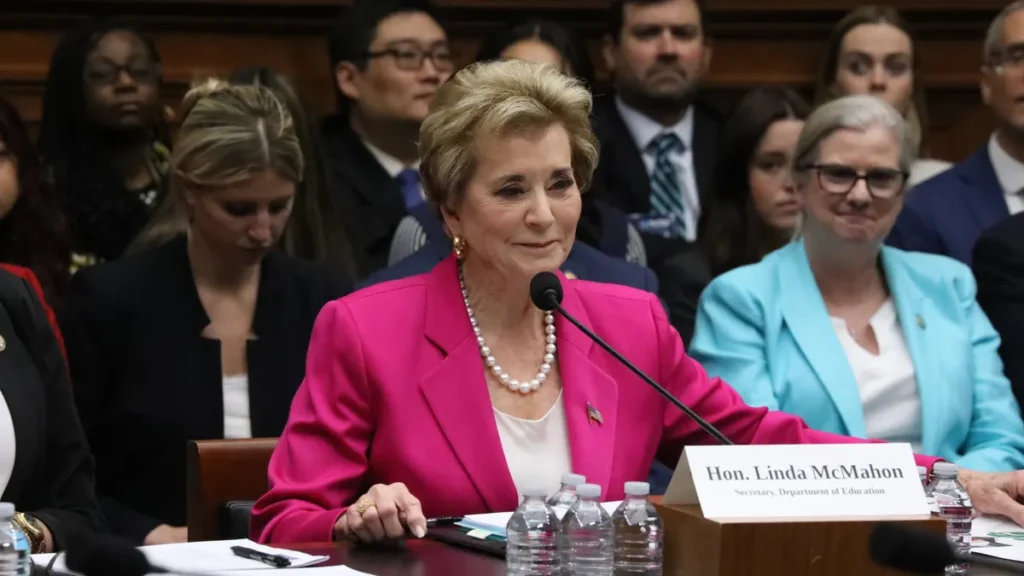
The U.S. Department of Education has intensified its efforts to combat the deeply concerning practice of "passing the trash," a phenomenon where educational institutions allow employees accused of sexual misconduct to transition to new positions without adequate scrutiny, thereby potentially endangering more students. This initiative, spearheaded by Education Secretary Linda McMahon, signals a strong commitment from the agency to prioritize student safety and accountability within the nation’s K-12 system. The pushback against this long-standing issue, highlighted by a recent "Dear Colleague" letter, comes amid broader discussions about interagency agreements and the federal government’s role in safeguarding vulnerable populations.
Addressing "Passing the Trash": A Proactive Stance
On July 10, 2026, the Department of Education issued a "Dear Colleague" letter to states and school districts, unequivocally reiterating their responsibility to protect students from harm. The letter, which was publicly available, detailed the agency’s stance on the practice, describing it as "a troubling and recurring pattern in schools" across the country. This directive serves as a stark reminder that educational entities are expected to implement robust vetting processes and to thoroughly investigate any allegations of misconduct, rather than facilitating the movement of potentially harmful individuals.
The concept of "passing the trash" is not new. For years, advocacy groups and concerned parents have raised alarms about a system that, intentionally or not, allows individuals accused of serious offenses to evade consequences by simply moving to a new district or state. This lack of a centralized, transparent reporting mechanism for misconduct allegations has created loopholes that predators have exploited, leaving a trail of devastated families and compromised learning environments. The Department’s renewed focus on this issue aims to close these loopholes and establish a more secure framework for student protection.
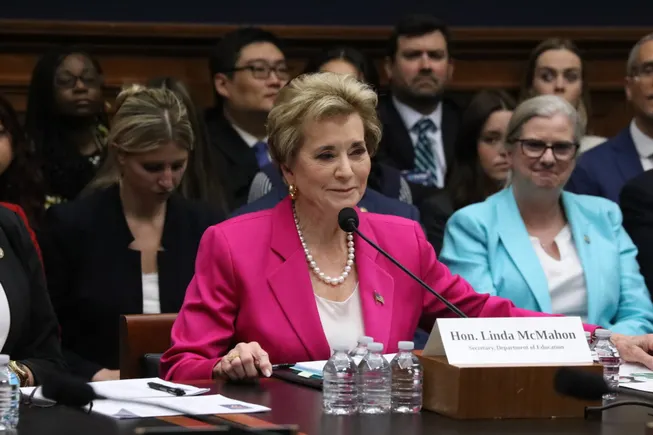
The implications of this practice are far-reaching. Beyond the immediate trauma inflicted upon victims, the erosion of trust in educational institutions can have lasting societal consequences. When parents fear for their children’s safety within school walls, it undermines the very foundation of public education. The Department’s proactive stance is therefore a critical step towards restoring that trust and ensuring that schools are indeed safe havens for learning and development.
Pushback on Interagency Agreement: A Battle for Special Education’s Future
In parallel to the efforts to curb misconduct, the Department of Education is facing significant opposition regarding a proposed interagency agreement that would transfer the management of special education programs to the U.S. Department of Health and Human Services (HHS). This proposed shift has ignited a strong reaction from former federal special education officials, who have voiced their concerns in a strongly worded letter.
The core of the opposition, as detailed in a July 13 letter, centers on the belief that such a transfer would effectively dismantle, rather than merely relocate, the federal infrastructure painstakingly built over five decades to support the Individuals with Disabilities Education Act (IDEA). These former officials, representing a bipartisan spectrum of administrations from Richard Nixon through the Biden administration (with a notable absence during the second Trump administration), bring a wealth of experience and historical perspective to the debate. Their collective endorsement of the letter underscores the gravity of their concerns.
The number "13" serves as a stark indicator of the widespread apprehension. Thirteen former federal special education officials, each having served across multiple presidential administrations, have united to oppose this proposed reorganization. Their unified voice suggests a deep-seated conviction that the current federal structure, while perhaps imperfect, is essential for the effective implementation and oversight of IDEA.

The former officials argue that the intricate framework of IDEA, which has evolved over decades to ensure that children with disabilities receive a free appropriate public education, is intrinsically linked to the U.S. Department of Education. This department, they contend, possesses the specialized expertise, regulatory understanding, and established relationships necessary to navigate the complexities of special education law and practice. Shifting this responsibility to HHS, they believe, would disrupt decades of progress and potentially lead to a fragmentation of services and a dilution of federal oversight.
The implications of such a transfer are significant for the estimated 7 million students with disabilities who rely on IDEA. Critics of the proposed move express concerns that HHS, while possessing expertise in health and human services, may not have the same level of specialized knowledge in educational policy and pedagogy. This could lead to a disconnect between federal mandates and the practical realities faced by students, educators, and families at the local level. The potential for bureaucratic hurdles, competing priorities, and a loss of institutional memory within the federal special education apparatus are all valid concerns being raised.
Principals Convene in Florida: A Forum for Leadership and Challenges
The week’s news also highlights the convergence of educational leaders in Florida for a principal’s conference. While specific details of the conference’s agenda and outcomes are not fully elaborated in the provided text, such gatherings typically serve as crucial platforms for principals to:
- Share Best Practices: Principals often exchange innovative strategies for curriculum development, student engagement, school climate improvement, and effective leadership.
- Address Emerging Challenges: Conferences provide an opportunity to discuss pressing issues facing schools, such as student mental health, teacher recruitment and retention, and the integration of new technologies.
- Professional Development: Sessions are usually designed to enhance principals’ skills in areas like instructional leadership, data analysis, financial management, and navigating complex policy landscapes.
- Networking and Collaboration: The opportunity to connect with peers from different districts and states fosters a sense of community and facilitates the sharing of resources and solutions.
Given the national context of the Department of Education’s initiatives, it is plausible that discussions at this Florida conference touched upon the challenges of addressing student misconduct and the ongoing debates surrounding federal education policy. Principals are on the front lines of implementing these policies and are often the first to identify their practical implications and potential shortcomings. Their collective experiences and insights are invaluable to policymakers seeking to create effective and equitable educational systems. The presence of principals in a dedicated forum underscores their vital role in shaping the future of education and their continuous effort to adapt to evolving demands and challenges.

Policy Spotlight: Navigating Federal Education Landscape
The confluence of these news items – the aggressive stance against "passing the trash," the contentious debate over the special education interagency agreement, and the gathering of principals – paints a vivid picture of the dynamic and often complex federal education landscape. Secretary McMahon’s tenure has been marked by a series of initiatives aimed at strengthening accountability and ensuring student well-being. The push to end "passing the trash" is a direct response to persistent safety concerns, while the opposition to the HHS interagency agreement reflects a deep-seated concern among veteran educators about the potential disruption of established protections for students with disabilities.
The analysis of these events suggests a broader trend: the federal government’s increasing involvement in areas traditionally managed at the state and local levels, albeit with varying degrees of support and contention. While the intent behind these federal actions is often to establish a baseline of protection and equity, the methods and the potential unintended consequences are subjects of ongoing scrutiny and debate. The engagement of former officials and the convening of practitioners like principals are essential components of a healthy democratic process, ensuring that policy decisions are informed by a diverse range of perspectives and experiences. The coming months will likely see continued developments in these critical areas, shaping the future of student safety and the delivery of special education services across the nation.