



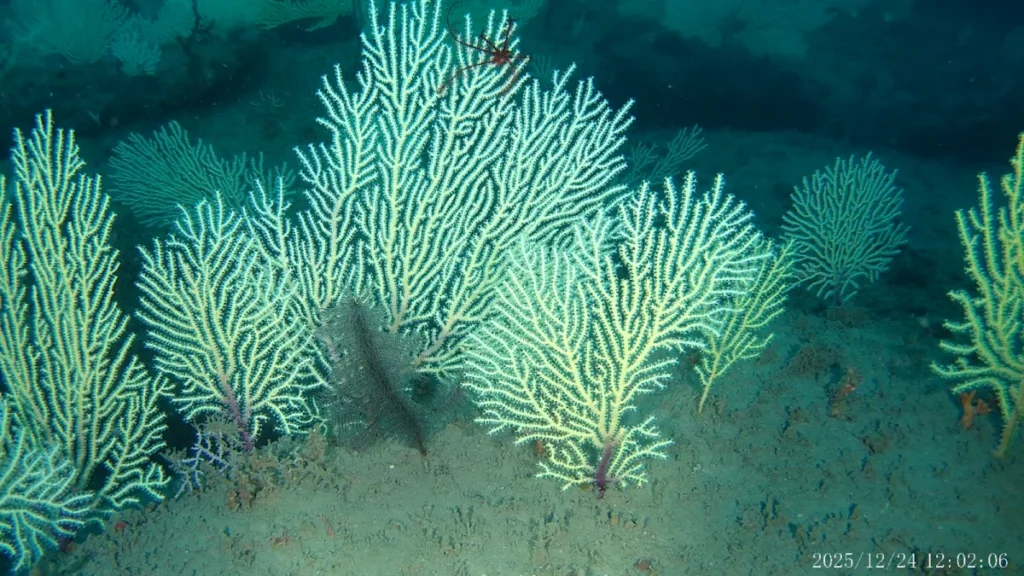
A landmark expedition led by Gérard Zinzindohoué of the Institut de Recherches Halieutiques et Océanologiques du Bénin has successfully located and documented a vibrant mesophotic coral reef system off the coast of Benin, an area where marine life was presumed to have vanished more than half a century ago. The discovery, detailed in the journal Frontiers in Marine Science, marks a pivotal moment for West African oceanography, revealing a flourishing ecosystem 165 feet beneath the surface of the Gulf of Guinea. For nearly 60 years, the scientific community operated under the belief that the reef structures identified in the mid-20th century were nothing more than skeletal remains. This recent survey not only proves the vitality of these deep-sea habitats but also suggests that a much larger, interconnected system—potentially spanning 25 miles parallel to the Beninese coastline—remains largely unexplored.
Historical Context: A Legacy of Misinterpretation
The history of the Benin reef is one of accidental discovery followed by decades of dismissal. During the 1960s, commercial and scientific surveys were conducted across the Gulf of Guinea to identify potential fishing grounds and map the continental shelf. At the time, rudimentary sonar and dredging techniques revealed the presence of hard structures on the seafloor. However, without the benefit of high-resolution video or submersible technology, researchers concluded that these formations were "relic reefs"—remnants of a past geological era that had died off due to changes in sea level or water temperature.
For sixty years, this "dead reef" narrative persisted in academic literature and maritime charts. The region was largely ignored by coral researchers, who typically focused on the more accessible and famous shallow-water reefs of the Indo-Pacific or the Caribbean. The lack of investment in deep-sea exploration in West Africa further cemented this status quo, leaving a massive gap in the global understanding of Atlantic marine biology. It was only through the persistence of Zinzindohoué and his team, supported by modern grant funding and international technological partnerships, that the scientific community returned to these coordinates to challenge the historical record.
The Expedition: Navigating Uncertainty in the Gulf of Guinea
The journey to rediscover the reef was fraught with logistical and technical challenges. Operating in the Gulf of Guinea requires navigating complex maritime conditions, including heavy sedimentation and unpredictable currents. The research team spent several days scanning a seven-mile stretch of the seafloor using advanced sonar equipment. The primary objective was to find signals that matched the coordinates recorded in the 1960s, a task made difficult by the age of the original data and the precision required for modern ROV (Remotely Operated Vehicle) deployment.
Zinzindohoué described the campaign as a grueling exercise in patience. The team faced multiple technical setbacks, including equipment malfunctions that are common in deep-pressure environments. After days of searching, the sonar finally flagged two significant anomalies—large, elevated structures rising from the seabed that did not match the surrounding silt-heavy topography. These signals provided the first hint that the "dead" structures were more substantial than previously thought.
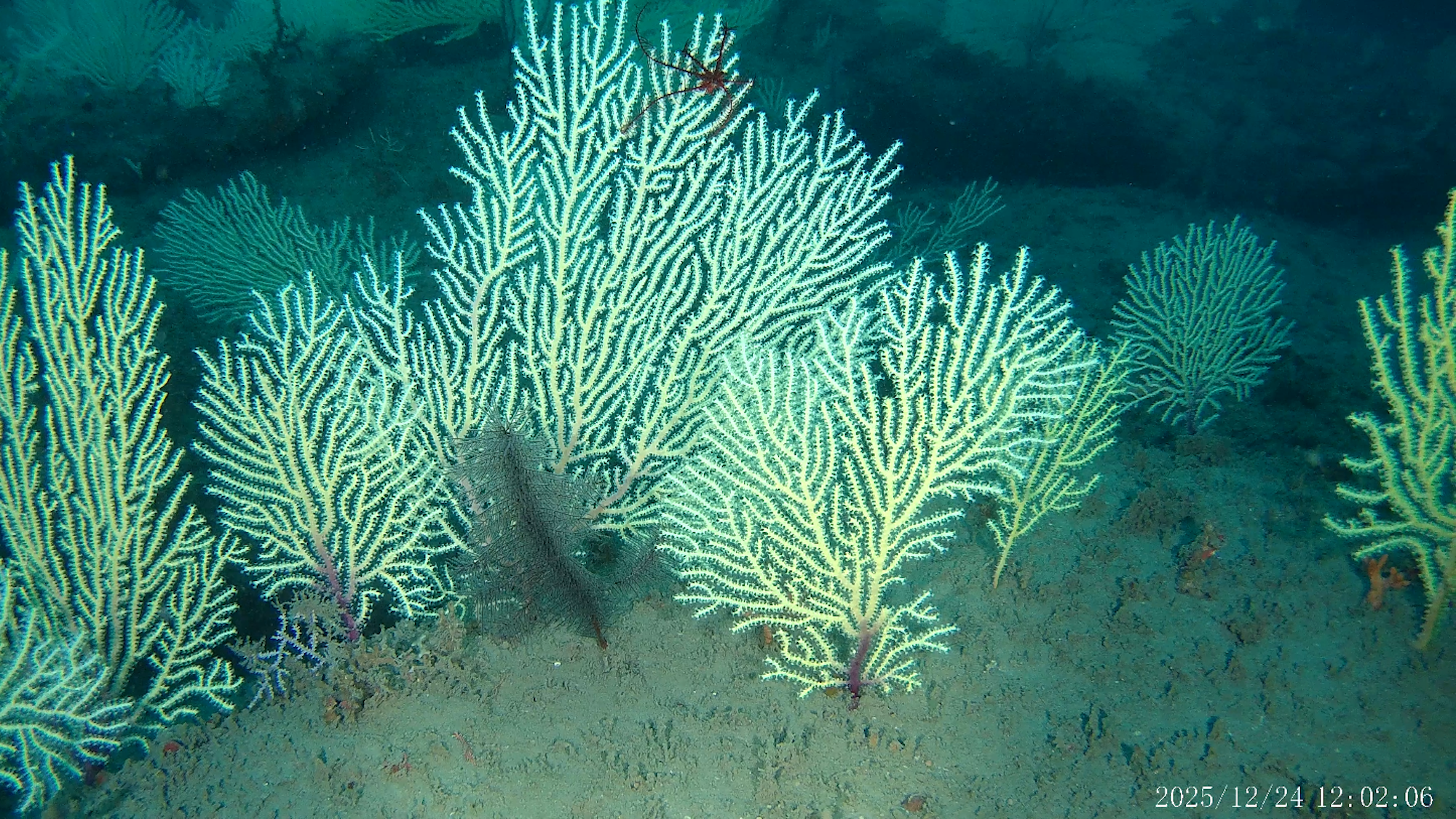
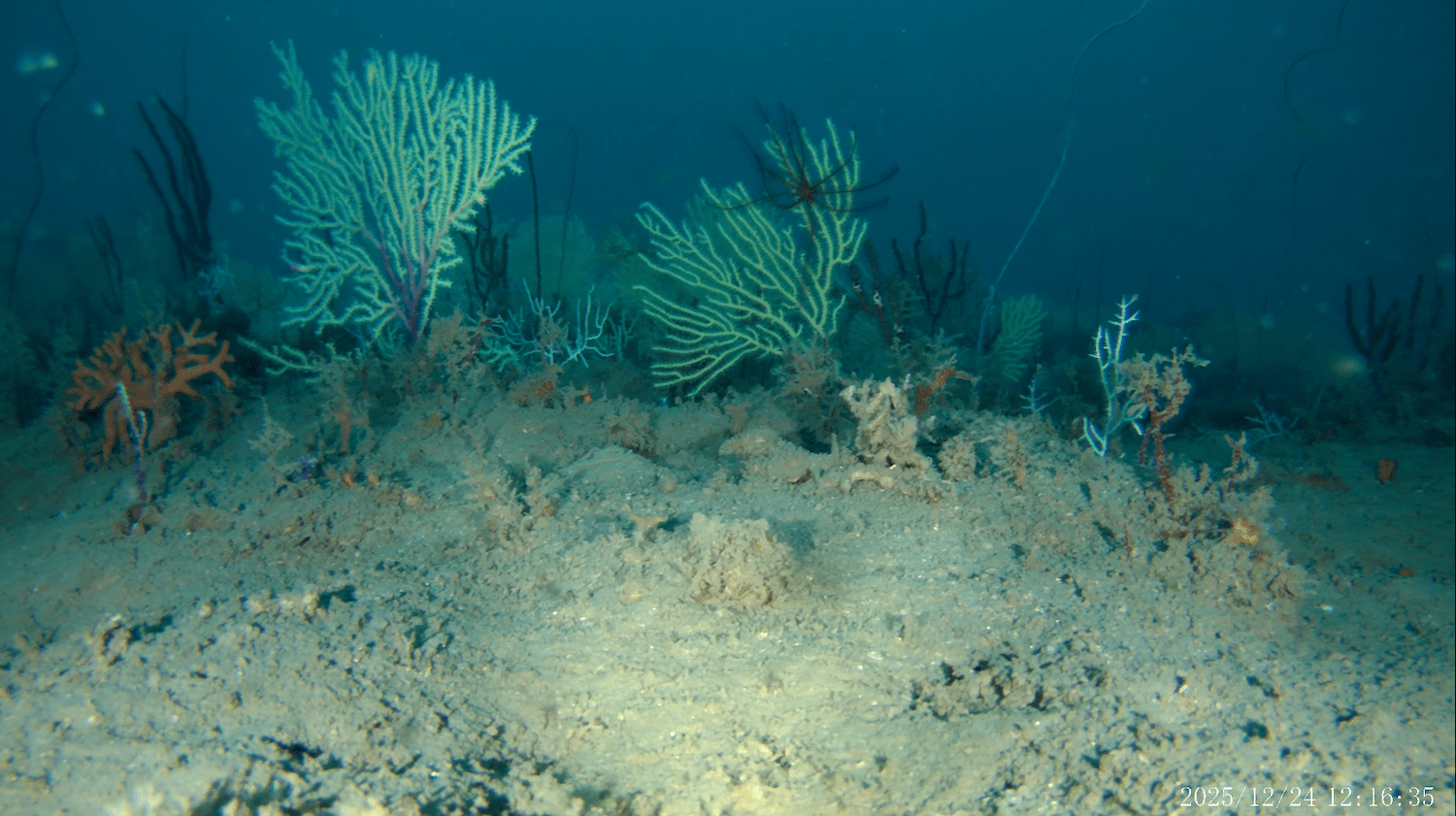
To confirm the nature of these anomalies, the team deployed a suite of high-tech tools, including an underwater drone and the National Geographic Exploration Technology Lab’s Deep Sea Camera System. As the cameras descended to 165 feet (approximately 50 meters), the grainy sonar silhouettes were replaced by vivid, high-definition imagery of a living, breathing ecosystem. The "relics" of the 1960s were, in fact, the foundations of a thriving mesophotic forest.
Scientific Breakthrough: Defining the Mesophotic Ecosystem
The reef discovered off Benin is classified as a mesophotic coral ecosystem (MCE). The term "mesophotic" is derived from the Greek words for "middle" and "light," referring to the depth zone where light is still present but insufficient for the rapid growth of traditional shallow-water corals. These ecosystems typically exist between 100 and 500 feet below the surface.
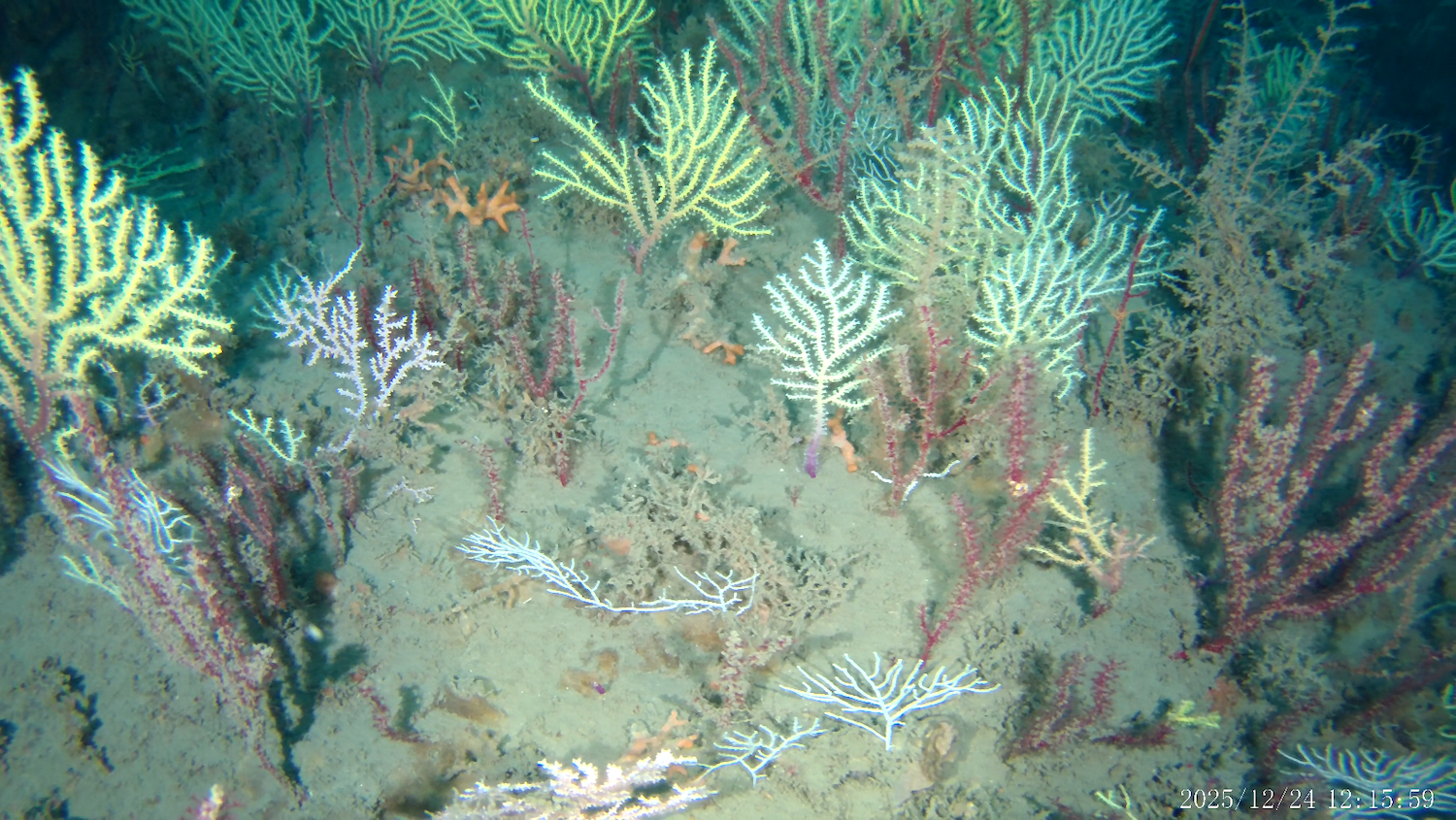
Unlike the sprawling, continuous barriers seen in the Great Barrier Reef, mesophotic systems often manifest as "patch" reefs or intermittent colonies. Because they exist in the "twilight zone" of the ocean, the corals here have adapted to low-light conditions, often growing in plate-like or encrusting formations to maximize light absorption. The discovery in Benin is particularly significant because MCEs in the Gulf of Guinea have been poorly documented compared to those in the Mediterranean or the Western Atlantic.
The presence of a living MCE in these waters suggests that the Gulf of Guinea may serve as a critical thermal refuge. As rising sea temperatures cause bleaching and mass mortality in shallow-water reefs worldwide, deeper mesophotic reefs are often shielded from the most extreme heat waves. Scientists hypothesize that these deep-water colonies could act as "lifeboats," providing larvae to help recolonize damaged shallow reefs or maintaining biodiversity that would otherwise be lost to climate change.
Biological Inventory: A Teeming Deep-Sea Oasis
The initial survey of the Benin reef has already yielded an impressive inventory of marine life. The research team positively identified eight distinct types of coral, ranging from hard, reef-building species to more flexible soft corals. This diversity is remarkable given the high levels of turbidity often found in West African coastal waters, which can stifle coral growth by blocking sunlight and smothering polyps with silt.
Living among these corals is a vibrant community of fish, including several species of significant ecological and commercial value. Among the eight fish species documented were:
- Guinean Angelfish (Holacanthus africanus): A striking species endemic to the tropical waters of the West African coast. Its presence indicates a stable, high-quality habitat.
- Golden African Snappers (Lutjanus fulgens): These predators are vital to the reef’s food web and are also a key species for local artisanal fisheries.
- Monrovia Doctorfish (Acanthurus monroviae): A type of surgeonfish that plays a crucial role in the ecosystem by grazing on algae, preventing it from overgrowing and killing the coral.
The discovery of these species in high concentrations suggests that the reef acts as a "nursery" for the wider Gulf of Guinea. Many of the fish found on the reef are likely the progenitors of the populations that local Beninese fishermen rely on for their livelihoods. This biological link underscores the economic importance of protecting deep-sea habitats that are not immediately visible from the surface.
Technological Integration and International Collaboration
The success of the Benin expedition highlights the growing importance of "democratizing" ocean technology. Historically, deep-sea research was the exclusive domain of wealthy nations with massive research vessels. However, the use of compact, relatively affordable underwater drones and portable camera systems—like those provided by National Geographic—is changing the landscape of marine science.
By integrating these technologies with local expertise from the Institut de Recherches Halieutiques et Océanologiques du Bénin, the project demonstrated a model for successful international scientific collaboration. The data collected is not just a win for global science but a vital asset for the Beninese government as it seeks to manage its maritime territory. The ability to "see" the seafloor in high resolution allows for more informed decisions regarding oil and gas exploration, shipping lanes, and the establishment of Marine Protected Areas (MPAs).
Environmental and Economic Implications for West Africa
The rediscovery of the Benin reef has profound implications for the region’s "Blue Economy." Benin, like many West African nations, is heavily dependent on the sea for protein and employment. The realization that a 25-mile-long coral system may exist just offshore provides a powerful argument for enhanced environmental stewardship.
From a conservation perspective, the reef faces several threats. Bottom trawling, a destructive fishing practice that involves dragging heavy nets across the seafloor, is a constant danger to deep-sea corals. These structures take centuries to grow but can be destroyed in a single afternoon by industrial fishing gear. Furthermore, the Gulf of Guinea is a hub for offshore energy production; sediment runoff and potential oil spills pose existential risks to these delicate mesophotic organisms.
Experts suggest that the Beninese government may now consider designating this area as a Marine Protected Area. Such a move would not only preserve biodiversity but could also foster sustainable eco-tourism and serve as a site for long-term climate research.
Future Outlook: Expanding the Map of the African Continental Shelf
Gérard Zinzindohoué and his colleagues are quick to point out that this is only the beginning. The current survey covered only a fraction of the area suspected to contain coral. Historical data suggests that the reef system could extend for dozens of miles, potentially crossing international maritime boundaries into neighboring Togo or Nigeria.
"If I had all the grant money in the world," Zinzindohoué stated, "the first thing I would do is return to the site with a proper scientific diving and sampling program." The next phase of research will require physical samples of the coral to determine their age, growth rates, and genetic connectivity to other reefs in the Atlantic. Understanding whether these corals are unique to the region or part of a larger Atlantic network is crucial for global conservation strategies.
The rediscovery of the Benin reef serves as a humbling reminder of how little is known about the world’s oceans. In an era where satellites can map the surface of Mars in exquisite detail, a 25-mile-long living ecosystem remained "hidden" in plain sight for sixty years. As Zinzindohoué’s team continues their work, they are not just rewriting the natural history of Benin; they are providing a blueprint for the future of marine discovery across the African continent. Every additional piece of information gathered from these "twilight" depths is a step toward a more complete and accurate understanding of the planet’s last great frontier.