
Retinol creams may garner significant attention in the quest to combat visible aging, but a groundbreaking interdisciplinary study from Edith Cowan University (ECU) has illuminated a far more expansive and exhilarating possibility: the profound impact of travel on our physical and mental well-being, potentially influencing the very pace of aging. This pioneering research, published in the 2024 Journal of Travel Research, introduces a novel perspective by applying the fundamental theory of entropy to the realm of tourism, proposing that enriching travel experiences could bolster health in ways that help decelerate some manifestations of aging. The study does not assert that travel halts the irreversible process of aging, but rather reframes tourism as much more than a mere respite from daily life; it posits travel as a dynamic mechanism capable of aiding the body in maintaining critical balance, enhancing resilience, and supporting its inherent repair systems.
The Entropic Lens: Decoding Disorder and Biological Resilience
At its core, the theory of entropy describes the universe’s inexorable progression toward increasing disorder and randomness. In biological systems, this concept translates to the gradual decline in an organism’s ability to maintain its complex, organized structure and optimal function over time – a process intimately linked to aging. Living organisms are inherently designed to fight this entropic drift, constantly expending energy to maintain homeostasis, repair cellular damage, and adapt to environmental changes. This perpetual struggle against disorder is a hallmark of life itself.
The ECU researchers propose that positive travel experiences can actively contribute to reducing this drift toward disorder within the human body. Conversely, travel fraught with stress, discomfort, or safety concerns could accelerate the body’s entropic journey, pushing it towards disorganization and dysfunction. Ms. Fangli Hu, a PhD candidate at ECU and a lead researcher on the study, articulates this nuanced understanding: "Aging, as a process, is irreversible. While it can’t be stopped, it can be slowed down." Her team’s work provides a compelling framework for understanding how specific aspects of travel might contribute to this deceleration. By placing individuals in novel environments, encouraging physical activity, fostering social interactions, and cultivating positive emotions, travel inherently aligns with principles found in established wellness tourism, health tourism, and yoga tourism practices, all of which aim to enhance overall well-being. Ms. Hu emphasizes, "Tourism isn’t just about leisure and recreation. It could also contribute to people’s physical and mental health."
Travel as a Therapeutic Intervention: Strengthening the Body’s Defense Systems
Viewed through this entropy-based lens, travel therapy emerges as a potentially significant health intervention. Ms. Hu suggests that positive travel experiences, acting as a vital component of an individual’s environment, may help the body sustain a healthier, low-entropy state by favorably influencing four major physiological systems. Travel often orchestrates a unique synergy between unfamiliar surroundings and relaxing activities. Exposure to new settings can stimulate the body, subtly elevating metabolic activity and activating the self-organizing processes essential for the smooth operation of biological systems. This environmental novelty also appears to engage the adaptive immune system, enhancing the body’s capacity to recognize and effectively respond to external threats.
Ms. Hu elaborates on this physiological response: "Put simply, the self-defense system becomes more resilient. Hormones conducive to tissue repair and regeneration may be released and promote the self-healing system’s functioning." This suggests a sophisticated interplay where travel-induced stimulation primes the body’s internal repair mechanisms, making it more robust against the cellular and molecular damage that contributes to aging. This concept aligns with broader scientific understanding of hormesis, where mild stressors can trigger beneficial adaptive responses in biological systems, ultimately enhancing resilience.
The Multifaceted Benefits: Stress Relief, Movement, and Cognitive Vitality
Beyond immune modulation, relaxing travel activities play a crucial role in mitigating chronic stress, a well-documented accelerator of aging. Chronic stress leads to elevated cortisol levels, which can suppress immune function, damage telomeres (protective caps on chromosomes linked to cellular aging), and increase systemic inflammation. Recreational activities inherent in travel can alleviate muscle tension and joint fatigue, fostering metabolic equilibrium and fortifying the body’s intrinsic ability to resist wear and tear.
Furthermore, the very nature of travel often necessitates physical activity. Trips are rarely characterized by prolonged periods of inactivity; instead, they frequently involve extensive walking through bustling cities, invigorating hikes along scenic trails, adventurous climbing, leisurely cycling, or simply spending more time upright and active than during a typical daily routine. This increased physical engagement significantly boosts metabolism, enhances energy utilization, and facilitates the efficient transport of vital nutrients throughout the body. These physiological benefits collectively support the intricate systems responsible for tissue repair, cellular regeneration, and overall bodily resilience. Ms. Hu underscores these advantages: "Participating in these activities could enhance the body’s immune function and self-defense capabilities, bolstering its hardiness to external risks. Physical exercise may also improve blood circulation, expedite nutrient transport, and aid waste elimination to collectively maintain an active self-healing system. Moderate exercise is beneficial to the bones, muscles, and joints in addition to supporting the body’s anti-wear-and-tear system."
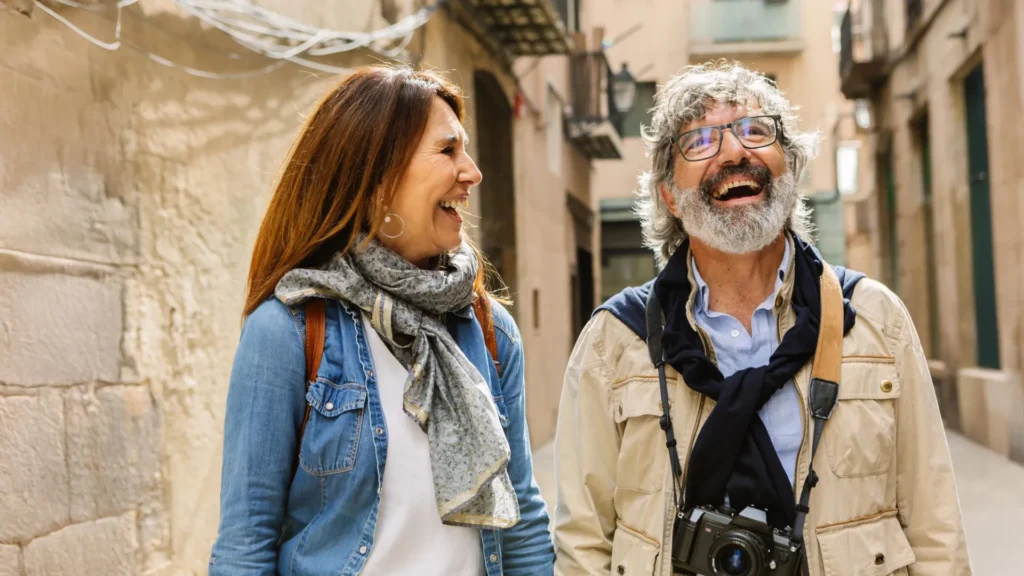
Moreover, travel profoundly impacts cognitive health. Navigating new environments, engaging with different cultures, learning new phrases, and solving travel-related challenges all provide powerful cognitive stimulation. This mental exercise can enhance neuroplasticity, the brain’s ability to reorganize itself by forming new neural connections, which is crucial for maintaining cognitive function and preventing age-related decline. The social interaction inherent in many travel experiences also combats loneliness, a significant risk factor for both physical and mental health issues in older adults. Studies have consistently shown that strong social connections are linked to longer lifespans, improved immune function, and better cardiovascular health. Travel, by facilitating new encounters and strengthening existing relationships, directly addresses this vital aspect of well-being.
An Evolving Field: Chronology and Collaboration in Travel and Health Research
The concept of leveraging travel for health is not entirely new, with historical roots in spa towns and therapeutic retreats. However, the scientific rigor applied by the ECU study marks a significant advancement. The 2024 publication in the Journal of Travel Research serves as a foundational theoretical contribution, particularly through its innovative application of entropy theory to tourism. This work has spurred a burgeoning interest and a rapid succession of related investigations.
Following this initial publication, a 2025 research note co-authored by Ms. Hu and her colleagues further delineated travel therapy as an emergent approach. This note, published in a subsequent issue, emphasized that while positive travel experiences undeniably promote well-being, a balanced perspective necessitates carefully weighing these benefits against potential risks. Concurrently, another significant 2025 paper advocated for closer collaboration between the fields of travel medicine and tourism studies. This call reflects a growing recognition of the intricate overlap between vacation choices, potential health risks, the importance of preventive care, and the holistic well-being of travelers. This interdisciplinary dialogue is crucial for developing comprehensive guidelines and informed strategies.
Further solidifying this trend, a 2025 systematic review identified "tourism and healthy aging" as an increasingly vital interdisciplinary research domain. The review, however, also highlighted that this area remains largely underexplored, pointing to a critical need for more robust methodological approaches and clearer, well-defined future research directions. These subsequent findings collectively underscore a cautious yet optimistic interpretation: travel, particularly when it integrates elements of physical movement, social engagement, novelty, and restorative experiences, holds genuine potential for health-related benefits. Researchers, however, are still diligently working to quantify the strength of these effects, identify the specific mechanisms at play, and determine which populations stand to benefit most from such interventions. This chronological progression of research demonstrates a maturing field, moving from theoretical models to calls for empirical validation and practical application.
Supporting Data and Broader Context: The Case for Lifestyle Interventions
The findings from ECU resonate with a substantial body of existing research on lifestyle factors and healthy aging. For instance, the World Health Organization (WHO) consistently highlights physical inactivity as a leading risk factor for non-communicable diseases and premature death, contributing to millions of deaths globally each year. Conversely, regular physical activity, often a natural component of travel, is proven to reduce the risk of cardiovascular disease, type 2 diabetes, certain cancers, and improve mental health. A 2018 study published in The Lancet estimated that if all adults met recommended physical activity levels, it could prevent over 5 million premature deaths annually. Travel, with its inherent encouragement of exploration by foot or bike, directly contributes to these health-promoting behaviors.
Furthermore, the positive impact of social connection on longevity is well-established. Research by Julianne Holt-Lunstad and colleagues has shown that social isolation and loneliness pose significant health risks, comparable to well-known factors like obesity and smoking. Travel often provides opportunities for enriching social interactions, whether with travel companions, local communities, or fellow tourists, thereby bolstering this critical aspect of well-being. The economic implications are also substantial. The global wellness tourism market, which includes travel focused on maintaining or improving personal health and well-being, was valued at over $800 billion in 2022 and is projected to grow significantly. This research provides a scientific underpinning that could further legitimize and expand this lucrative sector, leading to more targeted and effective wellness travel products.
Expert Perspectives and Industry Reactions
The implications of this research are far-reaching and have garnered attention from various stakeholders. Gerontologists, while expressing cautious optimism, generally welcome these findings. Dr. Eleanor Vance, a prominent gerontology researcher not affiliated with the ECU study, remarked in a recent interview, "The idea that lifestyle factors like travel can influence aging is not entirely new, but applying entropy theory offers a fascinating and rigorous framework. We’ve always known that staying active, engaged, and mentally stimulated is good for us as we age. This research helps us understand why and opens avenues for more targeted interventions. However, we need more longitudinal studies to truly quantify the long-term effects."
Public health officials are also keen on understanding how these insights can be integrated into broader health promotion strategies. A spokesperson for a national health organization commented, "Preventive health is paramount. If positive travel experiences can genuinely contribute to reduced chronic stress, increased physical activity, and enhanced social connection, then we should explore how to encourage safe and enriching travel as part of a holistic approach to public health, especially for our aging populations."
The tourism industry, understandably, views this research as a significant boon. CEO of a major international travel conglomerate stated, "This study provides compelling scientific validation for what many travelers intuitively feel: that vacations rejuvenate not just the mind, but the body. It allows us to pivot from simply selling ‘relaxation’ to promoting ‘health and longevity’ through thoughtfully designed travel experiences. We anticipate a surge in demand for curated wellness and active travel packages, aligning with these scientific findings." This suggests a future where travel agents might act as informal wellness advisors, recommending destinations and activities tailored to health outcomes.
Navigating the Nuances: The Risks Behind the Benefits
It is crucial to acknowledge that the research explicitly cautions against the simplistic notion that any trip automatically confers health benefits. Travel is a complex endeavor, and tourists can encounter a myriad of risks that could potentially negate or even reverse the positive effects. These risks include exposure to infectious diseases (ranging from common traveler’s diarrhea to more serious vector-borne illnesses), accidents and injuries, exposure to violence or crime, consumption of unsafe food or water, and significant stress arising from poor planning, logistical challenges, or unsuitable travel choices.
Ms. Hu starkly reminds us of this dichotomy: "Conversely, tourism can involve negative experiences that potentially lead to health problems, paralleling the process of promoting entropy increase. A prominent example is the public health crisis of COVID-19." The global pandemic underscored how interconnectedness, a hallmark of travel, can also facilitate the rapid spread of pathogens, leading to widespread illness, economic disruption, and severe mental health strain. Therefore, the central message is not that all travel will slow aging, but rather that positive, safe, restorative, and active travel experiences can profoundly benefit the body and mind by synergistically combining novelty, relaxation, physical activity, and social connection. Responsible travel planning, including comprehensive health checks, appropriate vaccinations, travel insurance, and awareness of local conditions, remains paramount to harnessing travel’s potential benefits while mitigating its inherent risks.
Implications for Public Health and the Future of Wellness
The ECU study and subsequent research herald a significant paradigm shift in how we perceive travel. No longer solely a luxury or a leisure activity, it is increasingly being recognized as a potential health intervention. This evolving understanding carries substantial implications for public health initiatives, the future direction of the wellness industry, and individual lifestyle choices.
For public health, these findings could pave the way for educational campaigns promoting specific types of travel – those emphasizing physical activity, cultural immersion, and stress reduction – as integral components of a healthy lifestyle. While the concept of "travel prescriptions" remains largely theoretical, it highlights the potential for healthcare providers to eventually recommend travel as part of a comprehensive wellness plan, much like they prescribe exercise or dietary changes. This would necessitate a closer integration of travel medicine expertise into general practice and a robust framework for assessing individual suitability and managing risks.
The tourism industry is poised to innovate further, developing highly specialized travel products designed explicitly for health and longevity. This could include active adventure trips tailored for seniors, retreats focused on cognitive stimulation and learning, or intergenerational travel experiences designed to foster social bonds. Such offerings would move beyond superficial relaxation to deliver measurable health outcomes, appealing to a growing demographic concerned with proactive aging.
For individuals, the research empowers them to make more informed and intentional travel choices. Understanding that a well-planned trip can actively contribute to physical and mental resilience might motivate people to prioritize experiences that offer novelty, physical engagement, social connection, and genuine restoration. It shifts the perception of a vacation from an expense to an investment in long-term health.
Future research directions will undoubtedly focus on empirical validation. This includes longitudinal studies tracking health markers in travelers versus non-travelers, randomized controlled trials of specific travel interventions, and deeper investigations into the neurobiological and immunological pathways through which travel exerts its effects. Understanding demographic differences – how travel impacts aging across various age groups, health statuses, and cultural backgrounds – will also be critical.
Conclusion: More Than a Getaway – A Pathway to Resilient Living
In an era increasingly focused on combating the ravages of time, the research from Edith Cowan University offers a refreshing and profoundly human perspective. While retinol creams address the surface, purposeful travel delves deeper, engaging our innate biological systems to foster resilience and repair. When planned thoughtfully and executed safely, integrating elements of activity, social connection, mental stimulation, and restorative relaxation, travel transcends its conventional role. It becomes more than a collection of memories; it transforms into a powerful, enjoyable, and accessible pathway to supporting healthier aging from the inside out, offering a vibrant counterpoint to the relentless march of entropy and a compelling argument for making exploration an essential part of a life well-lived.