



In the dynamic realm of corporate learning and workforce development, Chief Learning Officer’s (CLO) "Learning Insights" series offers a vital platform for understanding the strategic acumen and visionary leadership shaping the future of professional growth. This in-depth Q&A delves into the philosophy, initiatives, and forward-thinking strategies of a prominent learning executive, illuminating the crucial role of L&D in navigating an era of unprecedented change.
The Genesis of a Learning Advocate
The initial spark for a career in learning and development often stems from a profound belief in the latent power within individuals. For this executive, the allure lay in the "empowerment of people," a conviction rooted in the understanding that "human potential is the most powerful catalyst for transformation." Early career observations revealed a direct correlation between access to knowledge and opportunity, and the significant positive shifts in individuals’ life trajectories. This firsthand witnessing of transformative potential fueled a desire to actively "create those pathways."
Over time, the professional journey has transcended the traditional scope of simply delivering training. The evolution has been a deliberate move from "delivering training to shaping ecosystems of growth." This expansion signifies a paradigm shift from a narrow focus on discrete "skills development" to a broader, more holistic approach encompassing the cultivation of "cultures of inclusion, visibility, and leadership readiness." Landmark initiatives, such as involvement with the UN Women’s African Girls Can Code Initiative and the founding of the EmpowerHER and Allies mentorship movement, have solidified this perspective. These experiences have underscored that L&D’s impact extends far beyond mere knowledge transfer, reaching into the core tenets of "agency, empowerment, and preparing people to lead with courage in complex times."
Today, the executive’s work is characterized by a mission to "bridge the gap between academic insight and real-world impact." This involves a multifaceted approach that includes "redefining leadership cognition, mentoring across generations, and ensuring that learning is not a one-time event but a lifelong journey." What began as a passion for teaching has matured into a dedicated mission: "to cultivate future-ready leaders who rise, lift others, and transform the everyday into something extraordinary." This ambitious goal underscores the profound impact L&D can have on both individual careers and the broader organizational landscape.
Driving Employee Development Through Strategic Initiatives
Fostering a robust learning culture and driving employee development necessitates the implementation of targeted, impactful initiatives. While the specific details of every program are extensive, the underlying principles revolve around creating an environment where continuous learning is not only encouraged but embedded within the organizational fabric.
One of the most significant programs highlighted is the reverse mentorship initiative. This program was strategically designed to foster a reciprocal exchange of knowledge and perspectives by connecting "junior employees, often digital natives, with fresh perspectives directly with leaders navigating complex transformation." The impact of this initiative has been described as "transformative" on two primary fronts:
- Bridging Generational and Experiential Gaps: Junior employees, deeply immersed in contemporary digital landscapes and possessing fresh insights, are paired with senior leaders who are often grappling with the complexities of organizational change and strategic decision-making. This creates a dynamic where emerging talent can inform leadership on current trends, technological advancements, and evolving market expectations. Simultaneously, leaders gain invaluable perspectives on the challenges and opportunities faced by their younger workforce, fostering a more empathetic and informed leadership style.
- Cultivating a Culture of Shared Learning: The initiative effectively shifted the organizational narrative from a hierarchical model of "leaders teaching employees" to a more collaborative paradigm of "leaders and employees learning together." This cultural metamorphosis is arguably the most powerful outcome, actively embedding "curiosity, collaboration, and shared growth into the DNA of the organization." This fosters an environment where knowledge is seen as a collective asset, encouraging open dialogue and mutual learning across all levels.
What began as a pilot program quickly ascended to become a "cornerstone of our learning culture." This rapid adoption and integration signal the program’s success in addressing critical organizational needs and its resonance with employees at all levels. The sustained impact of such initiatives is often measured not just by immediate skill acquisition but by the long-term cultural shifts they instigate, leading to a more agile, innovative, and engaged workforce.
Addressing Misconceptions About the L&D Function
A pervasive challenge within the L&D profession is the existence of common misconceptions that can limit its perceived value and strategic influence. One such misconception is that L&D primarily functions as a "tick-box exercise," focused on compliance or the superficial delivery of training modules. This perspective often overlooks the profound impact that strategic learning interventions can have on individual growth, team performance, and ultimately, business outcomes.
The executive addresses this misconception by reframing the purpose of L&D. The core message is that L&D is "not about ticking boxes; it’s about cultivating curiosity, resilience, and future-ready leaders." This redefinition positions L&D as a strategic partner in organizational transformation, focusing on developing the human capital necessary to navigate an unpredictable future. By emphasizing the cultivation of critical attributes like curiosity and resilience, L&D moves beyond transactional training to the development of enduring capabilities that drive long-term success. This approach ensures that learning is recognized not merely as a cost center, but as a vital investment in both human and business transformation.
Embracing the Future of Workplace Learning
The future of workplace learning is characterized by an exciting confluence of technological advancement and a renewed emphasis on essential human skills. The executive expresses particular enthusiasm for the shift towards "personalized, adaptive learning," where technology serves as an enabler for employees to learn "in ways that fit their unique pace, style, and career aspirations." The rise of AI-powered learning ecosystems is seen as a significant catalyst, making "knowledge accessible in real time" and transforming learning into a "living, breathing part of daily work rather than a scheduled event." This aligns with emerging trends in learning analytics and personalized learning pathways, which leverage data to tailor educational experiences to individual needs, thereby maximizing engagement and efficacy.
However, this technological optimism is balanced by a profound recognition of the enduring importance of human capabilities. The executive foresees a future where "skills like leadership, cognition, resilience, and emotional intelligence will matter more than ever in a world of automation." The opportunity to "blend cutting-edge technology with timeless human skills" is identified as the most inspiring aspect of this evolving landscape. This dual focus on technological integration and human-centric development is crucial for preparing organizations for the complexities of the modern workplace.
Preparation for this future involves a multi-pronged strategy within the organization:
- Fostering a Culture of Continuous Learning and Experimentation: Encouraging employees to embrace new knowledge, explore innovative approaches, and learn from both successes and failures is paramount. This involves creating safe spaces for experimentation and providing resources that support ongoing skill development.
- Leveraging Technology for Scalable and Personalized Learning Experiences: Implementing advanced learning platforms that can deliver tailored content, track progress, and provide real-time feedback is essential. This includes exploring AI-driven tools for content curation, personalized recommendations, and adaptive learning pathways.
- Championing the Development of Future-Ready Skills: Identifying and prioritizing the development of critical human skills such as critical thinking, problem-solving, adaptability, and emotional intelligence is crucial. This involves integrating these skills into existing training programs and creating new learning opportunities specifically designed to enhance them.
Ultimately, the vision for the future of workplace learning is to create organizations that are not merely resilient but "regenerative," environments where "people grow, adapt, and thrive together." This regenerative model emphasizes a symbiotic relationship between individual development and organizational success, where learning fuels innovation and adaptation, leading to sustained growth and well-being.
Essential Qualities of a Successful L&D Leader
The effectiveness of an L&D function is intrinsically linked to the qualities and skills of its leaders. The executive identifies several essential traits:
- Strategic Vision: The ability to align learning initiatives with overarching business objectives and anticipate future workforce needs.
- Empathy and Emotional Intelligence: Understanding the needs, motivations, and challenges of learners and stakeholders to foster trust and engagement.
- Curiosity and a Growth Mindset: A relentless pursuit of knowledge and a willingness to embrace new ideas and approaches.
- Adaptability and Resilience: The capacity to navigate change, overcome obstacles, and pivot strategies as needed.
- Collaboration and Influencing Skills: The ability to build strong relationships, foster partnerships, and effectively communicate the value of learning across the organization.
- Data Fluency: The capability to leverage data and analytics to measure impact, inform strategy, and demonstrate the ROI of learning initiatives.
Cultivating these traits in oneself and within a team is an ongoing process. The executive employs several strategies:
- Modeling Behavior: Leading by example, demonstrating curiosity, a commitment to learning, and a willingness to be vulnerable.
- Providing Opportunities for Growth: Offering challenging assignments, cross-functional projects, and access to external development resources.
- Fostering a Feedback-Rich Environment: Encouraging open and constructive feedback to promote self-awareness and continuous improvement.
- Promoting a Culture of Experimentation: Creating space for teams to try new approaches, learn from their experiences, and iterate on their strategies.
- Investing in Professional Development: Actively seeking out and providing access to learning opportunities for the L&D team itself, ensuring they remain at the forefront of the field.
In essence, the role of an L&D leader is to "embody the very qualities we want to cultivate in others: curiosity, courage, empathy, and vision." When these qualities are authentically demonstrated, teams are not merely directed; they are inspired to "rise."
Game-Changing Advice for a Younger Self
Reflecting on past experiences, a significant piece of advice offered to a younger self would be to "Trust the process of becoming, even when the path feels uncertain." This sentiment speaks to the common youthful tendency to equate success with having all the answers upfront. The learned wisdom, however, is that "growth comes from embracing the unknown, leaning into curiosity, and allowing each experience, even the difficult ones, to shape resilience and wisdom."
Key reminders for this younger self would include:
- Embrace Imperfection: The pursuit of perfection can be paralyzing. Recognizing that "mistakes are not failures but opportunities for profound learning" is crucial.
- Value the Journey: The destination is less important than the lessons learned and the character built along the way. Each step, regardless of its perceived significance, contributes to the overall development.
- Cultivate Inner Strength: True impact stems from an unshakeable belief in one’s potential and a willingness to persevere.
The overarching message is one of self-compassion and perseverance: "You don’t have to be perfect to be impactful. You just have to be willing to rise, again and again." This perspective fosters a more resilient and growth-oriented approach to career development, recognizing that setbacks are an integral part of the journey towards meaningful achievement.
Navigating the Single Biggest Challenge in L&D
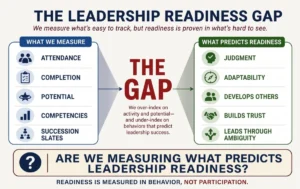
The current landscape of L&D faces a significant and defining challenge: "the tension between keeping pace with rapid change and proving measurable impact." The workplace is in constant flux, driven by rapid technological advancements like AI and automation, evolving work models such as hybrid environments, and shifting employee expectations. These dynamics necessitate the continuous development of new skills, often at an accelerated pace. Simultaneously, organizations are increasingly demanding concrete evidence that learning investments yield tangible business outcomes.
Balancing this imperative for "agility with accountability" is the defining challenge of our time. L&D professionals must be nimble enough to respond to emerging needs while also demonstrating a clear return on investment.
The executive addresses this challenge through a dual approach:
- Proactive Skill Forecasting and Agile Development: Implementing robust processes for identifying future skill gaps and rapidly developing agile learning solutions. This involves leveraging market intelligence, internal data, and expert insights to anticipate needs and create responsive learning interventions.
- Establishing Clear Metrics and Demonstrating Business Value: Moving beyond anecdotal evidence to define and track key performance indicators (KPIs) that directly link learning to business objectives. This includes measuring improvements in productivity, employee engagement, customer satisfaction, innovation, and revenue growth.
In essence, the challenge is to prove that learning is "not just relevant but indispensable." The solution lies in a strategic approach that makes L&D "both agile enough to anticipate disruption and rigorous enough to demonstrate impact." This requires a sophisticated understanding of business strategy, a commitment to data-driven decision-making, and a proactive approach to skill development that positions L&D as a critical driver of organizational success.
The "Learning Insights" series, through its exploration of visionary leaders like this executive, continues to illuminate the critical and evolving role of L&D in shaping the future of work. By embracing innovation, fostering human potential, and demonstrating tangible impact, L&D professionals are poised to lead organizations through the complexities of the 21st century and beyond.