


The intricate demands of teaching, from meticulous lesson planning and intricate scheduling to continuous assessment and administrative tasks, often require a level of executive functioning that can be profoundly challenging for many. For neurodivergent educators, individuals with conditions such as ADHD, autism, dyslexia, and other forms of cognitive diversity, these foundational aspects of the profession can present significant hurdles, frequently leading to overwhelm and burnout. While their unique perspectives, innovative approaches, and profound empathy are invaluable assets in the classroom, the traditional structures of educational institutions are often not designed to accommodate their specific needs, creating an invisible struggle for a substantial segment of the teaching workforce. This article explores the challenges faced by neurodivergent teachers, highlights their indispensable strengths, and outlines critical strategies for both individuals and institutions to foster more inclusive and sustainable educational environments.
The Unseen Challenge: Navigating Executive Functioning in Education
The daily life of a teacher is a masterclass in multitasking and organizational prowess. A new teacher might initially underestimate the sheer volume of mental energy required to juggle lesson delivery, classroom management, student support coordination, and the relentless cycle of grading. This often involves improvising solutions, maintaining multiple mental registers, and constantly adapting to dynamic situations. For those with undiagnosed or poorly supported neurodivergence, this constant high-wire act can lead to chronic stress and a pervasive sense of inadequacy, even when performing admirably. The personal narrative of struggling with executive functioning—such as maintaining an endless pile of graded papers or remembering specific student support schedules—is a common thread among neurodivergent educators, who often perceive these tasks as disproportionately difficult compared to their neurotypical peers. This discrepancy highlights a fundamental disconnect between the inherent demands of the profession and the diverse cognitive profiles of those drawn to it.
Historical Context and the "Lost Generation" of Educators

A significant portion of current educators, particularly those in their 30s, 40s, and 50s, grew up during an era when the concept of neurodiversity was largely absent from public discourse and medical understanding. Diagnostic criteria for conditions like ADHD and autism were much narrower, predominantly focusing on presentations in young boys, often characterized by overt hyperactivity or severe social communication difficulties. Girls, high-achieving students who masked their struggles, or individuals whose neurodivergence manifested in less outwardly disruptive ways, were frequently overlooked. A 2022 report by the National Autistic Society in the UK, for instance, noted that women and girls are still diagnosed with autism later in life than men and boys, often due to different presentations and societal expectations. Similarly, understanding of ADHD has evolved significantly, moving beyond the stereotype of the hyperactive child to encompass inattentive presentations and adult manifestations.
This historical context has given rise to what many refer to as a "lost generation" of neurodivergent adults. For many educators within this demographic, the realization of their own neurodivergence often comes later in life, sometimes triggered by their children receiving diagnoses, or through increased public awareness fostered by social media and podcasts. This late identification provides language and framework for lifelong patterns of feeling overwhelmed, inconsistent, or perpetually on the brink of burnout. The irony for these educators is profound: they were trained to identify and support neurodivergent traits in their students, meticulously documenting behaviors and implementing interventions, yet they rarely applied the same lens to their own experiences. The moment of self-recognition can bring immense relief, validating years of struggle, but also profound grief for the decades spent in self-blame, wondering why basic tasks felt so much harder, and enduring unnecessary exhaustion while striving to conform to neurotypical expectations. This reinterpretation of one’s personal and professional history is a deeply personal journey, impacting how these individuals perceive their work, their students, and the very systems they operate within. Despite growing awareness, the stigma surrounding neurodivergence persists in many professional settings, making it challenging for educators to openly discuss their needs without fear of being perceived as incompetent.
The Unique Contributions of Neurodivergent Educators
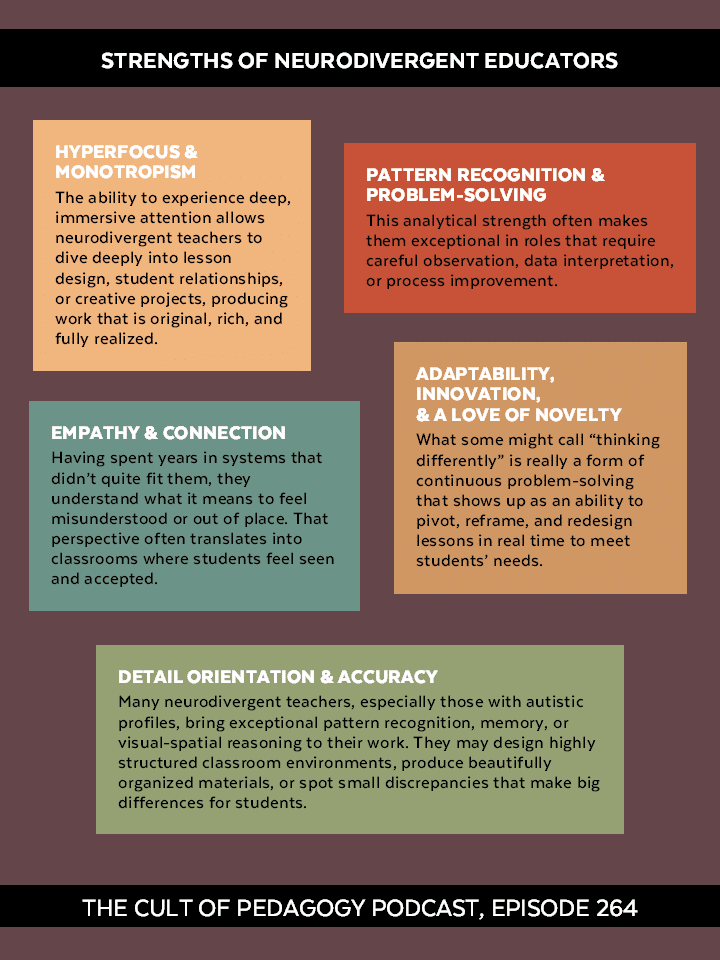
Far from being a liability, neurodivergent teachers often bring a wealth of unique strengths and perspectives that enrich the educational landscape. When environments are supportive, these traits flourish, contributing significantly to school communities. Research consistently highlights the diverse cognitive profiles within neurodivergent populations, revealing a spectrum of abilities that can be highly advantageous in teaching.
- Innovative Problem-Solving and Creativity: Neurodivergent individuals frequently think outside conventional frameworks, offering novel solutions to persistent challenges. This can manifest in imaginative lesson designs, unconventional teaching methods, and creative approaches to student engagement that resonate with diverse learners.
- Deep Empathy and Connection: Having often navigated their own unique learning journeys, neurodivergent educators frequently possess a heightened sense of empathy for students who struggle or learn differently. This fosters strong, authentic connections, creating inclusive classroom environments where all students feel seen and understood.
- Passion and Hyperfocus: When engaged in subjects or tasks that align with their interests, neurodivergent individuals can exhibit intense focus and dedication, often referred to as hyperfocus. This can translate into profound subject matter expertise, meticulously prepared lessons, and an infectious enthusiasm for learning that inspires students.
- Attention to Detail and Pattern Recognition: Many neurodivergent individuals, particularly those on the autism spectrum, demonstrate exceptional attention to detail and an ability to discern patterns or anomalies that others might miss. This can be invaluable in identifying student needs, tracking progress, and refining instructional strategies.
- Authenticity and Role Modeling: When supported, neurodivergent teachers model authenticity and self-awareness. They demonstrate that there isn’t one "right" way to learn or teach, fostering a culture of acceptance and celebrating cognitive diversity within the school community. Students observe adults utilizing various strategies for success, normalizing the idea that different brains operate differently.
- Equity-Mindedness: Having often experienced systemic barriers themselves, neurodivergent educators are frequently champions for equity and inclusion, advocating for students with diverse needs and challenging one-size-fits-all approaches.
These strengths, when allowed to thrive, make neurodivergent educators some of the most dedicated, insightful, and impactful professionals in the field.
Systemic Barriers: When Schools Don’t Fit Neurodivergent Teachers
Despite their strengths, neurodivergent educators often operate within systems that inadvertently deplete their energy and undermine their confidence. Schools are typically structured around routines, expectations, and environments designed for the neurotypical majority. This includes demands for rapid transitions between tasks, seamless multitasking, and tolerance for a constant barrage of sensory and social stimuli. For neurodivergent individuals, these conditions can lead to chronic overwhelm and burnout.
- Executive Functioning Demands: The sheer volume of planning, organizing, prioritizing, and managing multiple deadlines can be exhausting. Traditional administrative tasks, paperwork, and compliance requirements often lack flexibility, creating significant stress points.
- Sensory Overload: Classrooms and school environments are often noisy, visually stimulating, and brightly lit, with fluorescent lights and constant chatter contributing to sensory overload for those with sensory sensitivities.
- Social and Emotional Labor: Constant social interaction with students, colleagues, and parents, coupled with the need to "mask" neurodivergent traits to appear "professional," can lead to immense social fatigue.
- Unpredictability and Frequent Transitions: Schools are dynamic environments, and unexpected changes to schedules, spontaneous meetings, or urgent demands can be highly disruptive for those who thrive on routine and predictability.
- Communication Styles: Expectations for quick responses to emails, participation in numerous meetings, and adherence to specific communication protocols can be challenging, especially for those who process information differently or require more time for verbal formulation.
- Performance Metrics and Evaluation: Traditional evaluation systems may inadvertently penalize neurodivergent teachers for organizational challenges or non-traditional teaching styles, failing to recognize the underlying strengths and contributions.
This paradox—where educators possessing highly valued qualities struggle within rigid structures—highlights a systemic issue. The problem lies not with the neurodivergent teachers themselves, but with environments that, while theoretically celebrating diversity, often fail to provide practical support for it.
Practical Tools and Strategies for Neurodivergent Educators
While advocating for systemic change is paramount, individual neurodivergent educators can implement personal strategies to manage their energy, enhance focus, and make their demanding roles more sustainable. These approaches are highly individualized, and experimentation is key to finding what works best.
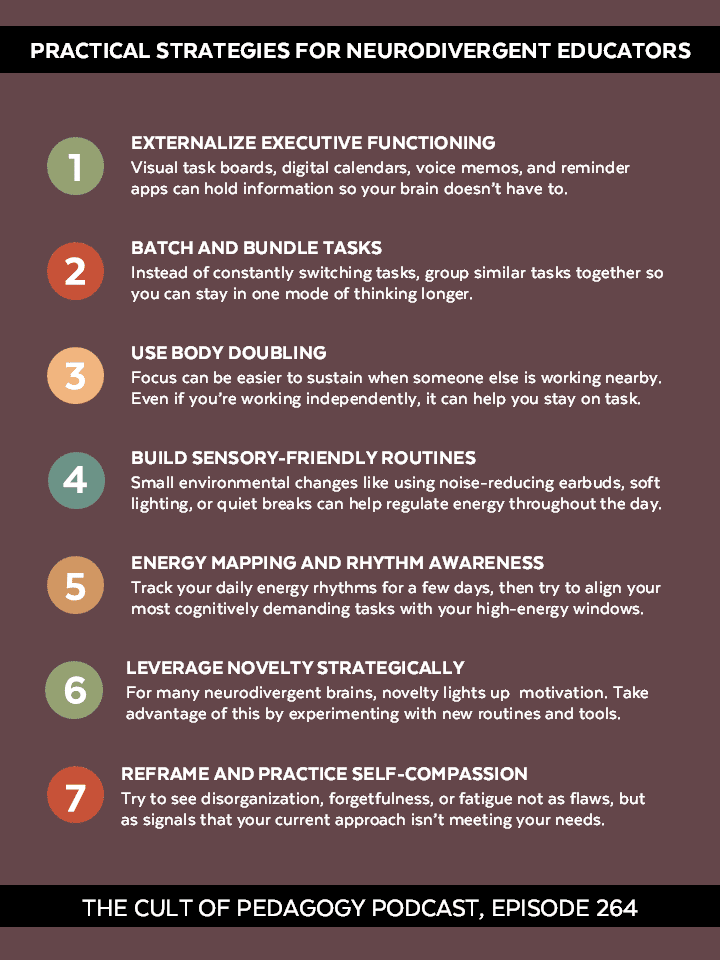
- Externalize Executive Functioning: Recognizing that memory and spontaneous organization can be unreliable, educators can offload mental tasks onto trusted external systems. This includes using visual task boards, digital calendars with robust reminder systems, voice memos to capture fleeting ideas, or automation tools (like IFTTT) for routine digital tasks. The objective is to transform invisible mental clutter into tangible, manageable forms, freeing up cognitive resources.
- Batch and Bundle Tasks: Constant task-switching is a significant energy drain. By grouping similar activities, teachers can maintain a single mode of thinking for longer periods. This could involve dedicating a specific block of time for all grading, another for weekly lesson planning, and a separate slot for parent communications. This minimizes the cognitive "gear-shifting" that often leads to fatigue.
- Utilize Body Doubling: The presence of another person working nearby can significantly improve focus and task initiation, a phenomenon known as "body doubling." Neurodivergent educators can benefit from co-working sessions with colleagues for planning, grading, or report card completion, either in person or virtually. The subtle accountability and shared energy can be a powerful motivator.
- Cultivate Sensory-Friendly Routines: Small adjustments to the physical environment can yield substantial benefits. This might involve using noise-reducing earbuds during prep periods, adjusting lighting (favoring lamps or natural light over harsh fluorescents), and incorporating regular movement breaks or grounding exercises. Establishing "reset rituals"—brief, intentional pauses like stepping into a quiet hallway for deep breaths or sipping water—can help regulate energy throughout the day.
- Energy Mapping and Rhythm Awareness: Understanding one’s own daily energy fluctuations is crucial. By tracking peak focus times and periods of fatigue over a week or two, educators can strategically align cognitively demanding tasks (e.g., lesson planning, providing complex feedback) with their natural high-energy windows, reserving lower-energy times for less intensive work.
- Leverage Novelty Strategically: For many neurodivergent brains, novelty acts as a powerful motivator. This can be harnessed by introducing small variations into routines—experimenting with new lesson formats, reconfiguring classroom layouts, or exploring new digital tools. The key is to use novelty as a spark for engagement, integrating it thoughtfully rather than allowing it to become a distraction.
- Practice Self-Compassion and Reframe: In a system not optimized for neurodivergent brains, it’s easy to internalize struggles as personal failings. Instead, patterns of disorganization or fatigue should be reframed as valuable information, signaling that current approaches need adjustment. Self-compassion fosters a space for experimentation without shame, recognizing that true "professionalism" encompasses honoring one’s individual needs for sustainable practice.
These strategies are not about working harder, but about working smarter and more harmoniously with one’s natural cognitive patterns, ultimately preserving energy and allowing strengths to shine.
Fostering Inclusive Environments: The Role of School Leadership
Supporting neurodivergent educators is not about lowering standards but about ensuring equitable access to a demanding profession. Just as schools differentiate instruction for students, they must differentiate support for their staff. Proactive measures from school leadership are essential for creating truly inclusive workplaces.
- Promote Neurodiversity Awareness and Training: Provide professional development for all staff and administrators on neurodiversity, challenging stereotypes, and highlighting the strengths neurodivergent individuals bring. This builds a culture of understanding and reduces stigma.
- Offer Flexible Accommodations: Be open to flexible working arrangements, such as adjusted schedules, remote work options for certain tasks, or modified meeting participation. Simple accommodations like providing agendas in advance, allowing for movement during meetings, or offering quiet workspaces can make a significant difference.
- Streamline Administrative Tasks: Evaluate and simplify bureaucratic processes and paperwork. Utilize technology to automate routine tasks, and consider dedicated administrative support for teachers, particularly for tasks that are known executive function drains.
- Create Sensory-Friendly Spaces: Assess school environments for sensory triggers. Consider options for adjustable lighting, designated quiet zones for staff, and provide noise-canceling headphones.
- Foster a Culture of Openness and Psychological Safety: Leaders should explicitly communicate that discussing neurodivergent needs is acceptable and encouraged, not a sign of weakness. Establish clear channels for confidential communication and support.
- Provide Mentorship and Peer Support: Connect neurodivergent educators with mentors or peer networks who can offer practical advice, shared strategies, and emotional support.
- Review Evaluation Practices: Ensure that performance evaluations focus on outcomes and impact rather than rigid adherence to specific processes that might disadvantage neurodivergent teachers. Emphasize growth and provide constructive, strengths-based feedback.
- Invest in Technology and Tools: Provide access to organizational software, dictation tools, and other assistive technologies that can help manage executive functioning demands.
- Model Inclusivity: Administrators who openly embrace flexible thinking and demonstrate an understanding of diverse needs set a powerful example for the entire school community.
By implementing these strategies, schools can move beyond mere compliance to actively cultivate environments where all educators feel valued, supported, and empowered to excel.
Broader Implications: A Paradigm Shift for Education
When schools intentionally embrace and support neurodivergent educators, the benefits extend far beyond individual teachers. A workplace that values diverse cognitive styles creates a ripple effect, positively influencing students, school culture, and the long-term sustainability of the profession. Teachers who feel safe and empowered to work in ways that align with their cognitive profiles are better equipped to model that same acceptance and flexibility for their students. Classrooms become spaces where difference is understood as a natural part of learning and human experience, not something to hide or correct. Students witness adults openly using visual schedules, taking sensory breaks, or discussing their unique learning preferences, internalizing the message that these are tools for success, not indicators of deficiency. This normalization of neurodiversity prepares students for a diverse world and fosters a more inclusive future.
For school leadership, approaching neurodiversity with empathy and a commitment to flexibility builds profound trust across the staff. Clear communication, reasonable expectations, and genuine openness foster an environment where all educators feel respected and understood. A culture that prioritizes sustainability over an unattainable ideal of perfection is more likely to retain its most talented and passionate professionals, mitigating the pervasive issue of teacher burnout and attrition. As more educators recognize and embrace their own neurodivergence, the conversation within the education sector is shifting from one of awareness to one of actionable systemic change. Understanding alone is insufficient; it must be translated into concrete policies and practices. Schools that proactively design for flexibility, clarity, and a profound sense of belonging not only improve the working lives of neurodivergent staff but also create a more robust, empathetic, and effective educational ecosystem for every teacher and every student, allowing everyone to show up fully and authentically.