

Microsoft has officially launched its "Hour of AI" initiative, a cornerstone of the upcoming 2025 Computer Science (CS) Education Week, aimed at addressing the rapid transformation of the global workforce through artificial intelligence. In collaboration with CSforALL and a coalition of educational organizations including Code.org, Microsoft is deploying a comprehensive suite of lessons and resources designed to spark curiosity and build foundational AI skills among 25 million learners worldwide. This initiative represents a strategic shift in computer science education, moving beyond traditional coding to encompass the nuances of generative AI, algorithmic problem-solving, and human-AI collaboration.
For decades, the standard for technology education focused on preparing students for predictable career paths in software development and data management. However, the emergence of generative AI has accelerated the pace of innovation, creating a landscape where students are entering an unprecedented world of work. To meet this challenge, Microsoft is prioritizing "AI literacy" as a fundamental requirement for the modern student. The Hour of AI is structured to provide an accessible entry point for learners of all ages, requiring no prior experience and offering interactive, age-appropriate activities that demystify the mechanics of AI and its societal implications.
A Chronological Shift: From the Hour of Code to the Hour of AI
The "Hour of AI" initiative builds upon the significant legacy of the "Hour of Code," which was first launched by Code.org in 2013. For over a decade, the Hour of Code served as the primary vehicle for introducing millions of students to basic programming logic. As the technology sector evolved from static web development to mobile computing, and eventually to cloud-based services, CS Education Week adapted its curriculum. However, the 2023–2024 academic cycle marked a turning point, as the public release of sophisticated large language models (LLMs) necessitated a more specialized focus on artificial intelligence.

The timeline for the 2025 initiative reflects a year-long development process involving pedagogical experts and software engineers. Throughout late 2024, Microsoft worked to integrate AI "agents" into its existing educational platforms, such as Minecraft Education and MakeCode. By early 2025, these tools were refined to ensure they met global accessibility standards and were available in multiple languages. This progression highlights the education sector’s recognition that AI is no longer a peripheral topic in computer science but is now the central framework through which future technology will be built and managed.
Supporting Data: The Economic Imperative for AI Education
The push for AI literacy is supported by a growing body of economic data. According to Microsoft’s 2024 Work Trend Index, approximately 82% of global leaders believe that employees will need new skills to keep up with the growth of AI. Furthermore, the World Economic Forum’s Future of Jobs Report suggests that while AI may displace certain task-oriented roles, it is expected to create 97 million new roles by 2025 that are more adapted to the new division of labor between humans, machines, and algorithms.
Despite this demand, a significant "skills gap" remains. Educational institutions often struggle to update curricula at the same pace as technological advancement. Microsoft’s commitment to reaching 25 million learners through the Hour of AI is a direct response to this disparity. By providing free, web-based resources that do not require high-end hardware, the initiative aims to prevent a new digital divide, ensuring that students in under-resourced communities have the same access to AI training as those in tech-heavy urban centers.
Three New Pillars of the 2025 Hour of AI Experience
The 2025 curriculum is centered on three primary activities, each tailored to a specific age group and learning level. These activities are designed to be completed within a single classroom hour, providing a low-friction way for educators to introduce complex topics.
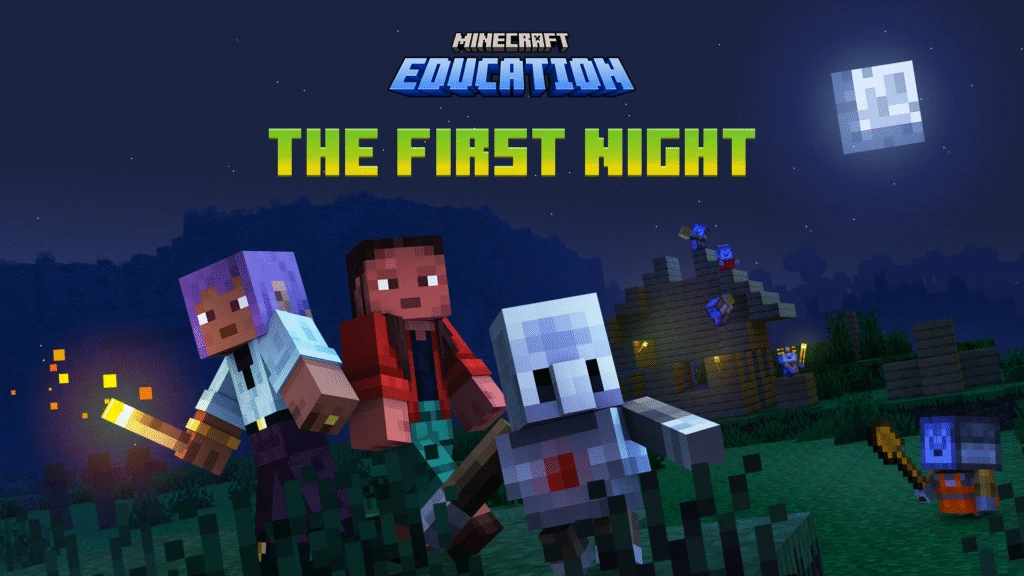
1. Minecraft Education: The First Night
The "First Night" activity utilizes the popular Minecraft platform to introduce students to the concept of AI agents. In this scenario, students must survive their first night in the Minecraft world by gathering resources and building shelter before sunset. However, they do not work alone; they are paired with an AI agent that they must "program" or guide through specific prompts. This lesson teaches students how algorithms function in a dynamic environment and emphasizes the importance of clear communication between humans and AI. The activity is available as a free demo in 29 languages, making it one of the most accessible AI training tools currently available globally.
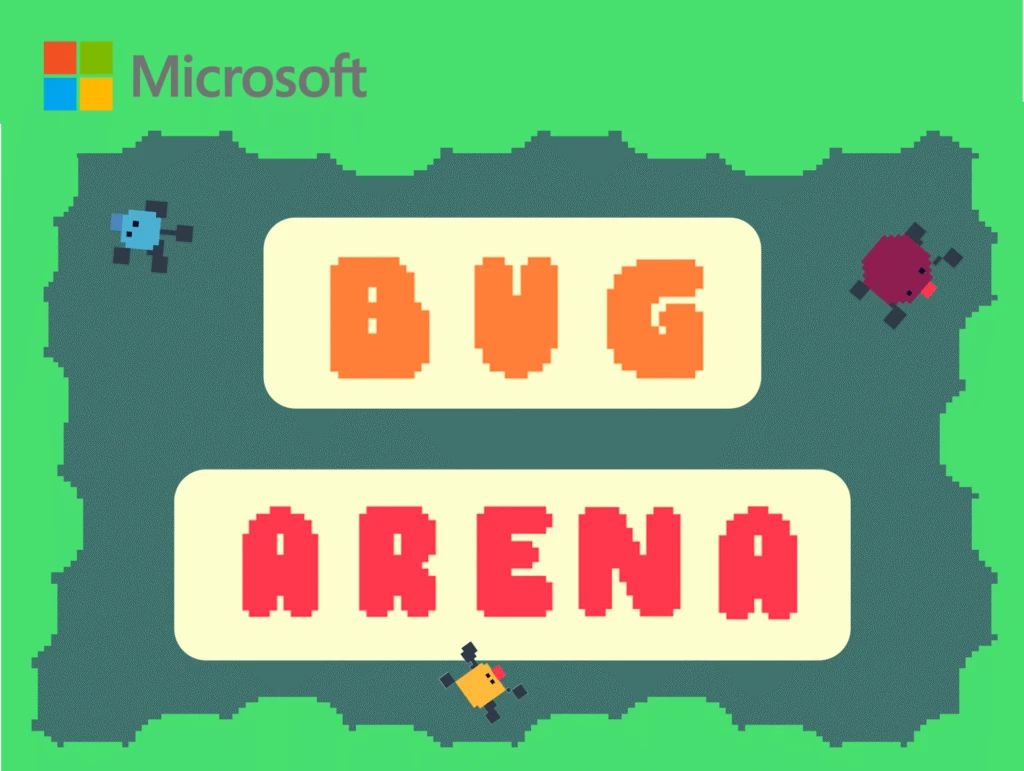
2. MakeCode: Bug Arena
Targeted at students in grades 3 through 8, "Bug Arena" is a game-based tutorial that introduces foundational AI concepts through competition. Students design algorithms for a digital "Bug" and send it into an arena to compete against other AI-powered entities. This activity moves beyond the "black box" view of AI, allowing students to write simple code that controls movement and strategy. By experimenting with their Bug’s performance in real-time, learners gain a hands-on understanding of how machine learning principles and iterative design can improve automated outcomes.
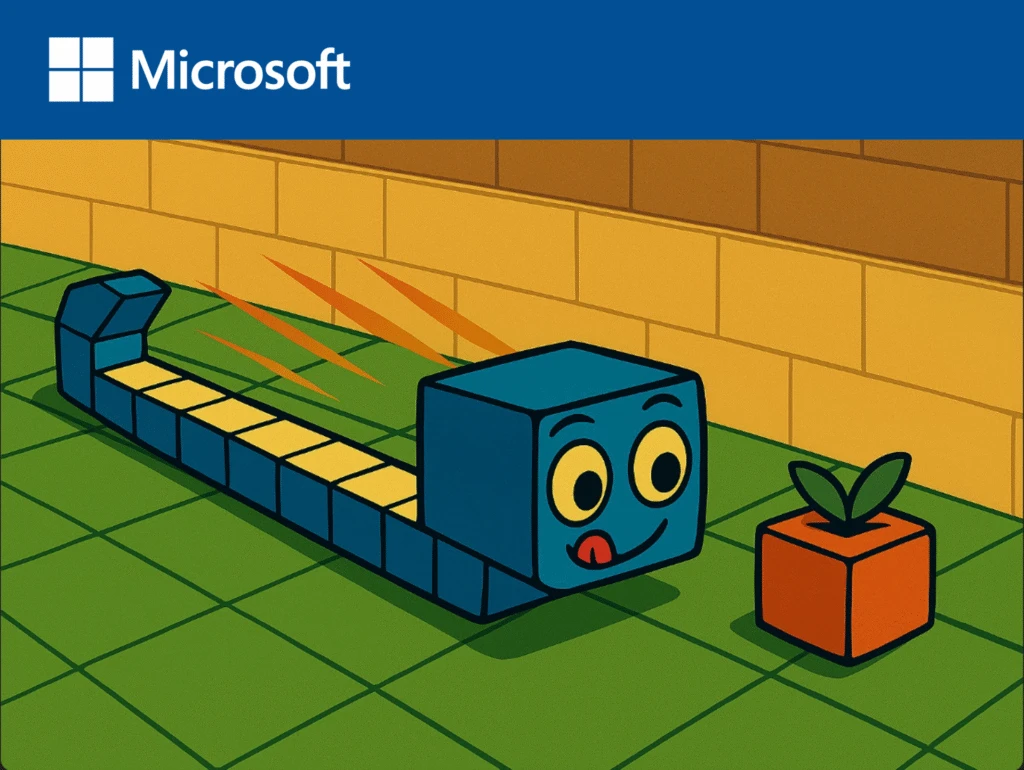
3. Visual Studio Code for Education: Slither Slam
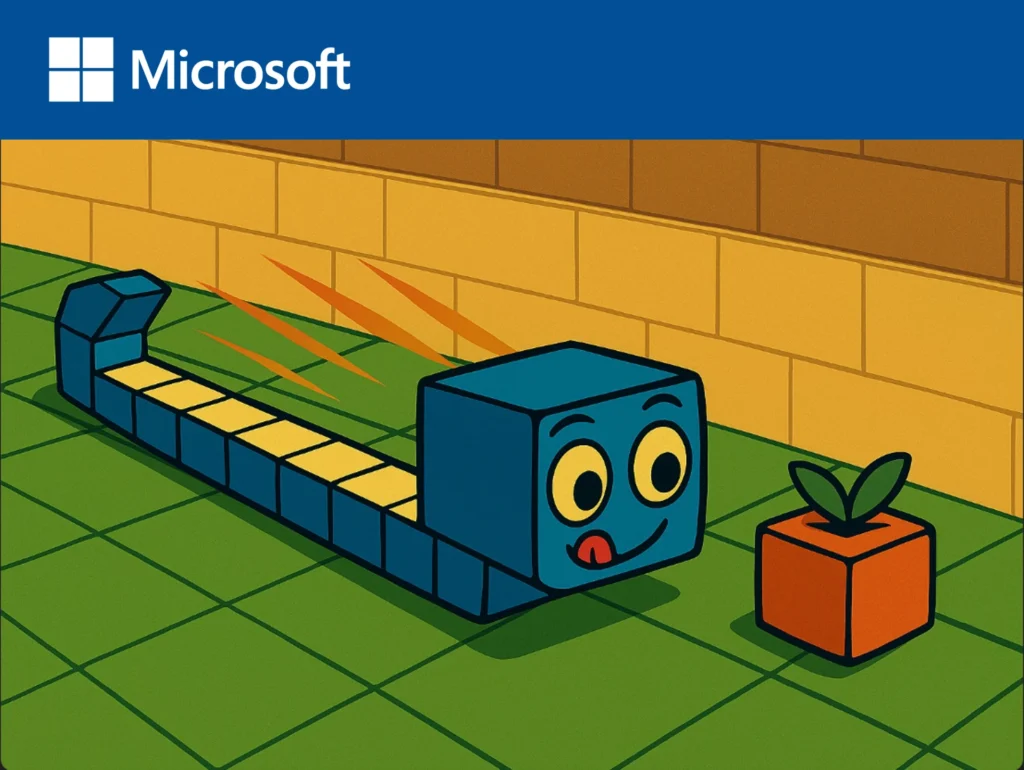
For high school learners in grades 9 through 12, Microsoft has introduced "Slither Slam." This activity is hosted on the Visual Studio (VS) Code for Education platform and focuses on AI-assisted code generation. Students use natural language prompts to generate code for a classic "Snake" game. The pedagogical goal is to teach students how to interact with AI development tools effectively—a skill often referred to as "prompt engineering." By observing how the AI interprets instructions and competing against other AI-generated snakes, students build confidence in both traditional coding and modern AI collaboration.
Official Responses and Educator Integration
The partnership between Microsoft, CSforALL, and Code.org has drawn significant attention from the educational community. Inferred reactions from school administrators suggest a high level of interest in "plug-and-play" resources that align with existing standards. While many teachers express concern about the ethical implications of AI—such as academic integrity and data privacy—the Hour of AI resources include educator materials and lesson plans that specifically address these topics.
"The goal of the Hour of AI is not just to teach students how to use a tool, but to help them understand the ‘why’ and ‘how’ behind the technology," according to statements regarding the initiative’s mission. By providing step-by-step facilitator training, Microsoft is attempting to lower the barrier to entry for teachers who may not feel "AI-ready." This "train-the-trainer" model is essential for scaling the program to reach the 25-million-learner target.
Broader Impact and Long-Term Implications
The implications of the Hour of AI extend far beyond a single week in 2025. This initiative serves as a pilot for how AI can be integrated into broader educational frameworks. A key component of Microsoft’s strategy is "Microsoft Elevate," a year-round program that provides continuous resources for educators. This suggests that Microsoft views the Hour of AI not as a one-off event, but as the beginning of a permanent shift in how computer science is taught.
From a policy perspective, the initiative highlights the growing role of private-sector technology companies in shaping public education. As AI becomes a utility similar to electricity or the internet, the collaboration between tech giants and non-profits like CSforALL becomes vital for setting global standards for AI literacy.
Furthermore, the focus on natural language prompts in activities like "Slither Slam" points to a future where the "language" of computers is no longer just C++ or Python, but human language itself. This democratization of coding could lead to a more diverse pool of developers and innovators, as the technical barrier to creating software is lowered by AI assistance.
Analysis of the Global Educational Landscape
As 2025 approaches, the global educational landscape is at a crossroads. The integration of AI into the classroom has been met with both enthusiasm and caution. Critics argue that over-reliance on AI-assisted tools could diminish foundational problem-solving skills. However, Microsoft’s approach in the Hour of AI appears to balance these concerns by using AI as a partner in the learning process rather than a replacement for student effort.
The success of the 2025 Hour of AI will likely be measured by its ability to reach diverse populations. With resources translated into dozens of languages and activities designed for web-based browsers, the initiative is positioned to have a significant impact on global AI readiness. By empowering students to "shape" AI rather than just "learn about" it, Microsoft and its partners are attempting to cultivate a generation of proactive creators who are equipped to navigate the complexities of an AI-driven future.
As CS Education Week 2025 nears, the focus remains on making AI learning accessible, inclusive, and empowering. Through strategic partnerships and game-based learning, the Hour of AI is set to redefine the boundaries of computer science education, ensuring that the next generation is prepared for the challenges and opportunities of an unprecedented technological era.