
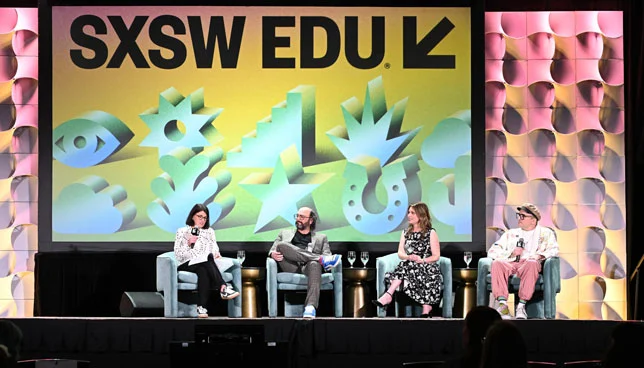



The Orange County Convention Center in Orlando transformed into a bustling hub of educational technology innovation as thousands of K-12 educators, librarians, school administrators, instructional coaches, and global edtech leaders converged for ISTELive 2026. Designed as a pivotal annual gathering for the global teaching community, the conference served as a vital testing ground for where pedagogy meets emerging technology. This year’s overarching narrative centered on a critical maturity phase within the education sector: the decisive pivot from fragmented, individual experimentation with artificial intelligence toward strategic, institutional-wide implementation aimed at measurable learning outcomes.
Against a backdrop of hands-on labs, immersive keynotes, and hundreds of specialized sessions, technology providers and educators alike emphasized that artificial intelligence in schools must be anchored in robust learning science, rigorous data privacy, and practical institutional governance. Among the major participants, Microsoft used the global stage to unveil a suite of advanced Microsoft 365 Education experiences—including tools like Teach, Assignments with AI guidelines, Learning Zone, and the specialized Study and Learn Agent. These releases underscored an industry-wide realization that technological tools are only as effective as the professional development, pedagogical training, and security frameworks supporting them.
Background Context and Event Chronology

ISTELive 2026 builds upon several years of rapid, often reactive technology adoption that accelerated during the early 2020s. Following the initial wave of generative AI disruption that began in late 2022, schools spent the subsequent years grappling with policy vacuums, academic integrity concerns, and the promise of personalized tutoring. By 2024 and 2025, individual teachers had largely taken the lead, experimenting with AI tools in isolation to draft lesson plans or generate quizzes.
The 2026 conference in Orlando marked a formal inflection point. Stakeholders arrived with a shared consensus that ad-hoc usage was no longer sufficient. The chronology of the week reflected this maturation: early days were dominated by high-level institutional strategy panels, such as the Instructional Leadership Exchange (ILX), where district leaders debated governance and equity. Subsequent days transitioned into tactical workshops, classroom demonstrations, and student-centric programs, showcasing how theory translates into daily practice.
Moving From Fragmented Experimentation to System-Wide Governance
A central finding discussed extensively at the convention was the urgent need for structured, system-wide AI governance. According to data highlighted in the newly released Microsoft AI in Education Report, educational institutions are shifting away from uncoordinated teacher-led pilots toward comprehensive district strategies. Leaders at the conference noted that aligning AI deployment with existing curricular priorities, pedagogical standards, and data privacy regulations is essential to prevent equity gaps between well-resourced districts and underfunded schools.

This institutional approach requires administrators to evaluate not just the software capabilities of a given platform, but its grounding in cognitive science. To aid this transition, Microsoft introduced a companion white paper titled Learning by design. The document outlines the cognitive and learning science foundations behind modern adaptive tools, such as the Study and Learn Agent, providing school boards and instructional supervisors with an evidence-based framework to evaluate edtech investments and design purposeful professional development programs.
Empowering Educators: Community, Capacity Building, and Professional Support
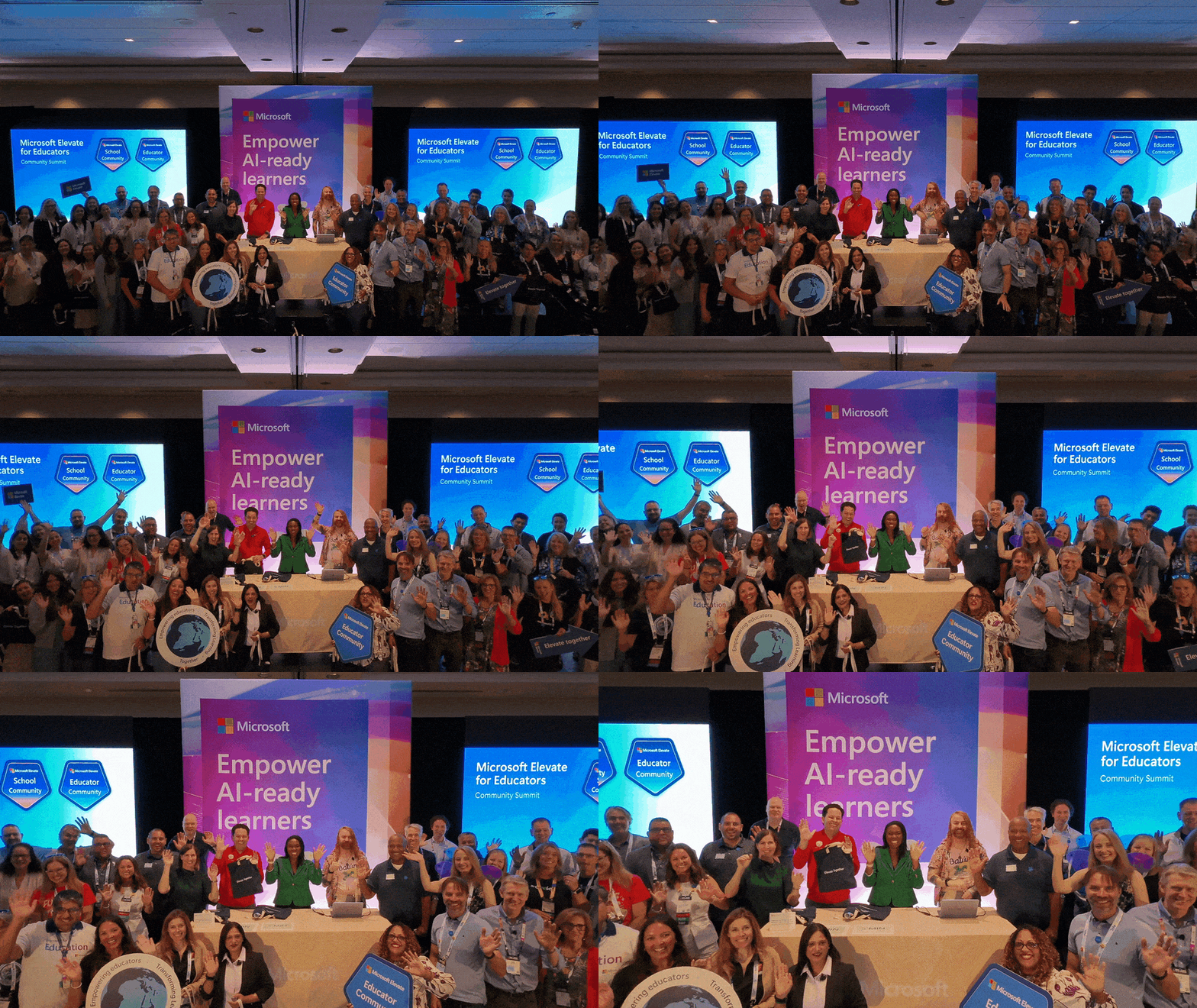
Even as sophisticated algorithms and automated assistants enter the classroom, the human element of teaching remains paramount. During an evening reception for the Microsoft Elevate for Educators network—a global community encompassing more than 43,000 teachers and school leaders—industry representatives emphasized that technology must serve to elevate human instruction rather than replace it.
Pat Yongpradit, General Manager of Global Education and Workforce Policy, captured the sentiment of the gathering during his keynote address, noting that contemporary society relies heavily on the expertise, resilience, and dedication of great teachers. To combat educator burnout and foster continuous improvement, global professional networks are increasingly focusing on capacity-building resources, accredited digital credentials, and peer-to-peer mentorship structures that allow educators to share best practices across international borders.
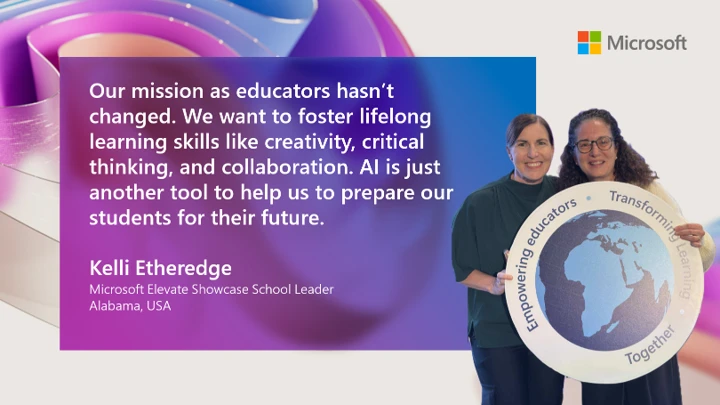
Redefining Screen Time as Meaningful Learning Time
A recurring debate among educators, parents, and researchers has long focused on the volume of daily screen time consumed by students. At ISTELive 2026, teachers and instructional designers proposed a fundamental reframing of this discussion. Rather than fixating strictly on the number of hours students spend interacting with electronic devices, education professionals are shifting their evaluation metrics toward the quality and intent of that interaction.
The prevailing consensus in Orlando was that digital environments must be judged by whether they facilitate passive consumption or active, critical engagement. By leveraging purpose-built AI tools designed for collaborative problem-solving, creative output, and personalized feedback, classrooms can effectively convert traditional screen time into high-value learning time. This philosophy underpins newer educational technologies that prompt students to analyze assumptions, synthesize complex texts, and engage in productive cognitive struggle rather than simply accepting automated answers.
Fostering Early AI Literacy Through Gamified Platforms

Preparing students for a workforce profoundly reshaped by automation requires introducing fundamental computational thinking and digital literacy concepts long before high school graduation. Minecraft Education addressed this imperative at the conference by announcing the Velocity Prize, a new international skills challenge scheduled to open in October 2026. Aimed at students aged 13 to 16, the competition challenges participants to apply coding principles, computational logic, and AI-assisted problem-solving strategies within immersive digital environments.
In tandem with the challenge, Minecraft Education rolled out comprehensive AI literacy toolkits designed to make complex technological concepts accessible to younger learners, parents, and educators. By utilizing game-based mechanics that encourage experimentation and digital safety, schools have found a reliable on-ramp for teaching foundational algorithmic concepts, data privacy principles, and responsible digital citizenship without overwhelming students with dense technical jargon.
Broader Impact and Policy Implications
The implications of the developments showcased at ISTELive 2026 extend far beyond the exhibition halls of the Orange County Convention Center. As school districts finalize their budgetary and technological roadmaps for the upcoming academic year, the pressure to demonstrate a clear return on investment—measured in student engagement, foundational literacy, and critical thinking skills—has never been higher.

Economic and labor market analysts suggest that early, structured exposure to AI literacy will be a critical determinant of future workforce readiness. However, policy experts caution that widespread adoption must be carefully monitored to safeguard student data privacy, ensure equitable access for rural and low-income student populations, and maintain academic integrity. The transition from early experimentation to systemic integration requires continuous dialogue among policymakers, software developers, educators, and families.
Looking Ahead: Sustaining the Momentum
While the formal sessions of ISTELive 2026 have concluded, the conversations, partnerships, and strategic initiatives launched in Orlando are expected to reverberate throughout the global education sector for months to come. Districts are currently reviewing the extensive documentation, presentation recordings, and implementation toolkits made available by conference organizers and corporate partners.
Ultimately, the success of the innovations highlighted at this year’s event will not be judged by the sophistication of the technology itself, but by how effectively it supports educators in their daily mission to inspire, guide, and empower the next generation of learners. As schools worldwide continue to navigate the complexities of the digital age, the collaborative frameworks established in Orlando provide a vital roadmap for sustainable, student-centered educational transformation.