


The nationwide effort to reclaim American classrooms from the persistent distraction of smartphones is encountering a predictable yet formidable obstacle: enforcement fatigue. According to a comprehensive study released in September 2026 by the Brookings Institution, initial enthusiasm and strict adherence to school-issued cellphone restrictions tend to erode over the course of an academic year. As students discover sophisticated workarounds to bypass restrictions and teachers gradually become less vigilant, the efficacy of these policies experiences a measurable decline.
The findings arrive at a critical juncture in American education. Over the past several years, school districts spanning diverse geographic regions, demographic makeups, and political leanings have rushed to implement stringent limitations on personal electronic devices. Policymakers, educators, and parents have increasingly pointed to smartphones not merely as an unwelcome distraction, but as a primary driver of declining academic performance, rising mental health crises among adolescents, and diminished socialization within school buildings. Yet, translating broad legislative mandates or local school board policies into sustained, daily classroom reality remains a complex operational challenge.
The Evolution of School Cellphone Policies
The modern push to restrict mobile devices in K-12 schools represents a stark reversal from the permissive technology trends of the 2010s. For years, educational technology initiatives encouraged students to bring their own devices to facilitate digital learning. However, the post-pandemic return to in-person instruction exposed severe negative externalities associated with unchecked smartphone access. Educators reported rampant multitasking, social media-induced anxiety during instructional hours, and widespread academic dishonesty facilitated by the rise of generative artificial intelligence tools accessible via mobile browsers.
By 2024 and 2025, public sentiment had shifted dramatically. A series of surveys published by the Brookings Institution indicated that an overwhelming majority of parents and teenagers recognized the disruptive nature of phones in learning environments, paving the way for sweeping legislative and administrative actions. Nearly half of U.S. states have now passed or proposed "bell-to-bell" bans, which legally require or strongly encourage schools to prohibit student phone use from the moment the morning bell rings until dismissal. Other jurisdictions have adopted more decentralized approaches, empowering individual school districts or building administrators to craft policies tailored to their specific communities.
Data from the latest Brookings survey, conducted across public, private, and charter schools using nationally representative samples of teenagers in October 2025 and May 2026, highlights the widespread adoption of these rules. The research indicates that 56% of surveyed teens attend schools enforcing strict bell-to-bell bans, while the remaining 44% navigate less restrictive environments that limit phone use solely during instructional periods or specific zones within the building.
The Bipartisan Consensus Behind Device Restrictions
Unlike many contentious issues in contemporary American education—such as curriculum choices, funding mechanisms, or pedagogical frameworks—cellphone restrictions have emerged as a rare area of bipartisan agreement. Proponents from across the political spectrum argue that restoring focus to the classroom is an essential prerequisite for academic recovery.
Paul Peterson, a professor of public policy at Harvard University and senior editor of the research journal Education Next, underscored this broad consensus in a policy interview. "This is not a controversial issue along partisan lines," Peterson noted, emphasizing that widespread public support is directly tied to observed declines in student performance across domestic and international educational assessments over the last decade and a half.
This sentiment was reinforced by international data from the Programme for International Student Assessment (PISA). Global test results released by the Organisation for Economic Co-operation and Development highlighted historic declines in foundational subjects like mathematics and reading. Educational researchers analyzing the PISA findings pointed to ubiquitous screen time, digital fragmentation, and the distractions posed by unregulated personal technology as significant contributing factors to the downward trajectory in student achievement. By removing the constant temptation of notifications, social media feeds, and texting apps, policymakers hoped to reverse these learning losses and improve student mental well-being.
The Brookings Study: Tracking Policy Erosion Over Time
Despite the strong philosophical backing and legislative momentum behind school cellphone bans, the Brookings research led by analysts Dan Silver, Amie Rapaport, and Morgan Polikoff reveals a revealing gap between policy on paper and daily practice on the ground. While bell-to-bell bans perform noticeably better than flexible alternatives, both policy types experience measurable slippage as the academic year progresses.
The longitudinal data collected between October 2025 and May 2026 tracked how student behavior and rule enforcement evolved over time. Under strict bell-to-bell policies, researchers observed a 10-percentage-point increase in the proportion of students admitting to using their cellphones during core academic classes, rising from 25% at the beginning of the school year to 35% by its conclusion.

In contrast, schools operating under more flexible cellphone policies—such as rules permitting phone use during lunch, passing periods, or study halls—experienced a much steeper decline in compliance. In these environments, the share of students reporting phone use during core instructional time jumped by 18 percentage points, surging from 32% in October to over 50% by May.
These findings suggest that while absolute bans do not eliminate illicit device usage entirely, they create a higher baseline of resistance against creeping informality. Flexible rules, by their very nature, appear to create cognitive ambiguity that both students and staff find harder to navigate consistently.
The Mechanics of Non-Compliance: Student Workarounds and Teacher Fatigue
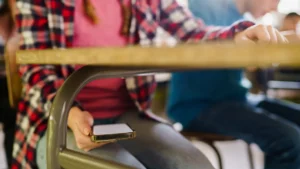
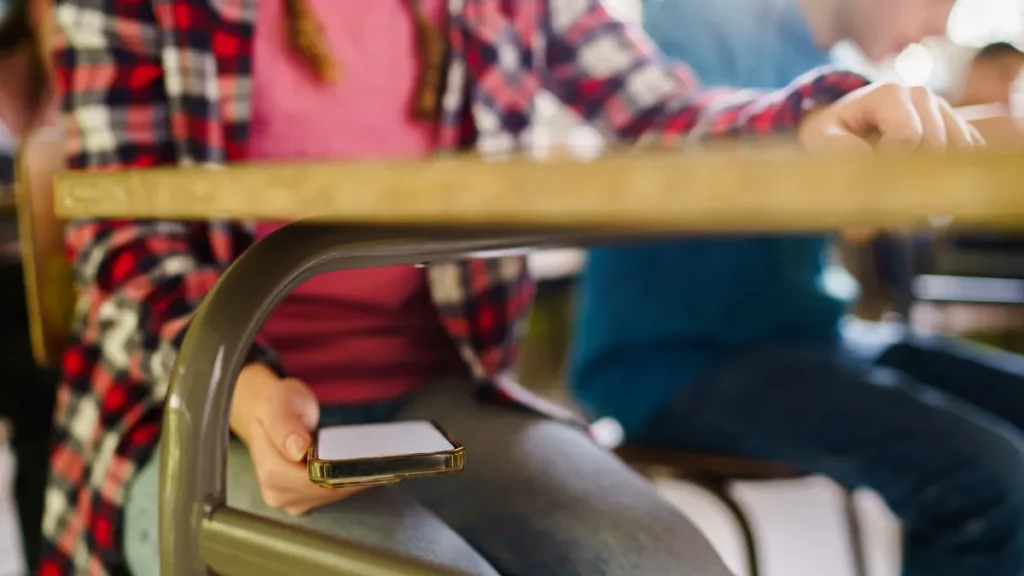
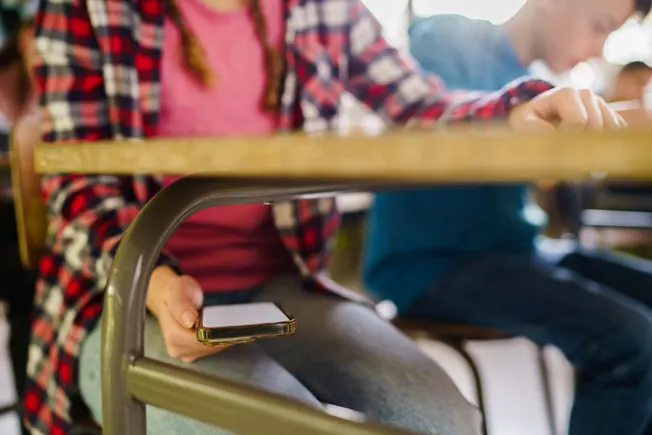
Understanding why compliance rates slip requires examining the daily micro-interactions inside modern classrooms. As the novelty of new school year policies fades, students frequently develop creative strategies to bypass administrative oversight. Rather than brazenly scrolling through social media feeds on top of their desks—which invites immediate confiscation—tech-savvy teens utilize concealment techniques. Phones are routinely kept inside backpacks, positioned flat inside open textbooks, hidden beneath desks, or tucked into the laps of seated students.
Concurrently, educators face their own version of enforcement fatigue. At the start of the academic year, school faculties are typically energized and unified in implementing new mandates. Teachers establish clear boundaries, confiscate non-compliant devices immediately, and rely on administrative backing to enforce disciplinary consequences.
However, as the months wear on, the exhausting daily friction of policing screens takes a heavy psychological toll on instructional staff. Teachers report feeling that constantly monitoring students for hidden devices detracts from their primary mission of delivering lessons and building positive rapport. Furthermore, inconsistent administrative follow-through, pushback from parents unhappy about delayed communication with their children, and the sheer volume of infractions can lead to desensitization. When teachers realize that enforcing the ban on every single hidden device results in endless disciplinary paperwork and instructional downtime, vigilance naturally wanes.
Student Perceptions: Reluctant Acceptance

Interestingly, the Brookings research uncovered a nuanced shift in student attitudes regarding the bans over the course of the academic year. While teenagers were predictably unhappy with the implementation of strict phone rules from day one, their overall opposition softened slightly by the time spring arrived.
Researchers noted that although students were far from enthusiastic about giving up their devices, they reported a greater baseline acceptance of the rules in schools where enforcement remained firm and predictable. This finding suggests that adolescents, much like adults, adapt to structural routines when boundaries are consistently maintained, even if they initially protest the restrictions.
Implications for School Administrators and Policymakers
The September 2026 Brookings analysis offers clear guidance for school districts grappling with the realities of device management. The authors argue strongly in favor of maintaining firm enforcement structures, concluding that strong bell-to-bell bans remain the most effective tool for minimizing digital distractions.
"On balance, our survey findings support continued implementation and enforcement of phone restrictions, including strong bell-to-bell bans," Silver, Rapaport, and Polikoff wrote in their analysis. They emphasized that students in schools with robust policies utilized their phones less frequently, perceived stricter enforcement, and ultimately grew less resistant to the rules over time compared to their peers in flexible environments.
For school administrators, the data serves as both an endorsement of strict bans and a warning about implementation drift. Simply passing a policy or purchasing locked pouches is insufficient; long-term success requires ongoing professional development for teachers to manage device infractions efficiently, robust administrative backing to shield educators from parental pushback, and periodic mid-year policy reviews to combat staff fatigue.
As states continue to debate legislative bans and school boards refine local student handbooks, the challenge ahead is not merely deciding whether phones belong in schools, but sustaining the operational willpower required to keep them out of the classroom.