



In the modern corporate landscape, the function of learning and development (L&D) is undergoing a fundamental shift from a peripheral support service to a core strategic driver of organizational resilience. As industries ranging from public transportation and manufacturing to utilities and construction face a convergence of an aging workforce, rapid technological integration, and increasing regulatory complexity, the traditional classroom-based training model is proving insufficient. Leading executives in the field of technical training are moving toward a comprehensive ecosystem that prioritizes operational readiness, safety, and continuous performance support over simple course completion metrics.
This evolution marks a departure from the 20th-century instructional design paradigm. Historically, corporate learning was viewed as a discrete event—a seminar or a workshop—designed to impart information. Contemporary leaders, however, are now utilizing a sophisticated blend of artificial intelligence (AI), extended reality (XR), and data analytics to embed learning directly into the workflow. This transition is not merely cosmetic; it is a tactical response to a global labor market characterized by a shrinking pool of skilled workers and a growing necessity for high-level technical proficiency.
The Strategic Shift: From Training to Workforce Capability
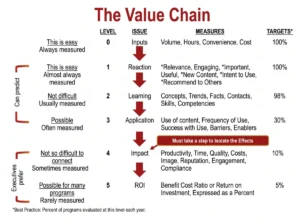
The traditional L&D model often relied on volume-based metrics, such as "hours of training delivered" or "number of employees trained." Modern, high-performing organizations have largely abandoned these benchmarks in favor of performance-based outcomes. This shift is driven by the necessity of "operational readiness." In safety-critical industries, the primary objective is to ensure that personnel can execute complex tasks consistently and safely under high-pressure conditions.
A standardized, systems-approach-to-training (SAT) model has emerged as the gold standard for these high-stakes environments. This methodology aligns training directly with job performance requirements, regulatory mandates, and safety protocols. By establishing clear governance and role-based certification pathways, organizations are successfully reducing the gap between training and on-the-job execution. According to recent industry surveys, organizations that align their L&D strategy with business operations report a 25% higher rate of workforce adaptability compared to those that maintain siloed learning departments.
The Role of Technological Innovation in Skill Acquisition
The integration of technology into workforce development is currently the most significant catalyst for change. The adoption of XR—which includes virtual, augmented, and mixed reality—is moving beyond the pilot phase and into full-scale enterprise deployment. Unlike static digital learning modules, XR provides a risk-free environment where employees can rehearse complex, high-risk procedures. This is particularly vital in sectors where field errors carry significant financial or safety consequences.
Furthermore, AI is transforming knowledge management. As veteran employees approach retirement, organizations face a critical risk of "institutional knowledge drain." AI-enabled systems are being utilized to capture, categorize, and disseminate this expertise. By providing real-time performance support, these systems allow less experienced staff to access the collective wisdom of their predecessors at the precise moment of need, thereby shortening the time-to-competency for new hires.
Chronology of Modern L&D Transformation
The transition toward integrated workforce development has followed a distinct trajectory over the past decade:
- 2010–2015: The era of digitizing legacy content. Organizations prioritized moving classroom materials to Learning Management Systems (LMS) to reduce travel costs and standardize delivery.
- 2016–2020: The shift toward "performance support." Leaders began questioning the efficacy of long-form training, moving toward micro-learning and mobile-accessible resources that employees could consult while in the field.
- 2021–Present: The integration of "learning ecosystems." Today’s focus is on connecting data across HR, operations, and safety platforms. The current standard is to treat learning as a continuous, data-driven process that responds to real-time performance gaps.
The Human Factor: Leadership in a Technical Environment
Despite the influx of technology, the human element remains the most critical variable in the success of any training initiative. The role of the contemporary L&D leader has evolved to mirror that of a business executive rather than an educator. Successful leaders in this space now demonstrate high levels of "operational credibility." They must be able to speak the language of safety, finance, and logistics, ensuring that training interventions are perceived as tools for success rather than administrative hurdles.
A key leadership strategy currently gaining traction is the "multiplier effect." Rather than attempting to control all aspects of a project, the most effective executives focus on building internal capacity. This involves creating mentoring programs, establishing peer-to-peer coaching networks, and delegating complex problem-solving tasks to mid-level managers. This approach not only scales the impact of the L&D department but also fosters a culture of ownership and adaptability across the workforce.
Addressing the Industry-Wide Challenge: The Skills Gap
The primary challenge facing the industry remains the "perfect storm" of retiring subject matter experts and an increasingly complex technological landscape. Data from the manufacturing and infrastructure sectors suggests that for every five skilled technicians who retire, only two are entering the field with the requisite foundational skills. This creates a massive void in operational knowledge that cannot be filled by traditional recruitment alone.
To address this, organizations are rethinking their "time-to-qualification." By leveraging data analytics, firms can now identify precisely where employees are struggling in their certification pathways and provide targeted, personalized intervention. This proactive approach to performance management reduces the time required for a new employee to become fully productive by an estimated 30–40%.
Broader Economic and Operational Implications
The implications of this shift are profound. When an organization treats workforce development as a strategic business imperative, the ripple effects are felt throughout the entire enterprise:
- Safety and Risk Mitigation: Better training leads to fewer workplace incidents, which significantly lowers insurance premiums and avoids costly operational shutdowns.
- Regulatory Compliance: Standardized, competency-based training models provide an auditable trail of workforce readiness, which is essential for industries subject to government oversight.
- Retention and Morale: Employees are more likely to remain with an organization that provides clear career paths and the tools necessary for professional growth. Investing in human capital is increasingly recognized as a primary tool for talent retention in a competitive labor market.
Conclusion
The future of workplace learning lies in the seamless integration of human expertise and advanced technology. As the boundary between the "learning environment" and the "working environment" continues to dissolve, the most successful organizations will be those that prioritize agility and data-backed performance. The move away from the "event-based" training model represents a permanent transition in how global businesses prepare for the challenges of the future. By focusing on the continuous development of workforce capability, leaders are not just training employees; they are building the structural integrity of their organizations for decades to come. As technology continues to evolve, the ability to effectively translate that innovation into human skill will remain the ultimate competitive advantage.