

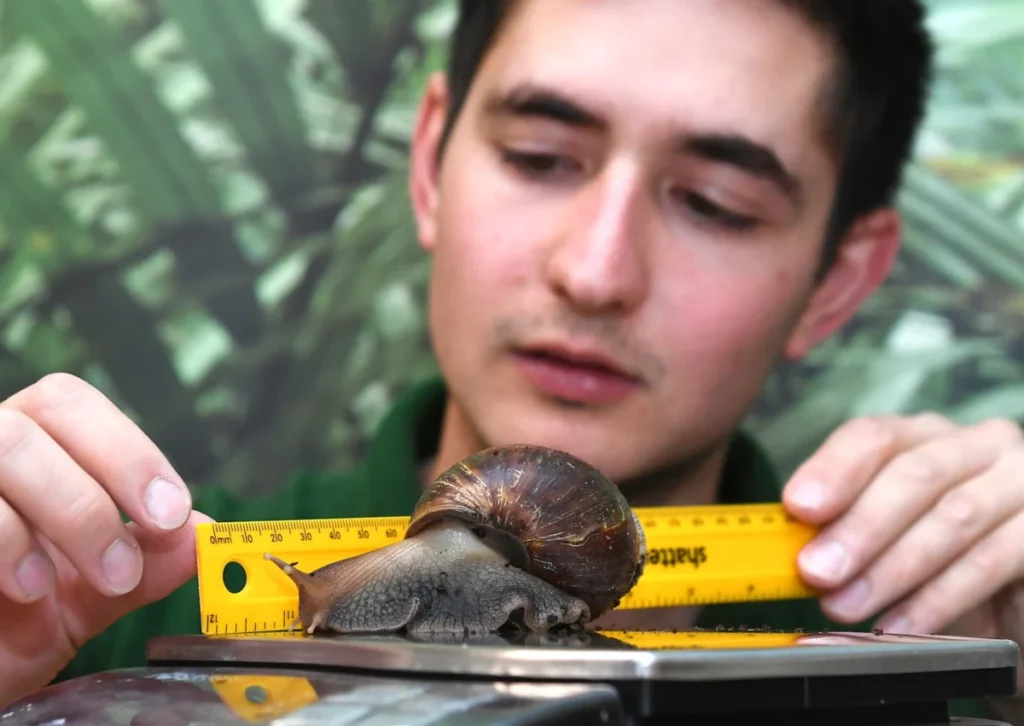
The international conservation community has achieved a major milestone in invertebrate preservation as a specialized shipment of 500 adult Partula snails makes its way from the American Midwest toward its final destination in the tropical rainforests of Tahiti. Originally bred by expert handlers at the Detroit Zoo in Royal Oak, Michigan, the critically endangered mollusks recently touched down at the St. Louis Zoo in Missouri for a brief, highly monitored layover. This carefully orchestrated logistical maneuver represents just one component of a broader, decades-long global campaign to restore biodiversity to French Polynesia and reverse the devastating impacts of historical ecological disruption.
The live-animal cargo transit relies on precise coordination between major zoological institutions and shipping providers. Transported via priority overnight services like FedEx or UPS, the invertebrates are secured inside specialized containment units engineered to withstand the rigors of long-distance transit. According to Mark Vassallo, Curator of Amphibians at the Detroit Zoological Society, the shipping containers incorporate advanced insulating materials alongside phase-change temperature stabilization packs. These components ensure that the delicate animals are shielded from thermal fluctuations while en route. During their stopover in St. Louis, the 500 adult snails receive a specialized, nutrient-dense diet designed to condition them for the ecological demands of the wild before embarking on the final trans-oceanic leg of their journey.
The Root of the Crisis: A Century of Ecological Disruption
To understand the profound significance of this 2026 reintroduction initiative, conservation scientists emphasize the need to examine the fragile history of the Partula genus. Native exclusively to the high volcanic islands of French Polynesia—including Tahiti, Moorea, and Raiatea—these small, arboreal snails once thrived as a diverse, ecologically vital component of local ecosystems. Within Polynesian cultural heritage, the distinct spiral shells of different Partula species even served as biological emblems representing individual islands, reflecting a deep-rooted connection between the human populations of the Pacific and their endemic wildlife.
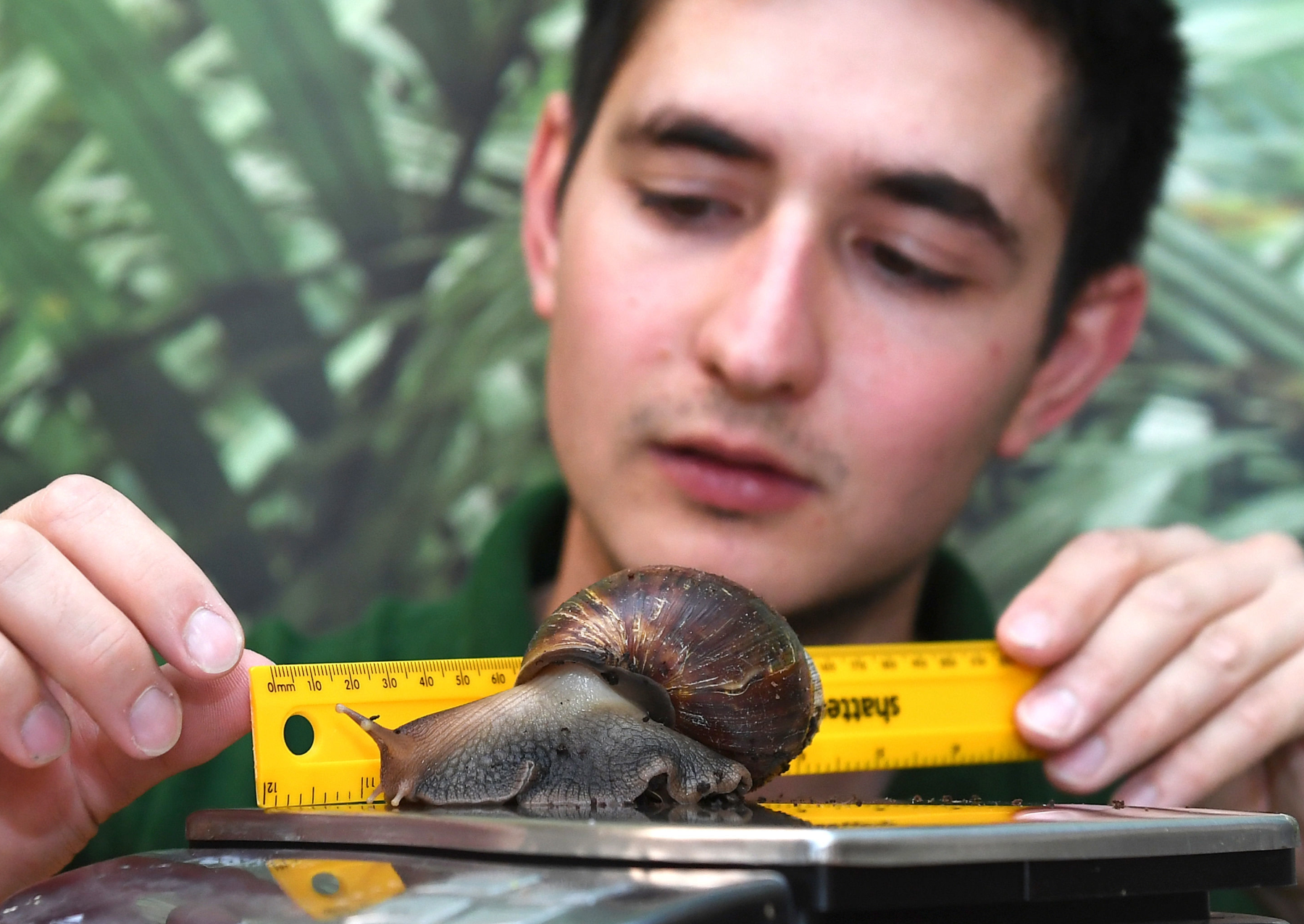
However, the ecological balance of the region was upended in the 20th century through well-intentioned but disastrous biological management interventions. Faced with an invasion of agricultural pests, human authorities introduced the rosy wolf snail (Euglandina rosea) to the islands as a biocontrol agent meant to curb populations of the invasive giant African land snail. Instead of targeting the pest, the voracious predatory rosy wolf snail specialized in hunting native fauna, deliberately seeking out the slow-moving, defenseless arboreal Partula snails.
The consequences were catastrophic. The introduction of the predator triggered one of the most rapid and devastating mass extinctions of invertebrates in modern history. Dozens of distinct Partula species were systematically wiped out in the wild within a matter of decades, earning the genus a grim reputation among malacologists as a prime example of the vulnerability of island biodiversity. By the late 20th century, multiple species within the genus—including Partula nodosa—were formally classified as extinct in the wild, surviving only through the concerted rescue efforts of international zoological institutions operating breeding arks thousands of miles away from the Pacific.
A Multi-Decadal Chronology of Hope
The ongoing recovery effort is the result of a meticulously planned chronology spanning more than 30 years. Following the near-total collapse of wild populations in the 1980s and 1990s, an informal international consortium of zoos and botanical gardens—often referred to as the Partula Global Species Management Plan—was established to maintain captive assurance colonies. Zoos across North America and Europe pooled their resources, sharing genetic lines to prevent inbreeding depression and preserve the remaining lineages.
Throughout the late 1990s and 2000s, institutions such as the Detroit Zoo, the St. Louis Zoo, the Audubon Nature Institute in New Orleans, and the Zoological Society of London’s Whipsnade Zoo perfected the husbandry techniques required to breed these delicate tree-dwelling creatures in captivity. By the 2010s, captive numbers reached a threshold that permitted experimental, small-scale reintroductions back into protected habitats in French Polynesia.
As ecological restoration methodologies improved, so did the scale of the releases. Over the decades, the collaborative network has successfully returned more than 17,000 individual Partula snails representing 11 distinct species back to their native island habitats. The current 2026 initiative builds directly upon this framework, highlighted by parallel efforts such as the recent dispatch of 200 additional Partula snails from the Audubon Nature Institute to Tahiti, demonstrating a coordinated, multi-institutional push to maximize genetic diversity in the field.
Tracking and Monitoring the 2026 Cohort
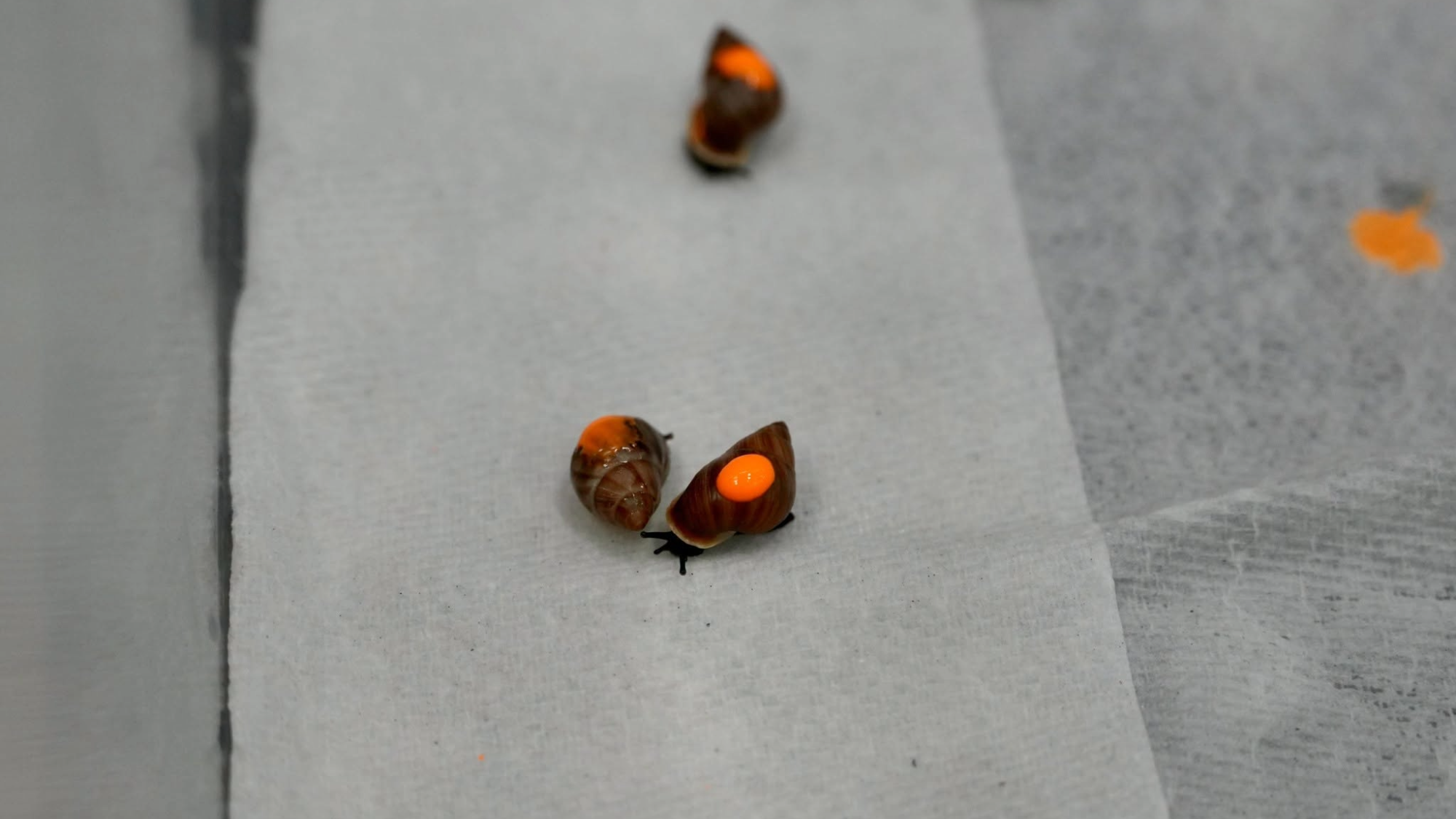
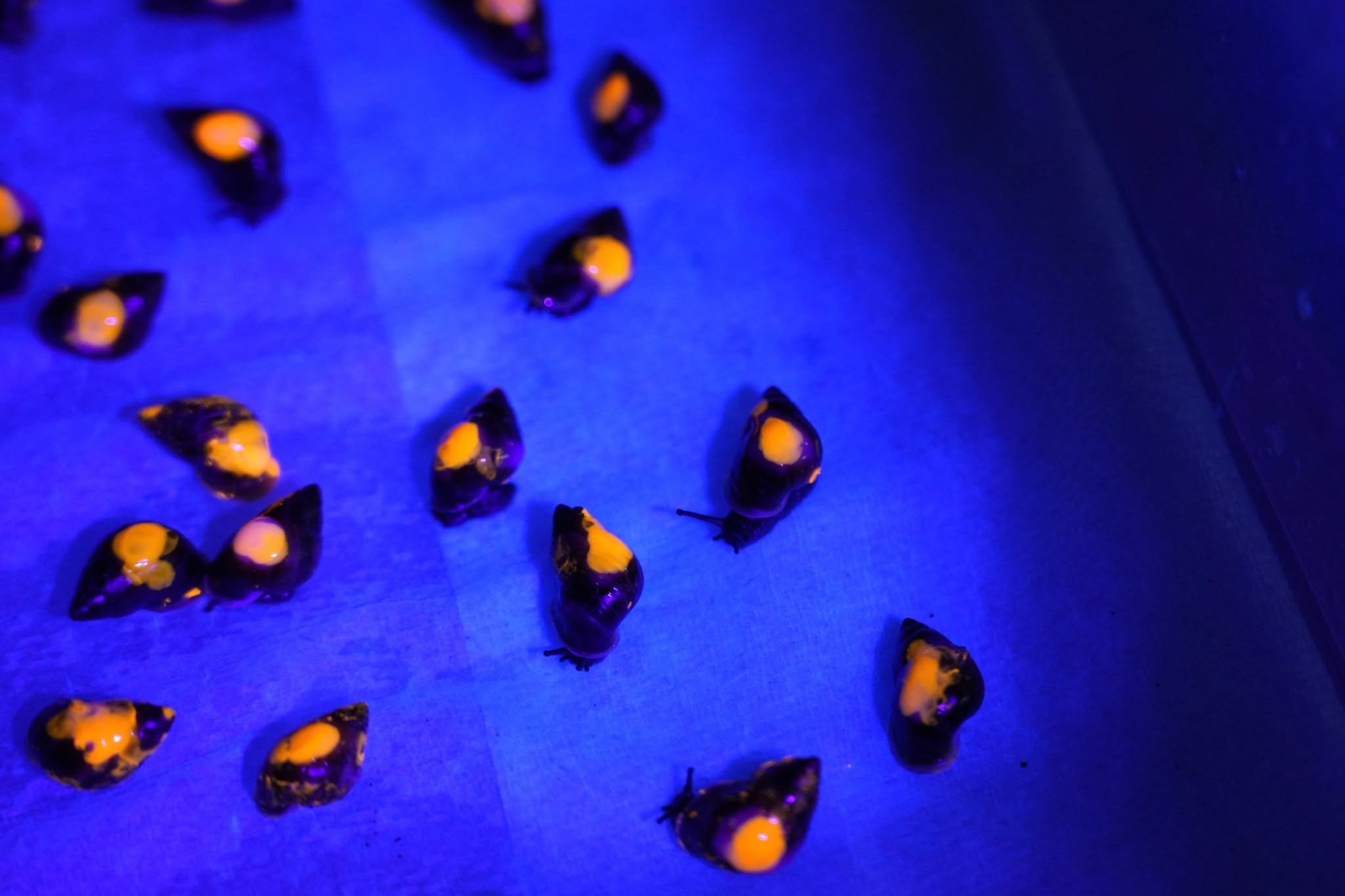
Reintroducing captive-bred invertebrates into vast, dense tropical forests presents unique tracking and monitoring challenges for field biologists. To overcome this hurdle, conservationists have implemented a standardized, non-invasive identification protocol. Every single snail slated for the 2026 release has its shell marked with a precise dot of animal-safe paint.
For the current cohort, conservation teams selected a vibrant orange hue. Because the specialized paint is chemically formulated to react under ultraviolet (UV) light, field researchers conducting nocturnal surveys in the Tahitian rainforests can easily spot the glowing markers. Furthermore, the color scheme rotates annually, allowing scientists to track specific generation cohorts, measure growth rates, and assess survival timelines over multi-year periods. This systematic tracking ensures that field data remains robust, enabling adaptive management strategies if environmental stressors threaten newly established colonies.
Defining Success in Invertebrate Conservation
Evaluating the long-term viability of a reintroduced invertebrate population requires clear, scientifically rigorous metrics. When defining what constitutes true success in conservation terms, experts look far beyond the initial celebratory release events.
Mark Vassallo explains that while conservation milestones can be categorized in progressive stages, the ultimate benchmark is the establishment of a self-sustaining population capable of consistent, natural reproduction. Furthermore, this biological milestone must be accompanied by the long-term legal and practical protection of the surrounding native habitat. Without safeguarding the tropical forest canopy from ongoing threats—such as habitat fragmentation, climate change, and lingering invasive predators—permanent recovery remains vulnerable to reversal.
Despite these challenges, field data from previous release phases offers substantial cause for optimism. Conservationists have reported documented instances of wild-born offspring—individuals hatched in the wild from parents that were themselves bred in captivity—among species previously designated as extinct in the wild, such as Partula nodosa. These observations confirm that captive-bred snails retain the behavioral instincts necessary to adapt, forage, and reproduce within their ancestral ecosystems.
Broader Implications for Global Biodiversity
The ongoing salvation and repatriation of the Partula snail hold profound implications for modern conservation biology. Often overshadowed by charismatic megafauna such as rhinos, pandas, and tigers, invertebrates constitute the vast majority of terrestrial biodiversity and serve as foundational keystones in ecosystem health. Snails play critical roles in nutrient cycling, decomposition, and fungal regulation within forest floors and forest canopies.
The success of the Partula global recovery program serves as a proof-of-concept for zoo-based ark paradigms. It demonstrates that collaborative, international networks of cultural and scientific institutions can successfully reverse the extinction trajectory of critically endangered micro-fauna through coordinated breeding, rigorous genetic management, and committed long-term partnerships with local governments and indigenous communities in range countries.
As the 500 Detroit-bred, St. Louis-conditioned snails complete their voyage to Tahiti and receive their final integration into the Tahitian wilderness under the watchful glow of UV-reactive orange markings, they carry forward the hopes of a global scientific community. Their journey underscores a resilient truth in modern ecology: that even the smallest creatures, brought back from the absolute brink of extinction, can reclaim their rightful place in the natural world.