


Nearly 110 years after resting on the cold seabed of the North Sea, the wreckage of a World War I German submarine continues to release toxic, explosive compounds into the surrounding marine environment. Recent scientific expeditions targeting the long-forgotten German submarine UC-30 have revealed that chemical pollutants, specifically trinitrotoluene (TNT), are filtering out from its deteriorating weaponry and seeping into the surrounding water column, seabed sediment, and local wildlife.
While the contamination currently remains localized, marine geoscientists and environmental protection agencies warn that the UC-30 is merely a symptom of a much larger, continent-wide ecological crisis. With thousands of war-era shipwrecks scattered across European waters, researchers face a complex ticking clock. As saltwater slowly corrodes the metal hulls of these historic vessels, the unexploded ordnance housed within them is increasingly exposed, posing a long-term hazard to marine biodiversity and coastal ecosystems.
The Fateful Final Voyage of the UC-30
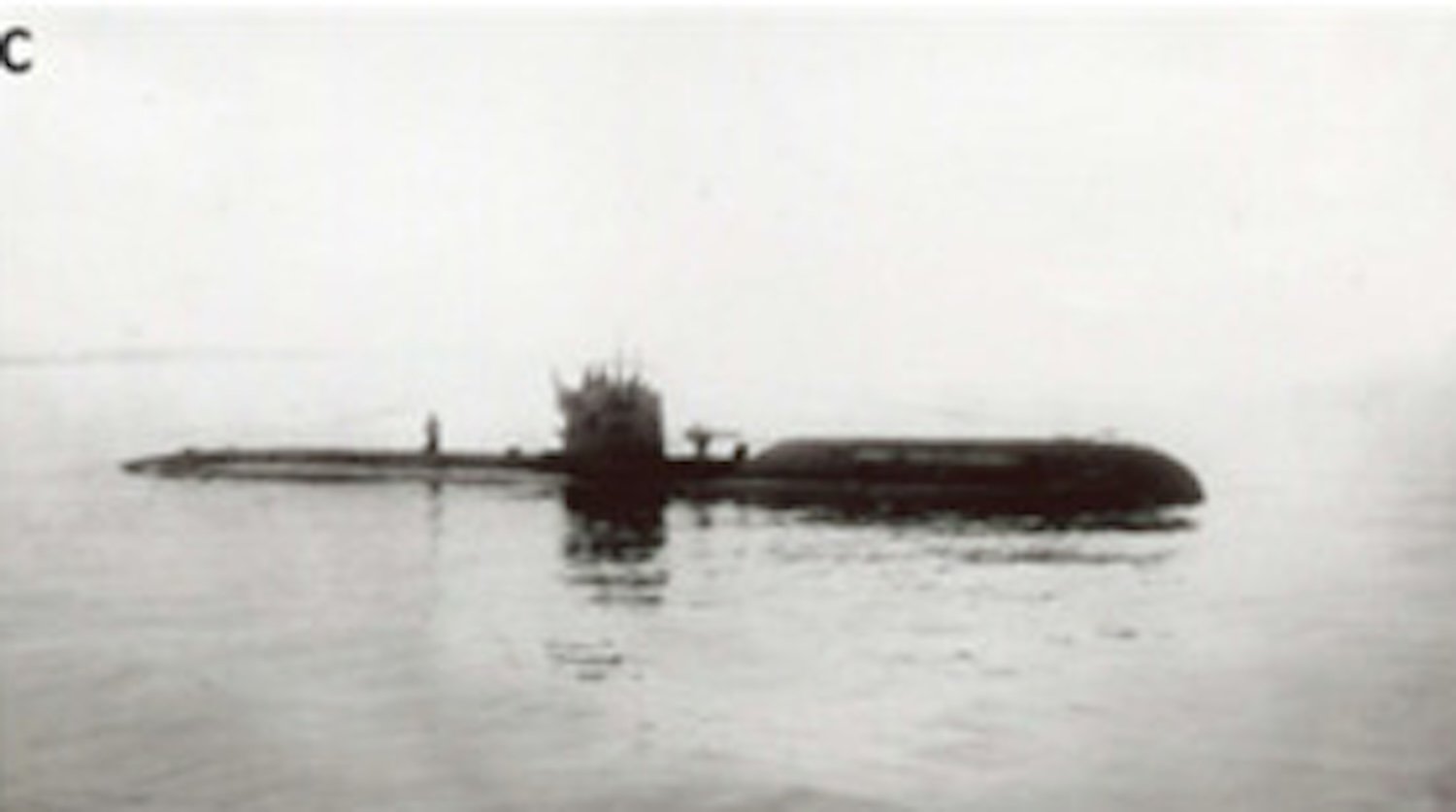
The story of the UC-30 is a tragic snapshot of early 20th-century naval warfare. On April 19, 1917, at the height of World War I’s devastating submarine campaigns, the German UC-III-class minelaying submarine was navigating the perilous waters of the North Sea. Plagued by mechanical and engine failures, the vessel was forced to abort its mission and attempt a hazardous return to port.
Before it could reach safety, the submarine struck a British naval mine positioned near the Danish island of Rømø. The resulting blast was catastrophic, sealing the fate of all 27 crew members on board. The submarine plunged beneath the surface, vanishing from historical records and remaining completely undiscovered for nearly a century.
It was not until 2016 that modern oceanographic technology and persistent mapping efforts finally located the wreck of the UC-30 resting quietly on the seafloor. The discovery offered maritime historians a rare artifact of World War I technology, but it also opened the door to a troubling environmental investigation.
Uncovering the Invisible Contamination
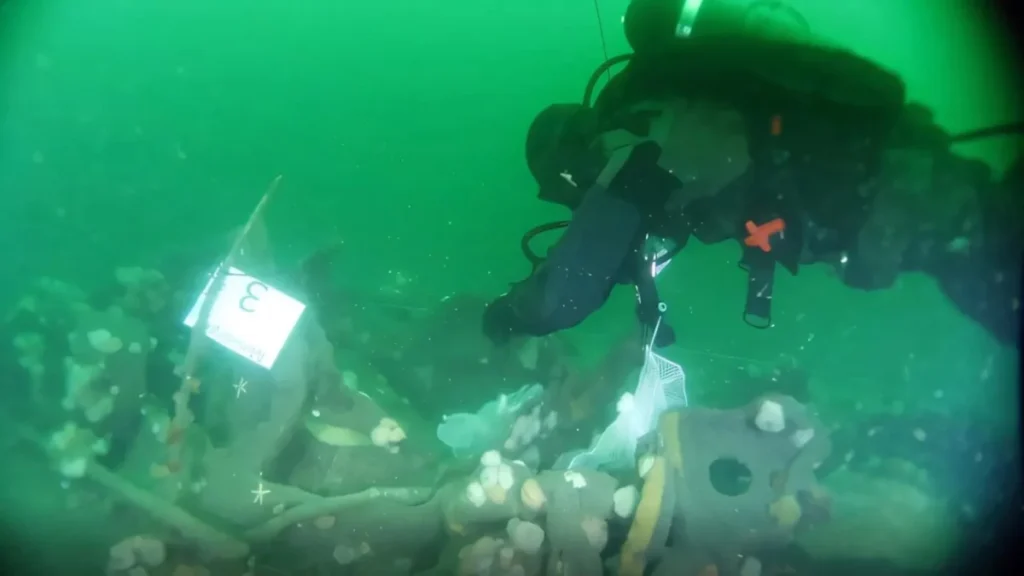
Recognizing the potential environmental risks associated with decaying military hardware, marine ecologists linked with the broader North Sea Wrecks research project launched a targeted investigation into the UC-30 site. Working in close coordination with specialized Danish naval divers, researchers descended to the wreck to document its structural integrity and gather crucial physical evidence.
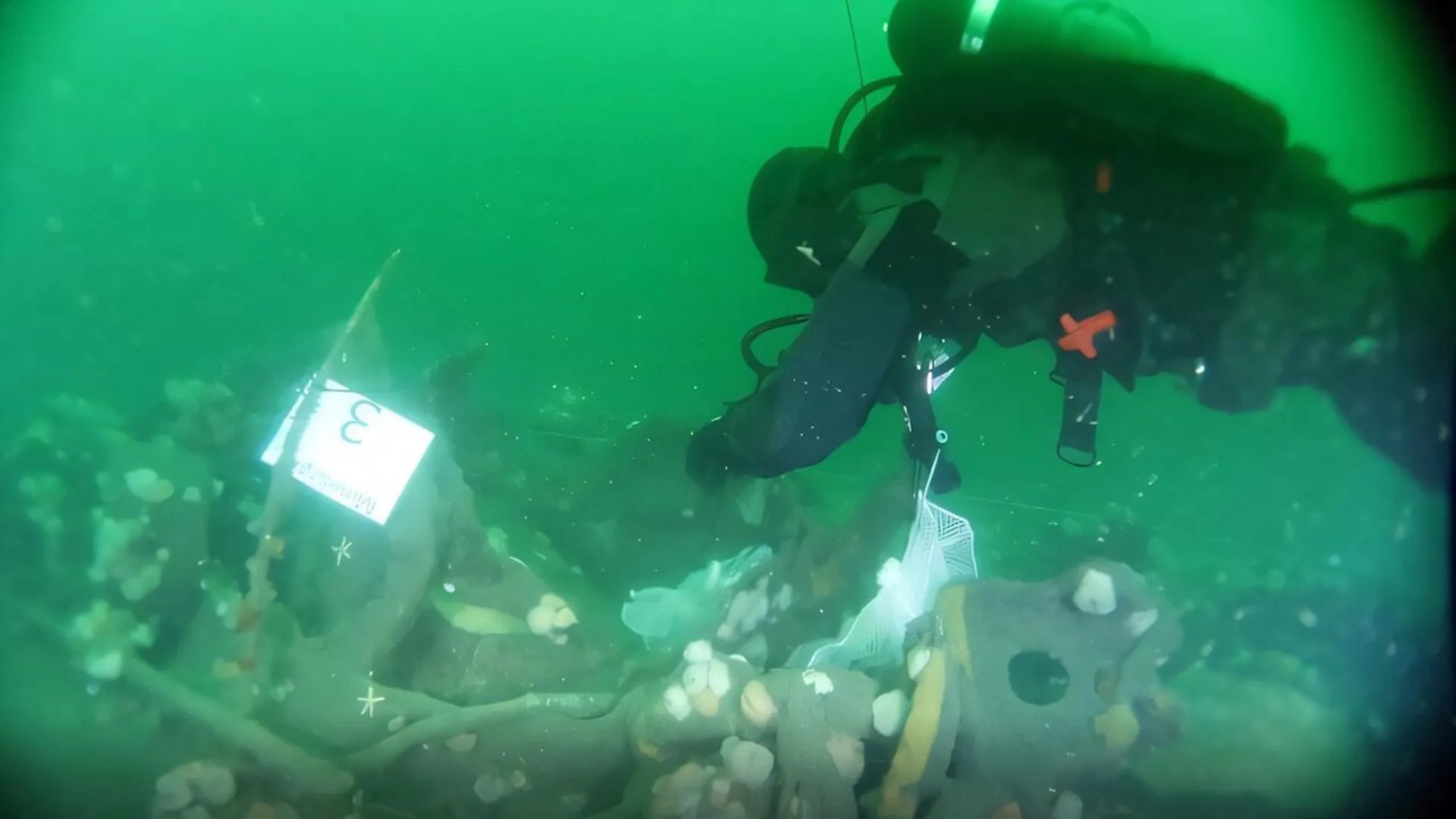
The team collected diverse samples from the immediate vicinity of the submarine, including core samples of the seabed sediment, water column collections, and biological specimens such as local mussels and starfish. Back in the laboratory, chemical analyses yielded alarming results. Traces of TNT were detected not only in the sediment directly beneath the hull but also absorbed within the tissues of local marine life and distributed throughout the water column.
Dr. Katrine Juul Andresen, a geoscientist at Aarhus University and co-author of the study, emphasized the widespread nature of the chemical traces during a recent project profile. "We found traces of TNT in the wildlife, the seabed, and the water column," Andresen noted. "The question is how significant the effect is and how far from the wreck the pollution impacts the marine environment."
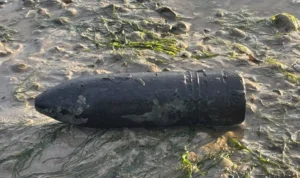
While the immediate ecological footprint of the UC-30 remains relatively contained, researchers emphasize that this localized safety buffer will inevitably degrade. As the corrosive environment of the North Sea continues to eat away at the submarine’s steel hull, the six remaining torpedoes and 18 naval mines will further disintegrate, potentially accelerating the rate of toxic leakage into the marine ecosystem.
A Continental Scale Crisis: Thousands of Wrecks Litter European Waters
The UC-30 is far from a localized anomaly. Comprehensive surveys conducted by environmental authorities in Denmark and across northern Europe indicate that the seafloor is heavily populated with historic military hardware from both global conflicts.
According to a 2024 comprehensive report produced by the Danish Environmental Protection Agency—co-authored by Andresen—there are an estimated 10,127 shipwrecks resting within Danish territorial waters alone. Statistical models and historical records suggest that approximately 15 percent of these sunken vessels date directly back to World War I and World War II. When scaled across the entire North Sea, the Baltic Sea, and the Atlantic approaches, the total number of potentially hazardous munitions-bearing wrecks climbs into the tens of thousands.
These underwater time bombs present a distinct environmental challenge compared to standard industrial pollution or modern oil spills. The hazardous cargo is encased in aging, highly volatile structures that have spent a century undergoing structural fatigue, pressure shifts, and aggressive saltwater corrosion.
The Complex Dilemma of Remediation
Addressing the hidden danger of wartime shipwrecks is a formidable logistical and environmental puzzle. For decades, the standard approach to dealing with hazardous underwater artifacts involved either in-situ detonation or attempting to salvage and surface the wreckage. However, marine experts caution that these conventional methods can easily cause more harm than good.
Attempting to raise a heavily corroded submarine or surface vessel loaded with unstable explosives carries an unacceptable risk of accidental detonation. Conversely, destroying the munitions via underwater controlled explosions can release massive, concentrated shockwaves that devastate local marine mammal populations, disrupt fish habitats, and shatter the surrounding seafloor ecology, while simultaneously dispersing massive plumes of toxic chemicals all at once.
"We are trying to identify the most gentle solutions to the problem, as there is unfortunately no easy way to clean it up," Andresen explained, highlighting the delicate balance required to mitigate the crisis without triggering secondary environmental catastrophes.
Future Outlook: Technology and International Cooperation
Recognizing the transboundary nature of North Sea pollution, researchers are actively collaborating with European Union policymakers to establish standardized protocols for monitoring and eventually neutralizing these underwater hazards.
One of the most promising avenues under development involves the deployment of advanced autonomous underwater vehicles (AUVs) and remotely operated vehicles (ROVs). These robotic systems can safely navigate the tight spaces of deep-sea wrecks, utilizing high-resolution sonar, chemical sensors, and optical imaging to map structural degradation and precisely measure leakage rates without disturbing the sediment.
Looking ahead, scientific agencies hope to develop specialized robotic intervention tools capable of safely extracting explosive materials or neutralizing toxins directly at the source. Until such technologies are mature and scalable, the primary focus remains on comprehensive mapping, ongoing biological monitoring, and raising public awareness regarding the invisible chemical legacy resting quietly on the ocean floor.
As the world looks back on more than a century of industrial and military history, the situation in the North Sea serves as a stark reminder that the conflicts of the past continue to exert a silent, chemical influence on the natural world of the present.