



The long-standing perception of domestic cattle as mere ruminants with limited cognitive depth is being systematically dismantled by a burgeoning body of ethological research. A recent study published in the peer-reviewed journal PLOS One has provided compelling evidence that cows possess sophisticated social-cognitive abilities, specifically the capacity to recognize individual human beings through both visual and auditory cues. This research, conducted on a cohort of dairy cattle in France, demonstrates that cows can not only differentiate between familiar and unfamiliar human faces but can also integrate sensory information to match a specific human voice with its corresponding visage—a high-level mental process known as cross-modal recognition.
This discovery adds a significant layer to our understanding of bovine intelligence, which has historically been underestimated in both scientific literature and public discourse. By demonstrating that cows possess the cognitive architecture to form mental representations of the humans who interact with them, the study opens new avenues for improving animal welfare and refining agricultural management practices.
Methodology: Testing the Frontiers of Bovine Perception
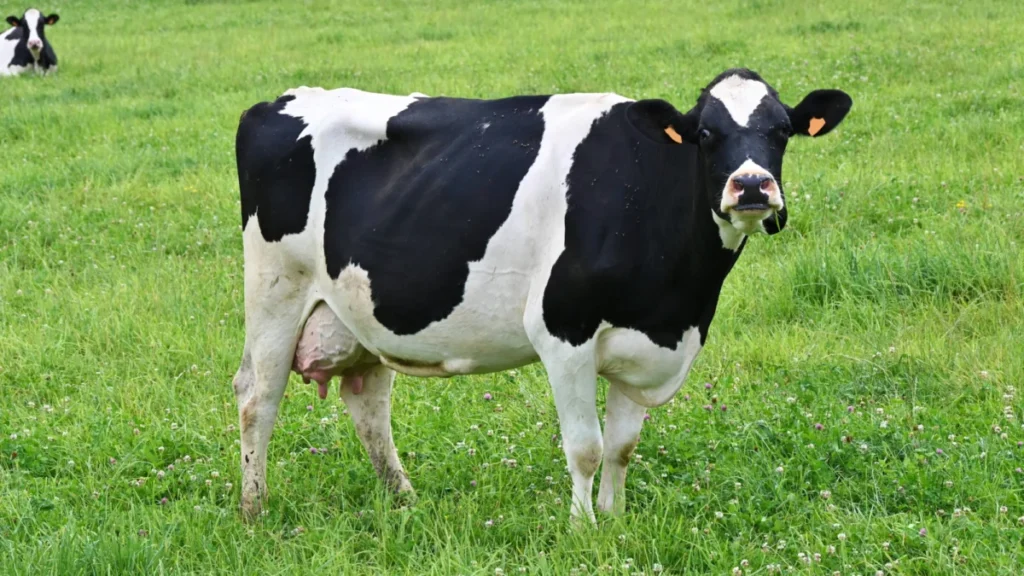
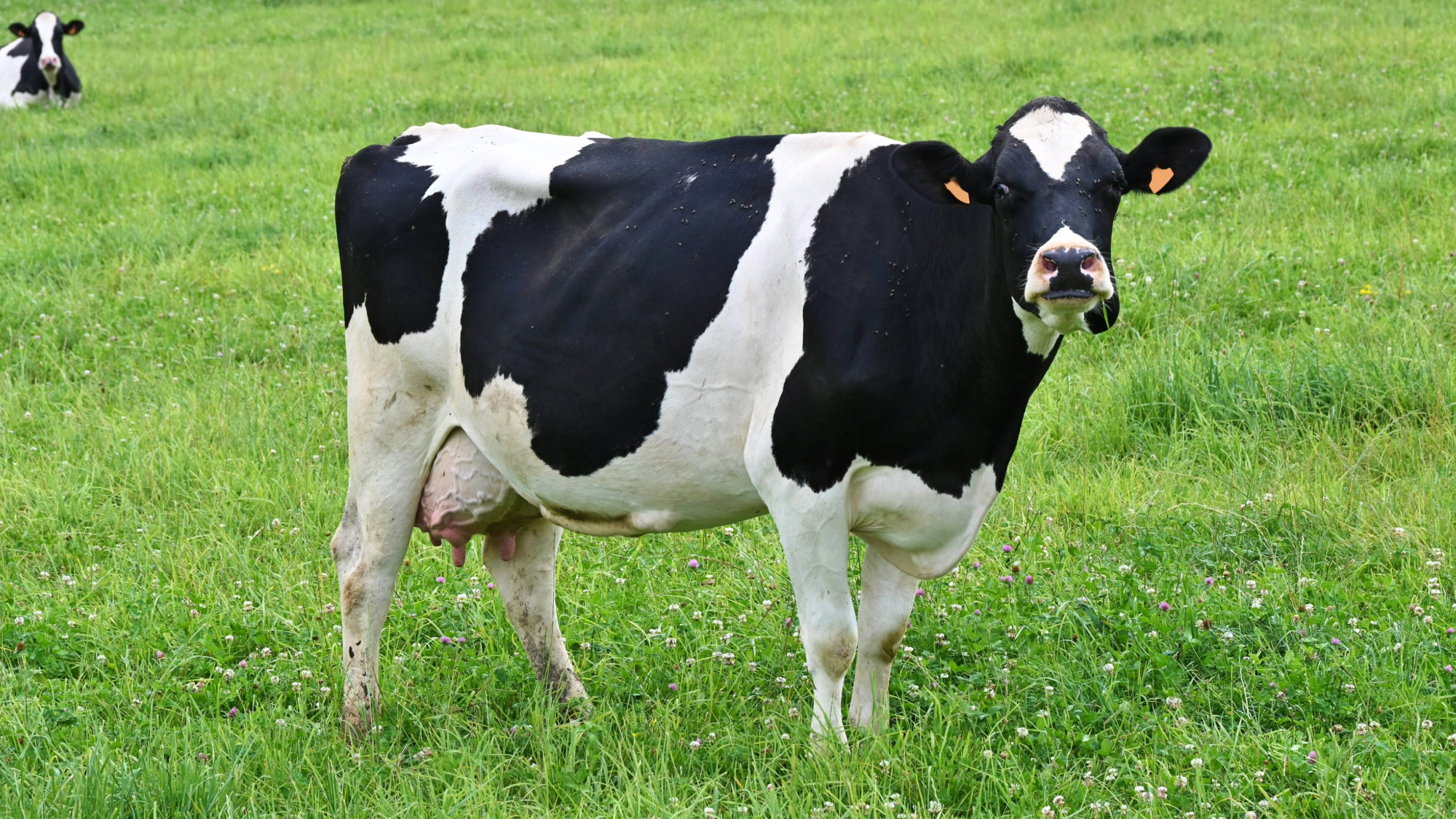
The study was centered on 32 Prim’Holstein cows, a breed synonymous with the modern dairy industry. Originally developed in the Netherlands and now the most prevalent dairy breed in France, Prim’Holsteins are known for their high productivity, capable of generating approximately 22,000 pounds of milk in a single lactation cycle. Because these animals spend their lives in close proximity to human handlers, they provided an ideal demographic for testing interspecies recognition.
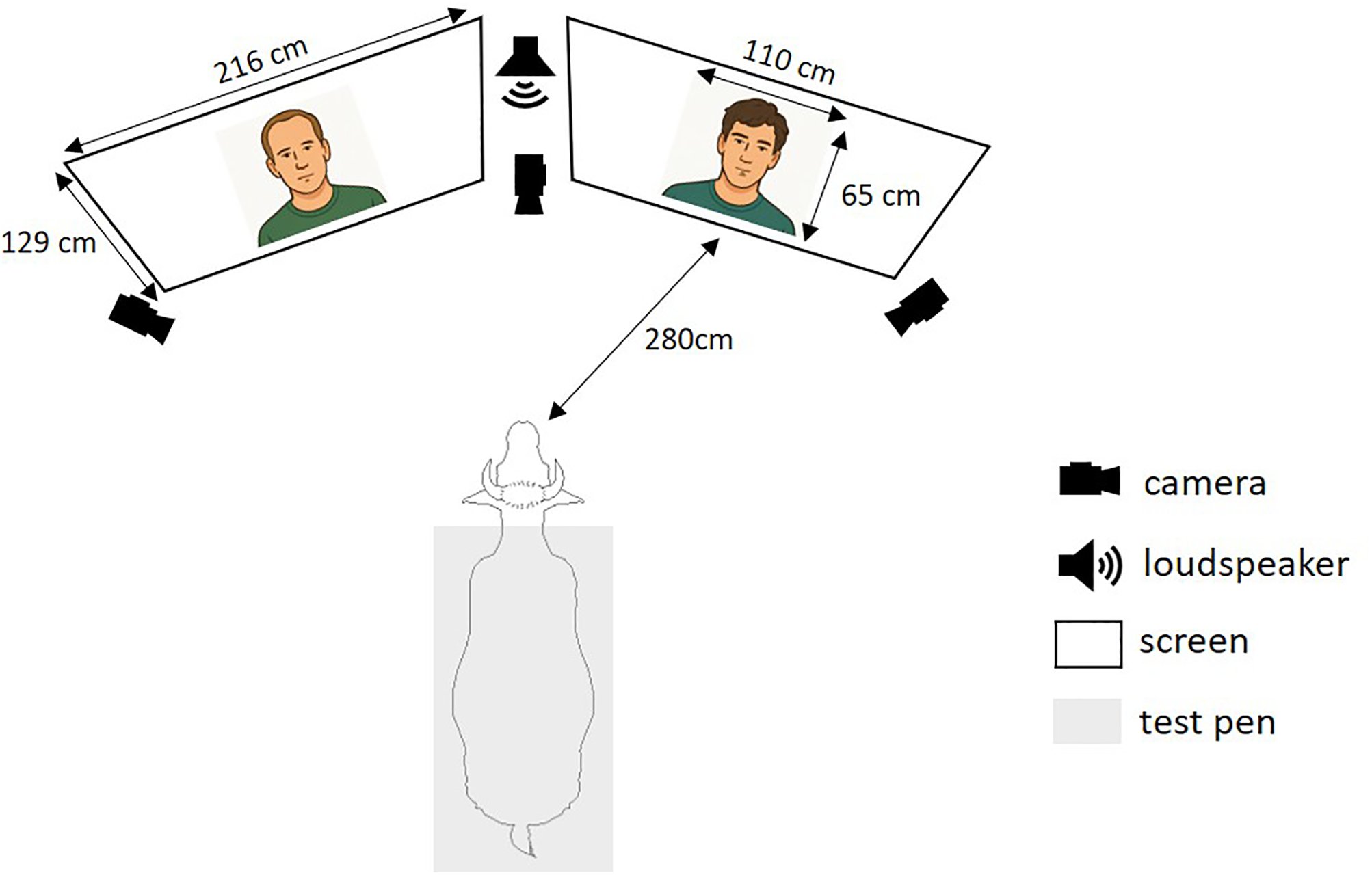
The research team employed a controlled experimental setup designed to measure "visual preference" and "cross-modal" integration. To test visual recognition, the cows were positioned between two digital screens. On these screens, they were shown silent videos of two different men: one was a familiar handler who worked with the cows daily, and the other was a stranger whom the cows had never encountered. The researchers recorded the duration of the cows’ gaze, operating on the established ethological principle that animals tend to stare longer at novel or unfamiliar stimuli as they attempt to process and categorize the new information.
The second phase of the experiment involved cross-modal recognition. In this stage, the cows were again shown videos of a familiar face and an unfamiliar face, but this time, an audio recording of one of the men was broadcast through a central speaker. Both men recorded the same neutral sentence to ensure that the cows were responding to the specific timbre and frequency of the voice rather than the content or tone of the speech. The researchers monitored the cows’ heart rates throughout these trials to determine if the recognition process elicited an emotional or stress-based response.
Analysis of Results: Staring and Sensory Integration
The findings revealed a clear pattern of cognitive discrimination. In the silent visual trials, the cows spent significantly more time staring at the videos of unfamiliar faces. This behavior indicates that the cows had a pre-existing mental template of their familiar handlers and were able to immediately identify the stranger as a "novel stimulus." The ability to distinguish between individuals of another species based solely on facial features is a complex task that requires the brain to process subtle variations in geometry, skin tone, and features.
The results of the cross-modal trials were even more striking. When the audio of a familiar voice was played, the cows directed their attention toward the screen displaying the face of the person belonging to that voice. This behavior demonstrates that cows do not merely store "pictures" or "sounds" in isolation; rather, they possess integrated mental representations of humans. They can hear a voice and "expect" to see a specific face, or vice versa. This level of cognitive processing has previously been observed in highly social or domestic species such as dogs, horses, and captive big cats, but its confirmation in cattle suggests that the social world of the cow is far more nuanced than previously assumed.
Interestingly, the heart rate data showed no significant fluctuations when the cows were exposed to familiar versus unfamiliar stimuli. This suggests that the recognition process is a neutral cognitive function rather than one driven by fear or acute excitement. It implies that the cows were engaged in a form of objective identification, processing the "who" of the situation without necessarily experiencing a "fight or flight" emotional surge.
The Context of Bovine Intelligence: Tool Use and Social Structures
The PLOS One study does not exist in a vacuum; it is part of a broader shift in how scientists view the domestic cow (Bos taurus taurus). For decades, intelligence in the animal kingdom was measured by a narrow set of criteria, often centered on tool use or complex problem-solving. While cows were long excluded from this "intelligent" club, recent observations have forced a re-evaluation.
A notable example is Veronika, a 13-year-old pet cow in Austria, who gained scientific attention for her ability to use brooms as tools. Veronika was observed manipulating long-handled brooms to scratch parts of her back that she could not otherwise reach. Tool use is considered a hallmark of higher intelligence because it requires an animal to understand the relationship between an object, a physical problem, and a desired outcome.
Beyond tool use, cows are known to be highly social animals with complex herd hierarchies. They form "best friendships" within their groups and can experience social buffering—a phenomenon where the presence of a companion reduces the physiological impact of stress. The ability to recognize individual humans is likely an extension of this inherent social intelligence. In a wild or feral state, the ability to distinguish between individual predators or members of a rival herd would be a vital survival trait. In a domestic setting, this trait has been repurposed to navigate the human-dominated environment of the farm.
Implications for Animal Welfare and the Dairy Industry
The confirmation that cows can identify individual humans has profound implications for the agricultural sector. If a cow can distinguish between a "gentle" handler and a "harsh" one, her stress levels and subsequent milk production may be directly tied to the specific individuals working in the barn.
In many industrial dairy settings, personnel turnover is high, and cows may interact with dozens of different humans in a single month. If cows are constantly forced to process "novel" human stimuli, it could contribute to a baseline level of cognitive load or stress. Conversely, the presence of a familiar, trusted handler could serve as a stabilizing force, improving the overall welfare of the herd.
Furthermore, these findings suggest that the "human-animal bond," often discussed in the context of pets like dogs and cats, is a very real factor in livestock management. When a cow recognizes a handler’s voice and face, she is participating in a social relationship. Acknowledging this could lead to more ethical and compassionate farming practices, where consistency in handling is prioritized to minimize the cognitive stress of the animals.
Chronology of Animal Cognition Research
To understand the significance of the PLOS One study, it is helpful to look at the timeline of how human-animal recognition research has evolved:
- Early 20th Century: Behaviorism dominated, viewing animals as "black boxes" that responded to stimuli with simple conditioned reflexes (e.g., Pavlov’s dogs).
- 1960s-1980s: Research into primates and dolphins revealed complex social structures and self-awareness (the mirror test).
- 1990s-2000s: Studies on "man’s best friend" showed that dogs could read human pointing gestures and facial expressions better than chimpanzees.
- 2010s: Research expanded to "food animals." Studies on sheep revealed they could recognize up to 50 different faces, both ovine and human. Pigs were shown to have high levels of emotional contagion.
- 2020-Present: Specific focus on bovines, including the study of "cow talk" (vocalizations that convey emotion) and the current research into cross-modal human recognition.
This trajectory shows a steady expansion of the "circle of intelligence," as scientists apply the same rigorous testing methods used on primates to the animals that provide our food and fiber.
Technical Analysis: The Mechanics of Bovine Recognition
From a biological perspective, the cow’s ability to recognize humans is supported by their sensory anatomy. Cows have a wide field of vision—nearly 330 degrees—allowing them to scan their environment for threats with minimal head movement. While their binocular vision (depth perception) is limited to a narrow field directly in front of them, they are highly sensitive to movement and contrast.
The PLOS One study utilized digital screens, which requires the animal to translate a 2D flickering image into a 3D mental concept. The fact that the cows were able to do this suggests that their visual processing is robust enough to handle artificial representations of reality. Similarly, their auditory range is well-suited for human speech frequencies. Cows can hear higher frequencies than humans, and their large, mobile ears are designed to pinpoint the source of a sound with high precision.
The integration of these two senses in the brain’s association cortices is what allows for cross-modal recognition. When the cow hears a voice, the auditory cortex likely triggers a search in the visual cortex for the associated image. This "matching" process is a hallmark of an advanced nervous system.
Future Research and Conclusion
While the study on the 32 Prim’Holstein cows provides a strong foundation, the researchers emphasize that there is more to learn. Future studies could investigate whether cows can recognize humans across different contexts—for example, if they recognize a handler when they are wearing different clothing or if they are seen in an unfamiliar location. Additionally, researchers are interested in whether cows can distinguish between human emotions, such as recognizing the difference between a happy voice and an angry one.
The study concludes that cows are not the "dumb" animals of popular myth. They are observant, social beings capable of forming complex mental maps of the humans in their lives. As we move forward, this knowledge challenges us to treat livestock with a higher degree of respect and cognitive consideration. The cow standing in the field is not just looking at a "human"; she may very well be looking at "you," remembering your voice, and categorizing you based on your past interactions. In the grand tapestry of animal intelligence, the domestic cow has finally earned its place as a sophisticated social actor.