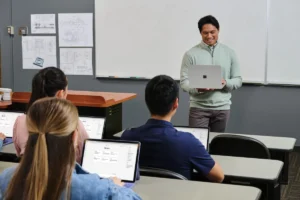


The Orange County Convention Center in Orlando, Florida, served as the epicenter of educational technology innovation as thousands of K-12 educators, school librarians, district leaders, instructional coaches, and edtech developers converged for ISTELive 2026. For many in the education sector, the mid-year conference functions not merely as an exhibition of emerging hardware and software, but as a critical juncture for professional reflection, cross-sector collaboration, and strategic planning. Against a backdrop of rapid technological evolution, this year’s gathering was defined by a singular, overriding paradigm shift: artificial intelligence is decisively moving away from individual, exploratory experimentation and advancing toward systematic, institutionalized implementation focused on measurable student learning outcomes.
Throughout the week-long event, conference halls buzzed with panel discussions, hands-on technical laboratories, and high-profile keynote addresses. While previous iterations of the conference heavily emphasized the novelty of generative AI tools and the initial learning curve associated with digital adoption, ISTELive 2026 painted a much more mature picture of modern pedagogy. Educators and institutional decision-makers no longer questioned whether artificial intelligence belonged in the classroom; instead, they engaged in rigorous dialogues regarding governance, institutional alignment, equity of access, and the grounding of digital tools in empirical learning science. This transition from novelty to necessity formed the intellectual core of the conference, highlighting a broader industry-wide movement toward responsible, research-backed educational technology integration.

A Major Shift in Educational Technology: From Early Experimentation to Measurable Impact
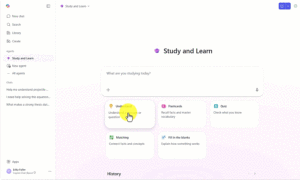
The evolution of artificial intelligence in education reached a critical milestone during the conference, punctuated by major announcements from global technology leaders. Microsoft, a prominent presence at the Orlando convention, used the venue to release its comprehensive AI in Education Report alongside a suite of purpose-built classroom applications. These included specialized tools such as Teach, structured Assignments featuring integrated AI guidelines, the Learning Zone, and the advanced Study and Learn Agent.
The underlying philosophy driving these technological rollouts departed significantly from the race for mere efficiency. Rather than focusing solely on accelerating administrative tasks or speeding up content generation, the emphasis centered squarely on deepening student comprehension and supporting educators with secure, pedagogically sound resources. Industry analysts noted that this approach addresses a central anxiety among school administrators: ensuring that technological adoption directly serves cognitive development rather than serving as a superficial distraction. By pairing powerful backend capabilities with comprehensive teacher training, guidance documentation, and frameworks rooted in cognitive science, technology providers and educators alike signaled a commitment to long-term academic rigor.

Six Core Themes Shaping the Future of Learning Environments
For the attendees navigating the hundreds of sessions and workshops available at the Orange County Convention Center, the true value of ISTELive extended well beyond corporate announcements. The insights harvested from peer-to-peer exchanges, panel sessions, and networking events provided a roadmap for what schools intend to carry forward into the upcoming academic year. Synthesizing feedback from thousands of participating educators and leaders reveals six foundational themes that will dictate the trajectory of educational technology in the near term.
- Empowering Educators Through Collaborative Global Networks
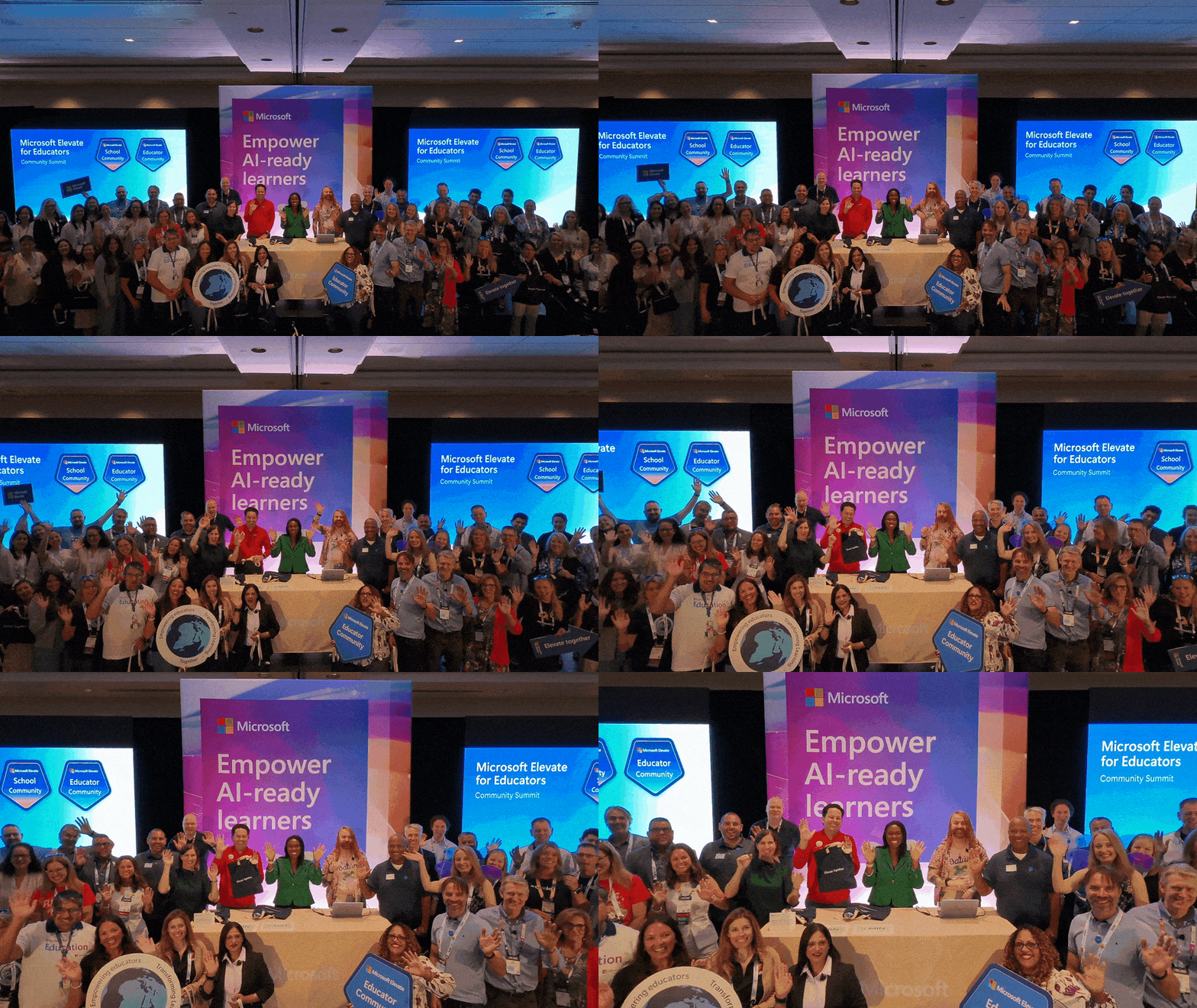
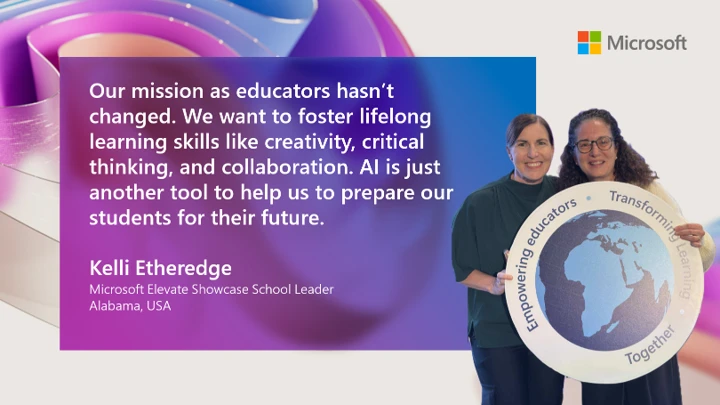
The demand for robust professional communities has never been more acute. Highlighting this need, global education networks such as the Microsoft Elevate for Educators community—encompassing more than 43,000 teachers and instructional leaders worldwide—convened special sessions to share best practices, celebrate milestones, and build collaborative capacity. During an evening reception at the conference, Pat Yongpradit, General Manager of Global Education and Workforce Policy, underscored the indispensable nature of the profession, stating that the contemporary global landscape requires exceptional teaching talent more than ever before. To meet this demand, institutional frameworks are increasingly prioritizing capacity-building resources, professional credentials, and peer networks designed to reduce burnout and elevate classroom instruction.
- Practical Guidance and Shared Frameworks for Instructional Leaders
School administrators and instructional leaders face unique challenges when attempting to introduce emerging technologies into established school cultures. At specialized forums such as the Instructional Leadership Exchange (ILX), leaders grappled with the complexities of policy implementation, professional development models, and cross-departmental collaboration. To aid in these high-stakes decisions, educational researchers released foundational documents such as the Learning by design whitepaper. This publication outlines the cognitive science principles supporting tools like the Study and Learn Agent, equipping administrators with the empirical data necessary to justify technology investments and shape intentional, research-based professional learning programs.
- System-Wide Institutional Planning and Responsible Governance
A stark contrast between ISTELive 2026 and prior conventions was the widespread abandonment of fragmented, classroom-by-classroom technology adoption. School districts are rapidly recognizing that uncoordinated AI usage introduces vulnerabilities regarding data privacy, equitable access, and academic integrity. Consequently, the discourse in Orlando focused heavily on coordinated, system-wide governance models. Institutions are actively working to align AI utilization with overarching educational priorities, standardized teaching frameworks, and strict data protection policies. Findings from newly published institutional reports have provided benchmark data on how schools are successfully integrating these tools, offering actionable metrics for districts still navigating the early phases of digital transformation.
- Cultivating AI Literacy Through Gamified and Accessible Platforms
Preparing students for a workforce radically altered by automation requires systemic improvements in digital literacy. Addressing this imperative, Minecraft Education utilized the conference platform to announce the upcoming launch of the Velocity Prize, a global skills challenge scheduled to open in October 2026. Aimed at students aged 13 to 16, the challenge merges computational thinking with AI-assisted problem-solving strategies, providing a gamified, classroom-ready environment for students to apply coding concepts. Furthermore, the initiative is supported by comprehensive digital safety toolkits, animated educational videos, and professional learning guides designed to demystify artificial intelligence for students, educators, and families alike.

- Rebranding Screen Time as Meaningful Learning Time
The perennial debate surrounding student device usage underwent a fundamental reframing in Orlando. Rather than focusing strictly on quantitative metrics of screen time—a metric increasingly viewed by educators as overly simplistic—conference participants concentrated on the qualitative nature of digital engagement. The emerging consensus advocates for a paradigm shift from passive screen time to active learning time. Educators are demanding platforms that foster critical thinking, collaborative creation, and personalized academic feedback, while simultaneously safeguarding student emotional wellbeing and enforcing ethical digital boundaries.
- Disseminating Knowledge from the Conference Floor to the Local Classroom
The immense scale of ISTELive presents a logistical challenge: how to distill a week of intensive professional development into actionable strategies for colleagues who remained at home. To mitigate this knowledge gap, organizers and corporate partners made comprehensive session recordings, presentation slides, and implementation materials publicly accessible. This commitment to open-access professional development ensures that the innovations showcased in Orlando can ripple outward, impacting classrooms far beyond the convention center floor.
Broader Implications and the Road Ahead for Educational Institutions

The conclusions drawn from ISTELive 2026 point toward a transformative period for K-12 education. As artificial intelligence solidifies its place within institutional frameworks, the primary challenge facing school systems is no longer technological acquisition, but pedagogical integration. The data gathered from the conference suggests that districts adopting a holistic, research-backed approach are experiencing greater success in mitigating the risks associated with rapid digital change.
Furthermore, the emphasis on educator agency and institutional governance signals a maturing edtech market. Technology companies are increasingly expected to align their product roadmaps with established learning sciences and educators’ real-world requirements, rather than pushing features for their own sake. As schools transition from summer reflection to active implementation in the upcoming academic year, the frameworks established in Orlando—ranging from system-wide governance policies to gamified AI literacy initiatives—will serve as vital benchmarks for educational excellence. While the conference doors in Orlando have closed, the systemic conversations catalyzed by ISTELive 2026 will undoubtedly shape the architecture of modern schooling for years to come.