

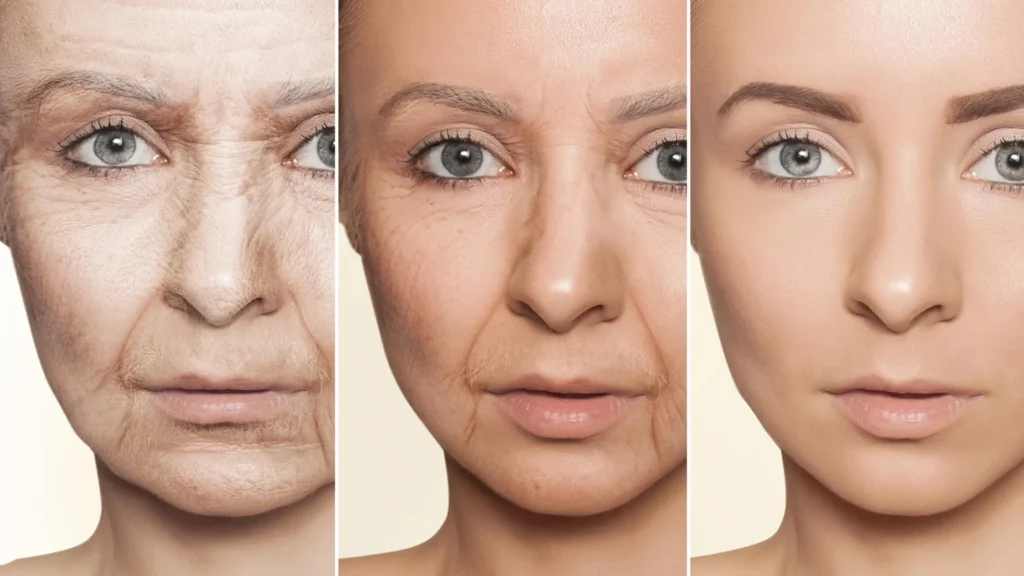
Aging is traditionally viewed as an irreversible biological trajectory, marked by the gradual accumulation of cellular damage, the thinning of hair, the development of skin laxity, and a pervasive, often frustrating, decline in cognitive acuity. For decades, the scientific community has sought to determine whether these physiological and neurological markers are fixed or if they might be modulated through pharmacological or dietary interventions. A landmark study conducted by a multidisciplinary team of researchers from Xi’an Jiaotong-Liverpool University, Stanford University, Shanghai Jiao Tong University, and the University of Chinese Academy of Sciences has provided compelling evidence that the latter may be possible, centering on a unique class of compounds found in a humble marine organism.
The study, which utilized an aged mouse model, identified that dietary supplementation with plasmalogens—lipids derived from the Ascidiacea class of marine animals, commonly known as sea squirts—could effectively reverse several phenotypic signs of aging. The findings suggest a breakthrough in understanding the biochemical mechanisms that underpin both neuroregeneration and the maintenance of cognitive vitality.
The Marine Source and the Biology of Plasmalogens
Sea squirts are sessile marine tunicates, highly regarded as a delicacy in several East Asian coastal regions. In Korea, the organism is known as meongge, while in Japan, it is referred to as hoya. Beyond their culinary status, these organisms possess a high concentration of plasmalogens, a specialized subclass of phospholipids. Unlike standard lipids, plasmalogens are distinguished by a vinyl-ether bond at the sn-1 position of the glycerol backbone, a chemical structure that renders them highly susceptible to oxidative stress, thereby allowing them to act as endogenous antioxidants.
In the human body, plasmalogens are integral components of cell membranes, particularly within the myelin sheaths that insulate neurons, as well as in the high-energy-demand environments of the heart and brain. Biological aging is frequently associated with the systemic depletion of these lipids. Previous clinical observations have documented a marked reduction in plasmalogen concentrations in patients suffering from severe neurodegenerative conditions, including Alzheimer’s disease and Parkinson’s disease. This correlation served as the primary catalyst for the international research team’s investigation: could the exogenous administration of these lipids restore structural integrity to aging neural networks?
Chronology of the Experimental Process
The research team structured their study around a five-day behavioral trial using the Morris water maze, a gold-standard laboratory assessment for spatial learning and memory. The cohort consisted of aged mice, which, under normal physiological conditions, demonstrate significant deficits in navigational memory compared to younger counterparts.
Upon the conclusion of the five-day training period, the experimental group—which had been administered dietary plasmalogens—exhibited a performance trajectory that mirrored that of younger, healthy subjects. They located the submerged platform with significantly greater speed and accuracy than the control group of aged mice. Following these behavioral assessments, the researchers performed a post-mortem analysis of the brain tissues to isolate the physiological basis for these improvements. The results were twofold: the treated mice exhibited a higher density of synapses, and these junctions showed signs of improved structural health and signaling efficacy.
Supporting Data and Synaptic Plasticity
The decline in cognitive function during aging is largely attributed to the reduction of synaptic plasticity—the brain’s ability to forge new connections and prune redundant ones. In the aging brain, synapses often become brittle or vanish entirely, hindering the efficient transmission of electrical impulses across neural pathways.
The study’s data indicated that the dietary intervention not only mitigated this loss but may have actively stimulated neuroregeneration. According to the research findings, the presence of increased plasmalogens correlated with an upregulation of neurotrophic factors, which are proteins essential for the growth, survival, and differentiation of neurons. Furthermore, the researchers noted a marked decrease in neuroinflammation among the treated group. Chronic, low-grade inflammation in the central nervous system is a known driver of cognitive deterioration and is often exacerbated by the dysregulation of the blood-brain barrier and the brain’s resident immune cells, known as microglia. By modulating this inflammatory response, the researchers believe the plasmalogens created an environment conducive to neural repair.
Implications of the Gut-Brain Axis
One of the more sophisticated aspects of this research involves the potential role of the gut-brain axis. The gut microbiome—the vast ecosystem of microorganisms residing in the gastrointestinal tract—has emerged as a critical regulator of systemic health, including cognitive status. The research team posits that dietary plasmalogens may exert their effects indirectly by altering the composition of the gut microbiota.
"There is an increasing body of evidence that plasmalogens directly affect the structural properties of synapses, but we cannot rule out the systemic influence of the gut-brain connection," stated Professor Lei Fu, the corresponding author of the study. The gut-brain axis functions through complex metabolic and immune signaling, and it is hypothesized that the lipid supplements may facilitate a more symbiotic microbial environment, which in turn signals the brain to maintain or restore neural circuitry.
Official Responses and the Cautionary Gap
While the results of the mouse trials are statistically significant and provide a new framework for investigating age-related cognitive decline, the scientific community maintains a rigorous, cautious perspective. The leap from rodent models to human clinical application is fraught with biological complexity.
"For the first time, we show that plasmalogen supplements might be a potential intervention strategy for halting neurodegeneration and promoting neuroregeneration," noted Professor Fu. His personal conviction—demonstrated by his daily use of plasmalogen supplements—highlights the perceived potential of the findings. However, independent observers emphasize that the metabolic pathways in humans are vastly more complex than those in mice. Questions regarding optimal dosage, the bioavailability of oral plasmalogens, and the potential for long-term side effects remain unanswered.
Standard medical guidelines caution that consumers should not attempt to replicate these results through self-supplementation until controlled human clinical trials have established safety and efficacy profiles. The current data, while promising, serves primarily as a foundation for future, larger-scale human longitudinal studies.
Broader Impact on Longevity Science
The identification of a naturally occurring compound that addresses both physical markers of aging—such as the growth of thicker, glossier hair—and neurological markers of aging represents a significant shift in gerontology. If the results are replicable in human subjects, the implications for public health are profound. As the global population ages, the prevalence of neurodegenerative diseases is expected to rise sharply, placing an unprecedented burden on healthcare systems.
If dietary interventions can indeed halt or reverse cognitive impairments, it would necessitate a transition from reactive treatment of neurodegenerative diseases to a proactive, preventative nutritional approach. Furthermore, this research highlights the untapped potential of marine biology in pharmaceutical development. The sea squirt, once viewed merely as a regional food source, is now being scrutinized for its complex lipid composition, proving that the ocean remains a vast, largely unexplored frontier for medicinal discovery.
The study also underscores the importance of interdisciplinary collaboration. By combining expertise in marine chemistry, neurology, and gut microbiology, the researchers were able to synthesize a comprehensive view of how systemic health influences cognitive longevity. This holistic methodology is likely to become the standard for future anti-aging research, moving away from localized organ studies toward an integrated understanding of the human body as a complex, interconnected system.
As the scientific community awaits follow-up trials, the focus will remain on the specific mechanisms that allow plasmalogens to influence neural plasticity. Whether through direct structural support of synaptic membranes or the secondary modulation of the gut microbiome, the research has successfully opened a new door in the effort to understand—and perhaps ultimately manage—the biological progression of the aging process. The promise is not necessarily the attainment of immortality, but the extension of the "healthspan"—the period of life spent in good health, free from the cognitive and physical limitations that have long been accepted as the inevitable price of time.