




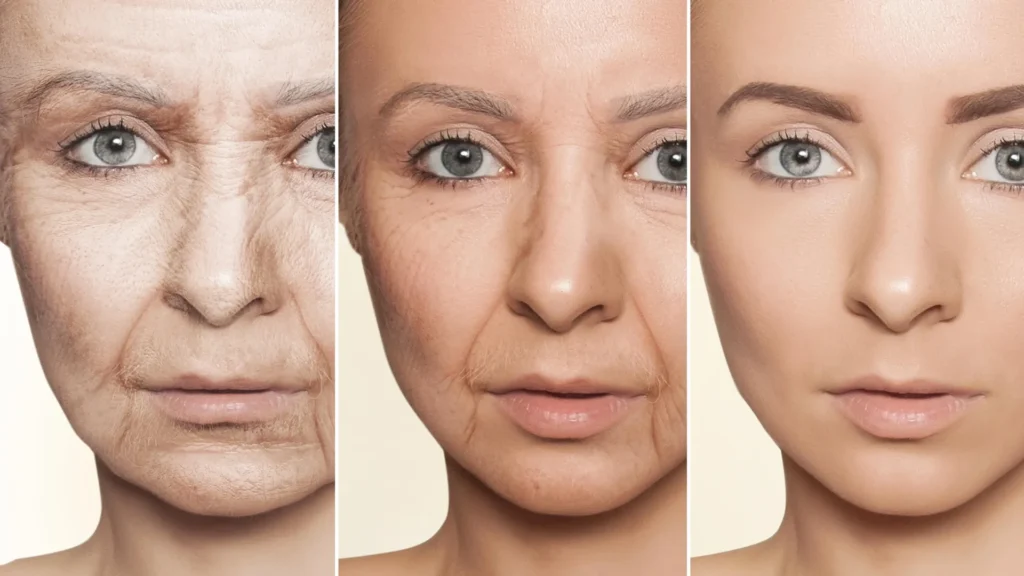
For decades, the physical and cognitive manifestations of aging—from the silvering of hair and the deepening of wrinkles to the gradual, often distressing erosion of memory—have been viewed by the scientific community as an inevitable biological trajectory. While medicine has made monumental strides in treating specific age-related diseases, the fundamental process of senescence has remained a stubborn, unidirectional path. However, a groundbreaking collaborative study involving researchers from Xi’an Jiaotong-Liverpool University, Stanford University, Shanghai Jiao Tong University, and the University of Chinese Academy of Sciences has introduced a provocative hypothesis: what if the clock could be turned back?
The research centers on an unlikely candidate for a fountain of youth: the Ascidiacea, or sea squirts. These sessile marine animals, considered a culinary delicacy in parts of Asia—known as meongge in Korea and hoya in Japan—have been identified as a potent natural source of plasmalogens. These specialized lipid molecules are essential to the structural integrity of cell membranes and are particularly concentrated in the human brain, heart, and immune system. As the human body ages, levels of these vital lipids naturally diminish, a decline that correlates strongly with the onset of neurodegenerative conditions such as Alzheimer’s and Parkinson’s disease.
The Biological Mechanism: Why Plasmalogens Matter
To understand the significance of this discovery, one must look at the biochemistry of the human brain. Plasmalogens are not merely structural fillers; they act as critical antioxidants, shielding cells from oxidative stress and facilitating the high-speed signaling required for cognitive function. When these levels drop, the "fluidity" of synaptic membranes—the tiny junctions between neurons—is compromised. This leads to the synaptic loss that characterizes cognitive impairment.
The research team, led by Professor Lei Fu, hypothesized that by supplementing the diets of aged subjects with exogenous plasmalogens, they could effectively "recharge" these cellular structures. The experiment utilized aged mice, subjecting them to a controlled diet enriched with these marine-derived lipids to observe both behavioral and physiological transformations.
Chronology of the Investigation
The study followed a rigorous, multi-phase experimental design aimed at establishing a causal link between lipid supplementation and cognitive recovery.
- Phase I: Baseline Assessment: Researchers established a baseline of cognitive performance in aged mice using the Morris water maze, a standard psychological test designed to measure spatial learning and memory.
- Phase II: Controlled Intervention: Over a period of several weeks, the test group was administered dietary plasmalogens, while a control group continued with a standard diet.
- Phase III: Behavioral Analysis: After five days of intensive maze training, the treated mice exhibited a marked reduction in the time required to locate the hidden platform, performing at levels comparable to much younger subjects.
- Phase IV: Histological Evaluation: Following the behavioral tests, the researchers conducted brain tissue analysis, revealing a higher density of synapses and reduced markers of neuroinflammation in the treated mice compared to their untreated counterparts.
Supporting Data: Synaptic Repair and Neuroregeneration
The physical evidence gathered from the brain tissue samples suggests that the benefits of plasmalogen supplementation extend beyond mere behavioral improvement. The study found that treated mice displayed an increased density of dendritic spines—the small protrusions on neurons that receive signals from other nerve cells.
Furthermore, the researchers identified a significant reduction in neuroinflammation. While inflammation is a natural immune response, its chronic manifestation in the aging brain is toxic. It disrupts the delicate signaling pathways between neurons and contributes to the progressive "brain fog" associated with aging. By suppressing this inflammatory response, plasmalogens appear to create a more hospitable environment for neuroregeneration, the process by which the brain repairs or renews its neural circuitry.
Perhaps the most visually striking result of the study was the systemic effect on the mice. Beyond cognitive improvements, the aged mice receiving the supplements developed thicker, glossier, and darker hair compared to the control group. While anecdotal in the context of cognitive research, this serves as a potent marker of systemic biological rejuvenation, suggesting that the benefits of these lipids are not localized solely to the brain.
Official Perspectives and Expert Interpretation
Professor Lei Fu, the study’s corresponding author, emphasizes that these findings represent a paradigm shift in how we approach the aging brain. "Our research suggests that plasmalogens may not just stop cognitive decline, but may reverse cognitive impairments in the aging brain," Fu stated. He highlighted the "gut-brain axis" as a potential pathway for these effects, noting that dietary lipids may modulate the gut microbiome, which in turn influences systemic health through metabolic and immunological signaling.
While the medical community has responded with cautious optimism, experts in gerontology note that the jump from rodent models to human application is significant. Dr. Helena Varga, a researcher not involved in the study, noted: "While the data regarding synaptic density and inflammatory markers is compelling, we must remain prudent. Mice models are excellent for preliminary mechanisms, but human metabolism, gut complexity, and life span present different challenges for absorption and therapeutic efficacy."
Broader Implications for Neurodegenerative Medicine
The potential implications of this study are vast. If oral plasmalogen intake proves to be a safe and feasible strategy for human neuroprotection, it could represent a low-cost, non-invasive intervention for the millions of people suffering from age-related cognitive decline.
Currently, the pharmaceutical approach to Alzheimer’s and Parkinson’s is largely focused on symptom management or the inhibition of protein plaque formation. The plasmalogen approach, by contrast, targets the structural integrity of the neurons themselves. By reinforcing the "hardware" of the brain, rather than just treating the "software" glitches, researchers hope to create a prophylactic shield against neurodegeneration.
Furthermore, the discovery has sparked interest in the nutritional science community. If these lipids are indeed the "missing link" in aging maintenance, the agricultural and dietary industries may pivot toward the development of functional foods rich in these compounds. Sea squirts, while a niche food item in the West, may be the subject of renewed interest for their potential in nutraceutical applications.
Moving Forward: The Path to Clinical Trials
Despite the promising nature of the results, the research team is clear about the next steps. The current data does not confirm that human consumption of plasmalogens will replicate the results seen in the laboratory. Future studies must determine optimal dosage, long-term safety, and the specific biological pathways that allow these lipids to cross the blood-brain barrier effectively in humans.
Professor Fu’s personal commitment to the supplement—he reports taking it daily—underscores his conviction in the data. However, the scientific process requires large-scale, randomized, double-blind clinical trials to validate these results. Regulatory bodies will likely require extensive safety profiles before such supplements can be marketed as cognitive enhancers or treatments for dementia.
As the global population ages, the search for interventions that can preserve quality of life is becoming an urgent priority. Whether the answer lies in the depths of the ocean via the humble sea squirt or in a synthetic variant of these lipids remains to be seen. What is clear is that the scientific community is moving closer to an era where the decline of the aging brain may no longer be accepted as a biological inevitability, but rather as a condition that can be managed, mitigated, and potentially even reversed. The study provides a crucial foundational step, transforming a biological curiosity into a legitimate, evidence-based avenue for future medical breakthroughs.







