



Every year, child safety seats save countless young lives, reducing the risk of fatal injury by up to 71 percent for infants and small children when installed and used correctly. This lifesaving efficacy is especially critical given that vehicular collisions remain a leading cause of death for children between the ages of one and 13 in the United States and many industrialized nations. However, the ubiquitous, heavily regulated, and padded car seats of the 21st century are the result of decades of trial, error, technological innovation, and shifting regulatory frameworks. In their earliest iterations, children’s car seats were designed not to protect passengers from the catastrophic forces of a collision, but merely to contain infants and toddlers, preventing them from wandering around the vehicle cabin or interfering with the driver’s operation of the gas pedal, clutch, and brakes.
From Containment to Protection: The Early Decades
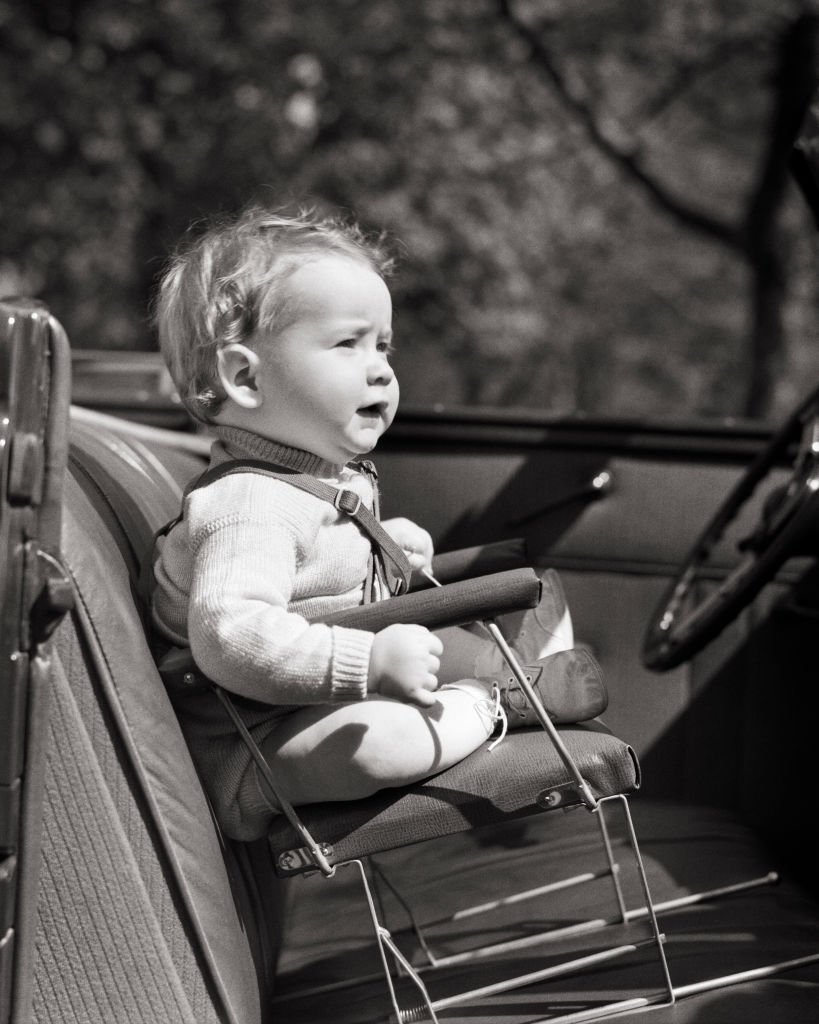
During the 1930s and 1940s, automobile travel experienced a post-war boom, yet safety standards for minor passengers were virtually non-existent. Early children’s car seats typically consisted of primitive metal frames. These accessories often lacked seat belts, harnesses, or any structural mechanism to secure a child during a sudden stop or impact. Furthermore, social norms of the era permitted young children to ride unsecured on the front bench seat next to the driver—a practice that modern automotive safety experts consider hazardous and which violates contemporary child safety guidelines.
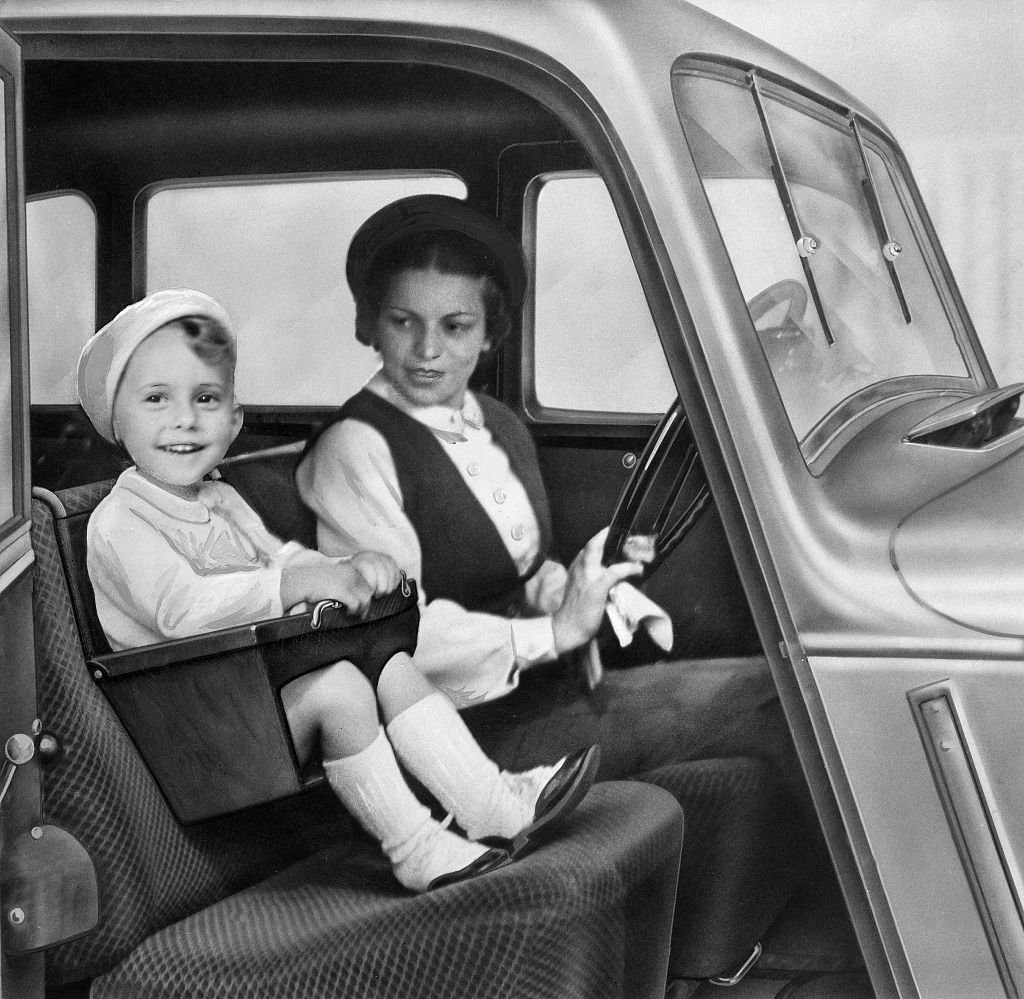
Early designs often prioritized utility and vantage point over safety. Some accessories even attached to the exterior of the vehicle, effectively hanging children outside the window to grant them a better view of the passing scenery. The metal frames of these early interior seats, while keeping infants out of the driver’s way, could easily become lethal projectiles or impact hazards during a collision. It was not until the mid-20th century that inventors and automotive engineers began to conceptualize the car seat as an active safety device rather than a mere holding pen.
The Mid-Century Turning Point: Innovation in the 1960s
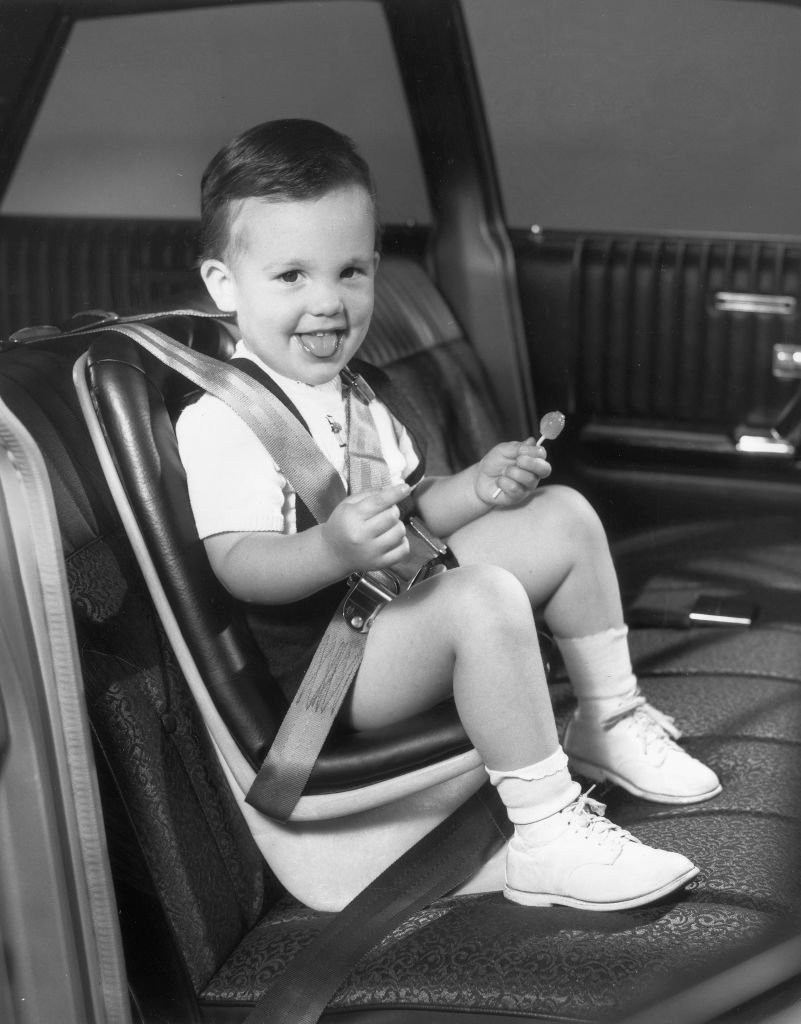
The landscape of child passenger safety began to shift dramatically in the 1960s. In 1962, British journalist and mother Jean Ames invented the Jeenay Car Seat, a breakthrough design that featured a foam padding layer and a three-point harness system. Significantly, the Jeenay Car Seat was the first children’s restraint specifically engineered to be used in the backseat of a vehicle, marking a fundamental philosophical shift in where children should sit during transit.
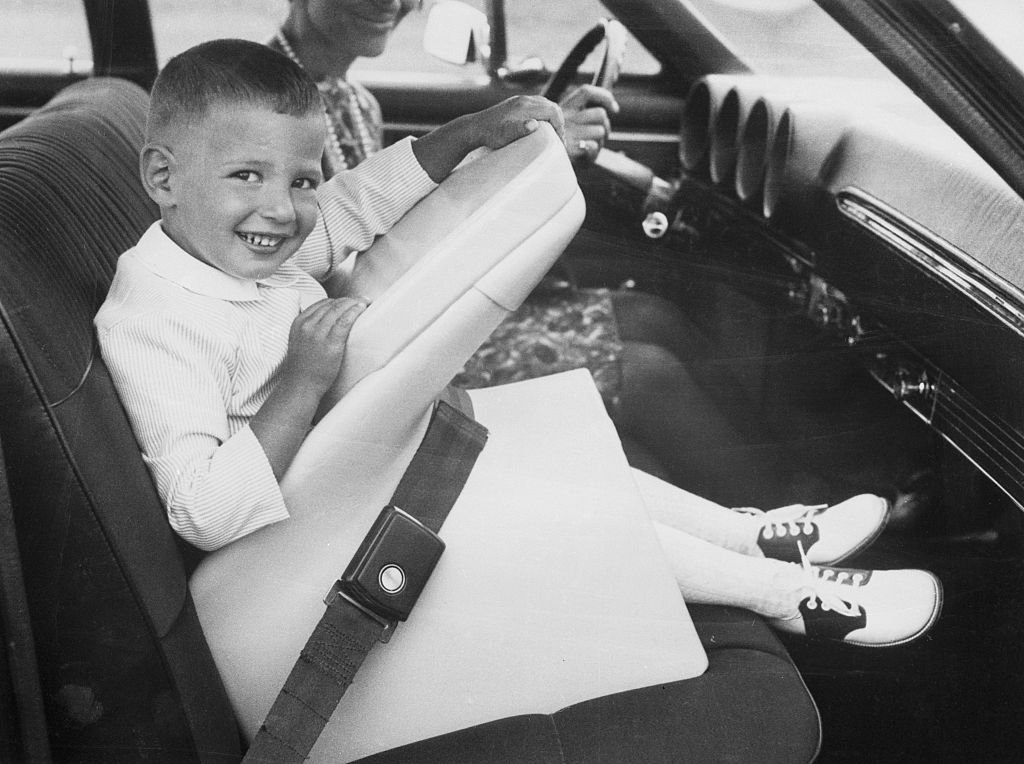
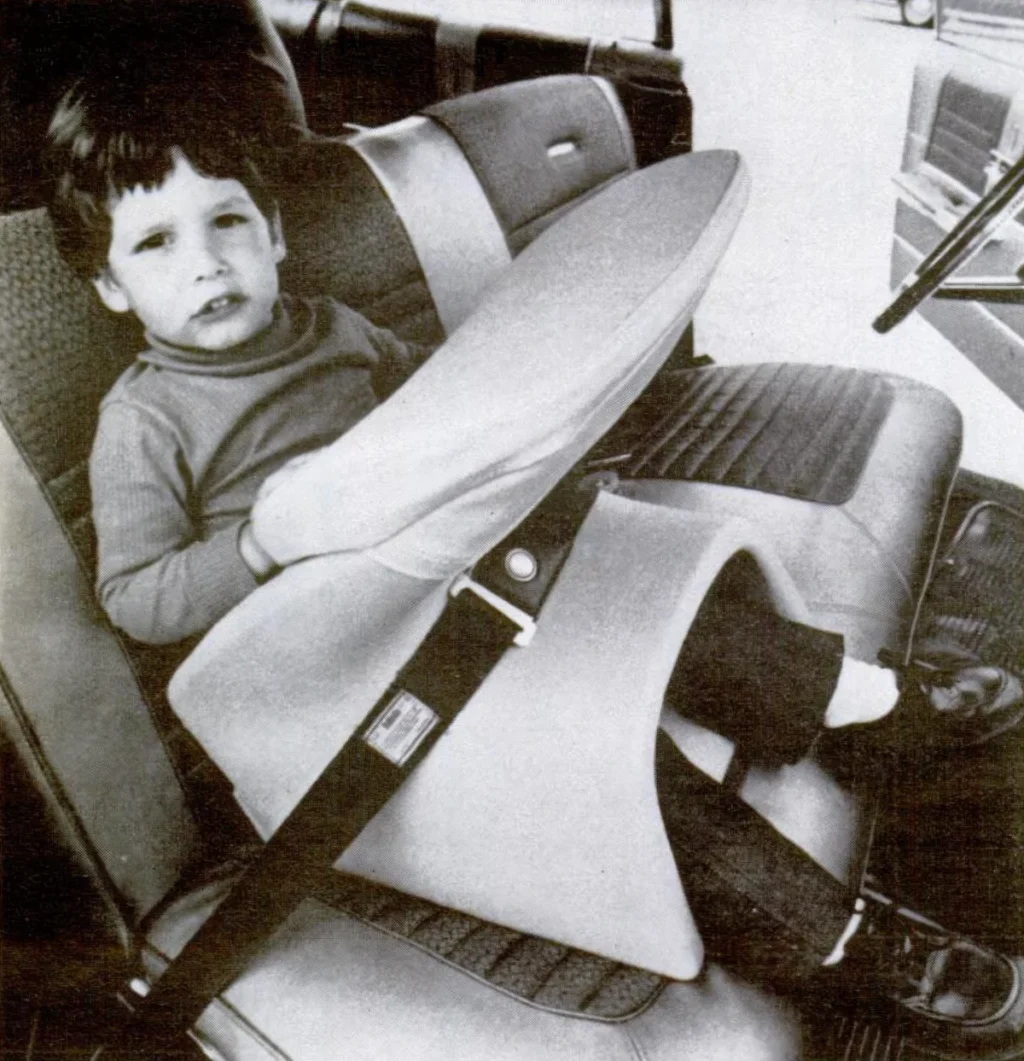
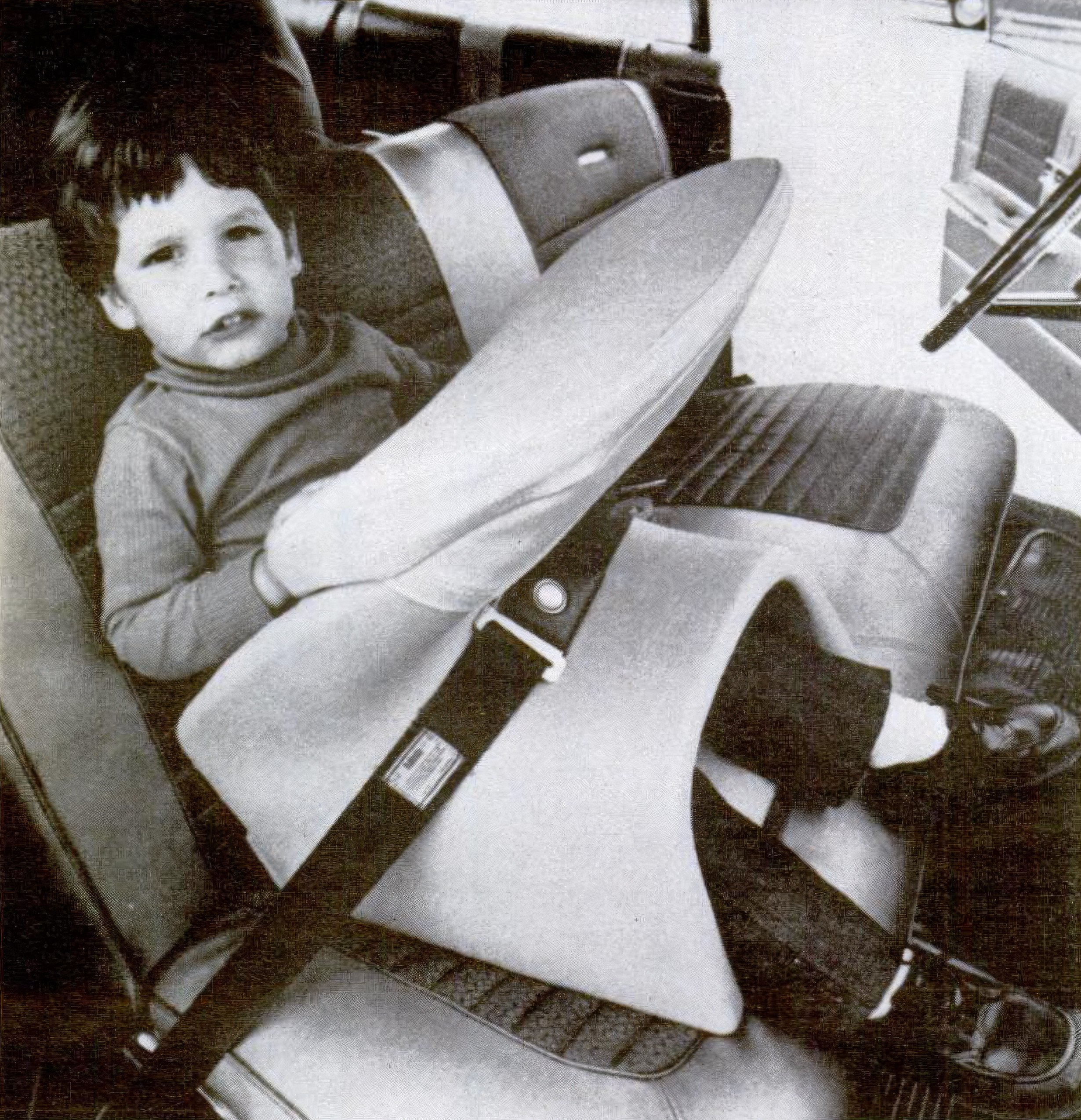
Recognizing the escalating public health crisis surrounding automobile fatalities, the Ford Motor Company introduced the "Tot Guard" in 1967. Described in a May 1972 issue of Popular Science, the Tot Guard featured a padded, wedge-shaped shield designed to cushion a child’s face and head in the event of a frontal collision. The shield was held securely in place by a standard lap belt, distributing impact forces across the device rather than directly across the child’s body. Retailing for $24.95—equivalent to approximately $200 today—the Tot Guard represented one of the first major automotive manufacturer entries into the dedicated child safety restraint market.
The Push for Regulation and Testing Standards
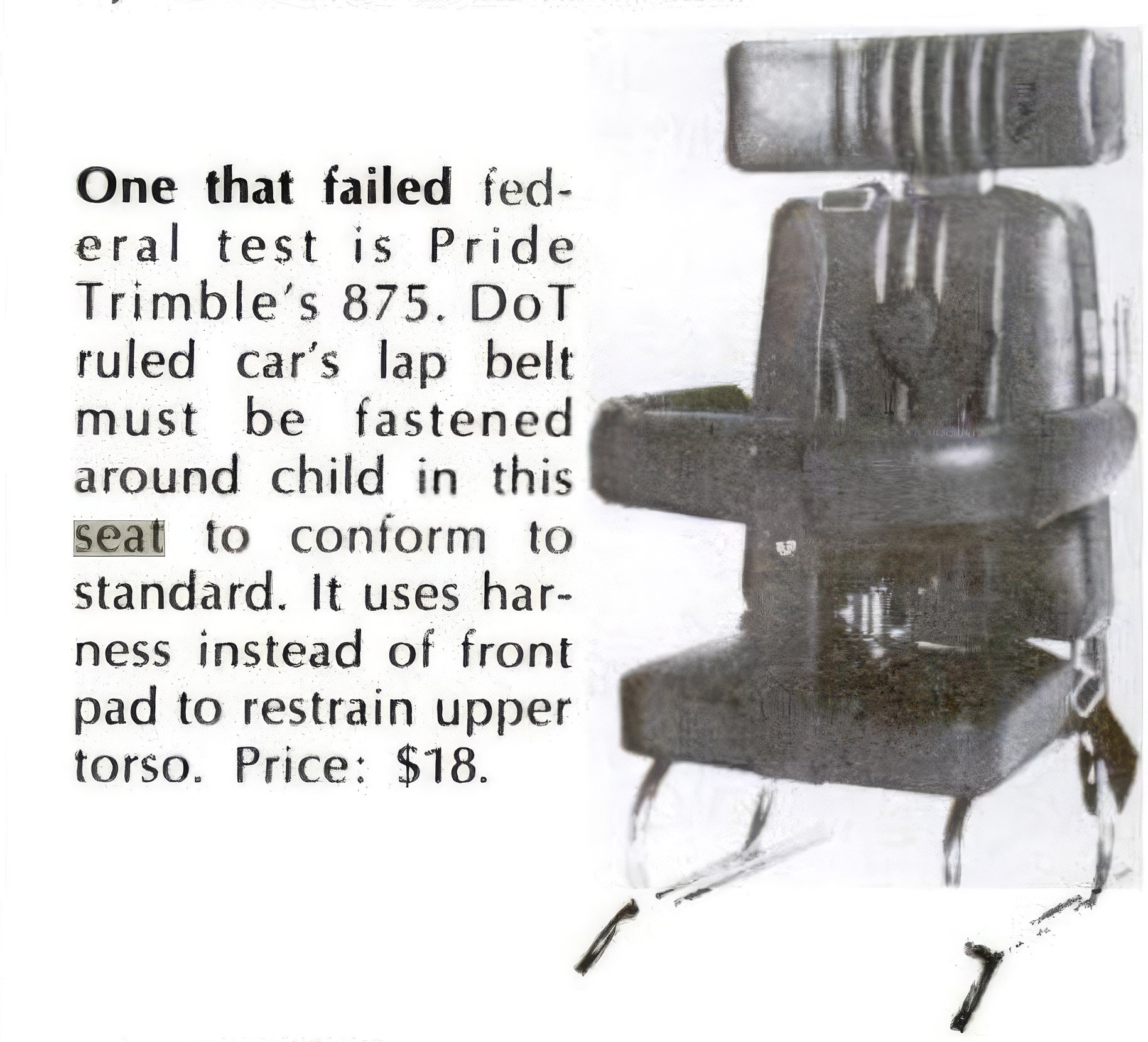
As commercial options multiplied, the lack of standardized safety testing became apparent. In the early 1970s, manufacturers such as Pride Trimble produced models like the Pride Trimble 875, which retailed for around $18 (approximately $150 today). However, formal evaluations quickly exposed widespread deficiencies across the market. In a landmark May 1972 Popular Science article titled "Safe or Unsafe? The Truth About Car Seats," testing conducted by the Consumers Union (now Consumer Reports) revealed that 12 out of 15 tested child safety restraints failed formal evaluation standards. This shocking failure rate catalyzed calls for stricter federal oversight, standardized testing methodologies, and mandatory regulatory compliance.
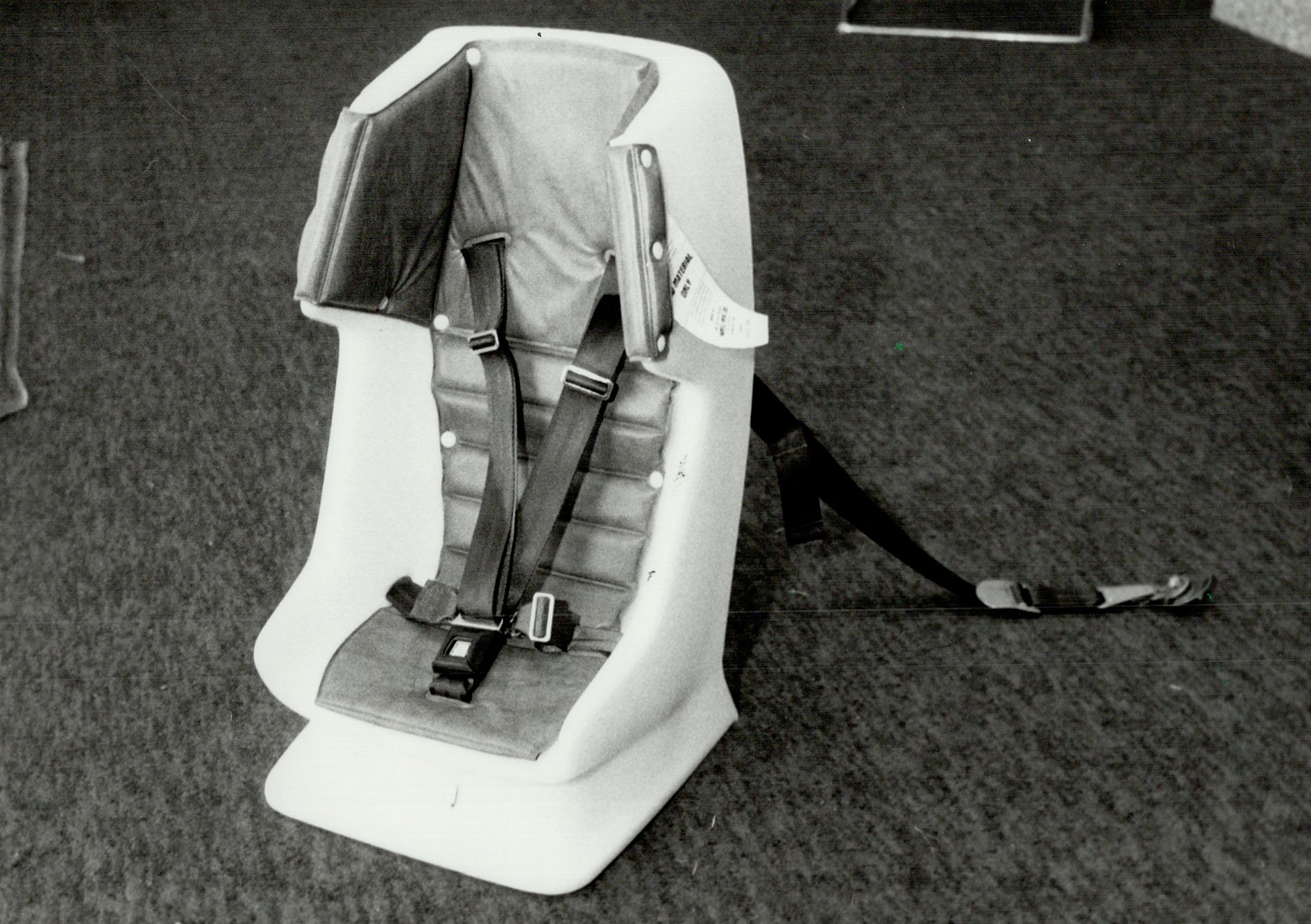
Legislative mandates soon followed. In 1980, Canada became a pioneer in passenger safety by passing legislation mandating that all forward-facing children’s car seats be secured with a top tether attached to the vehicle frame. By contrast, top tethers would not become federally mandated in the United States for another two decades.
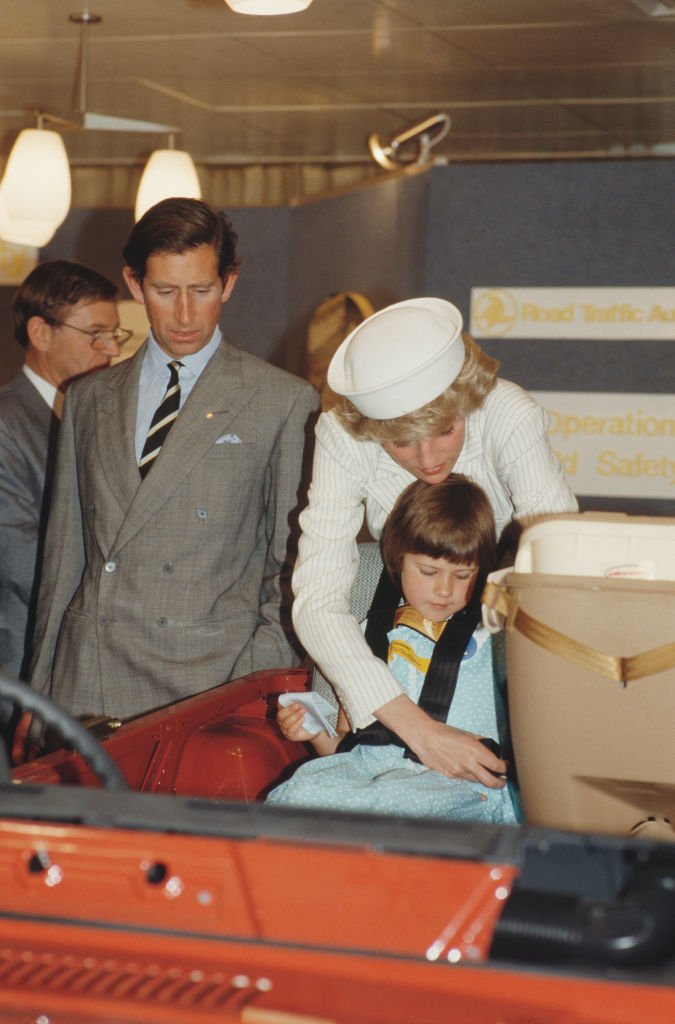
Public awareness campaigns further accelerated adoption rates. By 1985, every U.S. state, along with the District of Columbia and Puerto Rico, had enacted laws making the use of child car seats compulsory. Internationally, governments launched aggressive promotional initiatives. Australia initiated the "Bassinet Loan Scheme" through the Australian Road Traffic Authority in 1985, aiming to make infant restraints available for a nominal fee to parents of children up to six months old across Victoria. By March 1988, the program had successfully distributed 13,271 car seats. The initiative gained global attention and high-profile endorsement when members of the British royal family, including Princess Diana and then-Prince Charles, participated in promotional events highlighting the importance of infant restraints.
Technological Iterations and Missteps
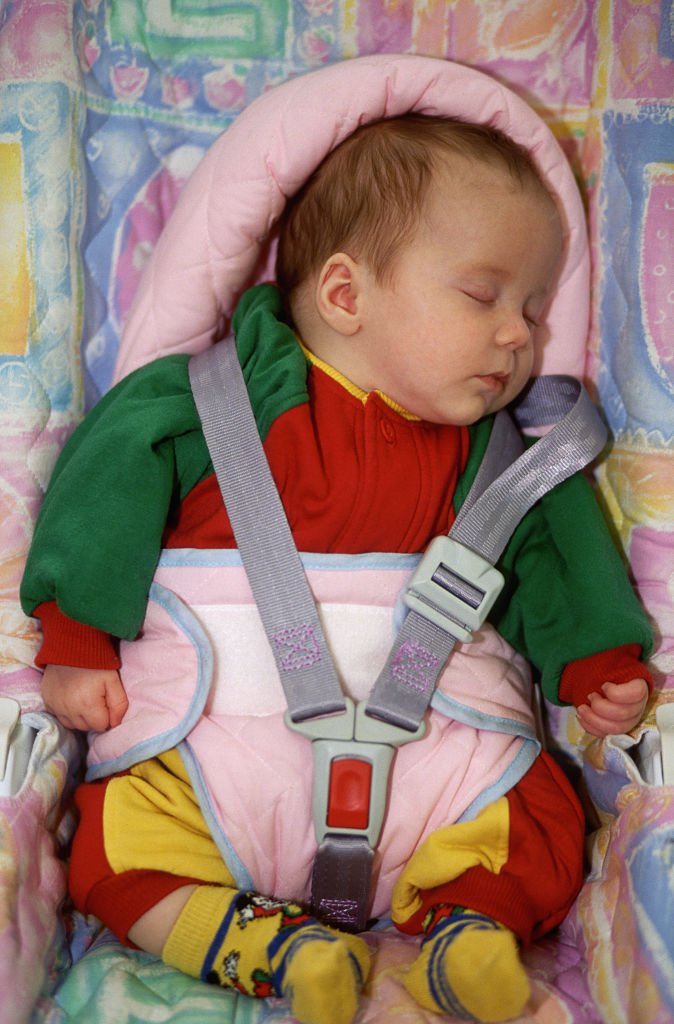
Throughout the 1980s and 1990s, car seats became a standard fixture of family vehicles, evolving aesthetically to feature the bold, geometric patterns characteristic of 1990s design while quietly improving structural integrity. However, innovation occasionally outpaced common sense or regulatory approval.
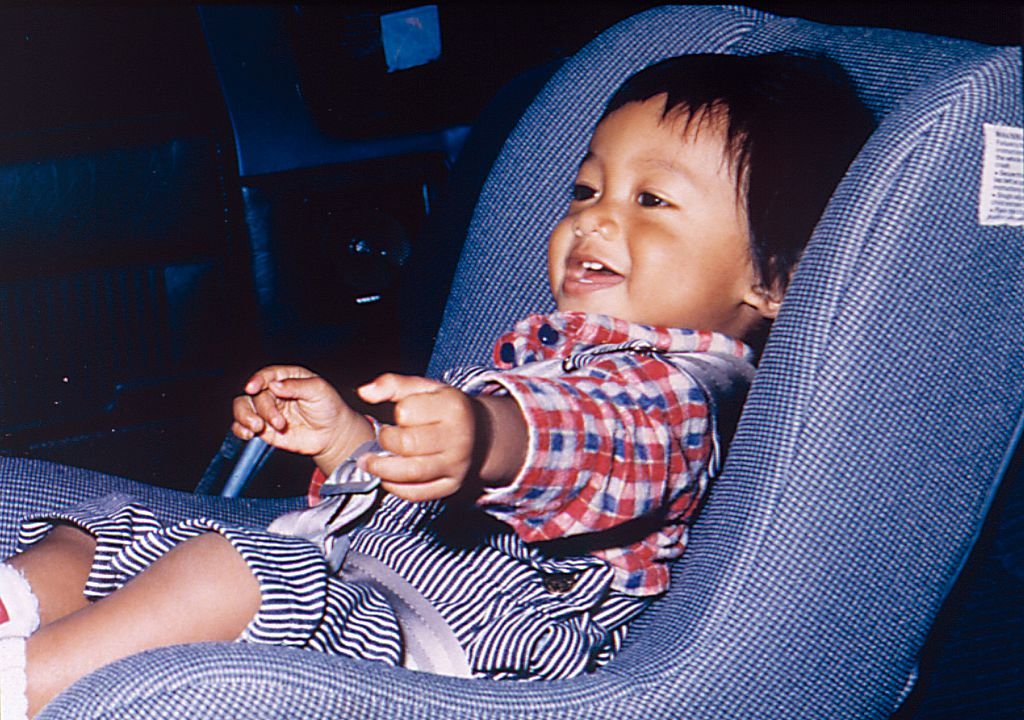
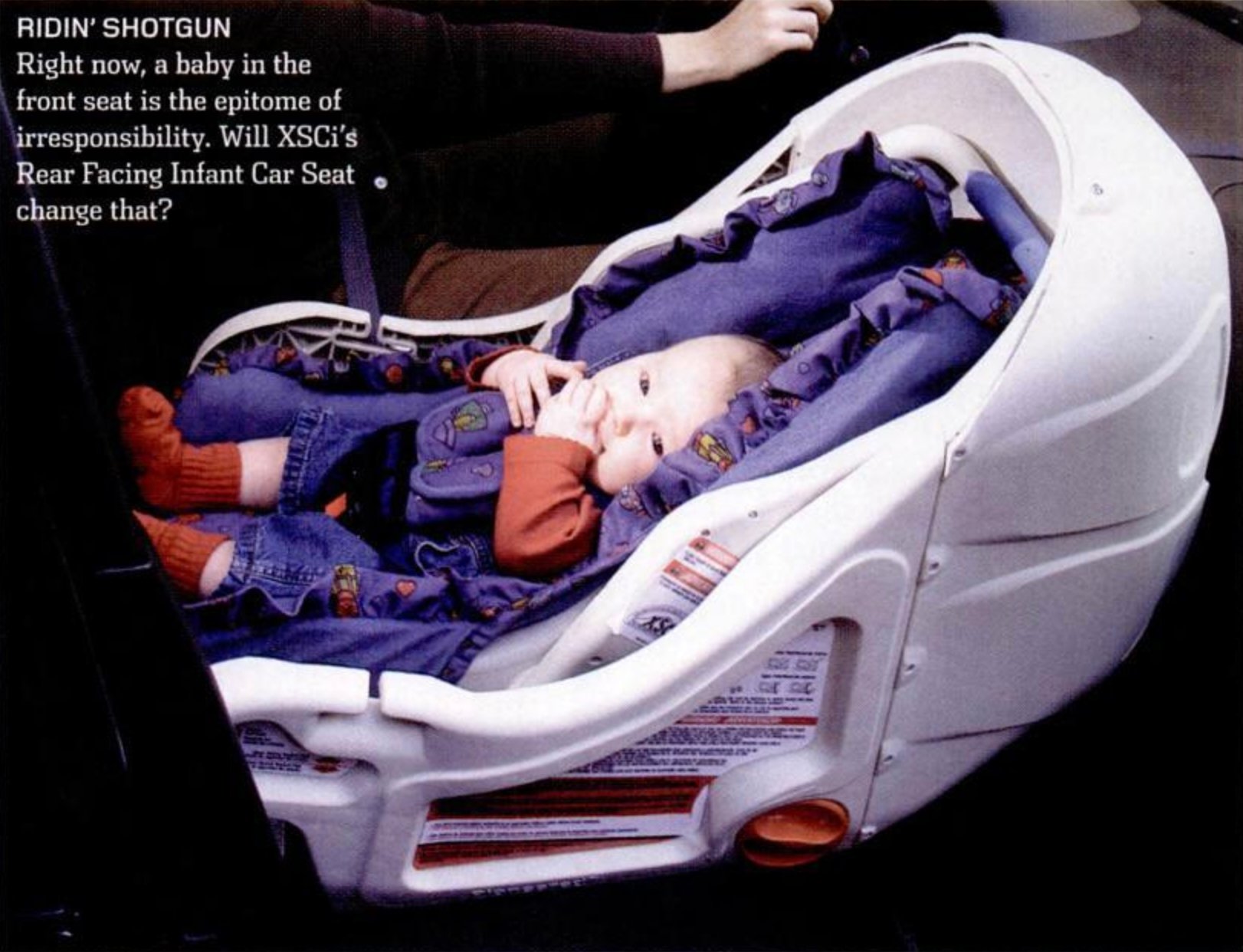
In February 2002, Popular Science published an article detailing a controversial rear-facing infant car seat manufactured by Xportation Safety Concepts Inc. Titled "Come Ride with Me, Baby," the report highlighted a design intended to mount a rear-facing infant seat in the front passenger position. Safety experts reacted with immediate alarm, pointing out the severe risks posed by deployment zones of front-seat airbags. Despite the engineering manager’s public assertions of safety—even claiming he would place his own daughter in the device—the U.S. government ultimately refused to approve the product for public use, underscoring the absolute authority that federal safety standards had assumed by the turn of the century.
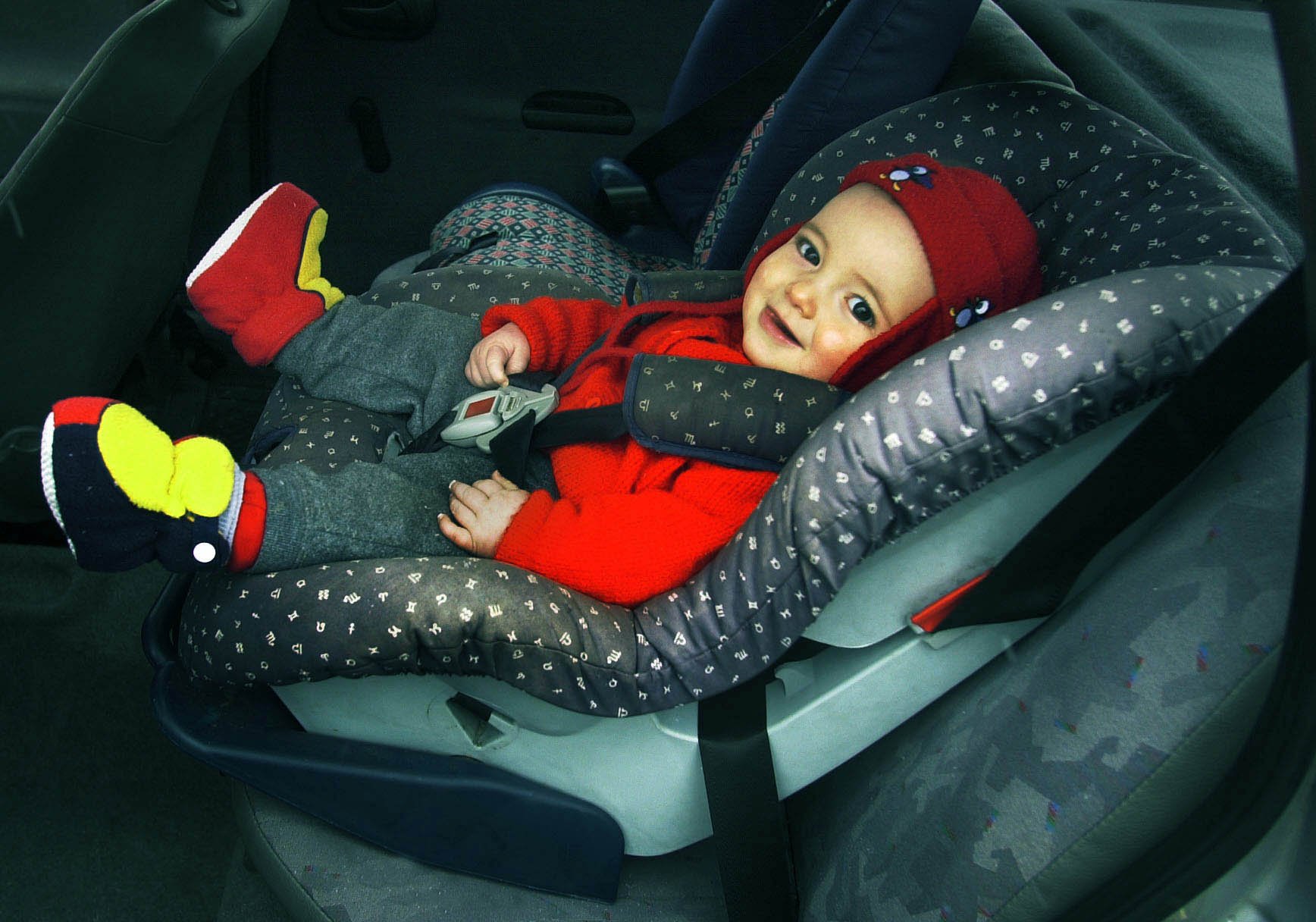
National campaigns continued to drive compliance in the 2000s. In 2000, the British government launched the "THINK!" campaign, setting an ambitious target to reduce childhood road casualties by 50 percent by 2010. On September 18, 2006, the United Kingdom enacted comprehensive legislation requiring all children under 12 years of age, or under four feet and five inches in height, to use an appropriate child car seat tailored to their size and weight.
Modern Testing Protocols and Future Implications
Today, the manufacturing and evaluation of child safety seats are governed by rigorous, uncompromising standards. Modern seats undergo dynamic crash testing at various speeds, must maintain structural integrity during high-velocity impacts, and are subject to strict flame-retardant material requirements. Testing facilities, such as the Dorel Technical Center in Columbus, Indiana, utilize sophisticated child-sized crash test dummies outfitted with telemetry sensors to measure head excursion, chest acceleration, and abdominal force during simulated 35-mile-per-hour collisions.
The transition of the child car seat from a crude wooden or metal perch to a highly engineered, regulated safety apparatus represents one of the most successful public health interventions in modern automotive history. While technological advancements continue to refine installation mechanisms—such as the widespread adoption of LATCH (Lower Anchors and Tethers for Children) systems—the foundational principle remains unchanged: protecting the most vulnerable passengers through rigorous engineering, empirical testing, and unwavering legislative oversight.