



The history of technology is marked by rapid innovation, paradigm shifts, and moments that have fundamentally reshaped modern civilization. Yet, alongside the genuine breakthroughs and well-documented milestones of the digital age, a rich folklore has emerged. In journalism, anecdotes that are too convenient, humorous, or illustrative often bypass rigorous verification, calcifying over time into widely accepted urban legends. Because digital technology is a relatively young field—with many of its founding figures and foundational events occurring within living memory—the persistence of these misconceptions presents a fascinating study in cultural narrative building. Examining the historical record reveals that several of the most entrenched myths surrounding the computing industry misrepresent the realities of early engineering, the nature of software troubleshooting, and the actions of industry pioneers.
The Origin of the Computer Bug Predates the Harvard Moth
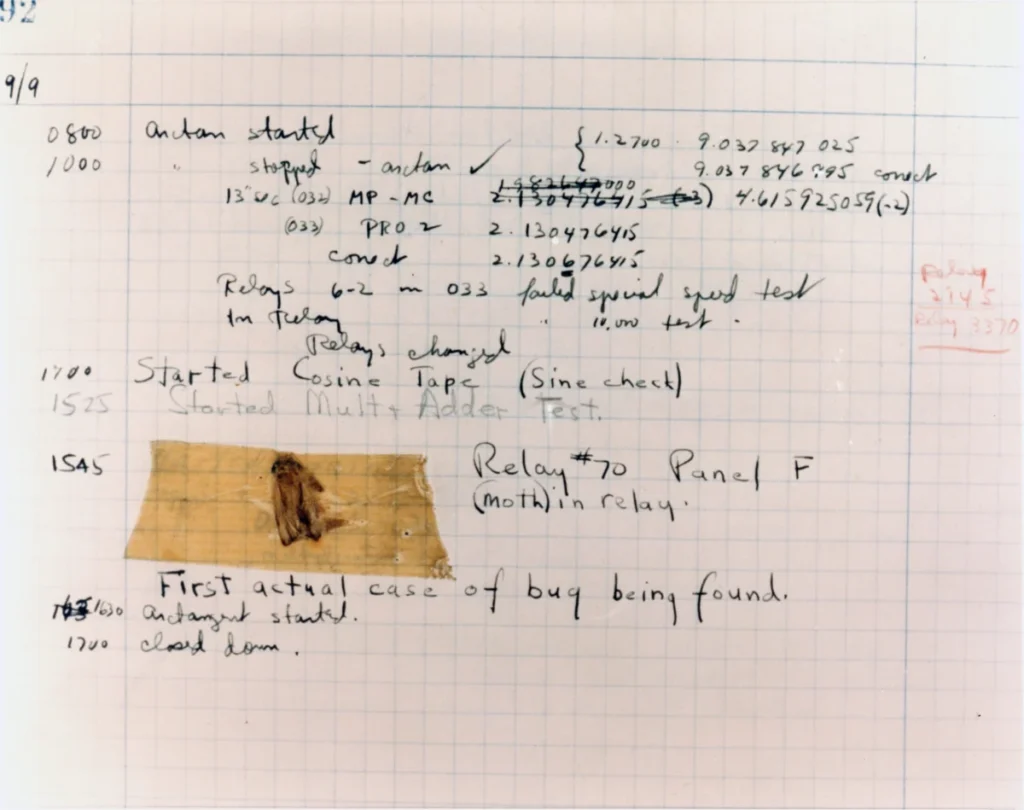
Perhaps the most famous anecdote in computing folklore attributes the origin of the term "computer bug" to an actual insect discovered inside an early electromechanical computer. According to popular lore, engineers working on the Harvard Mark II Aiken Relay Calculator in September 1947 extracted a trapped moth from a relay, taped it into the facility’s engineering logbook, and penned the entry, "First actual case of bug being found." This narrative is frequently embellished with the claim that legendary computer scientist and United States Navy Rear Admiral Grace Hopper coined the term or personally orchestrated the logging of the insect.
While the physical logbook containing the moth is a genuine artifact preserved by the Smithsonian National Museum of American History, the popular interpretation of the event is historically inaccurate. The term "bug"—used to describe mechanical malfunctions, glitches, and operational interference—had been a part of engineering and technical nomenclature for decades before 1947. Historical investigations, including research published by academic sources such as JSTOR Daily, indicate that inventors such as Thomas Edison used the term as early as the late 19th century to describe flaws or unexpected hurdles in electrical and mechanical systems.
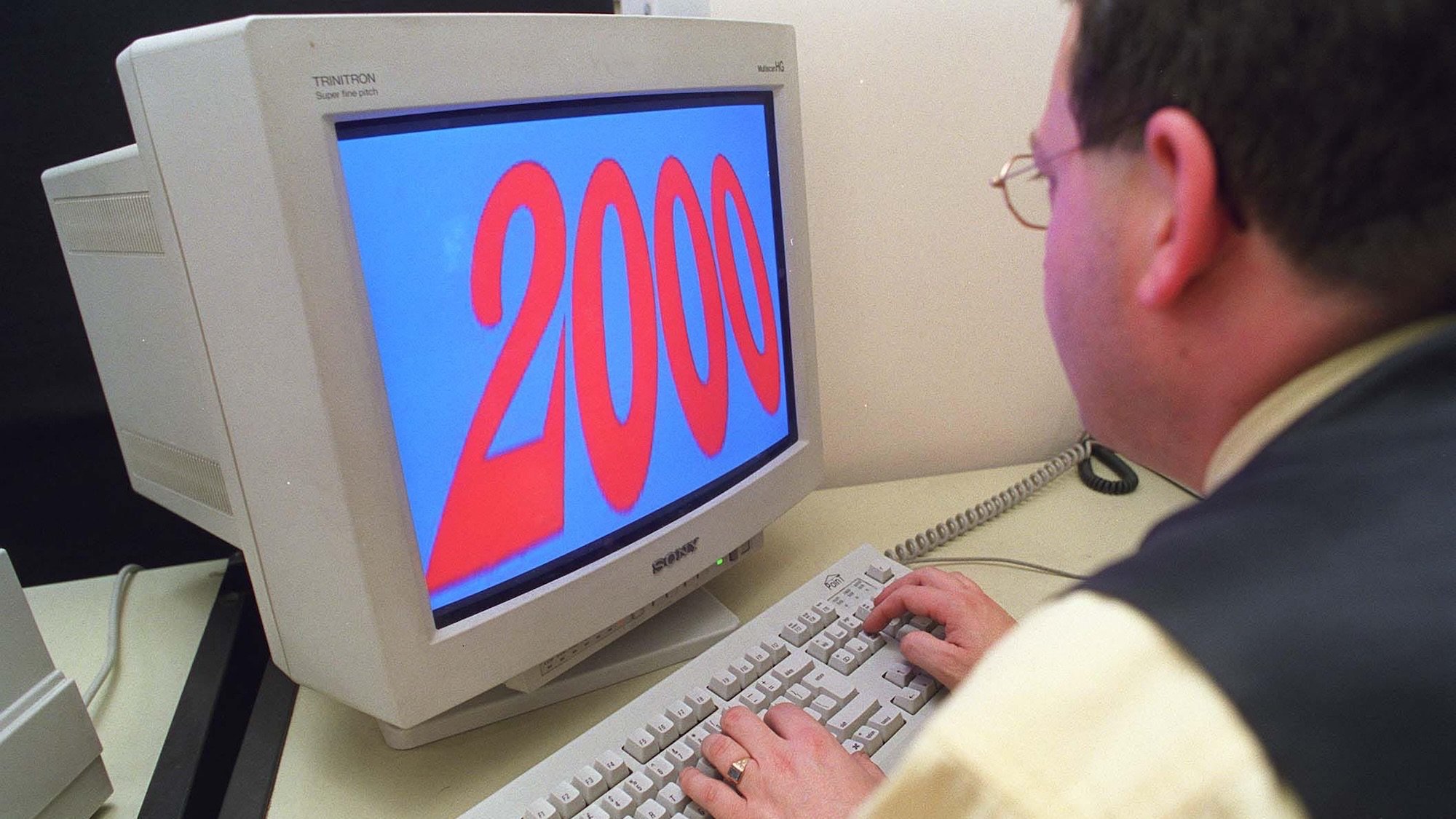
The 1947 logbook entry was not the coinage of a new technical term, but rather a clever, self-aware pun crafted by the laboratory engineers. Recognizing the irony of encountering a literal biological bug while attempting to troubleshoot an electronic system, the technician recorded the event as a joke. Furthermore, historical documentation does not substantiate the claim that Grace Hopper authored the entry or maintained the specific logbook, though she was undeniably associated with the Harvard computation laboratory during that era. The moth incident remains a delightful piece of computing culture and a testament to the humor of early programmers, but it has no bearing on the etymology of software debugging.
The Y2K Crisis Was a Genuine Threat, Not a Media Fabrication
In the years leading up to the turn of the millennium, public anxiety surrounding the Year 2000 (Y2K) bug reached a fever pitch, fueled by apocalyptic media reports predicting widespread infrastructural collapse, grounded flights, and failing banking systems. When January 1, 2000, arrived and passed with minimal disruption, public sentiment swung violently in the opposite direction. The massive multi-billion-dollar mitigation effort was quickly recharacterized by skeptics as an overblown panic drummed up by consultants and tech companies looking to profit from fear.
A rigorous examination of the technical roots of the Y2K bug demonstrates that the threat was entirely authentic and required unprecedented global intervention. In the early decades of computer science, memory and storage were extraordinarily expensive and scarce commodities. To conserve precious bytes, software engineers routinely programmed years using only two digits rather than four (e.g., storing "99" instead of "1999"). As the century rolled over, systems programmed this way faced a critical logic failure, interpreting "00" as the year 1900. This defect threatened nearly every automated system dependent on date calculations, ranging from financial interest accrual and supply chain logistics to heavy manufacturing and critical infrastructure.
To avert systemic failure, governments and private enterprises launched a massive remediation campaign. The United States federal government alone spent an estimated $100 billion identifying, isolating, and rewriting vulnerable legacy code. While international expenditures varied, the global sharing of threat intelligence, contingency planning, and code auditing averted catastrophic failures.
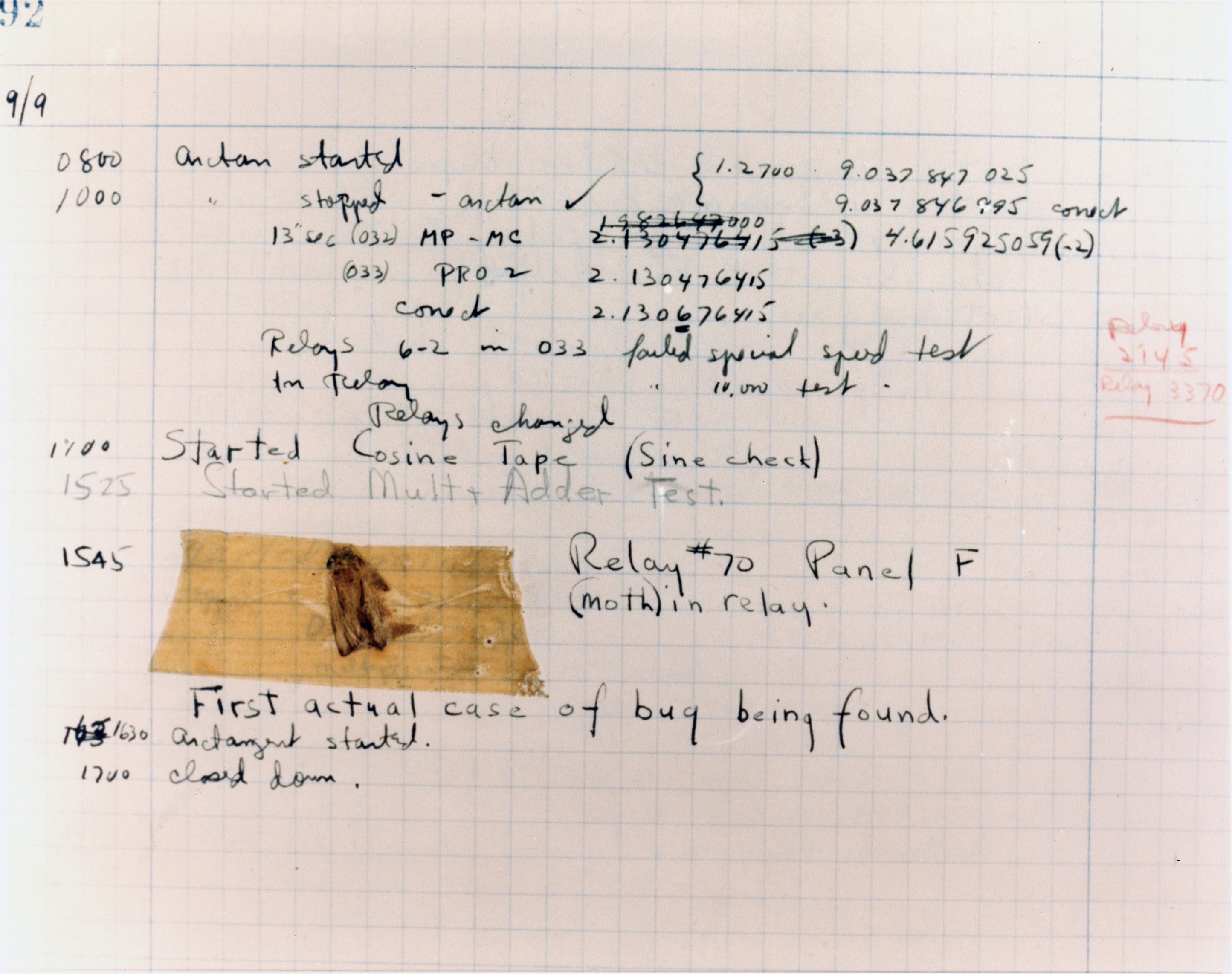
Despite this monumental preventive effort, minor incidents still occurred, illustrating that the underlying threat was real. Retrospective analyses, such as those compiled by Gresham College engineering experts, documented that approximately 15 nuclear power reactors globally experienced minor automated shutdowns or safety system alerts related to date-processing errors, all of which were safely resolved. Additionally, numerous consumer-facing billing errors—such as exorbitant utility or rental fees calculated across a perceived 100-year span—demonstrated the vulnerability of unpatched systems. The seamless transition into the year 2000 was not evidence that the problem was imaginary, but rather proof that proactive engineering and substantial resource allocation can successfully neutralize technological crises before they manifest globally.
Bill Gates and the Apocryphal 640K Memory Quote
Among corporate folklore, few quotations are as frequently weaponized against visionary technology leaders as the one attributed to Microsoft co-founder Bill Gates: "640K ought to be enough for anybody." Popularly believed to have been uttered at a technology conference in 1981—the year IBM introduced its seminal Personal Computer—the quote is meant to highlight a profound lack of foresight regarding the exponential growth of computing power and data storage demands.
In contemporary terms, 640 kilobytes of random-access memory (RAM) is miniscule; modern consumer computers routinely ship with 8 gigabytes, 16 gigabytes, or more, rendering 640K functionally obsolete by a factor of thousands. If a pioneer like Gates had genuinely declared a hard ceiling on memory requirements at the dawn of the personal computer era, it would stand as one of the most short-sighted misjudgments in business history.
However, extensive investigative journalism and biographical research have repeatedly debunked the attribution. Prominent technology writers and lexicographers, including Fred Shapiro, editor of The Yale Book of Quotations, have investigated the origins of the statement and concluded it is entirely apocryphal. Archival researchers and the diligent volunteer contributors at Wikiquote have scoured transcripts of Gates’s public appearances, interviews, and written correspondence from 1981 onward without locating any primary source for the remark.
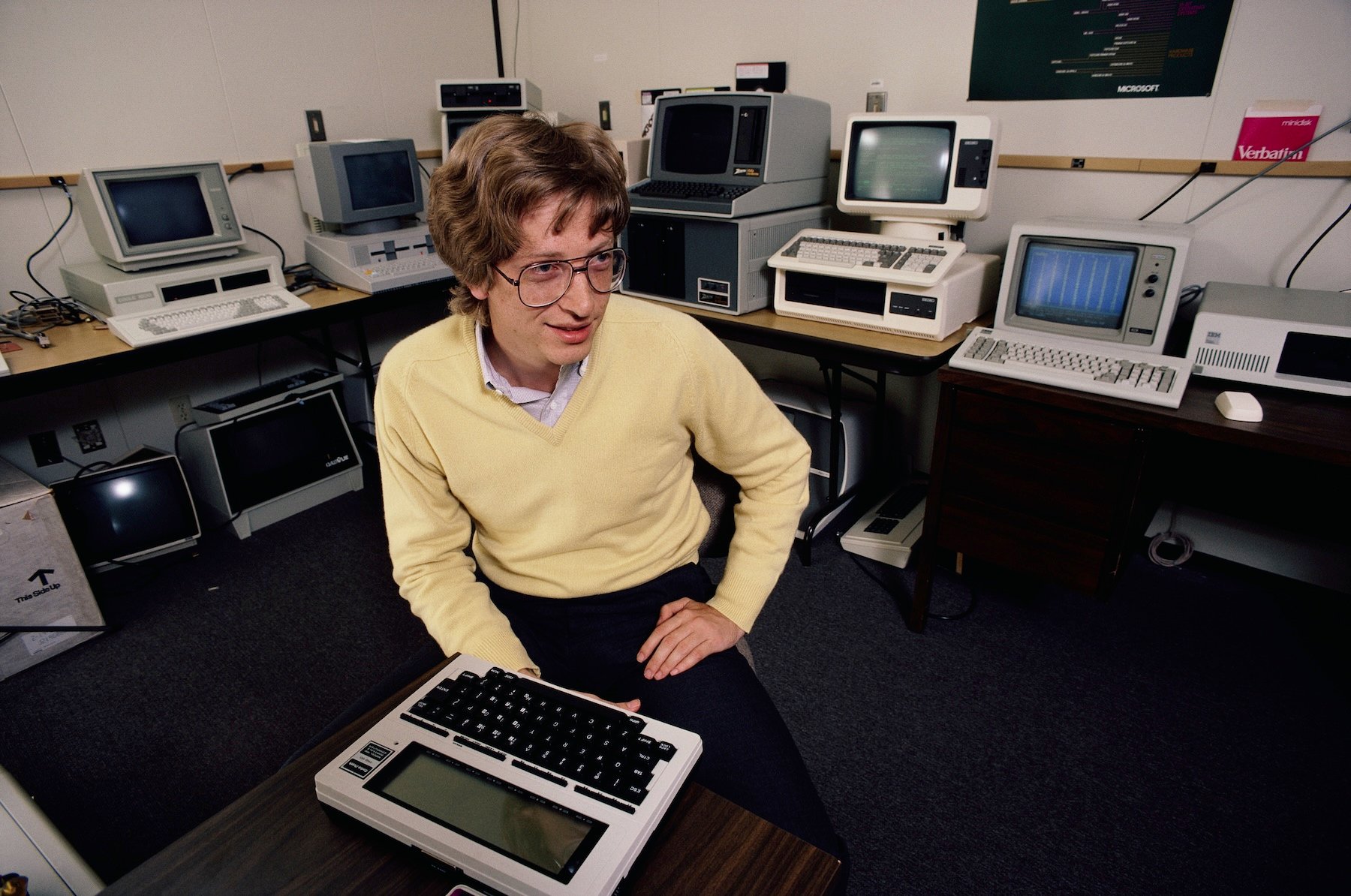
Gates himself forcefully denied the statement during a 1996 television and print interview, remarking, "I’ve said some stupid things and some wrong things, but not that. No one involved in computers would ever say that a certain amount of memory is enough for all time." The endurance of this false quote highlights a broader cultural tendency to manufacture cautionary tales about hubris among technology titans, projecting contemporary hardware standards backward into an era when 640K of conventional memory was indeed a substantial architectural boundary established by the design constraints of early 16-bit processors like the Intel 8086.
Implications for Modern Technological Literacy
The persistence of these foundational myths underscores a broader challenge in technological literacy and historiography. As society becomes increasingly reliant on complex digital systems, an accurate understanding of how technology evolves, how errors are identified, and how infrastructural challenges are managed is critical. Misattributions and sensationalized origin stories often obscure the deliberate, collaborative, and often expensive labor required to build and maintain the digital infrastructure of the modern world. By continuously separating historical fact from well-intentioned folklore, historians, engineers, and journalists ensure that the true architects of the digital age receive accurate recognition for their contributions.