





WASHINGTON — The landscape of American K-12 education experienced a consequential week defined by major federal regulatory movements, updated nationwide workforce data, and an ongoing debate over public school funding and accountability. Released by the U.S. Department of Treasury on October 1, 2025, the long-awaited proposed rule for the Education Freedom Tax Credit stands out as the most pivotal development for school choice advocates and public education officials alike. The nationwide program, authorized under the landmark legislative package passed in 2025, represents the first federal tax-credit-based school choice initiative of its kind, immediately drawing intense scrutiny from across the political spectrum.
Simultaneously, a fresh report released on September 29 by the National Council on Teacher Quality (NCTQ) shed light on how states are attempting to resolve persistent educator shortages through targeted compensation models. As school districts nationwide grapple with recruitment and retention challenges, the data revealed stark disparities in how state education agencies incentivize teaching in high-need environments, reward high-performing educators, and structure salary schedules. These announcements arrived alongside a flurry of sub-regulatory guidance and policy statements issued by the U.S. Department of Education throughout the week, touching upon critical operational areas such as fiscal compliance, civil rights enforcement, and school safety.
The Education Freedom Tax Credit: A Federal Framework for School Choice
The release of the Treasury Department’s proposed rule for the Education Freedom Tax Credit marks a watershed moment in federal education policy. Promoted aggressively by the Trump administration as a cornerstone of its educational equity and parental rights platform, the program allows individuals and corporations to receive federal tax credits for donations made to non-profit scholarship-granting organizations. These organizations, in turn, distribute funds to families to cover private school tuition, tutoring, homeschooling expenses, and other educational services.
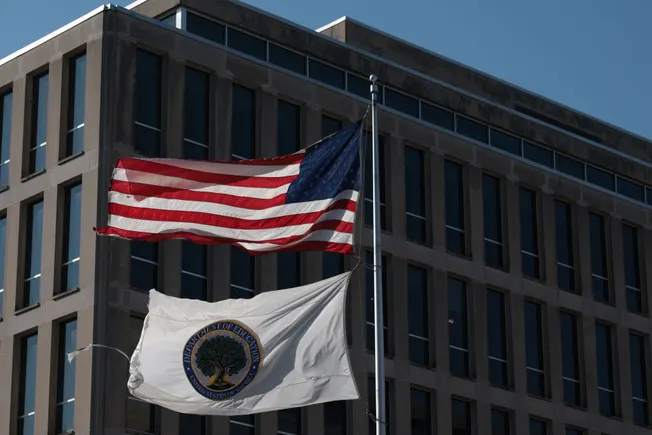
Proponents of the measure argue that the initiative democratizes access to alternative learning environments, granting low- and middle-income families the financial flexibility to escape underperforming or unsafe public school districts. Supporters contend that introducing competitive pressures into the broader educational ecosystem will ultimately force traditional public schools to innovate and improve educational outcomes for all students.
Conversely, public education advocacy groups, teachers’ unions, and congressional critics have expressed deep reservations. Opponents argue that tax-credit scholarship programs siphon essential revenue away from public school systems, which rely heavily on state and local tax dollars, thereby exacerbating funding deficits in districts that are already under-resourced. Furthermore, civil rights organizations have voiced concerns over accountability, noting that private and religious institutions receiving these funds are frequently exempt from the federal anti-discrimination mandates and standardized testing requirements that govern traditional public schools.
The Treasury Department’s proposed rule is slated to undergo a mandatory public comment period before final regulations are codified. Education sector analysts anticipate that the rule will face numerous legal challenges from states and advocacy coalitions once finalized, setting the stage for protracted litigation regarding the constitutional and statutory limits of federal intervention in educational funding models.
Tackling Shortages: NCTQ Data Spotlights Strategic Teacher Pay Policies
While federal policy focused heavily on alternative schooling models, state-level workforce challenges remained a central preoccupation for educational administrators. According to a comprehensive report published on September 29 by the National Council on Teacher Quality (NCTQ), states continue to experiment with strategic compensation models to address chronic educator shortages, though the adoption rates and structural approaches vary widely.

The NCTQ report highlighted the number 13 as a critical benchmark, representing the count of states that currently utilize additional pay to explicitly incentivize teachers who commit to working in hard-to-staff schools. These positions are typically located in high-poverty urban districts or geographically isolated rural communities where turnover rates significantly outpace national averages. By offering targeted financial stipends or retention bonuses, these 13 states hope to attract and retain experienced educators where they are most desperately needed.
However, the report also underscored significant gaps in other areas of strategic compensation:
- Hard-to-Subject Areas: Only 17 states offer financial incentives or salary bumps to educators specializing in high-demand, historically hard-to-fill subject areas such as mathematics, science, special education, and bilingual instruction.
- Performance-Based Pay: Just 10 states mandate or encourage local school districts to incorporate teacher performance evaluations into their overarching salary decisions, moving away from the traditional, rigid step-and-column pay scales based solely on years of experience and advanced degrees.
Labor organizations and education economists remain divided over the efficacy of these targeted pay policies. While proponents argue that differentiating pay based on market demand and classroom performance is essential to professionalizing teaching and attracting top talent, critics warn that merit-based pay models can foster toxic competition among staff, rely on flawed evaluation metrics, and fail to address the root causes of job dissatisfaction, such as inadequate institutional support and overwhelming workloads.
Broadening Federal Oversight: Guidance on Spending and Operations
In addition to the Treasury’s school choice rulemaking, the U.S. Department of Education issued a series of administrative guidelines and policy clarifications during the week of September 28. Agency officials reiterated a strict federal stance regarding fiscal compliance, issuing clear directives for state educational agencies (SEAs) and local educational agencies (LEAs) to rigorously "defend the spend." This federal demand emphasizes transparency and strict adherence to statutory spending caps, especially as districts navigate the final phases of federal pandemic relief funding expirations and adjust to tightening local budgets.

The Department also updated its sub-regulatory guidance concerning Title IX compliance and campus safety protocols. The latter included updated resources and preventative frameworks addressing the rise of "swatting" incidents—false emergency reports targeting schools—which have increasingly disrupted learning environments and strained municipal emergency services nationwide. School administrators have welcomed clearer federal frameworks to address these emerging security threats, though compliance burdens continue to strain administrative capacity at the district level.
Implications for the Future of American K-12 Education
The convergence of federal school choice regulations, evolving state-level compensation structures, and tightened fiscal oversight signals a period of profound transition for American K-12 education. As the implementation of the Education Freedom Tax Credit moves closer to reality, its interaction with existing state-level voucher and education savings account (ESA) programs will likely redraw the financial and structural map of schooling in the United States.
Simultaneously, the persistent struggles documented by the NCTQ regarding teacher staffing demonstrate that financial incentives alone may be insufficient to resolve the systemic recruitment crisis. Policymakers at both the state and federal levels face the complex task of balancing parental choice initiatives with the constitutional and moral obligation to maintain robust, equitable, and fully funded public education systems for the vast majority of American children.
As autumn progresses, education stakeholders will closely monitor the public feedback phase of the Treasury Department’s proposed tax credit rules, while state legislatures prepare for upcoming legislative sessions where teacher compensation and school funding formulas will undoubtedly remain top legislative priorities.








