

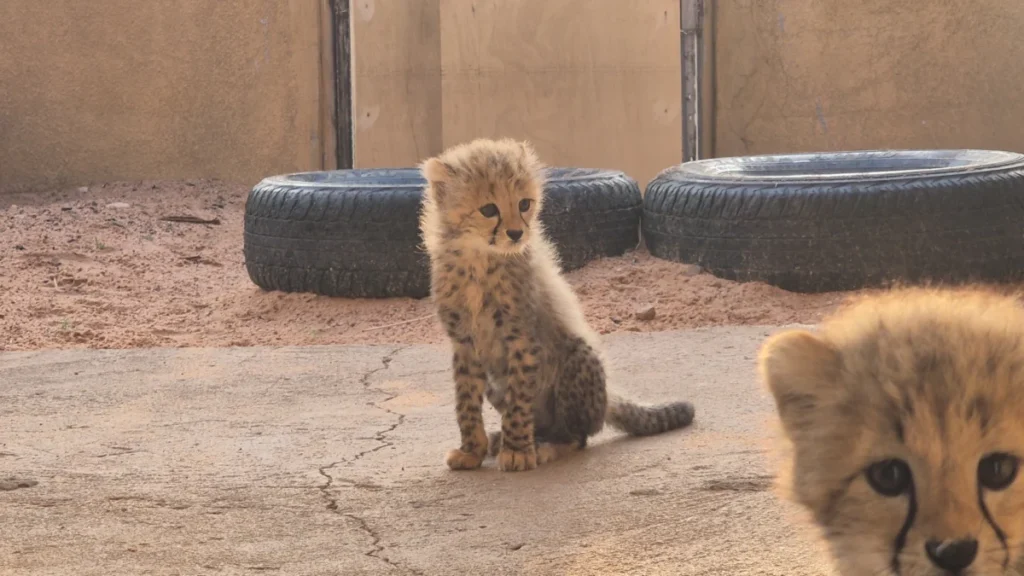
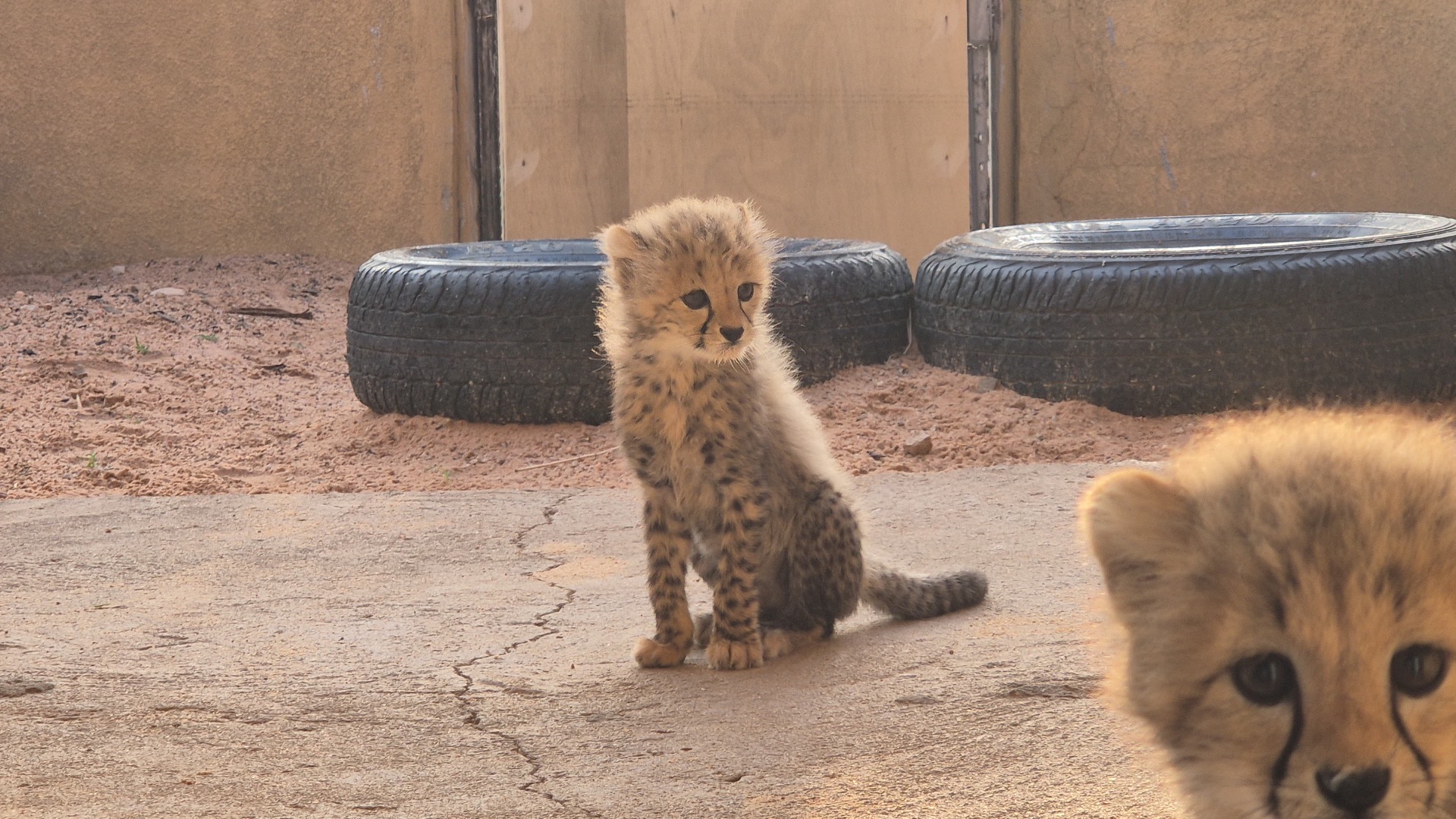
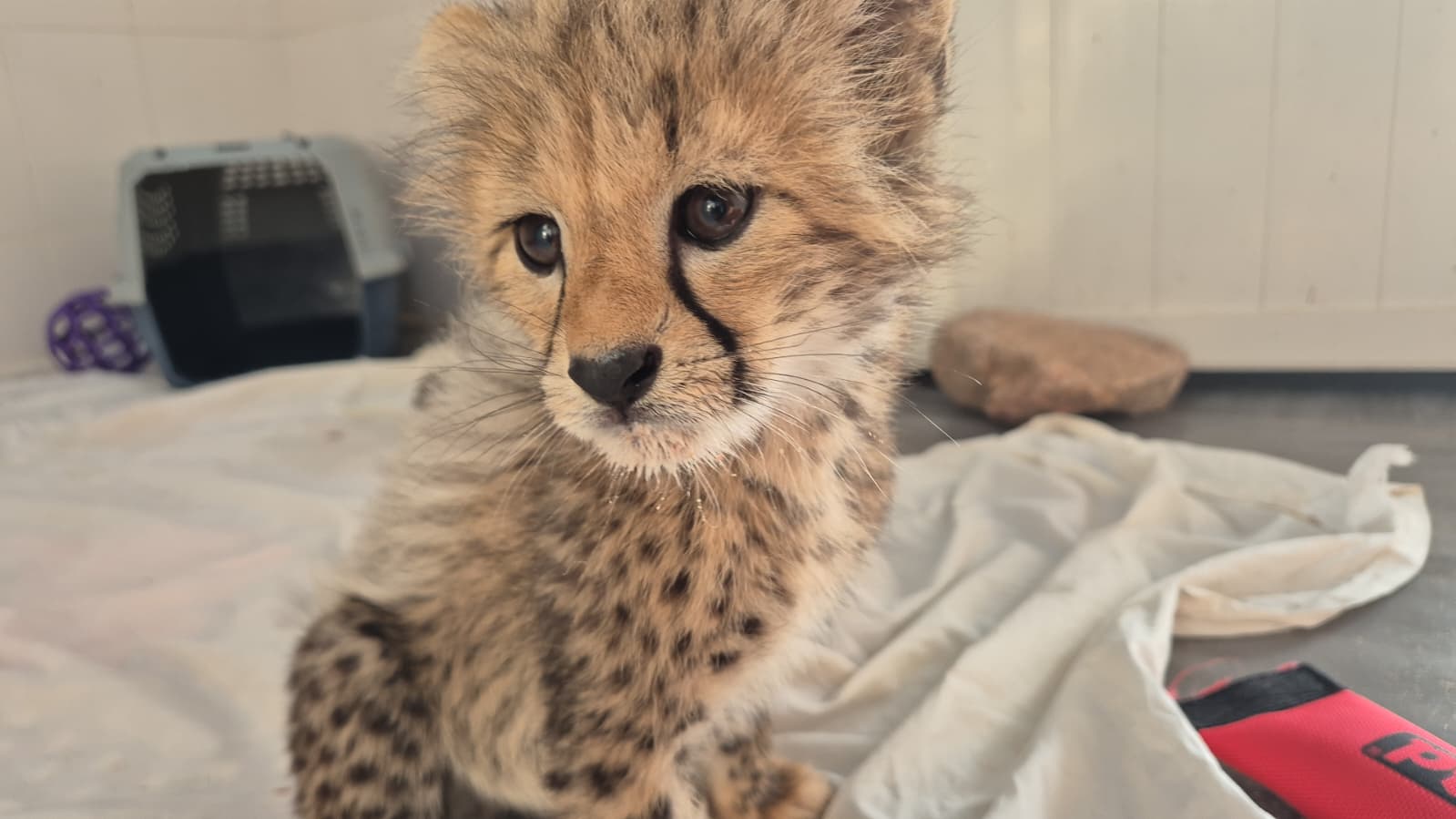
In a high-stakes operation that underscores the volatile nature of wildlife protection in the Horn of Africa, the Cheetah Conservation Fund (CCF) and Somaliland’s Ministry of Environment and Climate Change (MoECC) successfully intercepted and rescued two cheetah cubs (Acinonyx jubatus) just hours before they were to be smuggled across international borders. The extraction, which took place in the Somaliland capital of Hargeisa, prevented the young cats from entering the illegal exotic pet trade, a multibillion-dollar industry that continues to decimate wild populations of the world’s fastest land animal.
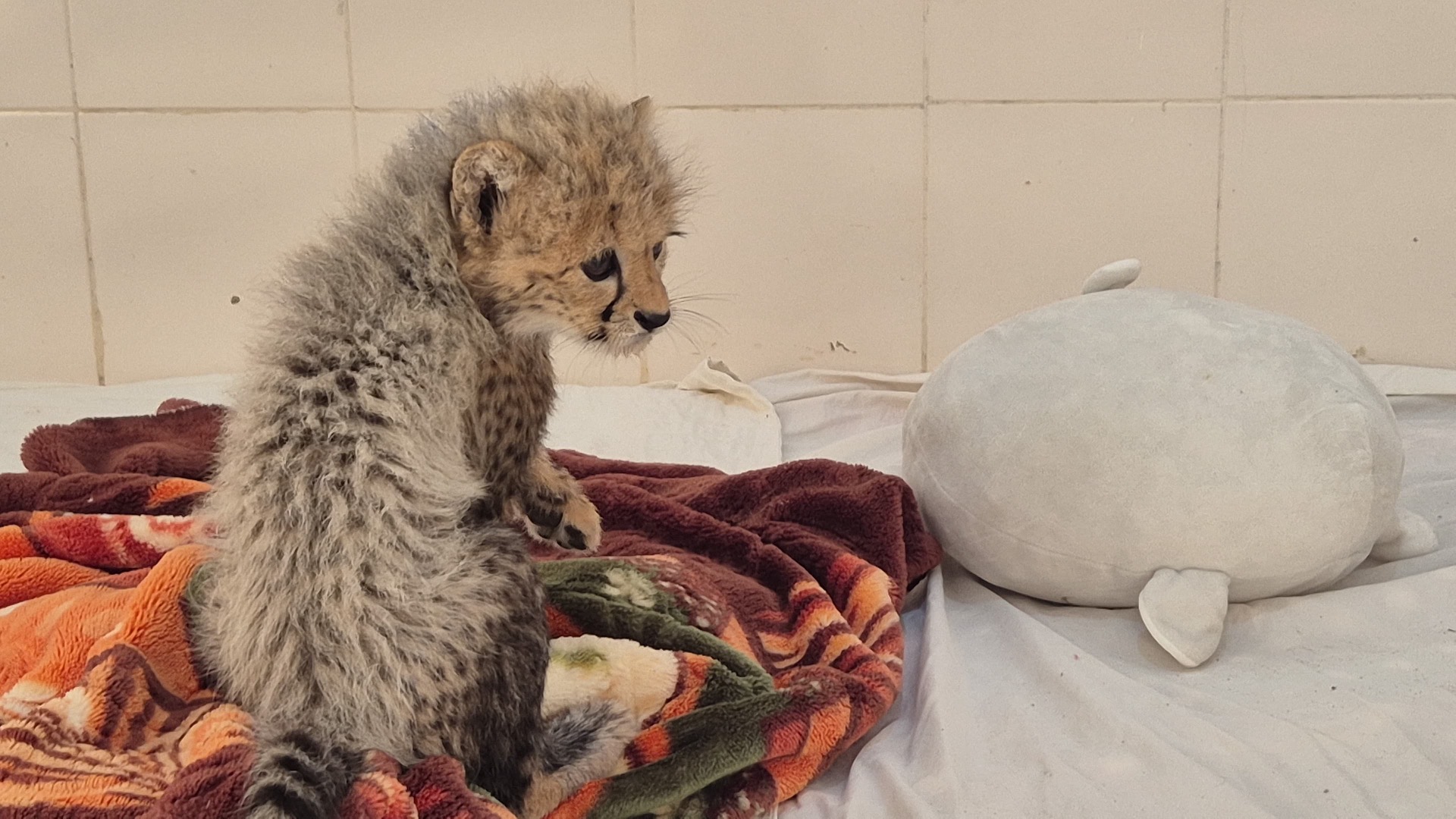
The rescue was initiated following the receipt of urgent intelligence indicating that traffickers were preparing to load the cubs onto a maritime vessel. The intended destination for such shipments is frequently the Arabian Peninsula, where cheetahs are highly sought after as status symbols. Upon receiving the tip, the CCF mobilized a rapid response team in coordination with local law enforcement and environmental officials. The subsequent operation saw the safe seizure of the animals, which were found in a state of significant physical distress, a common condition for wildlife caught in the gears of the black market.
Chronology of the Rescue and Immediate Intervention
The timeline of the rescue highlights the necessity for rapid coordination between non-governmental organizations and state authorities. On the day the intelligence was verified, the CCF and MoECC officials moved within a window of only a few hours to intercept the traffickers. Following the seizure, the cubs were immediately assessed for life-threatening conditions, including severe dehydration and malnutrition—symptoms that often lead to the high mortality rates associated with wildlife smuggling.
The day following their extraction, the cubs were transported to the Cheetah Rescue and Conservation Centre (CRCC) in Somaliland. This facility, established as a specialized sanctuary for victims of the illegal wildlife trade, provides the intensive veterinary care and specialized nutrition required to stabilize rescued cubs. At the CRCC, the two new arrivals joined a population of more than 125 rescued cheetahs, including at least 21 other cubs that have been brought to the facility in recent months. This surge in rescues indicates a persistent and perhaps intensifying pressure on wild cheetah populations in the region.
The Biological and Ecological Cost of Trafficking
The rescue of these two individuals is a significant victory in a much larger and more grim statistical landscape. Wildlife experts estimate that for every cheetah cub that successfully reaches a private buyer in the exotic pet trade, as many as eight or nine others perish during the journey. This 90 percent mortality rate is attributed to the brutal conditions of transport, where cubs are often kept in cramped crates, deprived of water, and fed inappropriate diets that cause permanent bone deformities and organ failure.
The impact on the species is profound. With fewer than 7,000 cheetahs remaining in the wild globally, the loss of even a single individual represents a blow to the genetic diversity and long-term viability of the species. Dr. Laurie Marker, the founder and executive director of the CCF, emphasized the ecological stakes of the operation. "This outcome is a testament to the speed and dedication of our team and our partners on the ground," Marker stated. "With fewer than 7,000 cheetahs remaining in the wild, every life we save matters, not just for the species, but for the ecosystems they support."
Cheetahs play a critical role as apex predators, regulating prey populations and maintaining the health of the savannah and scrubland ecosystems. Their removal from the wild creates a trophic cascade that can lead to overgrazing and the eventual degradation of the land, which in turn affects the livelihoods of local pastoralist communities.
Somaliland as a Critical Front in Conservation
The Horn of Africa, and specifically the region encompassing Somaliland and Ethiopia, has emerged as a primary transit hub for the illegal trade of cheetah cubs. Somaliland, a self-proclaimed republic that maintains its own government and security forces despite a lack of broad international recognition, has become a focal point for conservation efforts due to its geographic position along the smuggling routes to the Gulf States.
Since 2016, the Somaliland government has worked in close partnership with the CCF to combat these illicit networks. The establishment of the CRCC marked a turning point in the region’s ability to manage rescued wildlife. Prior to the existence of such facilities, authorities often had no choice but to leave confiscated animals in suboptimal conditions or attempt to release them without proper rehabilitation, which frequently led to the animals’ deaths.
The Ministry of Environment and Climate Change has also stepped up its legislative and enforcement efforts. By treating wildlife trafficking as a serious crime, the Somaliland government is attempting to dismantle the economic incentives that drive local poachers to steal cubs from their mothers. However, the challenge remains immense, as the high prices offered by wealthy collectors continue to fuel the trade.
The Role of the Cheetah Conservation Fund
The CCF, originally established in Namibia in 1990, has expanded its mission to address the unique challenges of the Northern cheetah subspecies (Acinonyx jubatus soemmeringii) found in East Africa. Unlike the Southern African populations, which are often threatened by habitat loss and human-wildlife conflict with farmers, the Northern populations are specifically targeted by the pet trade.
The CCF’s approach in Somaliland is multifaceted, involving not only rescue and rehabilitation but also community education and scientific research. By working with local schools and rural communities, the organization seeks to change the perception of cheetahs from pests or commodities to valuable natural heritage. Furthermore, the CCF conducts genetic testing on rescued cubs to determine their origin, which helps law enforcement identify poaching hotspots and map the movement of trafficking syndicates.
Broader Implications for Global Wildlife Policy
The illegal wildlife trade is estimated to be worth up to $23 billion annually, ranking alongside the trafficking of drugs, arms, and humans in terms of its scale and the involvement of organized crime. The rescue in Hargeisa serves as a micro-case study of a global crisis. The demand for exotic pets is driven by a lack of awareness and a desire for social status, but the supply is facilitated by poverty and porous borders in range states.
International bodies, such as the Convention on International Trade in Endangered Species of Wild Fauna and Flora (CITES), have repeatedly called for increased cooperation to protect the cheetah. The success of the CCF in Somaliland provides a model for how non-state actors and local governments can collaborate effectively even in geopolitically complex environments.
However, rescue is only the first step. The long-term challenge lies in the rehabilitation of these animals. Because cheetah cubs are typically taken from their mothers at a very young age (often between three and ten weeks), they do not learn the essential hunting and survival skills required for life in the wild. Consequently, most rescued cheetahs must spend the remainder of their lives in sanctuaries. While they are safe from traffickers, they are effectively lost to the wild breeding population, making the prevention of poaching the only true solution for species survival.
Conclusion and Future Outlook
The two cubs rescued in Hargeisa are currently undergoing a rigorous recovery protocol. Veterinarians at the CRCC are monitoring their hydration levels, bone density, and psychological state. While their immediate future is secure, their story is a stark reminder of the fragile state of the species.
As the CCF and the Somaliland government continue to expand their operations, the focus is shifting toward more proactive intelligence-gathering and the strengthening of maritime patrols. The goal is to make the Horn of Africa a "no-go" zone for traffickers. Yet, as long as there is a demand for cheetahs in the international market, the battle for the survival of the species will continue on the front lines of Hargeisa and beyond.
The survival of these two cubs represents a small but vital victory in the global effort to preserve biodiversity. It serves as a call to action for the international community to provide greater support for regional conservation initiatives and to address the root causes of the illegal wildlife trade. For the cheetah, a species that has survived for millennia as the ultimate sprinter, the race against extinction has never been more urgent.