




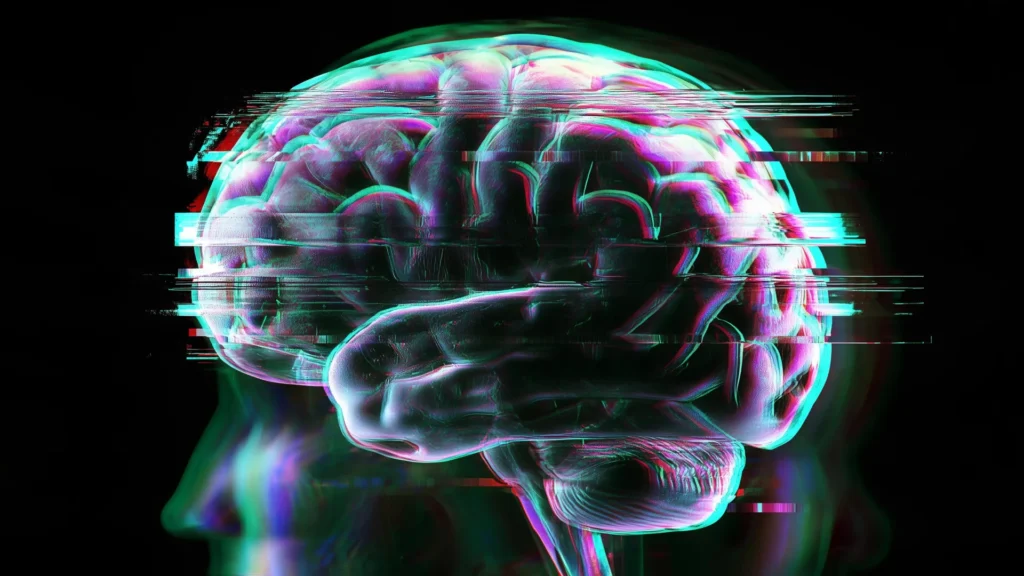
For millions of individuals worldwide, the lingering shadow of COVID-19—commonly referred to as long COVID—has remained an enigmatic and debilitating medical mystery. While the acute phase of the viral infection is well-documented, the subsequent months and years of cognitive fog, profound lethargy, and physical slowing have frustrated both patients and clinicians. Now, a pioneering study led by researchers at the Centre for Addiction and Mental Health (CAMH) has provided the most robust evidence to date that these persistent symptoms are rooted in tangible biological damage: the degradation of dopamine-releasing neurons within the brain.
Published in the journal eBioMedicine, the study utilizes advanced neuroimaging to bridge the gap between subjective patient reports and objective physiological reality. By mapping the dopamine system—a critical network responsible for motivation, motor control, and cognitive processing—researchers have identified a clear correlation between neurological markers and the specific deficits reported by long COVID patients.
The Scope of the Crisis
Long COVID is estimated to affect approximately five percent of the global population, representing a massive public health challenge that has strained healthcare systems and labor markets alike. In Canada alone, roughly two million people are grappling with the condition, which is defined by a constellation of symptoms persisting for at least three months following an initial SARS-CoV-2 infection.
The clinical profile of long COVID is notoriously heterogeneous. Patients often report “brain fog,” severe memory impairment, an inability to initiate or sustain goal-directed behavior (lack of motivation), and “motor slowing,” where the physical pace of movement is noticeably inhibited. Despite the prevalence of these symptoms, the absence of standardized diagnostic biomarkers has historically led to clinical skepticism, with many patients struggling to secure formal medical validation. The CAMH study offers a turning point, providing a biological substrate for what has previously been categorized by some as purely functional or psychological impairment.
Methodology and Neuroimaging Findings
The research team, led by Dr. Jeffrey Meyer, Senior Scientist at the Brain Health Imaging Centre and Canada Research Chair, employed positron emission tomography (PET) to visualize the internal biological environment of the living human brain. PET scans are highly sensitive tools capable of measuring neurotransmitter activity and the integrity of synaptic connections.
In this study, participants with long COVID underwent scans to measure a specific biomarker indicative of the density and health of dopamine nerve terminals. The results were stark: when compared to healthy control subjects, the long COVID cohort exhibited significantly lower levels of this marker across all major regions of the striatum.
The striatum acts as the brain’s executive hub, coordinating the signals that allow humans to move, think, and feel motivated. The research team identified distinct, symptom-specific patterns of marker loss:
- The Ventral Striatum: Reductions here correlated directly with the patient’s reported loss of motivation and emotional apathy.
- The Dorsal Putamen: Lower marker levels in this region were associated with a measurable slowing of motor functions.
- The Caudate Putamen: Depletion in this area was linked to the cognitive deficits and memory difficulties that frequently characterize the long COVID experience.
“Our findings provide compelling evidence that long COVID involves the loss of dopamine-releasing neurons,” Dr. Meyer stated. “This kind of injury is well known to produce symptoms like lack of motivation and motor slowing, and may contribute to memory difficulties in other neurological conditions. Our results suggest a similar process is occurring in long COVID.”
A Chronology of Discovery: From Inflammation to Neuron Loss
This current study does not exist in a vacuum; it is the culmination of years of investigative effort. The timeline of this research reveals a methodical approach to decoding the neurological impact of the virus.
In earlier phases of their research, the CAMH team established that long COVID is characterized by chronic neuroinflammation. By observing the brain’s immune activity, researchers discovered that inflammation was not randomly distributed but appeared concentrated in areas dense with dopamine-releasing neurons.
The latest findings effectively complete the puzzle: if inflammation is the “fire,” the new data confirms that it has caused “structural damage” to the dopamine system. The correlation between the previously observed high levels of inflammation and the current evidence of reduced dopamine terminal density suggests a causal pathway: systemic immune dysregulation leads to chronic brain inflammation, which in turn causes the progressive degeneration of critical dopamine-producing pathways.
The Path Toward Clinical Intervention
The implications of this study are profound, particularly regarding the potential for pharmacological intervention. Historically, long COVID treatment trials have focused primarily on immunomodulators or anti-inflammatory drugs. While these remain relevant, the new findings suggest that the clinical community must broaden its scope to include the neurochemical stabilization of the dopamine system.
Dr. Meyer suggests that repurposing existing medications—such as dopamine precursors or inhibitors of dopamine metabolism—could be a transformative strategy. Because these drugs are already in use for conditions like Parkinson’s disease and other movement disorders, the pathway to clinical trials is significantly shorter than it would be for novel, experimental compounds.
A new clinical trial, conducted in collaboration with the University Health Network (UHN), is slated to begin in the coming months. This trial will specifically target dopamine function to observe whether modulating this system can alleviate the debilitating fatigue and cognitive impairment that have sidelined millions. This partnership reflects a growing trend in modern medicine: breaking down the silos between mental health, neurology, and physical medicine.
Validation for the Patient Community
For the two million Canadians and countless others globally living with the condition, the study offers more than just scientific data; it provides profound emotional validation. Susan Deuville, a lived experience research advisor who worked alongside the team, expressed the significance of the findings for the patient community.
“For five years I have been seeking answers on what happened to me after I contracted COVID in 2021,” Deuville noted. “It was a crushing loss of the life I had and the person I was before. The research of Dr. Meyer brings hope. It also validates what long COVID sufferers have always known—long COVID is real and the effects are devastating.”
The recognition of a biological cause for these symptoms may reduce the diagnostic delay that many patients face. By shifting the conversation from “medically unexplained symptoms” to “dopaminergic pathway injury,” clinicians can now approach long COVID with a clearer diagnostic framework.
Broader Implications and Future Outlook
As the world moves into the post-pandemic era, the long-term health consequences of COVID-19 remain a primary concern for global public health infrastructure. The discovery of dopamine system damage implies that the neurological burden of the virus may be long-lasting and require specialized, longitudinal care.
Furthermore, this study invites a deeper exploration into the "post-viral" syndrome landscape. If COVID-19 can trigger this specific type of dopamine neuron degradation, researchers are now beginning to ask whether other viruses or severe systemic infections might share similar mechanisms. This could have implications for how we treat post-viral fatigue syndromes, such as myalgic encephalomyelitis (ME/CFS).
The study, supported by the Canadian Institutes of Health Research (CIHR), serves as a reminder of the critical importance of government-funded, independent research. By bridging the gap between basic neuroscience and clinical application, the CAMH team has moved the field from merely observing the wreckage of long COVID to actively identifying the mechanism that can be targeted for repair.
As the upcoming clinical trials commence, the scientific and patient communities will be watching closely. If the hypothesis holds—that augmenting dopamine function can restore cognitive and motor health—the medical community may finally have the tools to return a sense of normalcy to the lives of those impacted by this enduring health crisis. The era of dismissing long COVID symptoms as psychological is ending, replaced by an evidence-based understanding that finally brings the neurological reality of the condition into the light.







