




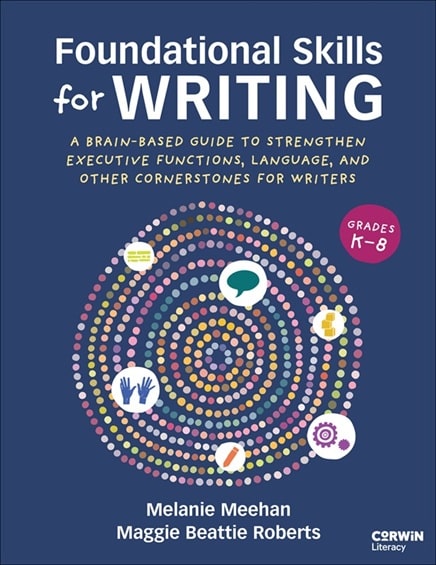
Literacy education has remained a focal point of academic policy for decades, yet the discourse has been heavily skewed toward the mechanics of reading. While national debates frequently center on phonics, fluency, and comprehension, the pedagogical community has largely neglected the reciprocal process of writing. This persistent omission is now being challenged by educators Melanie Meehan and Maggie Roberts in their newly released book, Foundational Skills for Writing: A Brain-Based Guide to Strengthen Executive Functions, Language, and Other Cornerstones for Writers. The publication serves as a critical examination of the cognitive architecture required for composition, arguing that without a foundational understanding of executive functions, students will continue to struggle with the complexities of formal writing.

The publication arrives at a pivotal moment in American education. According to the National Assessment of Educational Progress (NAEP), commonly referred to as the Nation’s Report Card, student proficiency in writing has seen concerning stagnation. Recent data indicates that fewer than 30% of eighth and twelfth-grade students perform at or above the "proficient" level in writing assessments. Educators and curriculum developers have long searched for a bridge between reading instruction and writing development, yet traditional curricula often treat writing as an afterthought or an extension of literature study rather than a distinct, skill-based discipline.
Meehan, a veteran curriculum coordinator, and Roberts, a literacy consultant with nearly twenty years of experience in middle school classrooms, argue that the current gap in performance is largely due to a lack of focus on the biological and cognitive precursors to writing. Their research suggests that writing is not merely an act of creativity; it is a complex synthesis of transcription skills, oral language mastery, and executive function.
The Cognitive Architecture of Composition
At the core of the authors’ thesis is the distinction between the "transcription" phase of writing—the mechanical acts of handwriting, keyboarding, and spelling—and the "compositional" phase, which requires higher-order thinking. When a student lacks automaticity in basic transcription, their cognitive load is overwhelmed, leaving little mental bandwidth for the actual work of crafting an argument or narrative.
The book categorizes these essential foundational skills into three distinct pillars:

- Transcription Skills: These include the physiological and technical tasks of translating thought into text. This pillar encompasses motor development—both fine and gross—as well as the orthographic knowledge required for accurate spelling and efficient keyboarding.
- Oral Language Proficiency: This is the bedrock upon which written language is built. The authors posit that students who struggle with sentence construction in their speech are statistically more likely to struggle with formal written syntax.
- Executive Functioning: This includes the development of working memory, cognitive flexibility, and inhibitory control. Without these, a student cannot hold multiple thoughts in their mind while simultaneously applying grammatical rules and structural constraints.
A Chronology of Current Pedagogical Shifts
The release of this guide follows a broader trend in education toward "Science of Reading" (SoR) initiatives. Over the past five years, states across the U.S. have moved toward legislation requiring evidence-based reading instruction. However, as the authors note, the "Science of Writing" has yet to receive the same legislative or structural attention.
In early 2026, the movement to align writing instruction with neurological research gained momentum, with experts advocating for "Minute Moves"—short, high-impact activities that can be integrated into existing lesson plans without disrupting the core curriculum. This methodology is designed to reduce the cognitive burden on students by turning repetitive, foundational tasks into routine habits.

Practical Implementation: The Minute Moves Framework
The authors introduce several evidence-based strategies that prioritize "automaticity," the point at which a skill becomes second nature.
Spelling and Etymological Curiosity
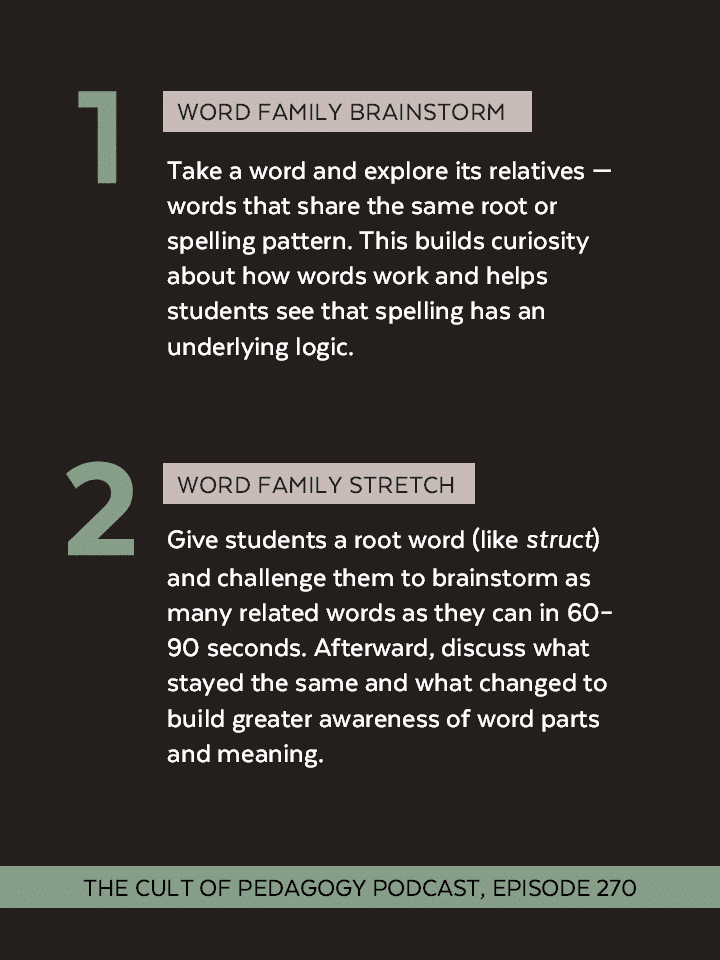
Rather than relying on rote memorization, the authors advocate for morphological analysis. By examining word families and roots, students gain a deeper understanding of English orthography. For instance, analyzing the relationship between "decision," "incision," and "scissors" helps students understand the Latin roots that govern spelling patterns, moving beyond the superficiality of list-based spelling tests.
Syntactic Sophistication
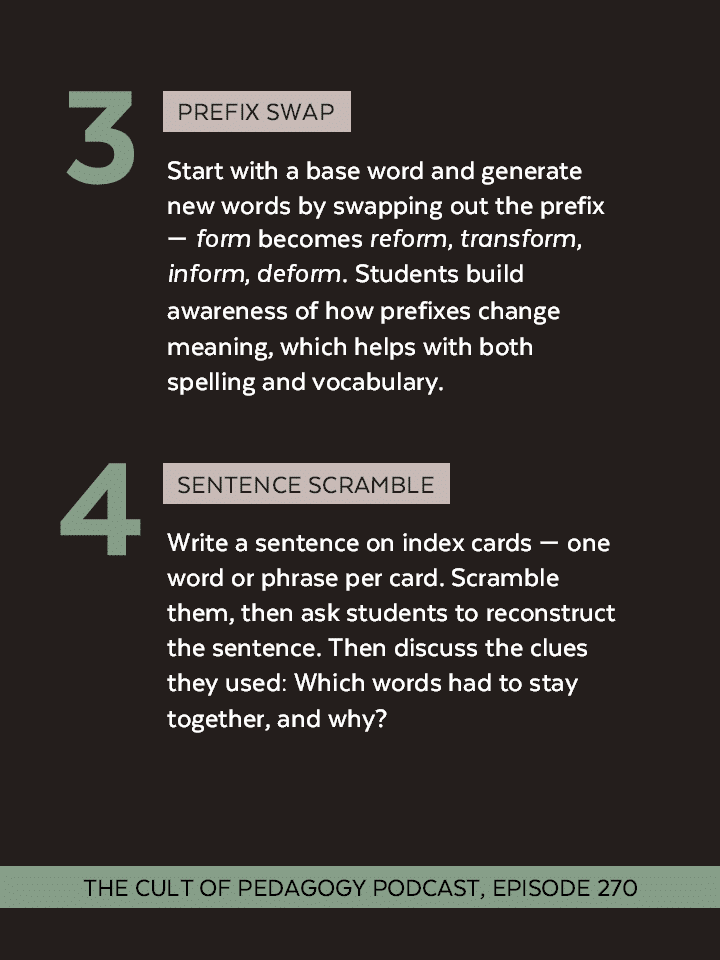
To address the common issue of "choppy" prose, the authors emphasize sentence construction through manipulation. Using "Sentence Scrambles" and "Sentence Combining" exercises, teachers can guide students to understand how conjunctions and subordination alter the meaning and flow of text. This approach aligns with findings in applied linguistics which suggest that syntactic maturity is a primary indicator of writing quality in adolescent learners.
Cognitive Flexibility
Executive functioning, specifically cognitive flexibility, is essential for revision. The "What’s Another Way?" strategy encourages students to view their own writing as a malleable object. By rewriting sentences to shift perspective or alter the tone, students practice the metacognitive skills required to view a text from a reader’s point of view. This, the authors argue, is the essence of professional writing.
Broader Implications for Classroom Instruction
The implications of the Meehan and Roberts model are significant for district-level administrators and policy makers. If the goal is to improve national writing scores, the strategy cannot be to simply assign more essays. Instead, it must involve targeted, brief, and consistent interventions that build the neural pathways necessary for high-level output.
Educational analysts have noted that the "Minute Moves" approach is particularly advantageous for inclusive classrooms. By breaking down writing into manageable, non-threatening segments, teachers can better support students with language-based learning disabilities or those who are English Language Learners (ELL). The focus on "doer" and "doing" (subjects and predicates) serves as a concrete anchor for students who may be intimidated by abstract grammatical terminology.
A Future-Focused Perspective on Literacy
The work of Meehan and Roberts highlights a critical intersection between psychology and pedagogy. As the digital age continues to change the way information is consumed and produced, the demand for clear, effective writing remains a constant. The authors maintain that the ability to write is not an innate gift but a skill set that must be systematically taught through the lens of brain development.
By providing a framework that is both research-backed and immediately applicable, the authors offer a roadmap for educators to address the "writing crisis" head-on. The success of this approach will likely depend on the willingness of districts to prioritize foundational writing skills with the same rigor currently applied to early reading initiatives. In the coming academic cycles, the adoption of these cognitive-based strategies could prove instrumental in closing the achievement gap and equipping a new generation of students with the necessary tools to articulate their ideas with precision and confidence.