


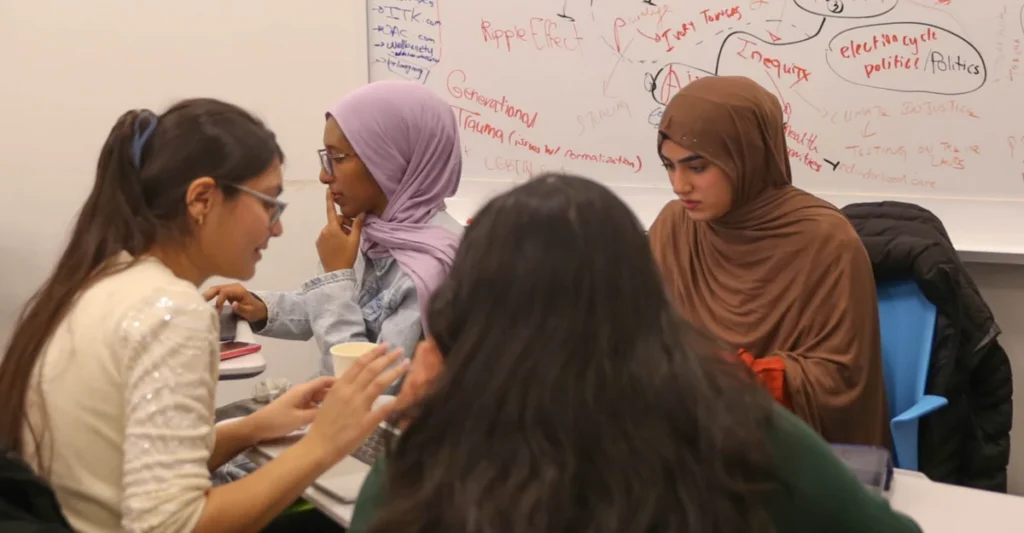
For thousands of young people across Canada, the pursuit of a post-secondary degree—once considered the reliable ladder to the middle class—has become an exercise in extreme survival. Maria, whose name has been changed to protect her identity, completed her studies at Nova Scotia Community College in 2024, but the achievement came at a staggering personal cost. Throughout 2023, she navigated a cycle of housing instability, moving four times in a single year to find affordable shelter. After escaping a landlord who made sexual advances and navigating a violent living situation, Maria spent months living in her car, arriving at campus early to study and staying until the building closed to delay returning to her vehicle. Her experience, spanning her teenage years from 17 to 21, is not an anomaly, but a stark illustration of a systemic failure within the Canadian higher education landscape.
A Nationwide Prevalence of Housing Instability
The phenomenon of student homelessness has moved from the periphery of campus life to a systemic crisis. According to a 2025 study conducted by the Post-Secondary Student Homeless/Housing Research Network (PSSHRN), the scale of the issue is significant: approximately one in four students in Canada experiences some form of housing instability during their academic career. The study, which represents one of the most comprehensive analyses to date, identifies that 3.5 per cent of the total student population—nearly 70,000 individuals—are currently experiencing homelessness.
The research, led by principal investigator Dr. Eric Weissman, examined six diverse institutions, including the University of Alberta, Red Deer Polytechnic, Nova Scotia Community College, the University of New Brunswick, Lakehead University, and the University of British Columbia. The findings reveal a disturbing reality where academic success is being sacrificed for the most basic human need: shelter. Dr. Weissman, who previously experienced homelessness himself, noted that the primary driver for this instability is the sudden loss of income or existing housing, which affects 36 per cent of those surveyed. Other significant catalysts include domestic conflict (27 per cent) and hazardous or unsanitary living conditions (14 per cent).
Chronology of a Housing Collapse
The current state of student housing is the result of decades of policy shifts and market pressures. Historically, the Canada Mortgage and Housing Corporation (CMHC) played a central role in supporting the construction of university residences. However, a pivot in the 1970s and 1980s saw a gradual withdrawal of federal support for social and student-specific housing.
By the early 2010s, the "studentification" of urban centres began to accelerate. As universities expanded their international student intake to offset stagnating provincial funding, the demand for off-campus housing surged. This created a bifurcated market: luxury, purpose-built student residences emerged, often charging rents that exceed the total monthly income of a student working a minimum-wage job. By 2022, the situation reached a critical point when institutions, including Université Laval, began finding evidence of students sleeping in campus offices and common areas. This led to the formation of institutional advisory committees and a surge in research-action projects aimed at quantifying the depth of the "hidden" homeless population.
The Myth of the Starving Student
A primary barrier to addressing this crisis is the enduring cultural trope of the "starving student." Academics like Annie Fontaine of Université Laval argue that this romanticized narrative has become a dangerous mask for genuine deprivation. The societal expectation that students should endure hunger, sleep deprivation, and financial ruin as a "rite of passage" discourages many from seeking help.
This stigma creates a psychological barrier. Students who are living in their cars or couch-surfing often feel compelled to maintain a facade of normalcy to avoid being labeled as failures. Dr. Jayne Malenfant, a researcher at McGill University, notes that this phenomenon is particularly acute among international students. Often lacking a local support network or family to co-sign leases, these students view their precarity as a normal, albeit difficult, part of the international education experience. Consequently, they suffer in silence, leading to what sociologists term "ontological insecurity"—a profound loss of identity and personal stability that severely degrades mental health and academic performance.
Data and Demographics of Precarity
The PSSHRN study highlights that homelessness is not experienced uniformly. The data shows that 40 per cent of students suffering from housing issues fall under the category of "hidden homelessness," which includes those staying in temporary, insecure, or non-traditional arrangements. Another 30 per cent are categorized as "provisionally accommodated," meaning they are at high risk of losing their housing at any moment.
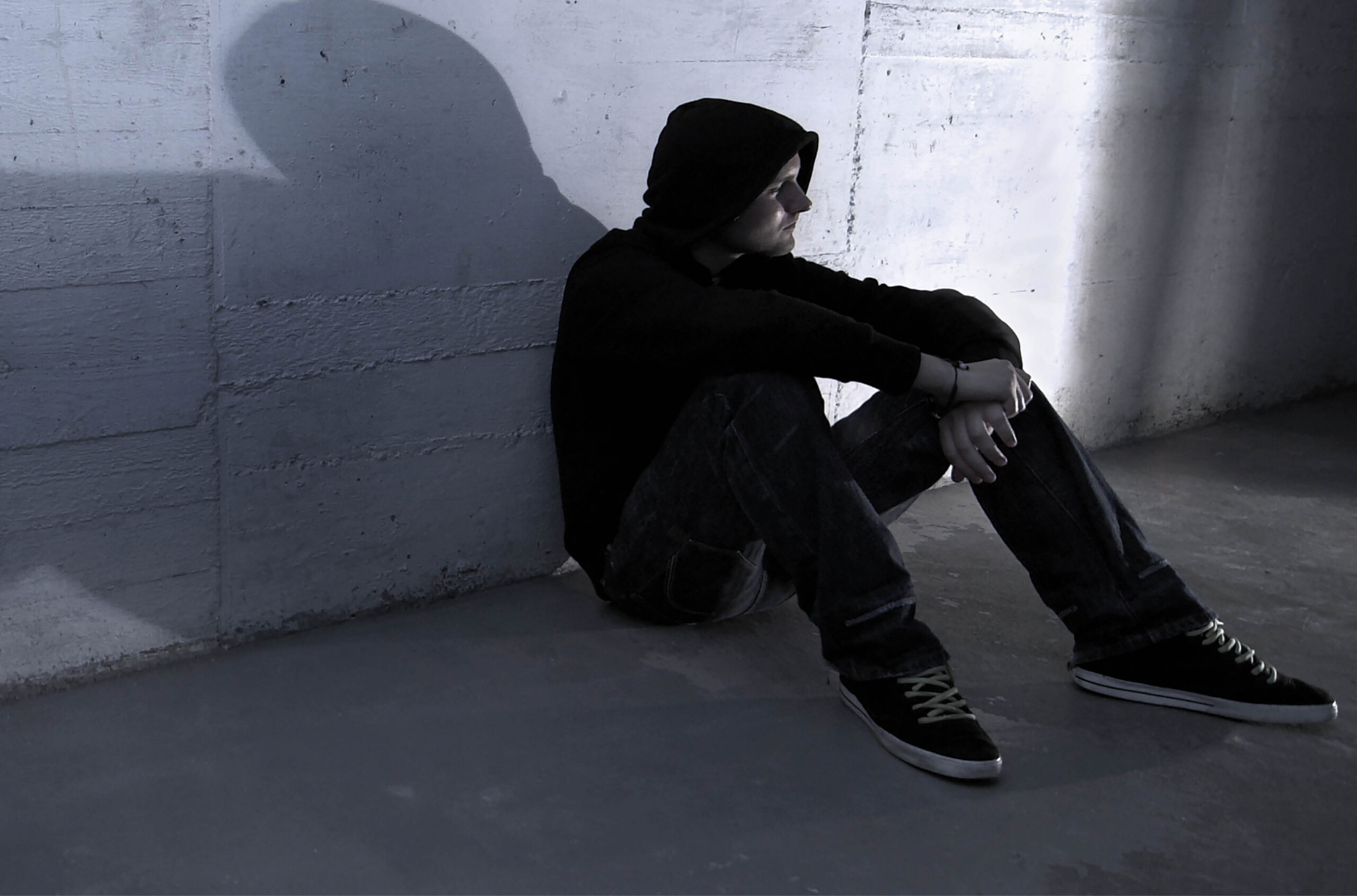
The demographic breakdown is equally concerning. The research indicates that women, racialized groups, and 2SLGBTQ+ students between the ages of 19 and 30 are disproportionately represented in these statistics. The academic fallout is severe: approximately 70 per cent of students who encounter sustained housing precarity ultimately withdraw from their programs, effectively ending their pursuit of higher education and perpetuating the cycle of poverty.
Institutional and Community Responses
In response to the crisis, several Canadian universities have begun implementing grassroots and interdisciplinary solutions. York University’s "Complex Communities" program, launched in 2025, represents a paradigm shift in how campuses manage housing insecurity. By prioritizing safety over policing, the program provides support to students, alumni, and staff without resorting to law enforcement.
In Ottawa, the "Discovery University" program, a partnership between the Ottawa Mission and local universities, provides free courses to those experiencing homelessness, aiming to reconnect marginalized individuals with educational pathways. Meanwhile, the University of New Brunswick has partnered with platforms like SpacesShared to facilitate cohabitation arrangements between students and local hosts, leveraging existing housing stock to provide stable environments.
At the University of Ottawa, an "Innovation Sprint" initiative recently engaged students in the design of solutions to address homelessness. This effort led to the creation of NextRoom, a mutual aid platform designed to help students navigate the private rental market. However, student leaders like Aidan Fitzmaurice, who helped develop the platform, argue that these initiatives are stopgaps. Fitzmaurice notes that the financialization of student housing—where corporate landlords prioritize luxury amenities over affordability—is the core issue. He points out that while some luxury units now command $1,500 monthly, many student scholarships do not even cover the cost of basic subsistence.
The Federal-Provincial Policy Void
Despite the severity of the situation, a clear jurisdictional divide continues to hinder progress. Housing, Infrastructure and Communities Canada (HICC) maintains that while it plays a role in homelessness prevention through programs like "Reaching Home," the primary responsibility for post-secondary education lies with the provinces. Conversely, provinces often argue that housing is a federal mandate tied to the CMHC.
This "passing the buck" has resulted in a lack of targeted federal strategies for the student population. While the federal government recently eliminated GST on new student residence construction and pledged $273 million toward housing units, experts remain skeptical. Dr. Nick Revington of the Institut national de la recherche scientifique argues that these policies often rely on market-based loans that force universities to act as developers. "The money to construct this affordable housing isn’t free," Dr. Revington notes, suggesting that without direct, non-repayable subsidies, the cost will inevitably be passed back to students in the form of higher rent.
Implications for the Future of Higher Education
The crisis of student homelessness is an existential threat to the integrity of Canada’s post-secondary system. As Dr. Weissman aptly summarized, if institutions can no longer provide an environment where students can afford basic housing, their purpose as engines of social mobility is compromised.
The implications are far-reaching. Beyond the immediate trauma experienced by students like Maria, the erosion of academic accessibility threatens to widen the socioeconomic divide, limiting higher education to those who can afford the increasing premiums of urban living. Addressing the crisis will require more than fragmented institutional programs; it necessitates a cohesive, interdisciplinary approach that treats student housing as a critical piece of national infrastructure rather than a luxury commodity. Until policymakers bridge the gap between educational funding and the realities of the housing market, the "starving student" will remain a tragic fixture of the Canadian university experience.