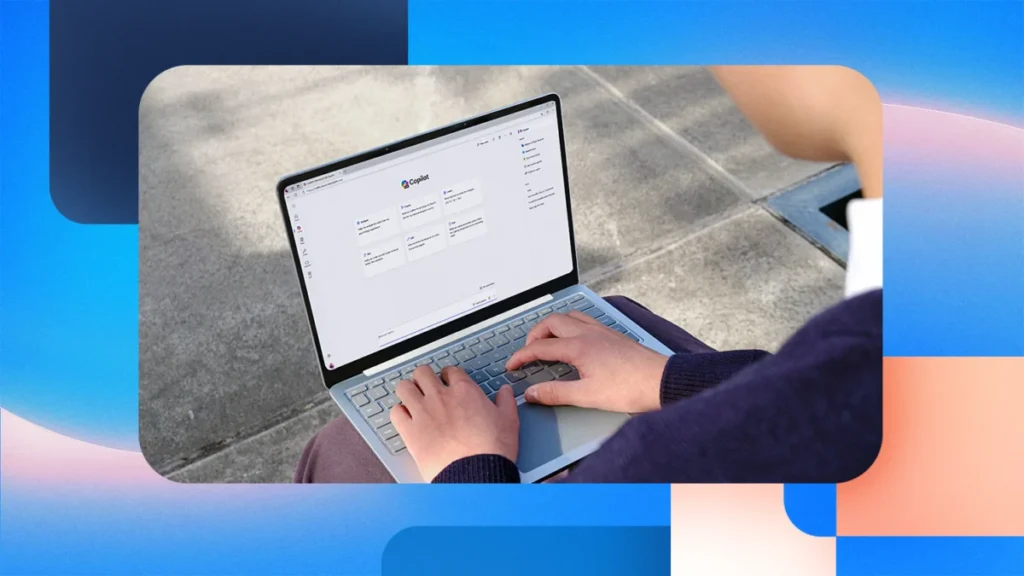


The landscape of modern education has been fundamentally altered by the rapid proliferation of generative artificial intelligence, presenting academic institutions worldwide with a complex dilemma. While students increasingly turn to digital tools to assist with coursework, research, and exam preparation, educators and administrators have frequently found themselves at odds with technologies designed primarily for speed and convenience rather than academic rigor. Standard artificial intelligence applications often function as simple "answer bots," bypassing the cognitive heavy lifting essential for genuine skill acquisition and critical thinking. Consequently, many school districts and universities have responded by restricting or entirely blocking student access to emerging technologies. To bridge this widening gap between student adoption and institutional hesitation, Microsoft Corporation has officially launched the Study and Learn Agent, an innovative, purpose-built educational tool integrated directly into Microsoft 365 Copilot at no additional cost for eligible education customers.
Designed specifically for students aged 13 and older, the Study and Learn Agent seeks to redefine the role of artificial intelligence in the classroom. Rather than providing direct solutions to complex math problems or drafting essays from scratch, the newly deployed agent operates on a foundational educational premise: the learner must do the thinking. By utilizing guided conversations, step-by-step coaching, and interactive exercises, the tool adapts to individual student needs while actively reinforcing core pedagogical principles. This development arrives at a critical juncture for educational technology, addressing long-standing institutional demands for accountability, safety, and learning-first design in artificial intelligence deployment.
Background Context and the Evolution of Educational Technology
The introduction of the Study and Learn Agent represents the latest chapter in a multi-year struggle by academic institutions to adapt to generative artificial intelligence. Following the public explosion of large language models in late 2022, schools experienced an immediate wave of unauthorized student usage. Initial institutional reactions were characterized largely by apprehension. Major school systems across the globe implemented sweeping bans on platforms like ChatGPT, citing concerns over academic dishonesty, plagiarism, and the erosion of foundational writing and analytical skills.
However, enforcement proved increasingly difficult. Students routinely bypassed network restrictions using personal devices and home internet connections, creating an underground digital study culture largely devoid of institutional oversight or pedagogical framing. Educational researchers and technology developers soon recognized that prohibition was an unsustainable long-term strategy. Instead, the focus shifted toward developing purpose-built artificial intelligence environments that could align with established learning science.
Microsoft’s entry into this space builds upon years of incremental integration within the Microsoft 365 Education ecosystem. Over the past decade, the tech giant has steadily expanded its footprint in classrooms through tools like Teams for Education, OneNote, and Minecraft Education. The subsequent rollout of Microsoft 365 Copilot established an enterprise-grade artificial intelligence foundation for schools, but initial chat interfaces lacked the specific pedagogical guardrails required for K-12 and higher education settings. The Study and Learn Agent directly addresses this limitation by moving beyond generic conversational capabilities and embedding structured, cognitive coaching directly into the user interface.

Chronology and Deployment Details
The rollout of the Study and Learn Agent is structured to provide institutional control while facilitating rapid adoption for authorized users. The tool is generally available globally within the Microsoft 365 Copilot application on both web and desktop platforms for all academic institutions possessing qualifying Microsoft 365 Education licenses.
For K-12 accounts, deployment incorporates strict default safety protocols. Copilot Chat is disabled by default for student users, requiring explicit activation by a designated IT administrator via the tenant management console. Once administrative permission is granted, eligible students gain immediate access to the Study and Learn Agent directly within the existing Copilot application interface, eliminating the need for separate software downloads, external account creations, or additional login credentials. Students authenticate using their standard Microsoft Entra ID school credentials.
At launch, the Study and Learn Agent is fully optimized and available in English for users in the United States. According to product roadmap disclosures from Microsoft, localization and language expansion will roll out progressively over the coming weeks, bringing localized support and optimized coaching models to international education markets. IT administrators have been provided with comprehensive configuration video walkthroughs and administrative documentation to facilitate smooth deployment schedules ahead of upcoming academic terms.
Grounded in Learning Science and Active Engagement
What distinguishes the Study and Learn Agent from conventional consumer-grade artificial intelligence applications is its structural foundation in cognitive science. Educational theorists have long emphasized that passive reception of information yields poor long-term retention compared to active retrieval and constructive engagement. Microsoft designed the agent’s interaction models around established educational research regarding how human memory consolidation and conceptual mastery occur.
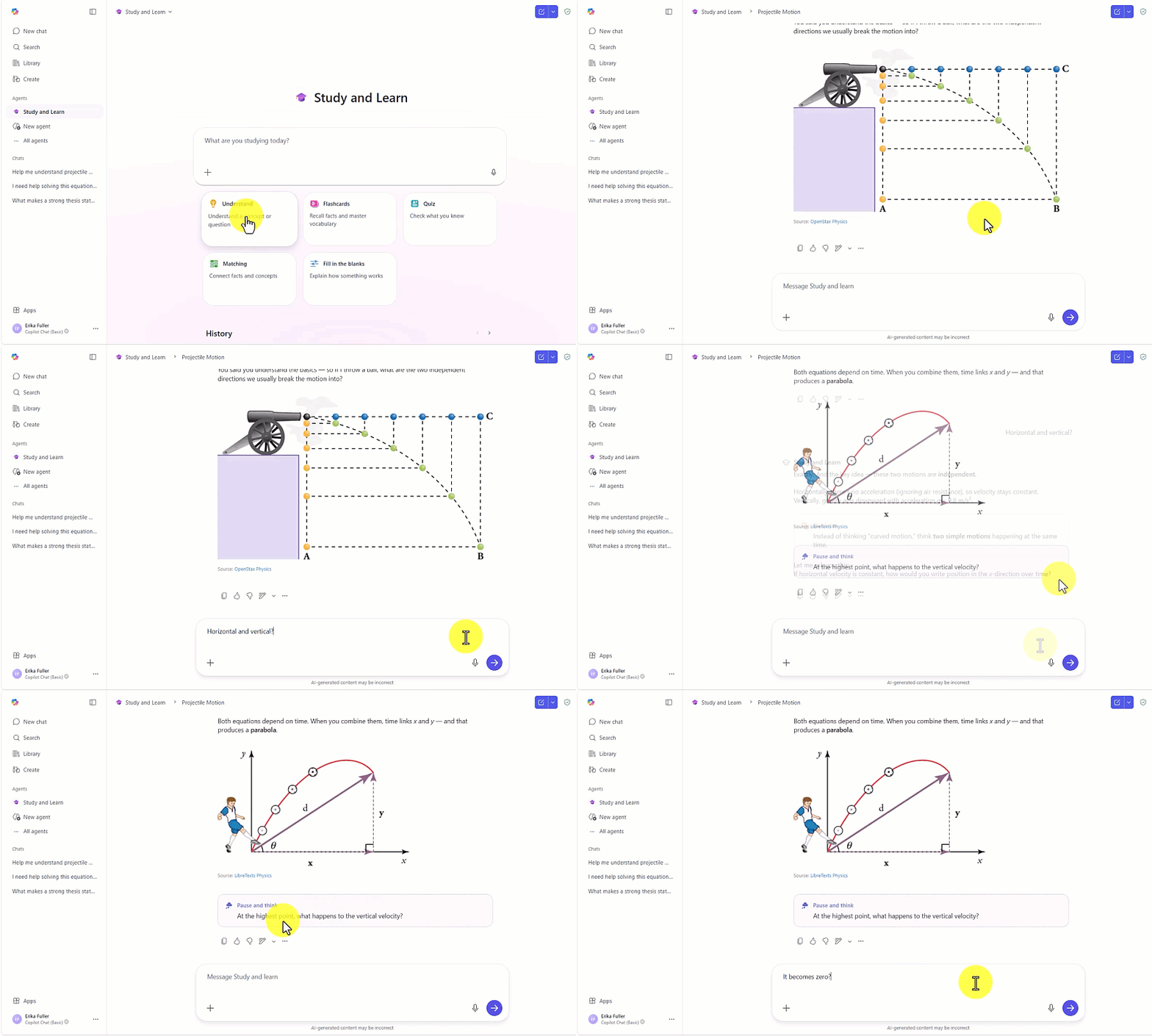
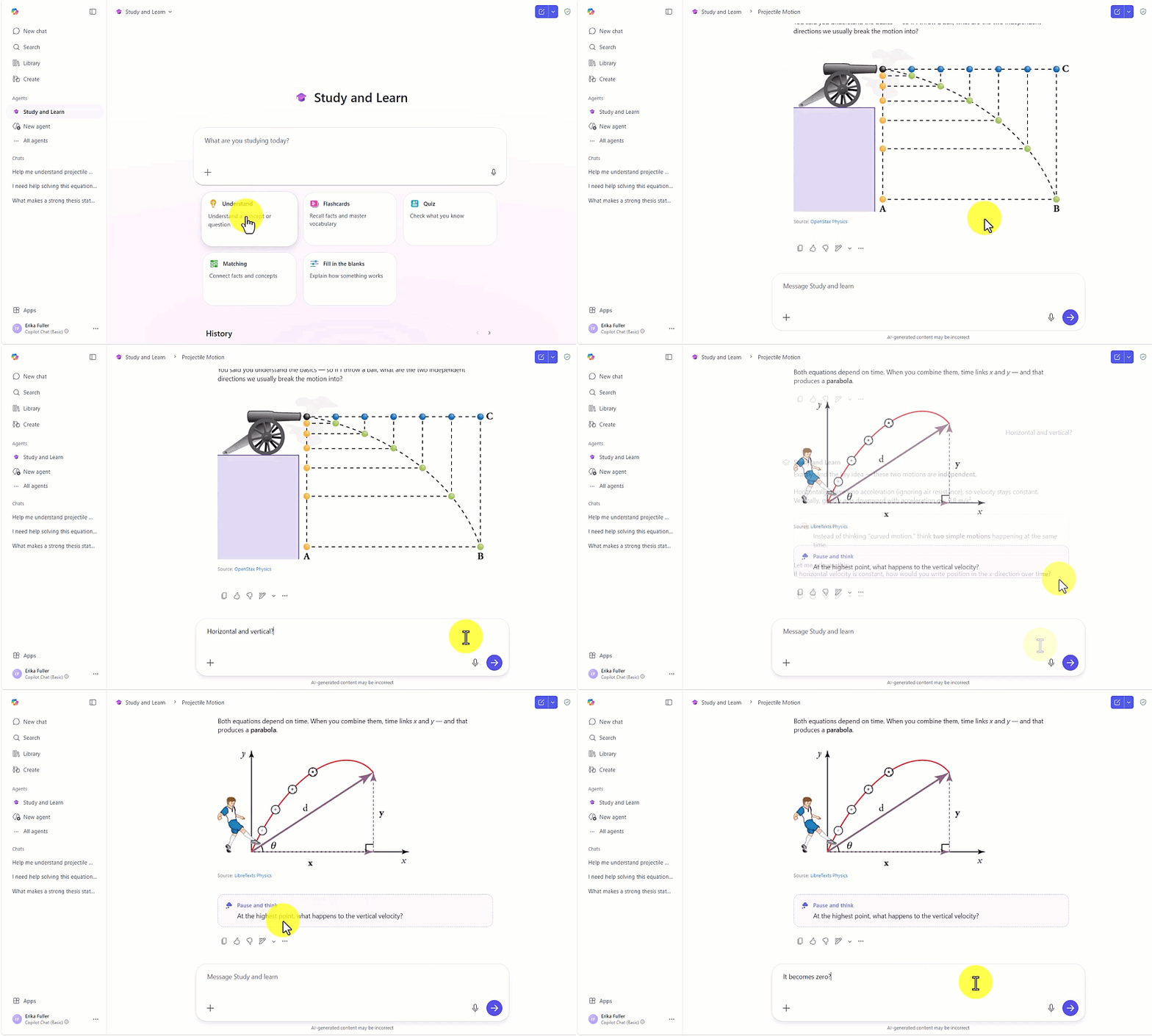
Instead of generating immediate text outputs for essays or homework assignments, the agent employs a methodology centered on Socratic questioning and scaffolding. For example, when a student studying biology requests assistance with cellular division, the tool can instantly generate customized flashcard sets or interactive matching practice activities. If a high school student struggles with a multi-step calculus equation, the agent walks through the logic incrementally, prompting the student to solve each intermediate phase rather than presenting the final numeric solution. Similarly, when a student inputs a history thesis statement, the application responds with probing counter-arguments and analytical questions designed to refine the student’s own argumentative structure.
This active learning paradigm shifts the user experience away from dependency on external answers. By encouraging students to formulate hypotheses, self-correct errors, and test their comprehension through iterative exercises, the software fosters independent cognitive development. The system functions less like an automated ghostwriter and more like a patient, personalized digital tutor available on demand.

Institutional Trust, Privacy, and Administrative Controls
A primary barrier to artificial intelligence integration in schools has been the profound concern surrounding data privacy, compliance, and responsible usage. School leaders and business decision-makers operate under strict regulatory frameworks, including the Family Educational Rights and Privacy Act (FERPA) in the United States and similar global data protection standards, which mandate rigorous protection of minor student data.
The Study and Learn Agent is engineered to meet these stringent enterprise and educational requirements. Operating entirely within the secured Microsoft 365 Education environment, the tool inherits the robust data governance, privacy protections, and security protocols established by the platform. User prompts and institutional data are not utilized to train foundational public models, ensuring compliance with academic confidentiality standards.
Furthermore, the administrative controls provide school districts with granular oversight. By keeping student-facing chat features disabled by default in K-12 environments, Microsoft ensures that local school boards and district technology officers retain absolute authority over when and how artificial intelligence is introduced to minors. This balance of enterprise-grade security and customizable administrative gates is intended to rebuild institutional trust, allowing educators to embrace digital transformation without compromising student safety or academic integrity.
Broader Ecosystem and Future Implications for Education
The release of the Study and Learn Agent does not occur in a vacuum; it forms a cornerstone of Microsoft’s broader strategic vision for an education-specific artificial intelligence ecosystem. Rather than offering a single, one-size-fits-all general assistant, the company has structured its educational artificial intelligence framework around the distinct roles within a school community.
Alongside the Study and Learn Agent, the broader Copilot for Education framework encompasses parallel tools designed specifically for educators, such as the Teach agent. Together, these complementary technologies create a synchronized digital environment where administrative overhead for teachers is reduced, lesson planning is streamlined, and student learning is individually scaffolded.
Industry analysts observing the educational technology sector note that this ecosystem approach marks a maturation of the ed-tech market. As schools move past the initial panic of early generative artificial intelligence tools, the demand for purpose-built, curriculum-aligned technology has intensified. By embedding pedagogical strategies directly into enterprise software, technology providers are shifting the competitive landscape from raw processing power to demonstrated educational efficacy.
Expert Analysis and Outlook
The long-term implications of tools like the Study and Learn Agent are substantial, though experts emphasize that technology alone cannot replace traditional classroom instruction. Educational researchers point out that the success of artificial intelligence coaching depends heavily on teacher implementation and classroom integration. When used effectively, a personalized digital coach can alleviate the burden on overcrowded classrooms, providing individual students with the targeted attention that human educators, facing severe resource constraints, cannot always deliver continuously.
However, challenges remain. Critics and educational advocates continuously stress the importance of digital equity, noting that schools must ensure all students have reliable access to the necessary hardware and network infrastructure to benefit from cloud-based educational tools. Additionally, ongoing professional development for teachers will be essential to ensure that educators understand how to monitor and guide student interaction with artificial intelligence agents effectively.
As academic institutions prepare for future semesters, the availability of the Study and Learn Agent provides a viable pathway forward. By addressing the core anxieties of school leaders—trust, privacy, and academic rigor—Microsoft has established a new benchmark for how technology corporations can responsibly serve the educational sector. The ultimate test of the initiative will lie in its classroom execution, but the architectural shift from passive automation to active cognitive partnership marks a significant milestone in the digital evolution of modern schooling.