



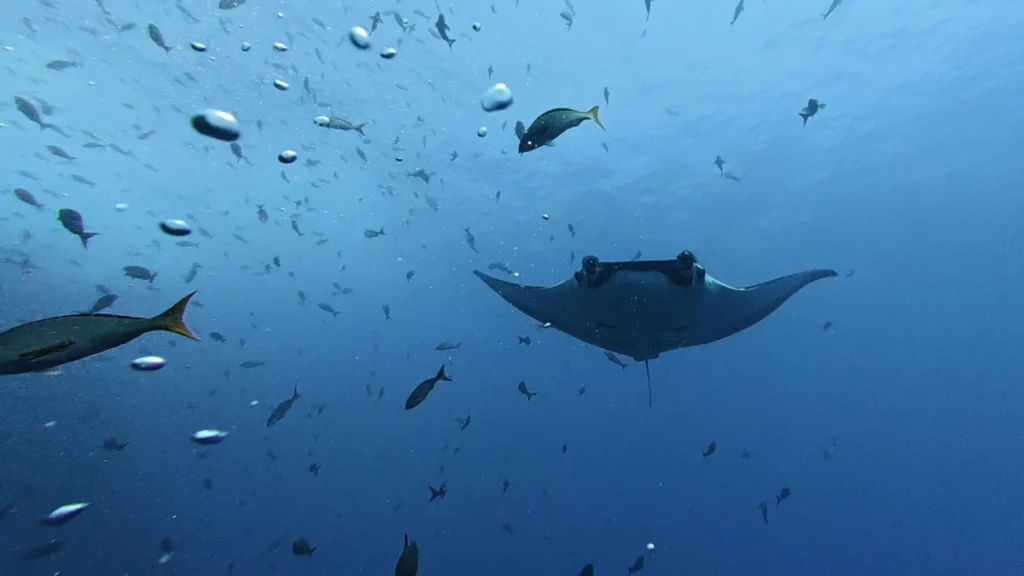
The life cycle of the giant manta ray (Mobula birostris) is a tale of dramatic ecological transitions, moving from the relative safety of shallow coastal nurseries to the vast, unpredictable hazards of the open ocean. Weighing up to 4,409 pounds and reaching lengths of up to 30 feet as adults, these magnificent cartilaginous fish face immense vulnerabilities during their early years. Because newborns and juveniles lack the massive proportions and deep-diving capabilities of mature adults, they must rely on targeted behavioral strategies to survive. A groundbreaking study published in the journal Frontiers in Fish Science provides the most comprehensive look yet at how these vulnerable pups navigate their formative years along the coast of Central America before embarking on extensive adult migrations.
Unraveling the Manta Life Cycle: A Multi-Year Tracking Effort
To understand the complex spatial ecology of giant manta rays, an international research team embarked on an ambitious monitoring campaign spanning seven years, from 2018 to 2025. Led by scientists including Jeffry Madrigal-Mesén, project leader of Mantas Costa Rica, the investigation utilized a tripartite methodology that combined acoustic telemetry, satellite telemetry, and meticulous photo-identification techniques.
Acoustic telemetry relies on underwater transmitters that emit sound pulses to monitor the local movements of tagged fish, allowing researchers to track 59 individual rays across five distinct coastal study sites. Meanwhile, satellite telemetry transmitters tracked long-distance movements and surface behaviors across 12 individuals. Supplemented by visual photo-identification—which maps the unique spot patterns on each ray’s belly—the team amassed a robust dataset comprising over 12,000 individual detections.
According to the researchers, relying on a single tracking method would have left critical gaps in understanding. The synthesis of acoustic, satellite, and visual data transformed fragmented observations into a cohesive narrative regarding how manta ray habitat use evolves alongside their physical maturation.
Coastal Refuges: The Sanctuary of the Pups
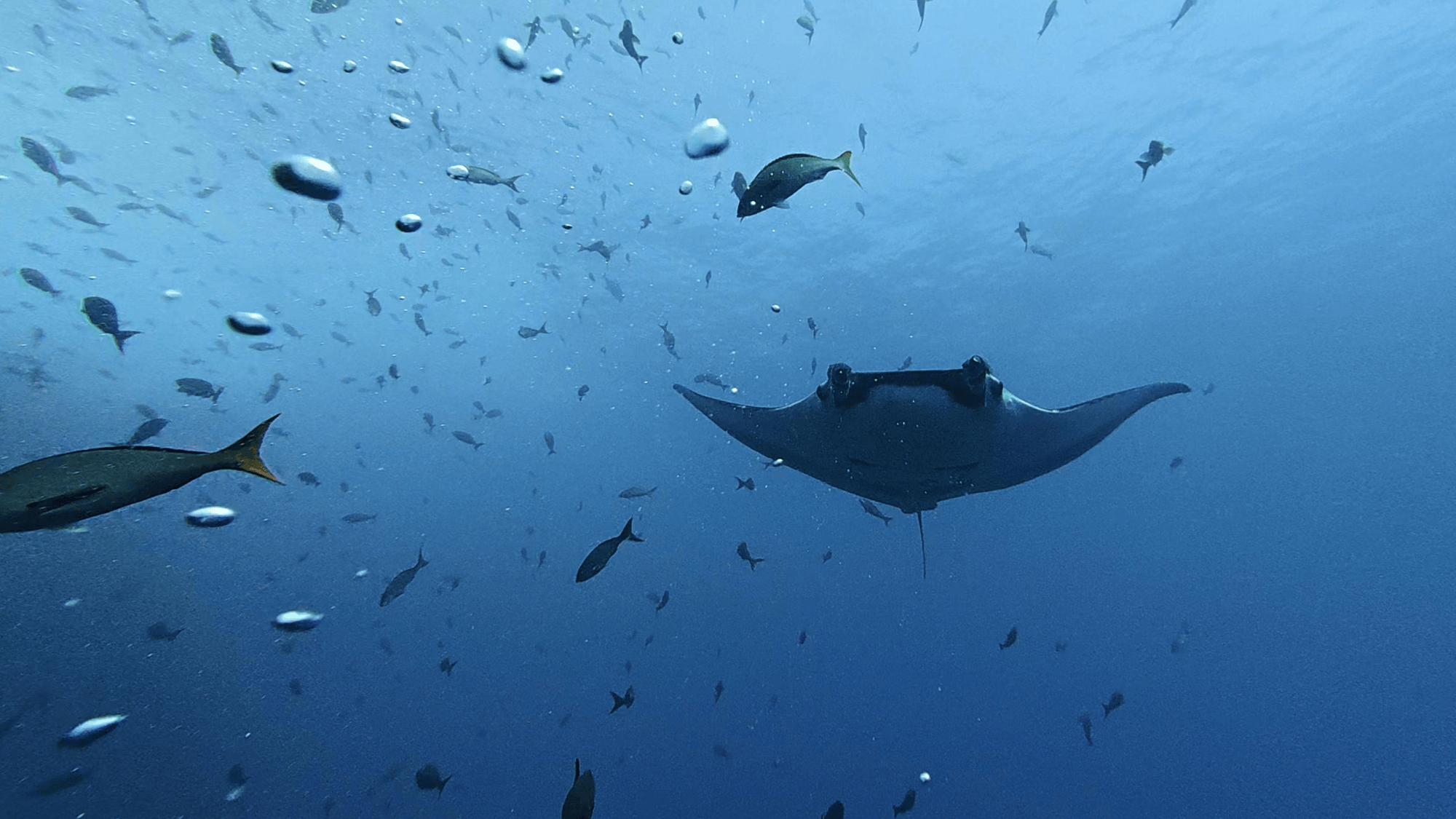
The data revealed a striking behavioral dichotomy between immature and adult giant manta rays. Young mantas—defined as individuals with a wingspan or body width of roughly 10 feet or less—exhibit strict fidelity to shallow, nearshore marine environments. Rather than venturing into the open pelagic zones where apex predators such as orca whales (Orcinus orca) and various large shark species patrol, juvenile mantas remain tethered to coastal waters that function as natural nurseries.
These shallow habitats offer multiple survival advantages. In addition to abundant food supplies of zooplankton, the nearshore environment provides natural barriers against pelagic predators whose size and hunting strategies are less effective in shallow, structured waters. Furthermore, juvenile mantas frequently utilize nearshore coral reefs for essential hygienic services, such as visiting cleaning stations where smaller reef fish remove parasites.
The researchers noted a remarkable degree of site loyalty among the younger cohort. Juveniles were routinely logged returning to the exact same tagging locations multiple times a year, sometimes reappearing at specific shallow-water stations season after season. For the scientific team, observing these familiar individuals has fostered a deep sense of connection, with researchers affectionately recognizing recurring pups as they grow.
The Pelagic Shift: Adult Migrations and Site Fidelity
As giant manta rays mature and achieve massive body sizes, their behavioral repertoire expands significantly. Unlike juveniles, mature adults possess the physical mass and physiological endurance to dive to extreme depths and traverse vast ocean expanses to evade threats.
The study tracked nine mature mantas that executed extensive, long-distance transboundary migrations along the continental shelf break throughout Central America. Interestingly, despite their capacity for open-ocean roaming, adult mantas continue to exhibit strong loyalty to specific coastal hubs before and after their migrations.
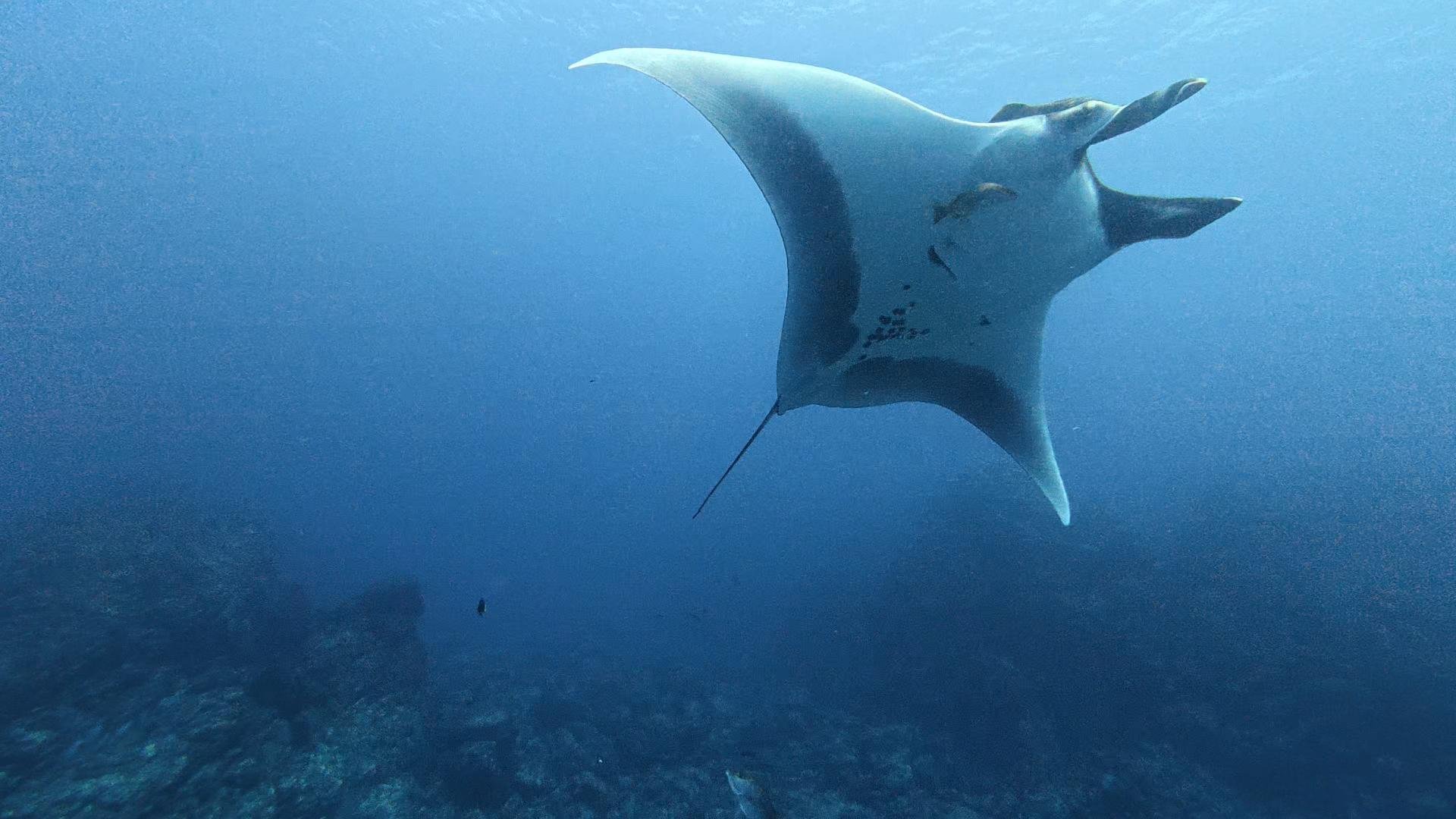
A prime example is an adult male manta nicknamed "Mickey Mouse," identified by distinctive pigmentation patterns on his ventral side. Exceptionally approachable, Mickey Mouse became a focal point of multi-year tagging efforts. In 2020, acoustic receivers logged 462 detections of the ray at a coastal hub known as El Secreto. Demonstrating remarkable navigational memory, Mickey Mouse returned to the same continental shelf edge in 2023, remaining in the area for a consecutive 38 days.
Researchers emphasize that these nearshore locations serve a dual purpose for mature adults. Beyond basic hygienic maintenance, these coastal stations operate as vital social hubs where courtship, mating, and reproductive interactions take place. By congregating at predictable coastal depots, mature rays can fulfill critical social and physiological requirements before undertaking energy-intensive regional migrations across international maritime boundaries.
Conservation Vulnerabilities and the Need for Swimways
The discovery of this ontogenetic shift—the change in habitat use from youth to adulthood—highlights significant gaps in current marine conservation frameworks. While coastal nursery grounds and nearshore cleaning stations frequently enjoy legal protections within established marine reserves, the open ocean remains largely unprotected.
Once adult giant manta rays leave the safety of territorial coastal waters to traverse open pelagic migration corridors, they encounter severe anthropogenic threats. These include accidental entanglement in industrial fisheries, direct bycatch, and collisions with commercial maritime vessels. Because giant manta rays are currently classified as endangered by the International Union for Conservation of Nature (IUCN), identifying these migratory pathways is critical for their long-term survival.
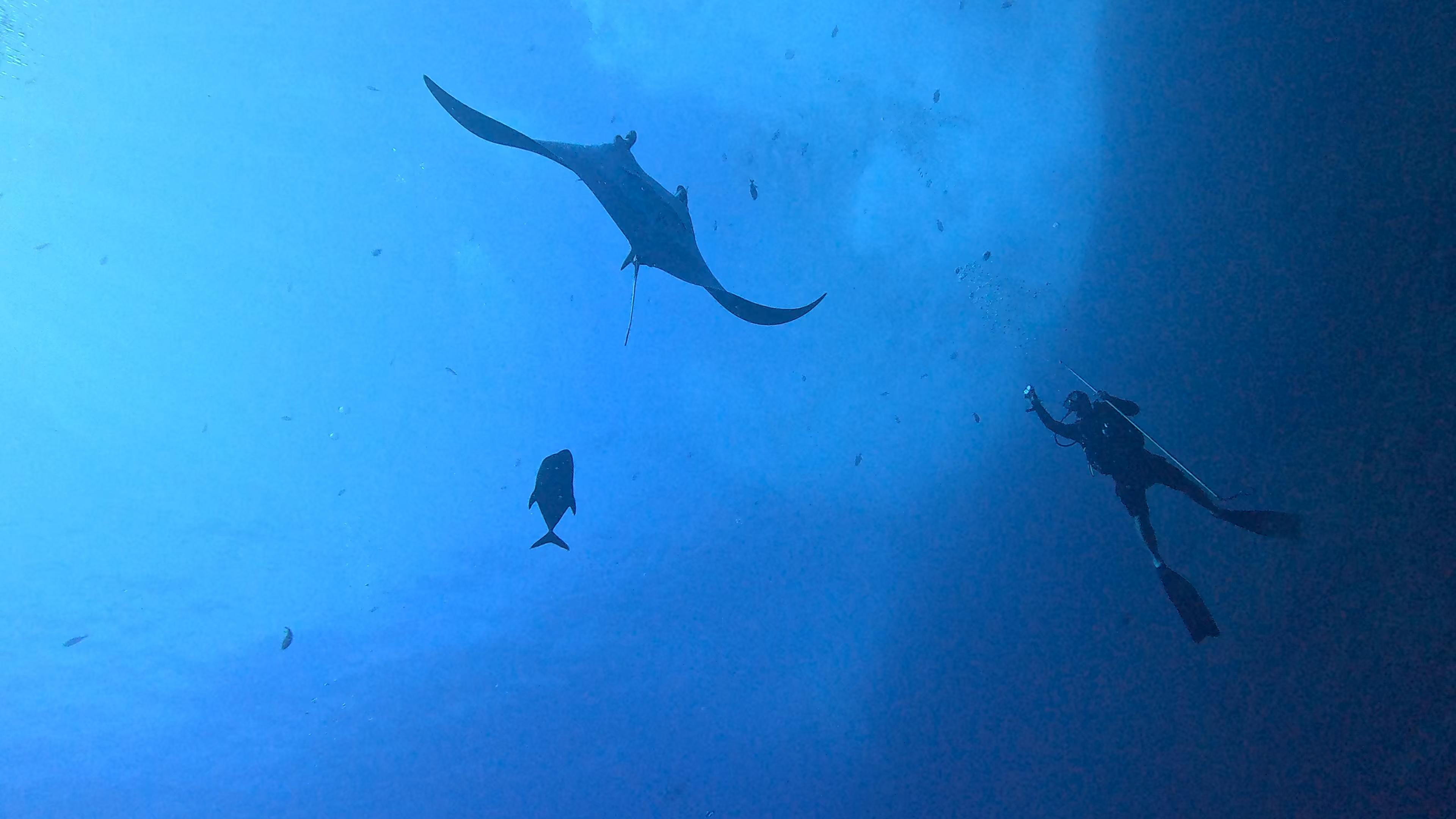
The study’s authors argue that traditional, localized marine protected areas are inherently insufficient for safeguarding highly mobile, migratory marine megafauna. Protecting juvenile habitats alone leaves adults exposed to high-mortality zones once they venture offshore. To bridge this conservation gap, the research team advocates for the establishment of multinational "conservation swimways." These interconnected protected corridors would legally link domestic juvenile coastal refuges with adult pelagic migratory routes, ensuring safe passage throughout an animal’s entire lifespan.
Implications for Future Marine Policy
The publication of these findings in Frontiers in Fish Science marks a pivotal turning point for marine conservation policy in Central America. By demonstrating that giant manta ray populations depend on a continuous ecological network spanning shallow nurseries and deep oceanic shelf breaks, the study provides empirical backing for regional conservation planning.
Environmental policymakers and conservation organizations are now urged to utilize these tracking datasets to coordinate cross-border protective measures. As industrial pressures on marine ecosystems intensify, establishing cohesive, transboundary management strategies will be essential to mitigating anthropogenic mortality among migratory ray populations.
Reflecting on the broader impact of the research, Madrigal-Mesén expressed optimism that the study will catalyze further scientific collaboration and inspire new regional conservation initiatives. By illuminating the hidden movements of these gentle giants from puphood to adulthood, researchers have provided the foundational insights required to keep the oceans safe for one of the marine world’s most awe-inspiring species.