




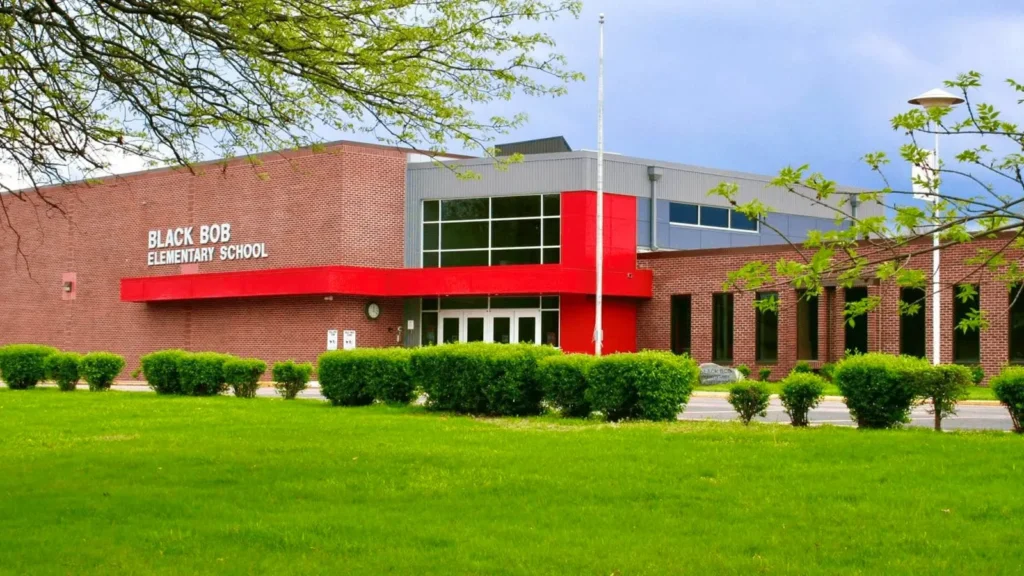
The Olathe Public Schools Board of Education in Kansas has officially approved the closure of six elementary schools, including the notable Black Bob Elementary School, citing a combination of long-term enrollment contraction and mounting budget deficits driven by inadequate state special education funding. The decision, finalized on October 1, 2026, has ignited swift and organized resistance from local families and community advocates who argue that the consolidation process was rushed and lacks necessary transparency.
As public school districts across the United States grapple with declining birth rates and shifting demographic patterns, the situation in Olathe highlights the complex friction between fiscal stewardship and community identity. While district leadership maintains that these drastic measures are unavoidable to preserve the financial health of the school system, parent groups are mobilizing statewide pressure to force a reconsideration of the board’s sweeping verdict.
The Structural Imbalance: Enrollment Versus Infrastructure
At the heart of the Olathe district’s restructuring plan is a stark structural imbalance that has developed over the past quarter-century. According to administrative data, Olathe Public Schools currently serves roughly the same number of elementary students as it did in 2001. However, the district operates nine more elementary schools today than it did twenty-five years ago. This disparity means the district has been maintaining excess physical infrastructure to serve a stagnant student population, spreading operational resources thin across an inflated footprint.
Compounding this structural inefficiency is a significant and accelerating loss of students in recent years. The district reports a cumulative decline of more than 2,000 students, translating directly into an annual operating fund loss of approximately $22 million. Under Kansas’s public school funding formula, state aid is heavily tied to student enrollment numbers, meaning every lost student results in a proportional reduction in baseline operating revenue.
Adding to the fiscal strain is the persistent shortfall in state special education funding. District officials emphasize that they are forced to siphon millions of dollars annually out of their general operating fund to cover mandatory special education services. This transfer is necessary because the Kansas legislature has consistently failed to fund special education at the statutory level required by state law—which mandates covering 92% of excess local costs for special education services. The combination of declining enrollment revenue and unfunded special education mandates created a financial bottleneck that district leaders argue left them with no viable alternative to school consolidation.
Chronology of the Decision and Community Pushback
The path to the October 1 closure vote moved at a lightning pace, causing widespread concern among parents who felt caught off guard by the timeline.
- September 3, 2026: The Olathe Public Schools administration officially proposed the closure of six elementary schools during a regular board meeting, citing fiscal unsustainability and demographic shifts.
- September 8, 2026: Superintendent Brent Yeager addressed the community via a formal message, outlining the district’s rationale, promising that no staff members would lose their jobs, and detailing plans to establish new attendance boundaries.
- September through late September 2026: Local community members and concerned parents mobilized, establishing advocacy networks to question the validity and thoroughness of the district’s data.
- October 1, 2026: The Olathe Public Schools Board of Education formally voted to approve the closure of the six elementary schools.
- Post-October 1, 2026: Parent advocacy group Olathe Families United launched an aggressive petition campaign targeting the Kansas State Board of Education to demand an official review of the district’s decision.
Despite the district’s reassurances, the compressed timeline between the initial proposal on September 3 and the final vote on October 1 left many families feeling disenfranchised. Critics point out that crucial operational questions regarding the consolidation remain unresolved or inadequately addressed.
The Parent Advocacy Campaign and Unanswered Questions
In response to the board’s action, a dedicated parent advocacy coalition known as Olathe Families United organized a petition drive with the explicit goal of gathering 6,100 signatures from local registered voters. The petition calls upon the Kansas State Board of Education to step in and conduct a formal review of the Olathe district’s closure process.
According to information published on the Olathe Families United website, the group contends that critical details regarding the transition were never thoroughly vetted before the vote. Parents have raised persistent concerns about projected class sizes in the remaining buildings, how new school attendance boundaries will be drawn, what transportation logistics will look like for displaced students, how specialized student support services will be maintained, and what the actual net financial savings of the closures will be after accounting for transition expenses.
While the organizers of Olathe Families United acknowledge that a state-level review would not automatically reverse the board’s decision, they argue that intervention by the State Board of Education would apply necessary political and administrative pressure, compelling local board members to re-evaluate their strategy and engage more transparently with the community.
Superintendent Yeager’s Response and Transition Commitments
Superintendent Brent Yeager and district administrators have sought to soften the blow of the closures by emphasizing a compassionate transition process and protecting the workforce. In his communications to families, Yeager stressed that the decision, while agonizing, is a necessary step to secure the long-term viability of the district’s educational offerings.

To mitigate staff anxiety and maintain workforce stability amid nationwide educator shortages, Yeager explicitly guaranteed that no staff members would lose their employment status as a result of the school closures. Instead, personnel will be reassigned across the district’s remaining facilities. Furthermore, the district has announced that the entirety of the current school year will be dedicated to planning and assisting students, families, and staff with the transition, ensuring that everyone is settled ahead of the 2027–28 academic year.
Acknowledging the emotional weight of the closures, Yeager noted in his community address that neighborhood schools form the bedrock of local communities. "Families will be saying goodbye to schools that have been an important part of their lives and their neighborhoods," Yeager stated. "We understand that these are emotional changes, and we cannot remove the emotion that comes with them, but we can approach this process with care, compassion and respect, and that is our commitment to you."
Broader National Context: The Wave of Public School Closures
Olathe’s fiscal and demographic struggles are far from unique. Across the United States, public school districts of all sizes are increasingly grappling with the painful reality of closing and consolidating schools. The primary driver behind this nationwide trend is a sustained decline in public school enrollment, fueled largely by dropping birth rates that began in the wake of the 2008 Great Recession and have continued to compound over the past decade and a half.
As federal pandemic-era relief funds (ESSER) officially expired, districts that relied on temporary federal dollars to pad their operating budgets are now facing severe fiscal cliffs. When combined with inflation, rising labor costs, and stagnant state funding formulas, school boards nationwide are finding it financially untenable to keep under-enrolled buildings open.
This momentum shows no sign of slowing down. During the fall 2026 semester, numerous major school systems announced that they are actively evaluating or moving forward with school closures. High-profile districts confronting similar demographic and budgetary reckonings include the Los Angeles Unified School District, New Mexico’s Albuquerque Public Schools, Minneapolis Public Schools in Minnesota, and Portland Public Schools in Oregon.
Fact-Based Analysis of Implications for Olathe
The unfolding situation in Olathe carries significant implications for both local governance and educational quality in the region.

-
Fiscal Stabilization vs. Community Trust: While consolidating operations is projected to reduce overhead costs and optimize building utilization, the district risks alienating a core segment of its voter base. Trust between families and the school board has been strained by the rapid turnaround from proposal to vote, which could complicate future funding initiatives, bond measures, or tax levy renewals.
-
Facility Utilization and Capacity: By reducing its elementary footprint, Olathe Public Schools will theoretically operate its remaining buildings closer to full capacity. However, if boundary shifts are executed poorly, the district could inadvertently create overcrowded classrooms in receiving schools, negating the intended benefits of consolidation.
-
Special Education Vulnerability: The district’s explicit critique of state special education funding highlights a systemic policy challenge in Kansas. Unless the state legislature addresses the funding gap for special education, local districts will continue to rob Peter to pay Paul—diverting general funds away from regular instruction and facilities maintenance just to meet federal and state mandates for disabled students.
-
Precedent for State Oversight: If the Olathe Families United petition successfully gathers the required 6,100 signatures and prompts a formal review by the Kansas State Board of Education, it could establish a notable precedent for how state boards handle local district consolidation disputes, potentially empowering parent groups in other districts facing similar contractions.
As the 2026–27 school year progresses, all eyes in Kansas will remain on Olathe as the district attempts to navigate the logistical maze of redrawing boundaries, reassuring anxious parents, and managing the emotional fallout of shuttering neighborhood institutions.








