


In classrooms across the country, educators are increasingly turning toward structured social-emotional learning (SEL) initiatives to combat rising rates of student disengagement and social isolation. Among these innovations, a unique method of peer-to-peer recognition—colloquially known as "The Octopus"—has emerged as a highly effective, scalable, and replicable model for fostering classroom community. Developed over the course of a decade by veteran educator Marcus Luther, the system utilizes a visual, values-based framework to encourage students to anonymously nominate their peers for specific positive contributions. This approach not only provides students with a tangible sense of belonging but also creates a longitudinal record of character development that benefits both the student and the instructor.

Origins and Conceptual Framework
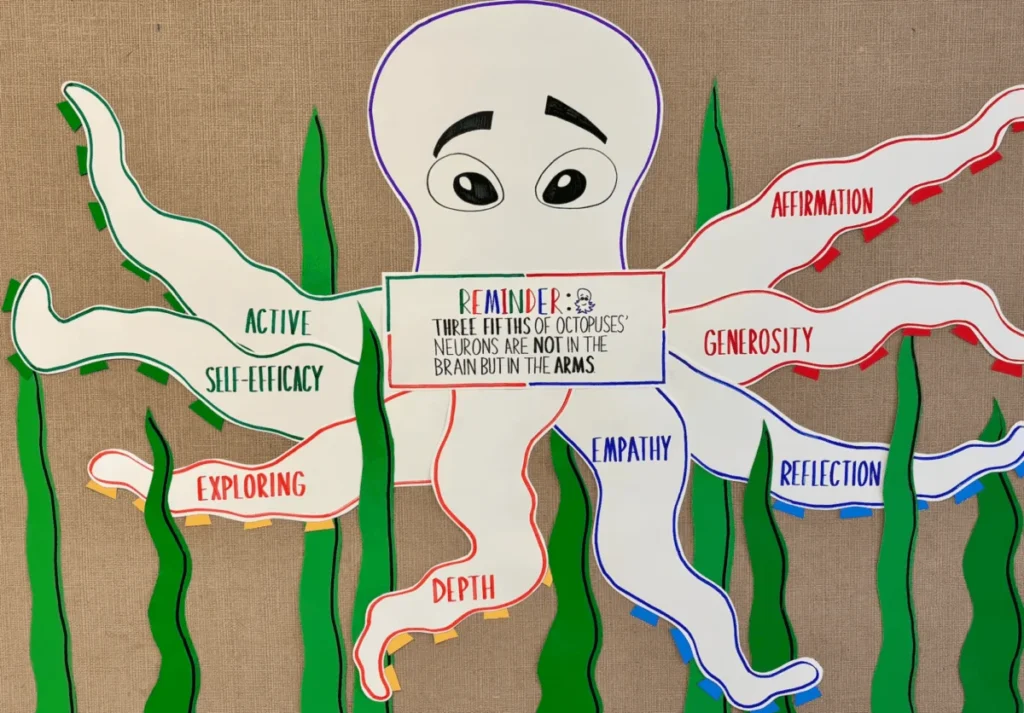
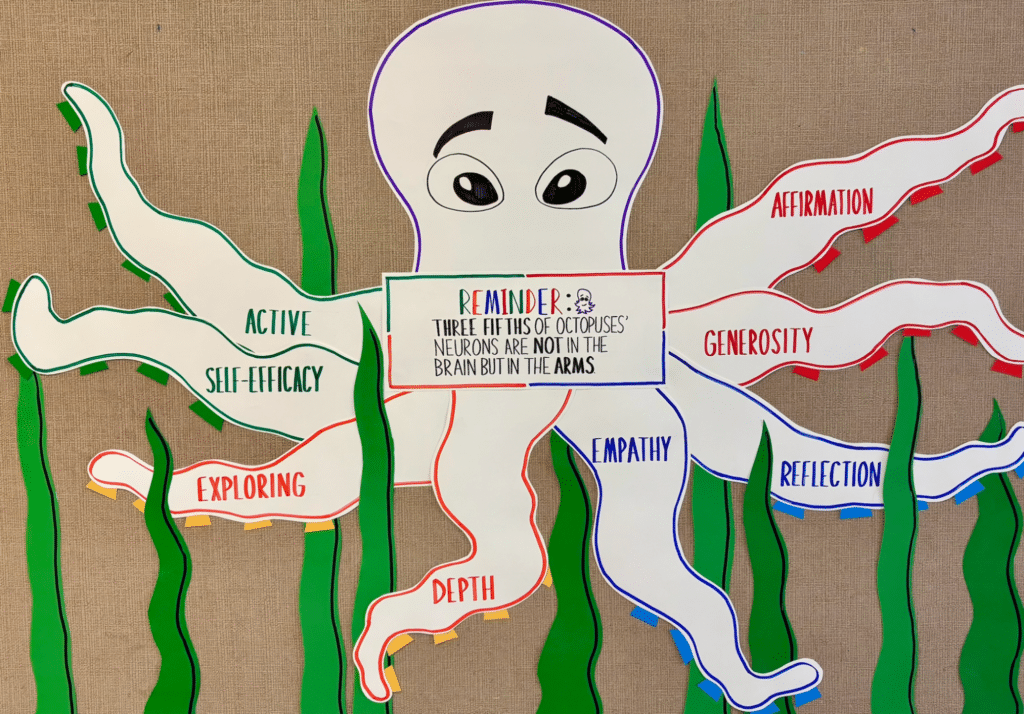
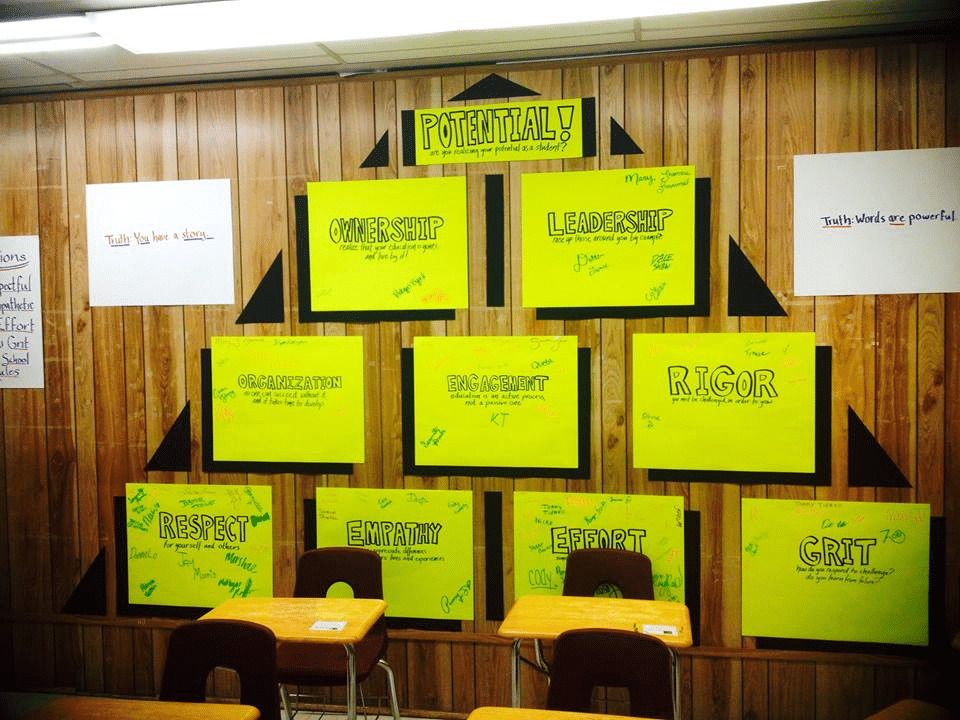
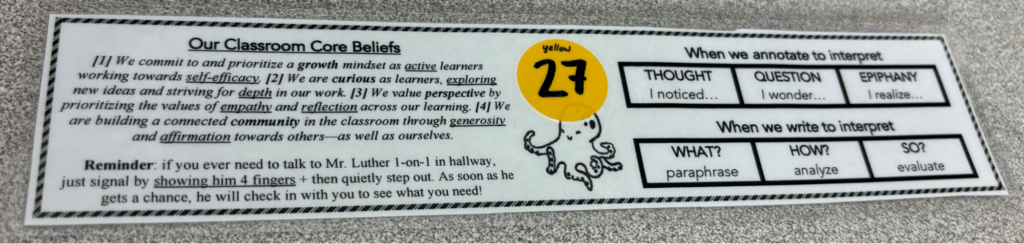
The pedagogical roots of the "Octopus" system can be traced to early efforts to gamify positive reinforcement through visual artifacts. Initially inspired by the "Pyramid of Success" model popularized by legendary basketball coach John Wooden, the system has undergone several iterations. The core concept relies on a central graphic—in this instance, an octopus—whose appendages represent core classroom values such as depth, self-efficacy, empathy, and active participation.
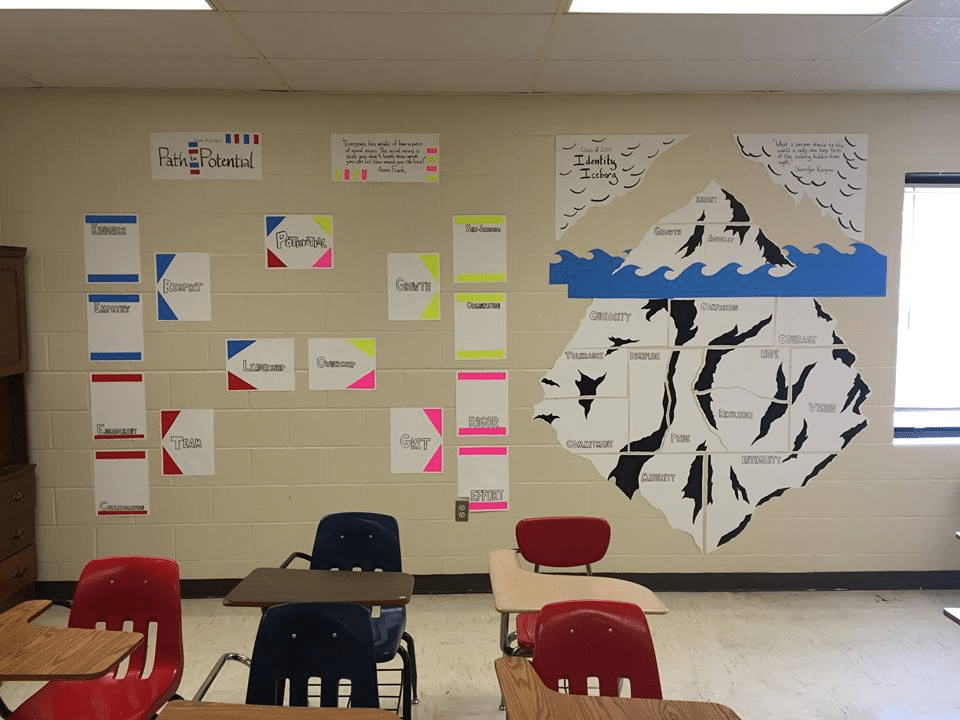
The transition from a simple pyramid to an octopus serves a dual purpose: it provides a distinct visual focal point for the classroom and allows for a segmented tracking system. By dedicating specific appendages to specific values, teachers can categorize student behavior in a way that is easily digestible for adolescents. Data from classroom studies suggests that when values are codified and visible, students are significantly more likely to internalize them, moving beyond passive compliance to active participation in the classroom culture.
The Chronology of Implementation
The implementation of this system typically occurs in three distinct phases during the academic year. The preparatory phase involves the teacher selecting and defining the core values. Many educators, including Luther, prefer to solicit feedback from the previous year’s cohort to ensure the values remain relevant to the current student population. This pre-work is essential, as it establishes the normative expectations before the students even arrive.
The second phase, the "nomination window," usually commences two to three weeks into the term. This delay is strategic; it allows for sufficient community-building exercises to occur so that students have a foundation of trust before they are asked to assess their peers. During this period, the octopus remains blank, creating a sense of curiosity. Teachers then utilize digital tools, such as Google Forms, to collect anonymous nominations. The anonymity is a critical component of the system’s success, as it lowers the social barrier to entry and prevents potential bias or peer-pressure-driven nominations.
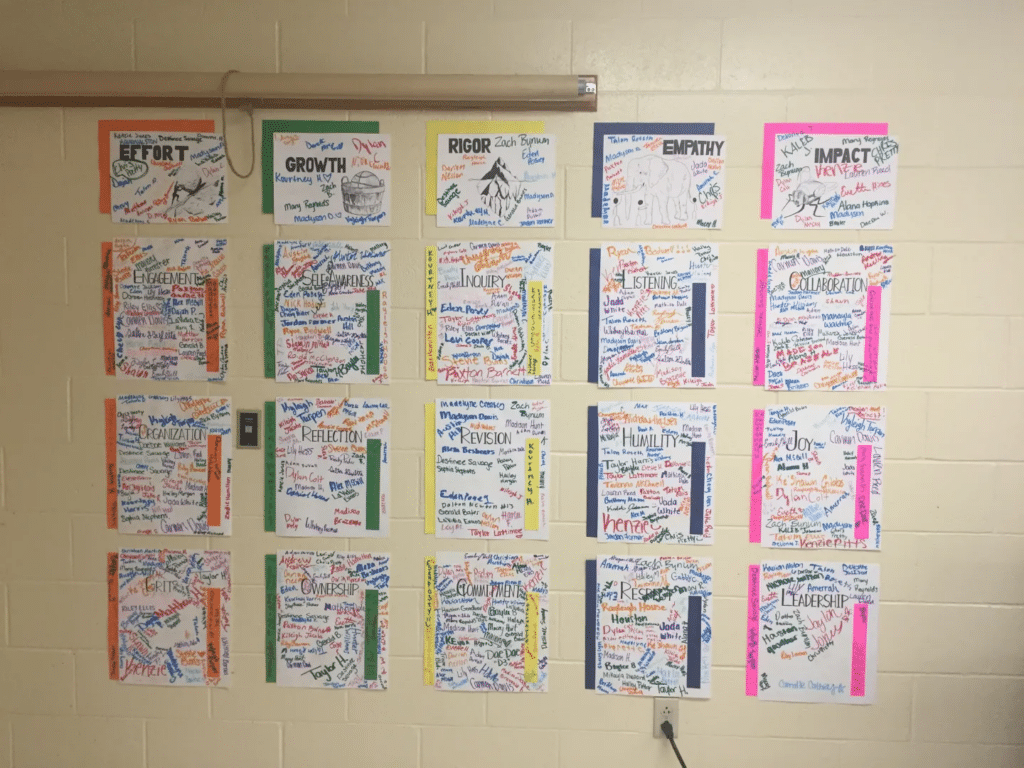
The final phase is the "signing ritual." Once a week, the teacher reviews the collected data and announces the nominations. By reading the specific praise—without initially naming the recipient—the teacher builds anticipation. Once the student is named, they are invited to sign the physical wall under the corresponding value. This ritualistic celebration reinforces the behavior and provides an immediate, public dopamine reward for the student, which is then reinforced by peer applause.
Supporting Data and Behavioral Implications
Educational research consistently highlights the importance of social affirmation in the high school environment. According to a 2023 meta-analysis on school climate, students who report feeling "seen" by their peers and teachers demonstrate a 22% higher rate of academic persistence compared to those who do not. The "Octopus" system directly addresses this need.
By maintaining a digital spreadsheet of these nominations, teachers gain a high-resolution view of their classroom dynamics. This data can serve as an early warning system for instructors; if a student consistently goes unmentioned, the teacher can proactively seek opportunities to integrate that student into classroom activities or highlight their strengths. Furthermore, these records provide an invaluable resource for teachers when drafting letters of recommendation. Rather than relying on memory alone, educators can reference specific, peer-validated instances of character, such as "always willing to help others" or "consistently demonstrates deep analytical thinking," which adds a layer of authenticity to college and career applications.
Official Responses and Academic Reception
While the "Octopus" method is not a standardized curriculum, it has garnered attention from various educational administrators who advocate for "low-floor, high-ceiling" classroom management strategies. These are interventions that are easy to start (low barrier to entry) but offer massive dividends in terms of long-term culture (high ceiling).
Educational psychologists who have reviewed the methodology note that the system aligns with Self-Determination Theory (SDT). By providing students with autonomy in choosing whom to nominate and relatedness through the act of public affirmation, the system fulfills the basic psychological needs required for intrinsic motivation. Critics occasionally point to the potential for "empty praise," but proponents argue that because the nominations are tied to specific, actionable values and must be supported by a written rationale, the process remains grounded in objective observation rather than mere popularity.
Broader Impact on School Climate
The implications of this system extend beyond the four walls of a single classroom. As schools struggle with the post-pandemic recovery of social skills, the ability to articulate positive feedback is a critical soft skill. By mandating that students identify and name the strengths of their classmates, the "Octopus" system serves as a training ground for professional collaboration.
Furthermore, the integration of these values into parent-teacher conferences transforms the nature of those meetings. Instead of a conference focused solely on grades and performance metrics, the teacher can present a portfolio of character-based affirmations. Parents are often surprised to hear their children described through the lens of their peers, which provides a more holistic view of the student’s identity. This shifts the dynamic from a deficit-based conversation—where the focus is on what a student is failing to do—to a strength-based conversation, which has been shown to increase parental engagement and support.
Long-Term Sustainability
For a system like this to be sustainable, it must be embedded as a ritual rather than a one-off event. The "Octopus" model succeeds because it creates a predictable, weekly rhythm. The use of specific colored pens for different class periods and the theatrical nature of the "signing" create a unique identity for each class section. This fosters a sense of healthy competition and collective pride among students.
Even in high school settings, where adolescent skepticism is high, the data indicates that students eventually move past the "coolness" barrier. The phenomenon of the "eye-rolling" student who ultimately becomes a guardian of the wall is well-documented in the classroom anecdotes of educators using this method. It suggests that deep down, students crave a environment where their positive traits are acknowledged.
Final Analysis
The "Octopus" system, while seemingly simple in its aesthetic, represents a sophisticated approach to classroom management that prioritizes human connection over compliance. In an era where digital interactions often replace face-to-face feedback, the physical act of signing a wall creates a permanent, tangible record of community.
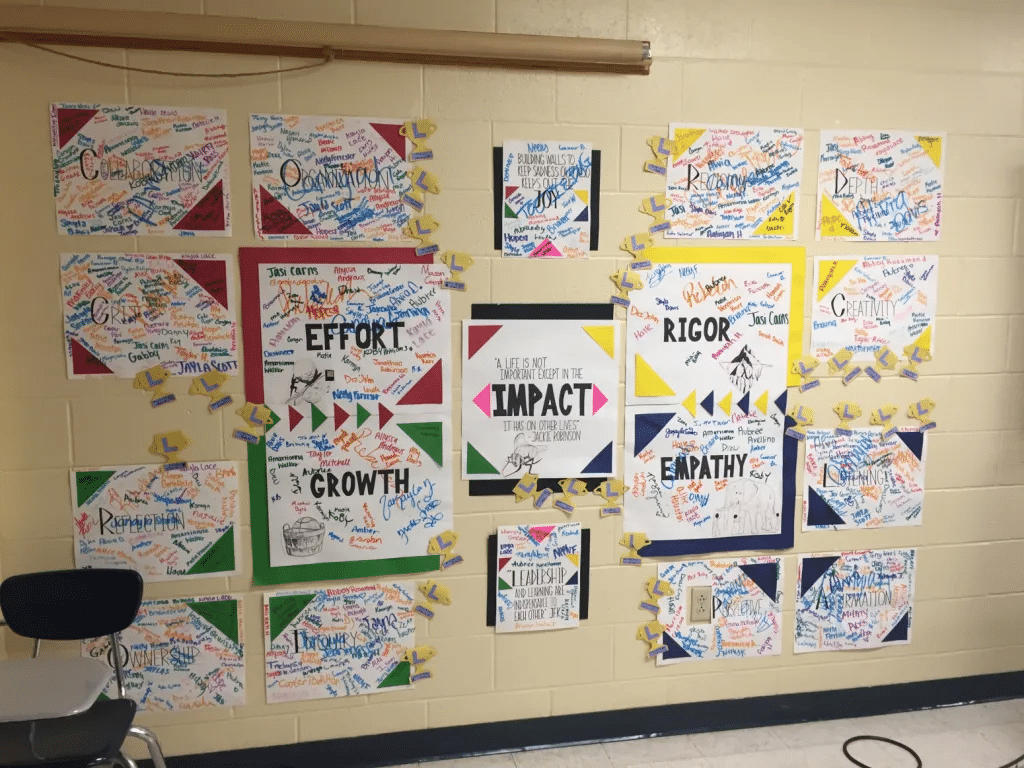
As schools continue to evaluate how best to support the holistic development of their students, models like this offer a compelling path forward. By making space for affirmation, teachers are not just decorating a wall; they are building a culture of mutual respect and recognition. The evidence is clear: when you create a system that values character as much as curriculum, students will rise to meet that standard, proving that the most powerful tool in a classroom is often the validation provided by the peers themselves. The "Octopus" is not merely a collection of posters; it is a testament to the fact that, at every level of education, students want to know that their presence in the room matters.