


The human body is an intricate machine designed for movement, yet modern lifestyles have increasingly forced it into a state of prolonged stagnation. Among the various physiological casualties of the sedentary era, the hamstrings—a group of three muscles located along the posterior of the thigh—are frequently the most compromised. Health professionals and physical therapists are increasingly sounding the alarm regarding what they describe as an "anatomical disaster" fueled by excessive sitting. When an individual remains seated for hours on end, their knees remain bent and their hips flexed, placing the hamstring muscles in a chronically shortened state. Over time, this lack of extension leads to a loss of flexibility, a heightened risk of injury, and a cascade of musculoskeletal issues that can affect the entire body.
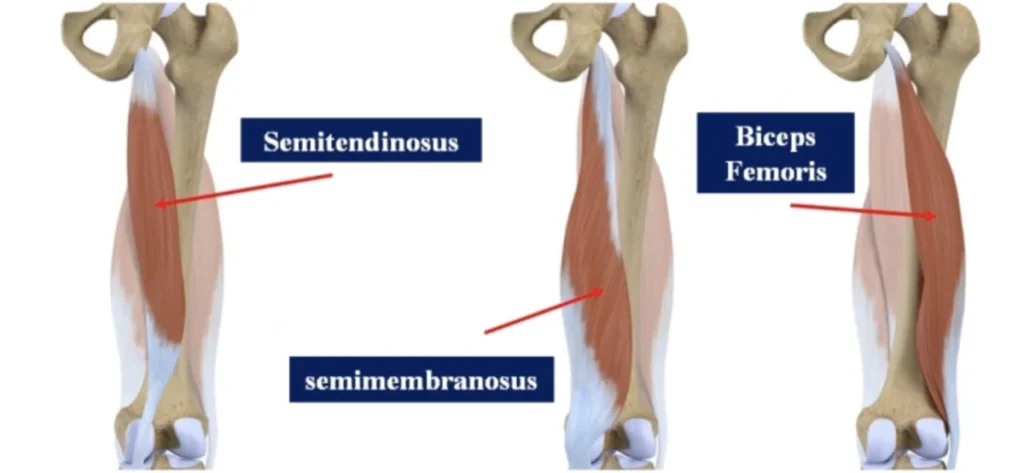
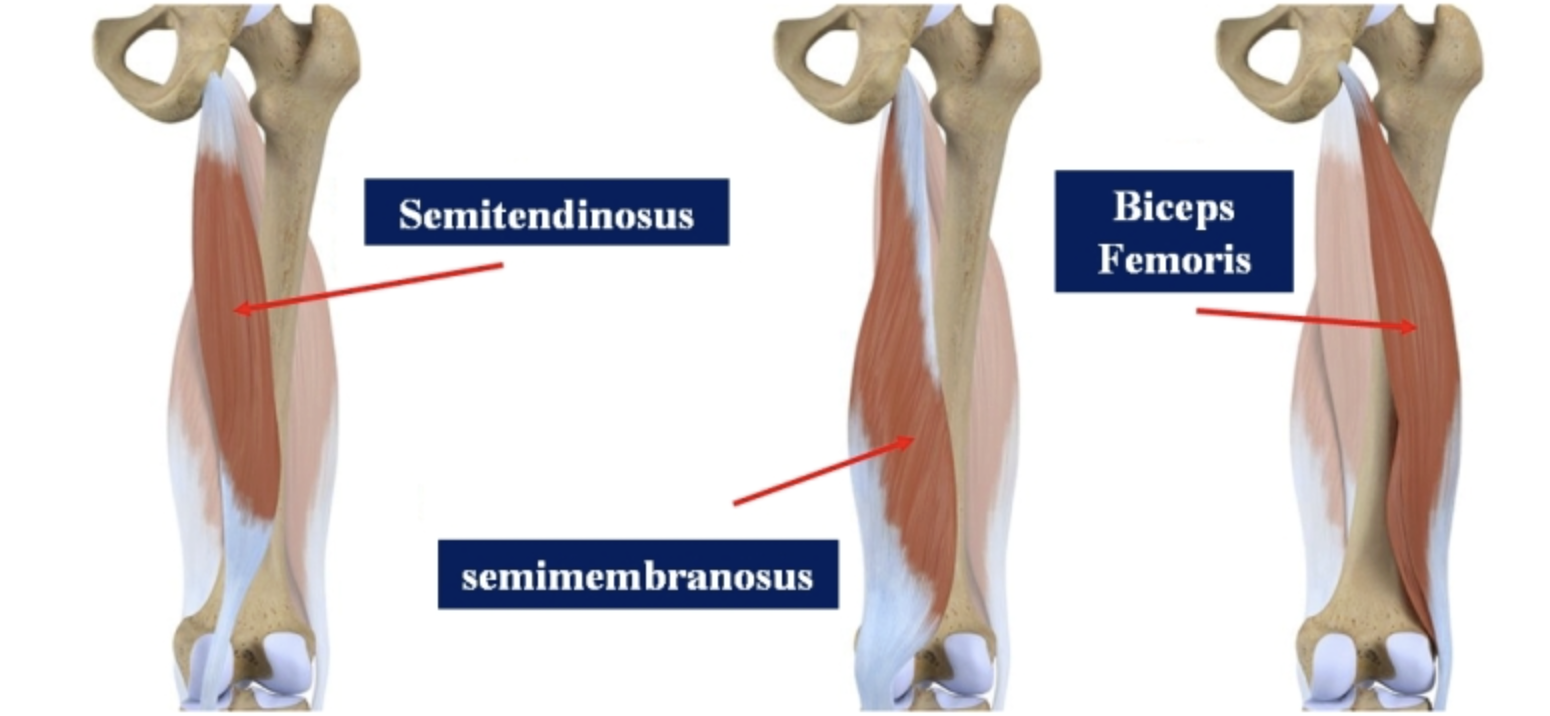
The hamstrings consist of the biceps femoris, the semitendinosus, and the semimembranosus. These muscles are primary drivers of human locomotion, responsible for both bending the knee and extending the hip. According to Marissa Cummo, PT, DPT, and assistant director of physical therapy at NYC Health + Hospitals/Bellevue, the mechanics of sitting are inherently antagonistic to hamstring health. "When you’re sitting, your legs are usually bent, and that shortens the hamstrings," Cummo explains. If this position is maintained as a daily habit, the muscles adapt to this shortened state, leading to a condition often referred to as adaptive shortening.
The Physiological Mechanisms of Hamstring Tightness
Understanding why hamstrings become tight requires an analysis of both lifestyle factors and biological responses. While inactivity is the most prevalent cause, it is far from the only factor contributing to the stiffening of these critical muscles.
The Impact of Prolonged Inactivity
For the average office worker, the lower body registers very little difference between a day at a desk and a weekend spent on a couch. Research published in the Journal of Physical Therapy Science indicates that prolonged sitting leads to significant decreases in the range of motion for the hip and knee joints. As the soft tissues surrounding the hamstrings remain in a contracted position, the sarcomeres—the functional units of muscle fibers—can actually decrease in number, effectively "shrinking" the muscle’s usable length.
Overuse and Protective Tension
On the opposite end of the spectrum, high-intensity athletes are also prone to hamstring tightness. When muscles are pushed beyond their current capacity, the nervous system may trigger a protective response, causing the muscles to constrict to prevent further strain or tearing. "As much as we encourage exercise and movement," Dr. Cummo notes, "if you do too much, the muscles can tighten up from overuse." Furthermore, repetitive strain can lead to the development of myofascial adhesions—bands of scar-like tissue that bind muscles together, restricting their ability to slide and stretch smoothly.
The Role of Muscle Imbalance and Compensation
The musculoskeletal system operates as a "kinetic chain," where the function of one muscle group directly impacts another. The hamstrings work in tandem with the gluteus maximus to extend the hip. If an individual has "gluteal amnesia"—a common condition where the glutes become weak due to inactivity—the hamstrings must overcompensate to perform the work the glutes are failing to do. This increased workload leads to chronic fatigue and tightness. Similarly, an imbalance between the quadriceps on the front of the thigh and the hamstrings on the back can create structural tension. Without balanced strength and flexibility, the joints are pulled out of alignment, increasing the risk of acute injury.
The Broader Consequences of Neglected Hamstrings
The repercussions of tight hamstrings extend far beyond the back of the thighs. Because the hamstrings attach to the ischial tuberosity (the "sit bones") of the pelvis, their tension dictates the orientation of the entire lower torso.
Chronic Lower Back Pain
One of the most common complaints linked to tight hamstrings is lower back pain. When the hamstrings are short and stiff, they exert a downward pull on the pelvis, causing it to tilt backward—a condition known as posterior pelvic tilt. This misalignment flattens the natural curve of the lumbar spine, putting excessive pressure on the spinal vertebrae and the surrounding supporting muscles. "Oftentimes people think, ‘I’m having back pain; something’s wrong with my back,’" says Dr. Cummo. "But, a lot of times, it’s tight hamstrings."

Limitations in Daily Mobility
Tightness in the posterior chain significantly hampers the mechanics of walking and climbing stairs. Effective gait requires a specific degree of hip extension and knee flexibility. When these movements are restricted, the body must find "workarounds," which often involve twisting the torso or over-flexing the lower back. These compensations may seem minor in the short term, but over years of repetition, they lead to degenerative wear and tear on the joints.
The Clinical Benefits of Regular Stretching
The solution to this modern ailment is a consistent regimen of targeted stretching. The benefits of maintaining long, pliable hamstrings are backed by extensive clinical data. Improved flexibility increases the "stretch tolerance" of the muscle, allowing it to absorb more energy before a strain or tear occurs. This is particularly vital for athletes involved in sprinting or sports requiring rapid changes in direction.
Furthermore, regular stretching promotes blood flow to the muscle tissues, aiding in the removal of metabolic waste products and accelerating recovery after exercise. For the general population, the primary benefit is the restoration of pelvic alignment, which serves as a preventative measure against the epidemic of chronic back pain.

Seven Essential Hamstring Stretches for Improved Flexibility
Dr. Cummo emphasizes that stretching must be a daily commitment rather than an occasional activity. "If you’re not stretching it regularly, it’s like a rubber band; it’s gonna go right back," she warns. To ensure safety and effectiveness, practitioners should never stretch to the point of pain, avoid "bouncing" (ballistic stretching), and ensure they are sufficiently warmed up through light movement before beginning.
1. Lying Single-Leg Hamstring Stretch
This is considered one of the safest stretches because the floor supports the back, maintaining a neutral spine.
- Execution: Lie on your back with both knees bent. Lift one leg and loop a towel or strap around the foot. Slowly straighten the leg toward the ceiling until a gentle stretch is felt. Hold for 30 seconds and repeat on the other side.
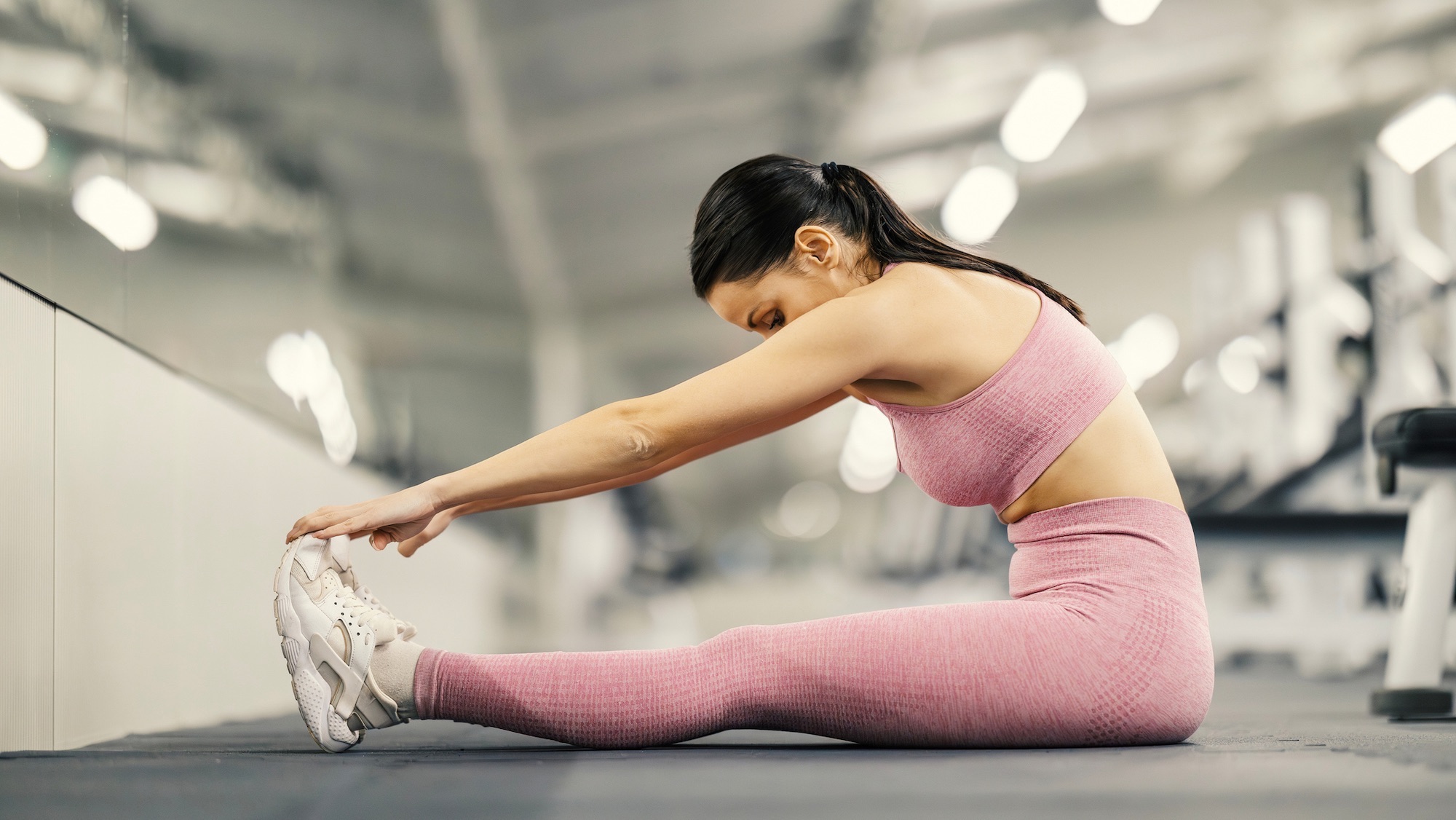
2. Seated Forward Fold
Common in yoga practices, this stretch targets both hamstrings simultaneously.

- Execution: Sit on the floor with both legs extended straight in front of you. Hinge at the hips—not the waist—and reach toward your toes. Keep the spine long and avoid rounding the shoulders.
- Modification: If this is too intense, place one foot against the inner thigh of the opposite leg to focus on one side at a time.
3. Kneeling Hamstring Stretch
This variation allows for deeper isolation of the muscle fibers.
- Execution: Kneel on one knee with the other leg extended straight in front of you, heel on the ground. Keeping your back straight, lean forward from the hips. Use a wall or chair for balance if necessary.
4. Downward-Facing Dog
This foundational yoga pose provides a comprehensive stretch for the entire posterior chain, including the calves and lower back.
- Execution: Start on your hands and knees, then lift your hips toward the ceiling to form an inverted "V" shape. Press your heels toward the floor while keeping your head between your arms.
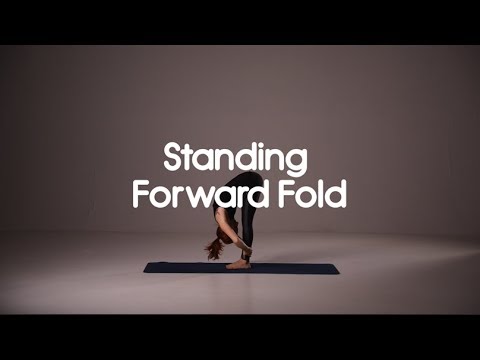
5. Standing Forward Fold
This version utilizes gravity to assist in the lengthening of the muscles.

- Execution: Stand with feet hip-width apart. Slowly hinge at the hips and let your torso hang toward the floor. Keep a slight micro-bend in the knees to protect the joints.
6. Standing Single-Leg Hamstring Stretch
This is an accessible option for those who prefer not to sit or lie on the floor.
- Execution: Place one heel on a raised surface, such as a curb or a low step. Keeping the leg straight and the toes pointed up, lean forward slightly from the hips until you feel the tension in the back of the thigh.
7. Seated Hamstring Chair Stretch
Designed for the modern office environment, this stretch can be performed throughout the workday.
- Execution: Sit at the edge of a stable chair. Extend one leg straight out with the heel on the floor. Lean forward while keeping the back straight. This allows for frequent "micro-breaks" to combat the effects of sitting.
Broader Impact and Implications for Public Health
The "tight hamstring" phenomenon is more than a personal fitness issue; it is a public health concern with significant economic implications. Musculoskeletal disorders (MSDs) are a leading cause of lost productivity and healthcare expenditures globally. According to data from the Bureau of Labor Statistics, back pain and related muscle strains account for a substantial percentage of workplace injuries and long-term disability claims.
As the workforce continues to shift toward digital and sedentary roles, the importance of preventative physical therapy becomes paramount. Integrating simple stretching routines into the daily schedule—whether in schools, offices, or at home—could drastically reduce the incidence of chronic pain. By understanding the science of the hamstrings and the mechanics of the posterior chain, individuals can take proactive steps to preserve their mobility, enhance their athletic performance, and ensure long-term spinal health. In the battle against the "sitting epidemic," the humble hamstring stretch remains one of the most effective tools available.