



The annual back-to-school season frequently ignites a contentious debate among parents and educators regarding school supply acquisition and distribution, particularly concerning the widespread adoption of "community supplies" models in K-8 classrooms. This discussion, often amplified across social media platforms, reveals a significant disconnect between parental expectations of individualized student provisions and the operational realities of modern elementary and middle school settings. The friction stems from differing understandings of classroom management, pedagogical approaches, and the evolving landscape of public school funding.
The Rise of Communal Supply Systems
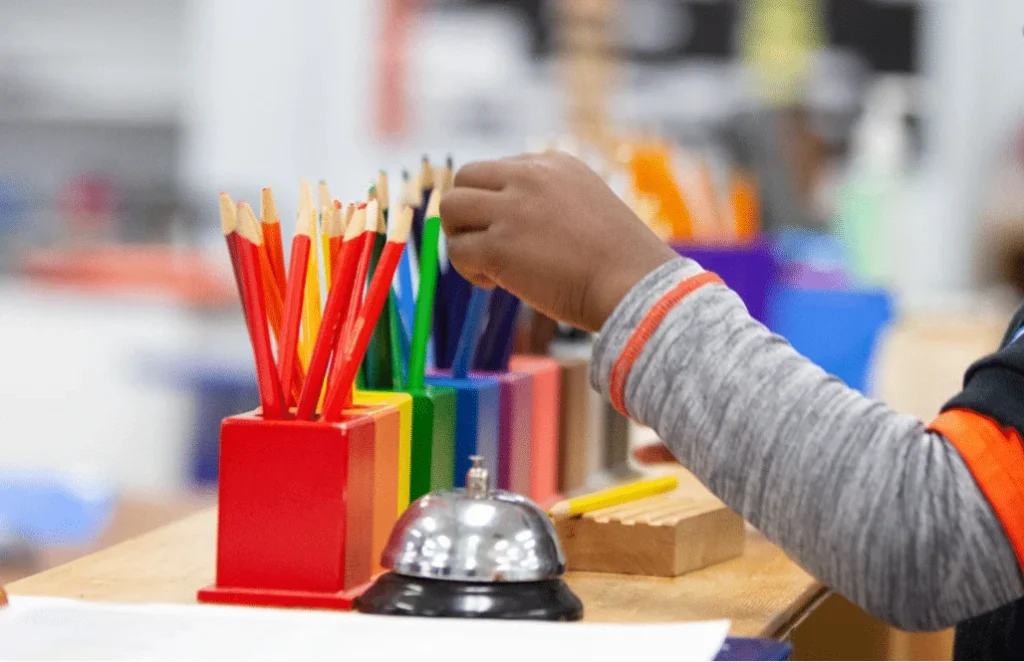
Across many American K-8 schools, a system colloquially known as communal, community, or teacher-distributed supplies has become the norm. Under this model, parents purchase items from a standardized list, but instead of individual students retaining and managing these supplies, they are collected, pooled, and then distributed by the teacher as needed to the entire class. This can manifest in various ways: a central bin for glue sticks, a system for exchanging dull pencils for sharpened ones, or dedicated classroom stations stocked with art supplies accessible to all. The primary objective is to ensure that every student has consistent access to necessary learning tools without interruption, promoting an equitable learning environment.
Historically, the practice of students keeping personal supplies in individual desks was more prevalent. However, changes in educational philosophy, classroom design, and administrative efficiency have prompted a shift. Modern pedagogical approaches often emphasize collaborative learning, flexible seating arrangements, and differentiated instruction, which are more readily supported by shared resources. Moreover, the logistical challenges of managing 25 or more individual sets of supplies—tracking, replenishing, and resolving conflicts over lost or broken items—can consume valuable instructional time. Teachers report that implementing a communal system can save upwards of 15 minutes of class time per day that would otherwise be spent on supply-related issues, allowing more focus on academic content.
A Deep Dive into the Discrepancy: Expectations vs. Reality
The core of the "school supply debate" lies in a fundamental mismatch between parental perceptions and school systems. Parents, often drawing from their own schooling experiences, may purchase personalized items like character folders or specific pencil brands, only to find them absorbed into a collective classroom inventory on the first day. This can lead to feelings of frustration, resentment, and a perception of unfairness. Comments frequently seen online reflect these sentiments, ranging from concerns about personal financial contributions subsidizing others to suspicions about how teachers manage the pooled resources.
For instance, a parent who meticulously selects a themed folder for their child might be disappointed when it’s placed in a stack with dozens of others, losing its individual significance. This disappointment is often rooted in the belief that their child’s specific contribution will be exclusively for their child. However, in a communal system, the "one-to-one" principle of ownership is intentionally bypassed for the sake of collective efficiency and equity. While a student might require five glue sticks over a school year, these are typically drawn from a common bin rather than a personalized stash, streamlining distribution and minimizing disruptions.
The misconception that communal supplies mean some parents are "freeloading" while others bear the burden is a significant driver of parental discontent. While it is true that some supplies contributed by one child might be used by another, this is an inherent function of the system. The aggregated list provided by teachers generally reflects the total quantity of supplies a typical student will consume in a year. Therefore, a parent contributing the full list ensures their child’s needs are met within the collective, regardless of whether a specific pencil they sent ends up in another child’s hand.

The Evolving Landscape of School Funding and Teacher Burden
A critical underlying factor contributing to the reliance on parent-supplied materials and communal systems is the long-term trend of shifting financial burdens in public education. Over the past several decades, many public school districts have experienced stagnant or declining per-pupil funding from state and local governments. According to reports from the National Center for Education Statistics (NCES), while overall education spending has increased, the proportion covered by state and local taxes has fluctuated, often leading to deficits in discretionary spending for classroom essentials. This has intensified the pressure on schools to request direct contributions from families for supplies that were once fully covered by district budgets.
The financial strain is particularly acute for educators. Data from organizations like the National Education Association (NEA) consistently reveal that teachers nationwide spend hundreds, if not thousands, of dollars annually out of their own pockets to purchase classroom supplies, instructional materials, and even basic necessities for students. A 2021 study indicated that 92% of teachers spent their own money on school supplies, with an average expenditure of $750, and 30% spent over $1,000. These personal investments are often made to fill gaps left by insufficient school budgets and to ensure all students, regardless of their family’s ability to contribute, have the tools they need to learn.
The notion that "lazy teachers hoard those supplies and sell them to make money" is a baseless and hurtful accusation. In reality, teachers meticulously manage and often safeguard classroom supplies precisely because they are aware of their value and the financial investment, both from parents and their own pockets, that underpins them. The careful storage and controlled distribution are practical responses to limited resources, not a means of personal gain.
Addressing Common Concerns and Misconceptions
Several frequent objections to communal supply systems warrant a fact-based analysis:
- "Teachers are too controlling; kids should manage their own supplies." While fostering responsibility is a valid educational goal, the practicalities of a K-8 classroom with a single teacher and 20-30 students necessitate efficiency. Waiting for each child to locate, retrieve, and potentially sharpen their own pencil multiple times an hour can cumulatively consume significant instructional time. Centralized supply management streamlines transitions and maximizes learning opportunities. Developmental readiness also plays a role; young children are not typically equipped to manage a comprehensive set of supplies for an entire day across various activities.
- "Students won’t learn responsibility." Responsibility is taught through various classroom routines, assignments, and expectations, not solely through personal supply management. In communal systems, students learn to share, take turns, and care for shared resources—equally valuable life skills. High school, with fewer required supplies and more independent learning, naturally shifts towards individual supply management, aligning with students’ increasing maturity.
- "Why can’t they keep supplies in their desk like we did?" The structure of elementary and middle schools has evolved. Departmentalized learning, where students rotate between teachers for different subjects (e.g., one for English, another for Math), is increasingly common even in younger grades. This means students may use multiple desks throughout the day, making individual desk storage impractical. Teachers in such systems either need to travel with extensive personal supplies or, more commonly, maintain a stock of materials in each classroom to ensure continuity.
- "I want to purchase special supplies just for my child." Back-to-school shopping can be a cherished ritual. Parents who wish to provide personalized items should inquire directly with their child’s teacher about policies regarding personal supplies. Some teachers may permit a few personal items if they don’t cause distraction or disruption, while others may prefer uniformity to avoid issues of loss, theft, or perceived favoritism. A practical compromise is to create a dedicated "homework station" at home with special, fun supplies, providing an incentive for out-of-school learning.
- "I’m not sending supplies for other people’s children." This sentiment reflects a fundamental misunderstanding of the communal model’s purpose. The collective contribution ensures a robust supply pool for all students, including one’s own. While a specific item might be used by another child, one’s own child will also benefit from the collective stock, drawing from items contributed by other families. This fosters a community mindset where everyone benefits from shared resources, ensuring no child is left without essential tools due to their family’s financial constraints.
- "Just tell me when my child’s supplies are running low." This expectation, while reasonable in a daycare setting with lower student-to-teacher ratios and highly personalized items (like diapers or formula), is logistically infeasible in a K-8 classroom. A teacher cannot reasonably track the individual depletion of 25 students’ pencils, glue sticks, and crayons and then contact each family. The communal system pre-empts these issues by maintaining a readily available stock, removing a significant burden from both teachers and parents.
- "My child shouldn’t have to use cheap supplies if I buy the expensive ones." While quality differences exist between brands, for most basic classroom activities, the functional difference is minimal. The priority in a communal system is universal access to adequate materials, not necessarily premium brands. Parents can provide higher-quality items for home use if desired, but embracing the community aspect means accepting that classroom supplies prioritize function and equity over brand preference.
Fostering Understanding and Collaboration
The path to resolving the "school supply debate" lies primarily in enhanced communication and transparency between schools and families. Schools must clearly articulate their supply management systems, explaining the pedagogical and logistical rationale behind communal approaches. This includes specifying whether supplies will be pooled, what role personal items play, and how replenishment is handled throughout the year. Providing this information well in advance allows parents to align their purchasing decisions with school expectations, mitigating disappointment and fostering trust.
Parents, in turn, can actively seek clarification from school administrators or teachers if information is unclear. Embracing the community aspect of school involves understanding that classrooms operate as collective learning environments where shared resources benefit everyone. Supporting these systems, potentially even by contributing beyond the minimum requested, can significantly alleviate the financial burden on teachers and ensure a consistently well-equipped learning space for all students. This collaborative approach reinforces the idea of school as a community where everyone plays a role in supporting student success.