

An investigational therapy, zorevunersen, designed to address the underlying genetic cause of Dravet syndrome, a severe and often intractable form of epilepsy in children, has demonstrated both a favorable safety profile and exceptional efficacy in significantly reducing seizure frequency. According to compelling results from a pivotal international clinical trial led by University College London (UCL) and Great Ormond Street Street Hospital (GOSH), the treatment has the potential to profoundly transform the health trajectories and daily lives of affected children and their families. These findings, recently published in the prestigious New England Journal of Medicine, represent a significant advancement in the pursuit of more effective, disease-modifying interventions for this devastating rare genetic disorder.
A Breakthrough in Seizure Control and Quality of Life
The clinical trial revealed that children grappling with Dravet syndrome experienced substantial reductions in seizure frequency, with some participants showing a decrease of up to 91 percent while regularly receiving zorevunersen. Beyond its impressive impact on seizure control, researchers also reported encouraging early indications that the therapy might mitigate some of the disorder’s debilitating effects on cognitive function and behavior. Over a three-year observation period, children enrolled in the study exhibited notable improvements in their overall quality of life, a crucial measure given the pervasive impact of Dravet syndrome on development and daily functioning. Importantly, the majority of reported side effects were mild and manageable, underscoring the therapy’s safety and tolerability in this vulnerable pediatric population. This dual benefit—seizure reduction coupled with potential neurodevelopmental improvements—marks a significant departure from conventional treatments, which primarily focus on symptomatic seizure management.
Understanding Dravet Syndrome: A Relentless Genetic Challenge
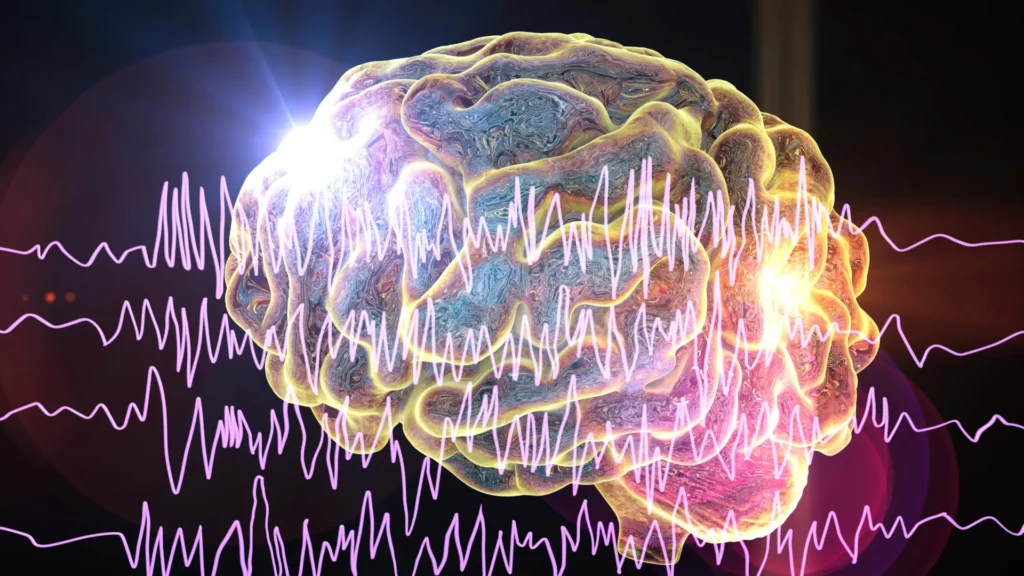
Dravet syndrome, first identified by French epileptologist Dr. Charlotte Dravet in 1978, is a rare and severe form of genetic epilepsy that typically manifests in the first year of life. Affecting approximately 1 in 15,700 to 1 in 21,000 live births globally, it is characterized by frequent, prolonged, and often drug-resistant seizures, including tonic-clonic, myoclonic, and atypical absence seizures, often triggered by fever or heat. The primary genetic culprit in about 80% of cases is a de novo mutation in the SCN1A gene, which encodes the alpha-1 subunit of a voltage-gated sodium channel (NaV1.1) predominantly found in inhibitory interneurons in the brain.
Beyond the relentless seizure burden, Dravet syndrome is associated with a spectrum of severe neurodevelopmental challenges that evolve over time. These include intellectual disability (ranging from mild to severe), autism spectrum disorder features, ataxia (coordination difficulties), behavioral problems such as hyperactivity and aggression, sleep disorders, and chronic feeding difficulties. Patients also face an elevated risk of Sudden Unexpected Death in Epilepsy (SUDEP), contributing to a significantly reduced life expectancy. For many families, the journey through diagnosis is long and arduous, often involving multiple failed drug regimens and a profound impact on family dynamics and caregiver burden. Existing anti-epileptic medications, while numerous, frequently fail to provide adequate seizure control for Dravet patients, and crucially, none of the currently approved therapies directly address the progressive cognitive and behavioral impairments inherent to the disorder. This significant unmet medical need underscores the profound potential impact of a therapy like zorevunersen, which targets the disease’s root cause.
The Precision of Zorevunersen: Targeting the SCN1A Gene
Zorevunersen, developed by Stoke Therapeutics in collaboration with Biogen, represents a pioneering stride in gene-targeted therapy. Its mechanism of action directly confronts the genetic anomaly at the heart of Dravet syndrome. In healthy individuals, two copies of the SCN1A gene work in concert to produce sufficient levels of the NaV1.1 protein, essential for the proper functioning of nerve cells, particularly inhibitory interneurons. In individuals with Dravet syndrome, one copy of the SCN1A gene carries a pathogenic mutation (typically a loss-of-function mutation), leading to haploinsufficiency—meaning only one functional copy of the gene remains, which cannot produce enough of the vital NaV1.1 protein. This deficit disrupts the delicate balance of neuronal excitability, leading to hyperexcitability and the characteristic severe seizures.
Zorevunersen is an antisense oligonucleotide (ASO) therapy, a class of drugs designed to modulate gene expression. Unlike gene editing therapies, ASOs do not alter the DNA sequence. Instead, zorevunersen works by binding to messenger RNA (mRNA) produced from the healthy copy of the SCN1A gene. This binding enhances the production of the NaV1.1 protein from the intact gene, thereby increasing overall protein levels in the brain. By boosting the production of this critical protein, the therapy aims to restore more normal function in inhibitory nerve cells, re-establishing the proper balance of neuronal activity and consequently reducing seizure susceptibility. This targeted approach represents a significant paradigm shift from symptom management to a potentially disease-modifying intervention.
Clinical Trial Design and Compelling Results
The latest encouraging findings originate from a series of initial clinical trials and subsequent follow-up extension studies, collectively involving 81 children with Dravet syndrome across various sites in the United Kingdom and the United States. These early-phase studies were meticulously designed with a primary focus on evaluating the safety and tolerability of zorevunersen in a pediatric population. Beyond safety, researchers also rigorously monitored key secondary endpoints, including the therapy’s impact on seizure frequency, cognitive function, behavior, and overall quality of life.
Participants in the initial trial ranged in age from two to 18 years. Prior to initiating treatment, these children experienced an alarming average of 17 seizures per month, underscoring the severe and refractory nature of their condition. Zorevunersen was administered via lumbar puncture, a procedure delivering the medication directly into the cerebrospinal fluid (CSF) to ensure its distribution throughout the central nervous system, bypassing the blood-brain barrier. Doses ranged up to 70mg. Some children received a single dose, while others were given additional doses two or three months later during an initial six-month treatment period.
Following the initial phase, a significant majority—75 of the children—transitioned into extension studies, where they continued to receive the medication at a regular interval of every four months. The efficacy data from these extension studies proved particularly compelling. Among those who received the 70mg dose during the first stage of the trial, seizure frequency plummeted by between 59 percent and an remarkable 91 percent during the first 20 months of the extension studies, when compared to the baseline seizure frequency recorded before treatment initiation. This sustained and substantial reduction in seizure burden highlights the therapy’s profound potential.
Voices from the Front Lines: Researchers and Advocates
Professor Helen Cross, the lead author of the study and a distinguished Director and Professor of Childhood Epilepsy at the UCL Institute of Child Health, as well as an Honorary Consultant in Paediatric Neurology at Great Ormond Street Hospital (GOSH), articulated the profound impact of these findings. "I regularly see patients with hard-to-treat genetic epilepsies with impacts that go beyond seizures, and it’s heart-breaking when treatment options are limited," Professor Cross remarked. Her statement underscores the clinical urgency and the emotional toll exacted by conditions like Dravet syndrome on both patients and their caregivers. "This new treatment could help children with Dravet syndrome lead much healthier and happier lives." Her cautious optimism reflects the scientific community’s excitement for targeted therapies that promise not just symptomatic relief but a fundamental shift in disease trajectory. "Overall, our findings showed that zorevunersen is safe to use and well tolerated by most patients and supports further evaluation in the ongoing Phase Three study," she added, emphasizing the robustness of the early safety data.
The sentiment of hope was echoed by patient advocacy groups. Galia Wilson, Chair of Trustees for Dravet Syndrome UK, articulated the desperate need within the patient community. "We regularly see the devastating impact that this condition has on the lives of families," Wilson stated, highlighting the relentless daily challenges faced by caregivers and the profound disruption to family life. "That’s why we’re so thrilled about these latest results from the initial zorevunersen clinical trials." Her organization has been a crucial voice in advocating for research and support, making these findings particularly resonant. "We’re now looking forward to the Phase Three clinical trials taking place to see if the early promise we see here will translate into real hope for all those families currently affected by Dravet Syndrome." This anticipation underscores the critical juncture at which the therapy stands, poised to potentially deliver transformative change.
A Glimmer of Hope: Patient Perspectives
The tangible impact of zorevunersen is perhaps best illustrated through the individual stories of children like Freddie, an eight-year-old patient from Huddersfield, who receives care through Sheffield Children’s NHS Foundation Trust. Freddie’s participation in the trial began in 2021, and the subsequent changes in his seizure pattern were nothing short of dramatic. Prior to treatment, Freddie would experience more than a dozen seizures during the night, a common and terrifying reality for families managing Dravet syndrome. After starting zorevunersen, his seizure frequency plummeted to just one or two brief seizures, lasting mere seconds, occurring every three to five days. This profound reduction not only lessens the immediate danger but also vastly improves sleep quality for both Freddie and his family, a critical factor in overall well-being and development.
Freddie’s mother, Lauren, shared her heartfelt experience, encapsulating the life-altering potential of the therapy. "The trial has completely changed our lives. We now have a life we didn’t ever think was possible, and most importantly, it’s a life that Freddie can enjoy." Her words resonate with thousands of families globally who navigate the immense physical, emotional, and financial burdens of Dravet syndrome. The ability for a child to experience fewer seizures translates directly into greater opportunities for learning, social interaction, and simply living a more normal childhood—a hope that has long eluded many in the Dravet community.
The Road Ahead: Phase 3 and Regulatory Pathways
The encouraging results from these initial trials have paved the way for a larger, pivotal Phase Three clinical trial, which is currently underway. This larger study is designed to further evaluate the drug’s efficacy and safety in a broader patient population, gather more extensive long-term data, and provide the comprehensive evidence required for regulatory submissions. Successful completion of the Phase Three trial is a critical step towards seeking marketing approval from regulatory bodies such as the U.S. Food and Drug Administration (FDA) and the European Medicines Agency (EMA). The development of orphan drugs for rare diseases like Dravet syndrome often receives expedited review pathways, reflecting the high unmet medical need.
The clinical trials involved a collaborative network of esteemed medical institutions. Nineteen participants were treated at hospitals across the United Kingdom, including the renowned Great Ormond Street Hospital, Sheffield Children’s Hospital, Evelina London Children’s Hospital, and The Royal Hospital for Children in Glasgow. At GOSH, the study was conducted within the National Institute of Health and Care Research’s Clinical Research Facility, a specialized center dedicated to facilitating experimental clinical trials, particularly those involving children. This robust infrastructure and multi-center approach are vital for generating high-quality, generalizable data.
Broader Implications for Genetic Therapies and Rare Diseases
The success of zorevunersen holds significant broader implications beyond Dravet syndrome. It reinforces the growing promise of gene-targeted therapies, particularly antisense oligonucleotides, in addressing a range of neurological and rare genetic disorders. This approach represents a paradigm shift from broad-spectrum symptom management to precision medicine, where treatments are tailored to the specific molecular defect underlying a disease. The demonstrated safety and efficacy in a pediatric population are particularly encouraging, as developing treatments for children presents unique challenges and ethical considerations.
Should zorevunersen gain regulatory approval, it could set a precedent for the development of similar gene-modulating therapies for other SCN1A-related disorders or even other forms of genetic epilepsy. It also highlights the critical role of academic-industry partnerships in translating groundbreaking scientific discoveries into tangible clinical solutions. While challenges remain, including ensuring equitable access to such specialized and potentially high-cost therapies, the initial findings for zorevunersen offer a beacon of hope, not only for the Dravet syndrome community but for the broader field of rare disease research and treatment. The journey from initial research to widespread patient benefit is long, but these results mark a monumental step forward in providing meaningful, disease-modifying options for children who desperately need them.