




The recent launch of author Cal Newport’s MasterClass course, titled "Rebuild Your Focus & Reclaim Your Time," not only provides insights into productivity but also serves as a potent case study for the escalating production values in online educational and entertainment content. This development, rooted in Newport’s acclaimed books Slow Productivity and Deep Work, has brought into sharp focus the increasingly blurred lines between independent digital media and traditional, high-budget legacy productions, hinting at a transformative future for how content is created, distributed, and consumed.
The Launch of a New Productivity MasterClass
Cal Newport, a prominent voice in the discourse on technology, focus, and productivity, officially launched his MasterClass course last week. The curriculum is primarily derived from the principles outlined in his bestselling book, Slow Productivity, augmented with concepts from his earlier influential work, Deep Work. The course aims to equip individuals with strategies to navigate the distractions of the modern digital age, helping them regain control over their attention and optimize their time. As Newport himself noted, the course delves into core topics frequently explored in his newsletter, addressing the intricate intersection of technology and personal effectiveness. The decision to partner with MasterClass, a platform renowned for its high-quality instructional content delivered by world-class experts, underscores the premium nature of the offering and its commitment to a polished, professional learning experience.
Unparalleled Production: The MasterClass Standard
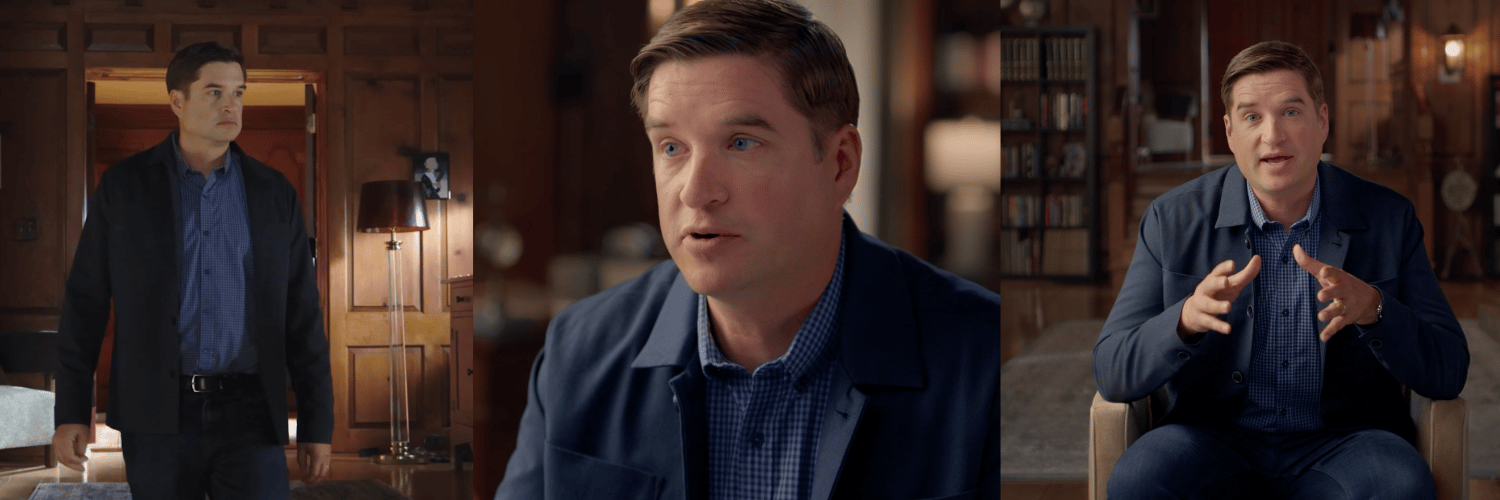
Newport’s experience filming with MasterClass highlighted a significant differentiator in the current media landscape: its exceptionally high production values. While many contemporary digital content creators, including major video podcasts hosted by figures like Mel Robbins, Andrew Huberman, and Rich Roll, have adopted sophisticated setups featuring multiple cameras, diffused lighting, and professional-grade sets, MasterClass operates on an entirely different scale. The platform employs crews typically associated with high-end television or feature film productions.
A MasterClass set is a microcosm of a major studio production. It involves a dedicated director overseeing the creative vision, a cinematographer meticulously crafting the visual aesthetic, and multiple camera operators working in concert, often alongside specialized focus pullers to ensure pristine image clarity. This core team is supported by gaffers, who manage lighting, and grips, who handle rigging and camera support, all coordinated by a team of production assistants. Even the seemingly minor detail of a makeup artist speaks volumes about the caliber of production; Newport noted his makeup artist had recently worked on a dramatic series like Sinners, indicating a cross-pollination of talent from traditional entertainment into the online educational sphere. This level of meticulousness ensures that each MasterClass lesson delivers not just valuable content but also an immersive, visually captivating experience, mirroring the aesthetic quality expected from premium cable or streaming dramas rather than typical online tutorials. For Newport, a seasoned writer and occasional guest on morning shows and cable news, the experience was akin to starring in a dramatic series, a testament to the cinematic quality MasterClass strives for.
The Evolving Landscape of Visual Media: Bridging the Quality Gap
This dichotomy in production quality between what Newport terms "independent video" (e.g., typical YouTube content) and "legacy video" (e.g., content produced for major streaming platforms or linear television) has historically been a critical determinant of perceived value and monetization models. Consumers have long been conditioned to expect and pay for the polished aesthetic of traditional television and film, readily subscribing to platforms like Netflix. Conversely, content exhibiting lower production values, even if equally informative or entertaining, has largely been relegated to ad-supported, general-use platforms such as YouTube, where the barrier to entry for creators is minimal.
However, this traditional quality gap is rapidly diminishing, heralding a significant shift in the online media ecosystem. MasterClass exemplifies this trend, achieving production values on par with streaming giants without being funded by a traditional television studio or a multi-billion dollar streaming service conglomerate. This indicates a growing accessibility of high-end production capabilities to entities operating outside the legacy media establishment. Advances in camera technology, more sophisticated and affordable editing software, enhanced lighting solutions, and the increasing availability of freelance production talent capable of executing complex shoots are all contributing factors. This democratization of production tools empowers independent video producers to elevate their content to previously unattainable professional standards.
The Rise of the "Micro-Streamer": Dropout TV as a Pioneer
A compelling glimpse into this near future is offered by Dropout TV, an online platform that Newport highlights as a fascinating prototype. Stylized as :Dropout, this service functions as a comedy streaming platform, available for a monthly subscription fee of $6.99. What makes Dropout particularly noteworthy is its commitment to producing original, unscripted shows at a quality level virtually indistinguishable from popular Netflix programs such as Is it Cake? or Nailed It! This immediately places it in direct competition, in terms of production quality, with content from significantly larger and more heavily funded entities.
The genesis of Dropout TV provides crucial context for its innovative model. It originated from CollegeHumor.com, a popular humor website that gained significant traction in the early 2000s. With the ascendancy of YouTube, CollegeHumor pivoted much of its content creation efforts to the platform, leveraging its vast audience reach. However, the inherent frustrations of relying on a third-party algorithm for discoverability and the unpredictable whims of advertisers led CollegeHumor to seek greater autonomy. This strategic shift culminated in the launch of its own subscription application, allowing the creators to directly monetize their content and build a more stable, dedicated audience base. Today, Dropout TV boasts an impressive subscriber count exceeding one million, demonstrating the viability of this model. This success story illustrates that a niche audience, combined with high-quality production and a direct-to-consumer approach, can create a sustainable and profitable media venture outside the traditional framework of advertising or venture capital behemoths.
Defining the Micro-Streamer Phenomenon
Newport’s coinage of the term "micro-streamer" accurately captures this emerging market segment. A micro-streamer is defined by two key characteristics: the delivery of programming that meets "legacy-quality" production standards and a strategic focus on a specific, often niche, audience. Unlike broad-appeal streaming services like Netflix, Disney+, or HBO Max, which aim to capture diverse demographics with a wide array of genres, micro-streamers thrive by catering to highly engaged, specialized communities. This targeted approach allows them to cultivate deep loyalty and justify a direct subscription model, even with a smaller overall subscriber base compared to the industry giants.
The business model of micro-streamers contrasts sharply with the traditional media landscape. While major studios invest hundreds of millions, if not billions, into content libraries and global distribution networks, micro-streamers demonstrate that significant capital is not always a prerequisite for producing premium-quality content. Their operational efficiency often stems from a leaner structure, a deep understanding of their target demographic, and a willingness to experiment with content formats that resonate strongly with their core audience. This nimble approach, combined with direct subscriber revenue, offers a more predictable and often more equitable economic model for creators.
Implications for the Creator Economy and Traditional Media
The rise of micro-streamers carries profound implications for both the burgeoning creator economy and the established media industry.
For the Creator Economy: This trend empowers independent creators to bypass the often-restrictive and unpredictable algorithms of mass-aggregation platforms like YouTube. By establishing their own subscription services, creators gain greater control over their content, their audience relationship, and their revenue streams. This shift from ad-revenue dependency to direct subscriber support offers increased financial stability and creative freedom, allowing creators to produce content tailored specifically for their most dedicated fans rather than optimizing for broad appeal or algorithmic visibility. It also fosters a more direct and intimate connection between creators and their communities, reinforcing the value proposition of niche content. This model could see a proliferation of specialized platforms, offering everything from advanced culinary techniques with cinematic flair to in-depth historical documentaries produced with feature-film quality.
For Traditional Media: The emergence of micro-streamers presents both a challenge and a potential source of innovation. Traditional streaming services, with their vast content libraries and substantial budgets, may face increased competition for niche audiences and, more importantly, for top-tier creative talent. As high-quality production becomes more accessible, talented directors, cinematographers, writers, and performers may find attractive opportunities within the micro-streamer space, drawn by creative control and direct connection to an appreciative audience, rather than being solely reliant on large studio projects. This could lead to a fragmentation of the audience, as consumers increasingly opt for specialized platforms that cater precisely to their interests, potentially impacting the subscriber growth and retention of general-purpose streamers. Conversely, it could also push traditional media to further refine their offerings, focus on truly blockbuster content, or even acquire successful micro-streamers to diversify their portfolios.
Technological Drivers: The underlying technological advancements cannot be overstated. The evolution of digital cinema cameras, professional audio equipment, and sophisticated editing software (often cloud-based and more affordable) has dramatically lowered the barrier to entry for achieving broadcast-quality visuals and sound. Furthermore, the internet infrastructure itself, with faster broadband speeds and more efficient content delivery networks (CDNs), supports the seamless streaming of high-definition video to a global audience. This technological backbone is what makes the micro-streamer model economically feasible and technically robust.
Economic Models and Audience Fragmentation: The success of micro-streamers also raises questions about "subscription fatigue." As consumers are presented with an ever-increasing array of subscription options, their willingness to pay for multiple services might reach a saturation point. However, the appeal of highly specialized, high-quality content for a dedicated audience could prove resilient. Consumers might be willing to pay for a few core, broad-appeal streaming services alongside several niche micro-streamers that deeply align with their specific passions, viewing these as investments in their interests rather than just another monthly bill. This suggests a future where the media consumption landscape is highly fragmented, yet incredibly rich in its diversity and specificity.
Looking Ahead: A Fragmented Yet Richer Media Ecosystem
The trajectory suggested by Cal Newport’s MasterClass experience and the success of platforms like Dropout TV points toward a future where the distinction between "independent" and "legacy" media production is increasingly irrelevant in terms of visual quality. As the tools and talent required for high-end video become more ubiquitous and affordable, more independent creators and niche content producers will likely move away from reliance on mass-aggregation platforms. They will instead offer targeted, subscription-based content, creating a vibrant ecosystem of micro-streamers that directly compete with, and often complement, the major streaming players.
This paradigm shift promises a more diverse, creator-driven, and audience-centric media landscape. It heralds an era where content quality, passion, and community building, rather than just massive budgets or algorithmic virality, will increasingly define success. While a "Deep Life TV app" might remain a speculative future vision, the current trends unequivocally indicate a significant and lasting transformation in how we consume and value online video content, moving towards a model that prioritizes quality, specificity, and direct engagement.