


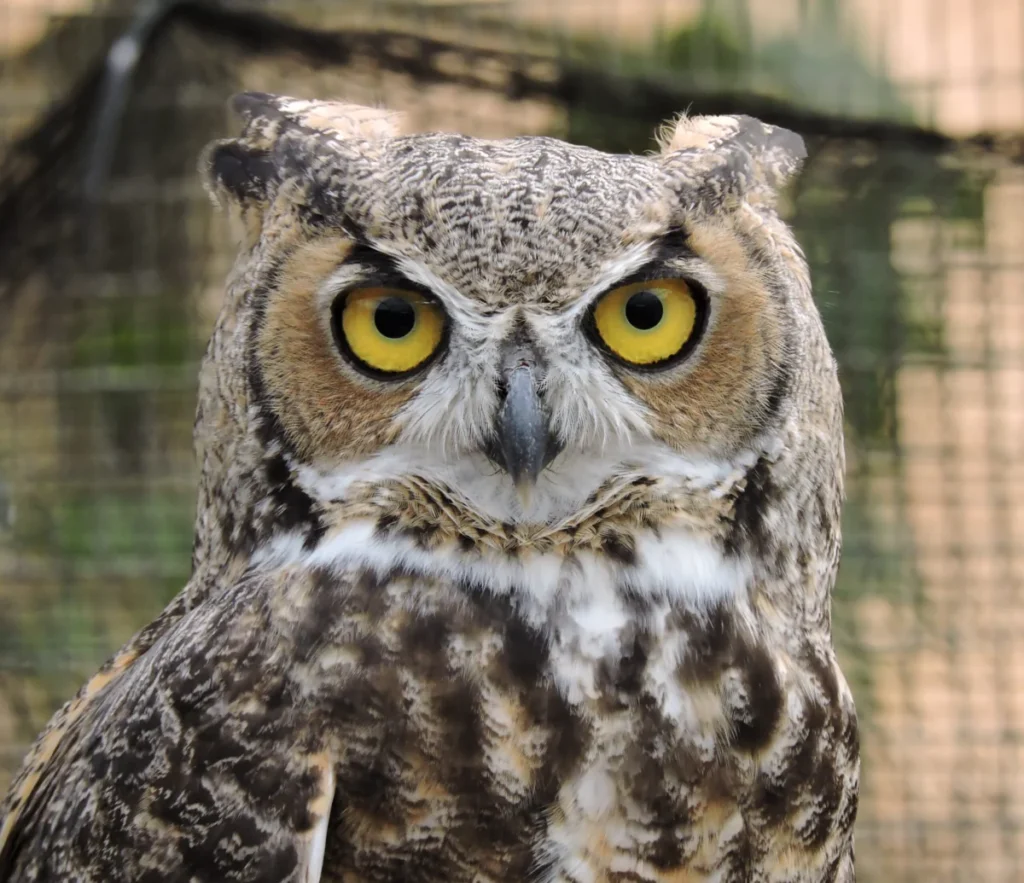
The Stanislaus Wildlife Care Center in central California recently admitted two young great-horned owls (Bubo virginianus) after they were discovered in a vulnerable location, highlighting the complex intersection of urban development and avian reproductive cycles. The chicks, estimated to be between four and five weeks old, were found on a local soccer field—an environment that, while open, poses significant risks from human activity, domestic pets, and lack of adequate cover. Upon arrival at the facility, the veterinary and biological staff implemented a "hands-off" examination protocol, a specialized diagnostic technique designed to assess the health of raptors while minimizing the physiological stress associated with human handling.
The decision to intervene was necessitated not by injury, but by the specific location of the find. According to Donna Burt, a biologist and the founder and executive director of the Stanislaus Wildlife Care Center, great-horned owls possess a natural behavioral trait where the young "jump" or "branch" out of the nest well before they are capable of sustained flight. In a wilderness or protected forest setting, this behavior is a standard part of their development, as parents continue to provide food and protection to the chicks on the ground or in low-lying brush. However, the presence of these two owlets on a high-traffic soccer field rendered them incapable of natural maturation without human interference.
Clinical Observations and the Hands-Off Diagnostic Approach
The initial assessment of the two owlets focused on ethological markers and physical posture. In the realm of wildlife rehabilitation, the "hands-off" exam is considered the gold standard for initial triage of sensitive species. By observing the birds from a distance or through one-way viewing ports, practitioners can identify neurological deficits, respiratory distress, or musculoskeletal issues that might be masked by the "fright-flight" response during physical restraint.
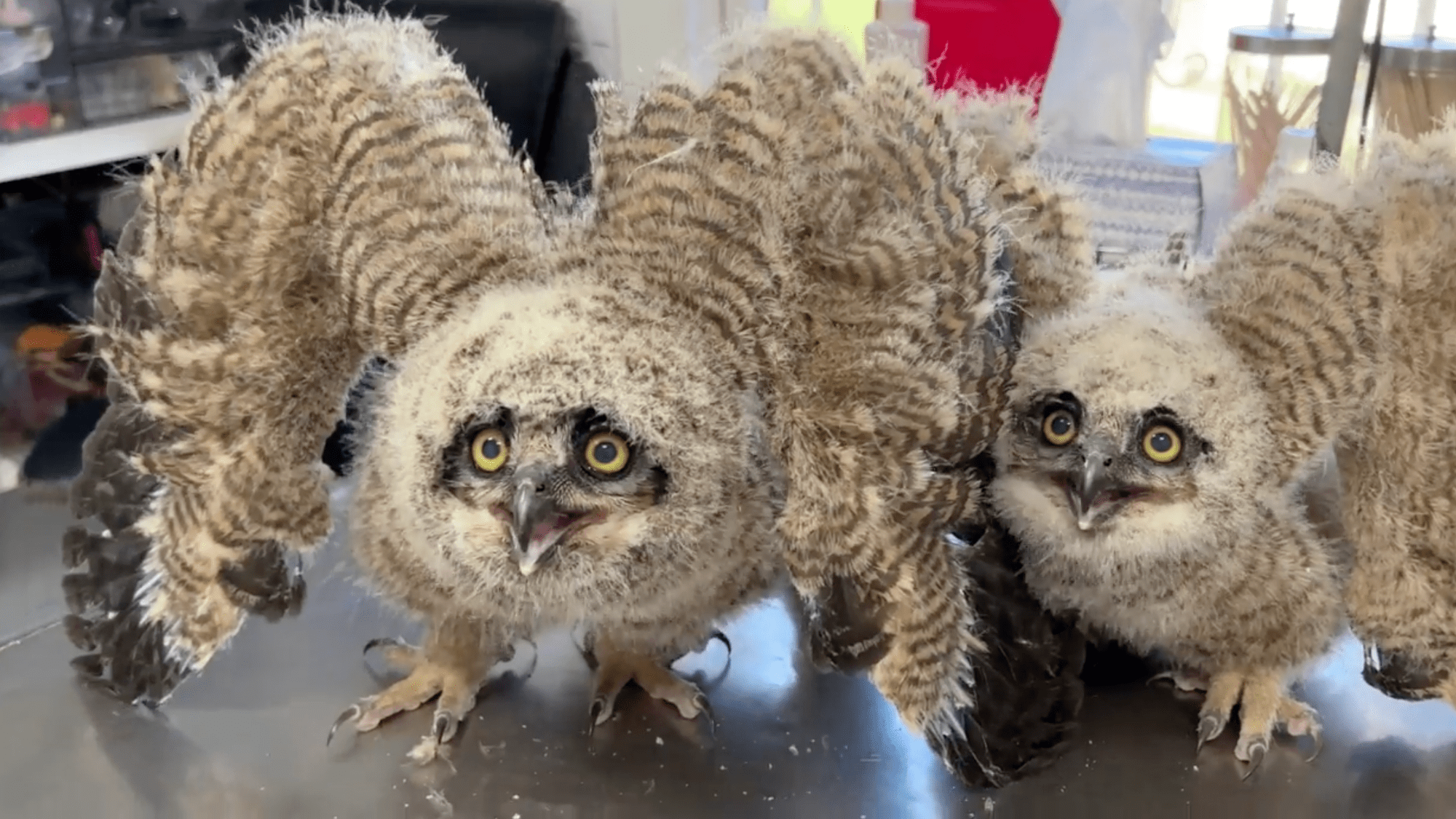
During this specific exam, the staff noted distinct behavioral differences between the two siblings. The owl on the left demonstrated the ability to stand fully on its feet, showing strong muscle tone and alertness. Conversely, the owl on the right exhibited "hock sitting," a posture where the bird sits back on its legs. While this might appear concerning to a layperson, clinicians at the center confirmed that hock sitting is a developmentally appropriate action for owls of this age group, whose skeletal structures are still hardening to support their eventual adult weight.
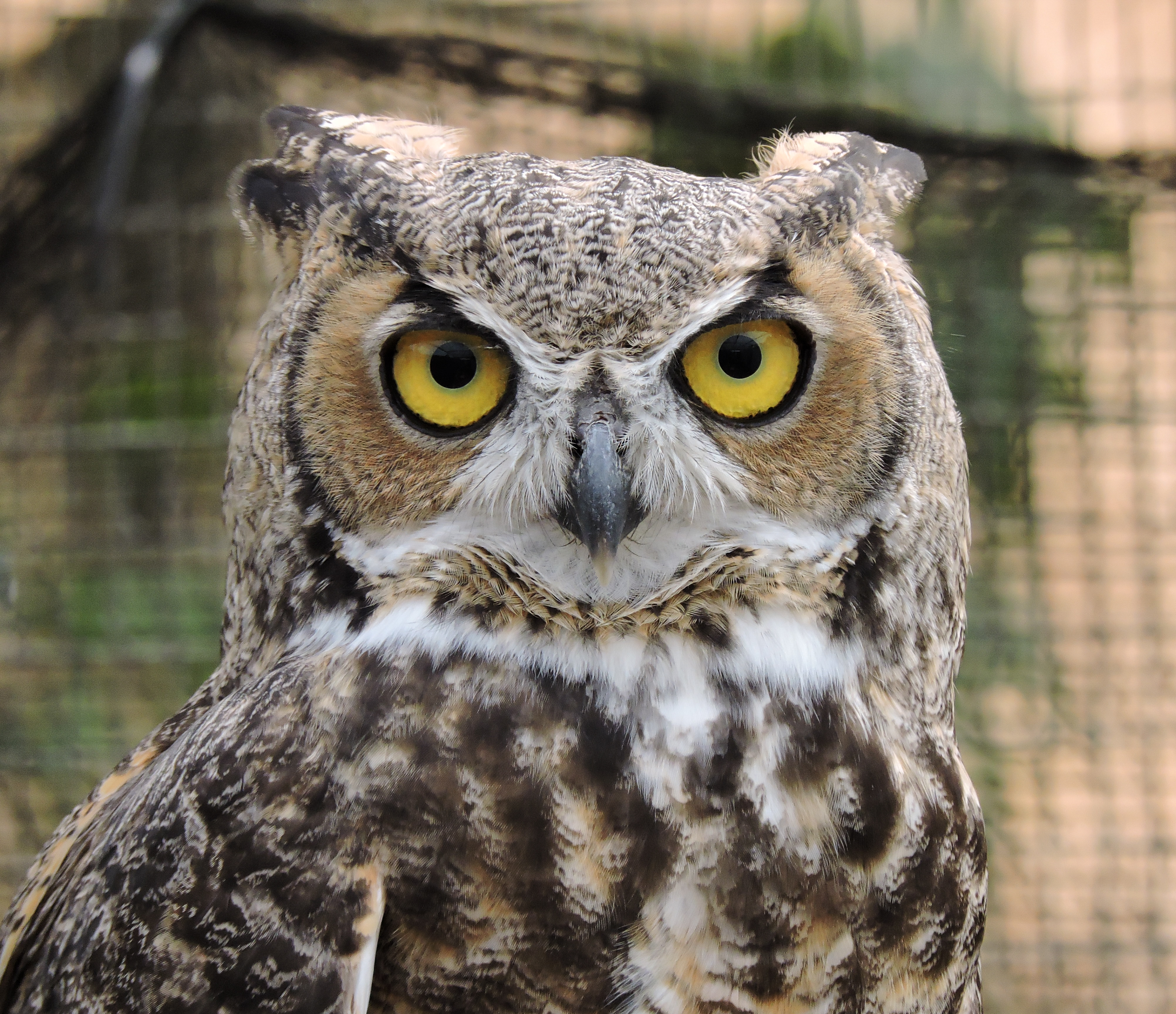
Furthermore, both birds displayed robust defensive mechanisms. When approached by staff, the owlets snapped their beaks and spread their wings in a classic "threat display." These actions are vital indicators of health, suggesting that the birds possess the necessary instincts and energy reserves to defend themselves. The staff also monitored the birds’ ocular health, noting a slight cloudiness in the eyes. This was identified as a normal physiological trait for young Bubo virginianus, which clears as the birds mature. The owlets also demonstrated the use of their upper eyelids to blink—a movement that, in owls, often serves as a secondary threat display intended to intimidate perceived predators.
The Developmental Milestones of Bubo Virginianus
The great-horned owl is one of the most resilient and widely distributed raptors in North America, but its reproductive timeline is uniquely demanding. The Stanislaus Wildlife Care Center reports that great-horned owls are consistently the first "patients" of the spring season. The biological clock for these apex predators begins in the late autumn; pairs typically commence their vocal courtship rituals in November. By late January or early February, females begin laying eggs, often utilizing the abandoned nests of red-tailed hawks, crows, or squirrels, as great-horned owls do not build their own nests.
The eggs hatch in March or April, leading to a rapid growth phase. A chick that hatches at just a few ounces will reach its full adult size—typically weighing between 2.5 and 4.5 pounds with a wingspan of up to five feet—by the time it is 10 weeks old. Despite this rapid physical growth, the transition to independence is slow. The "branching" phase, which the two rescued owlets are currently navigating, occurs when the chicks are too large for the nest but not yet flight-ready. They will remain under the watchful eye of their parents, and eventually the care center staff, until the fall, when they finally disperse to find their own territories.
Strategic Use of Surrogate Owls in Rehabilitation
One of the most critical components of the Stanislaus Wildlife Care Center’s protocol is the prevention of "imprinting." Imprinting is a cognitive process where a young animal identifies with the first social contact it encounters—in a rehabilitation setting, this is often a human. An imprinted owl loses its natural fear of people and fails to develop the social cues necessary to interact with its own species, effectively making it un-releasable into the wild.
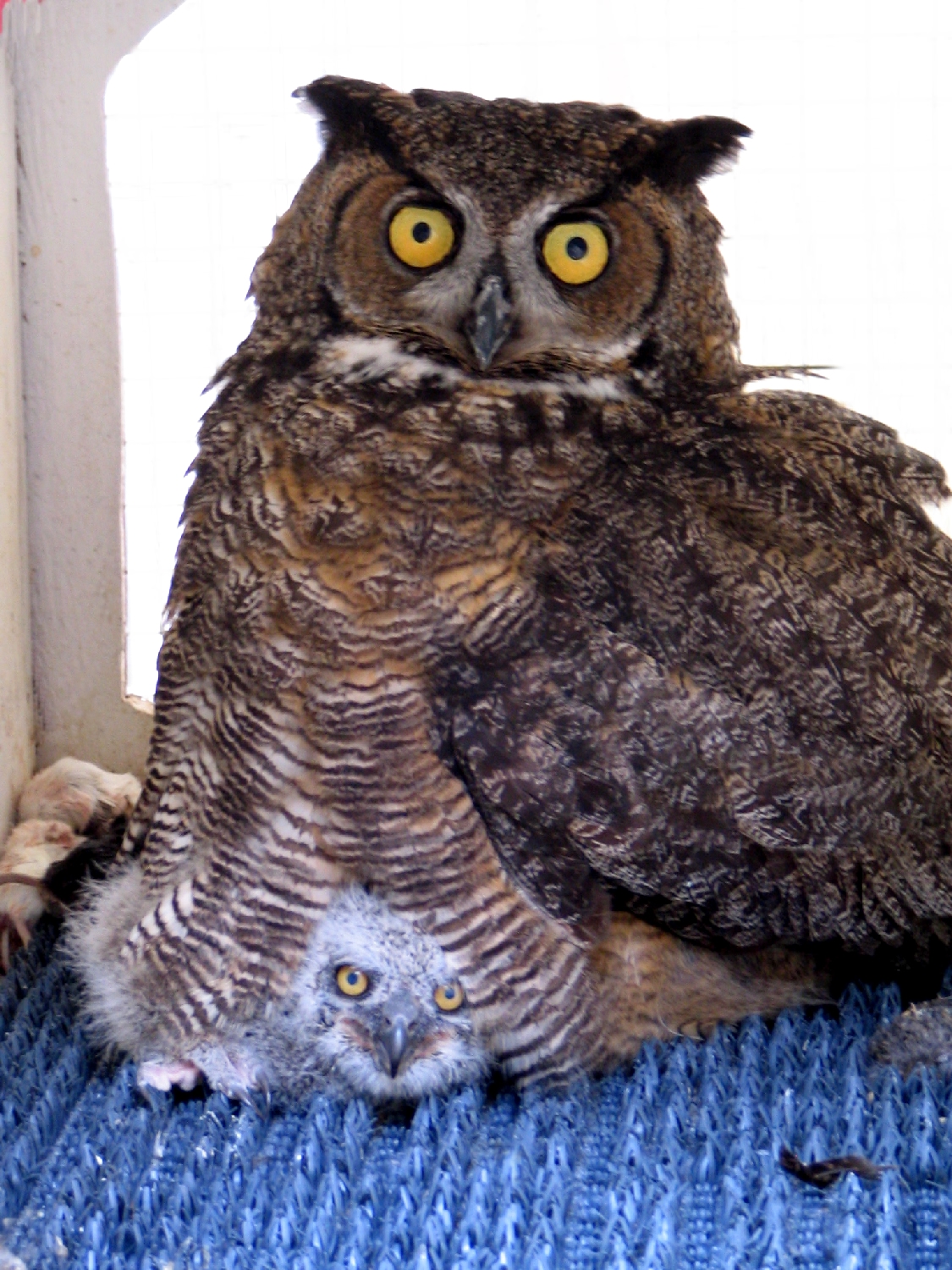
To combat this, the center utilizes non-releasable "surrogate" owls to raise orphaned or displaced chicks. These adult surrogates are birds that, due to permanent injuries sustained in the past, cannot survive in the wild but have maintained their parental instincts. "When we get tiny baby great-horns, we put them with a non-releasable surrogate owl who cares for and feeds them," Burt explained. This system ensures the chicks grow faster and develop normal behaviors. While the instinct for human caregivers is to hand-feed "fluffballs," Burt emphasizes that the surrogate system is in the best interest of the birds’ long-term survival.
The two soccer-field owlets are currently at a stage where they can eat independently, reducing the need for direct surrogate feeding, but they still benefit from the social presence of an adult owl. They are currently being housed in a controlled environment until they reach the 10-week flight milestone. Once they demonstrate the ability to fly, they will be moved to the center’s massive flight aviaries, which range from 50 to 100 feet in length. These structures allow the birds to build the pectoral muscle strength and hunting coordination required for life in the wild.
Urban Encroachment and the Hazards of the Branching Phase
The rescue of these owls underscores a growing trend in wildlife management: the "urban owl" phenomenon. As natural habitats in California’s Central Valley are converted into residential and recreational spaces, great-horned owls have proven remarkably adaptable, often nesting in suburban parks and schoolyards. However, this adaptability creates a "trap" during the branching phase.
In a natural forest, a grounded owlet can climb leaning trunks using its talons and beak or hide in dense undergrowth. In a soccer field, there is no cover. The birds are exposed to extreme heat from the sun, potential strikes from athletic equipment, and harassment by off-leash dogs. The Stanislaus Wildlife Care Center notes that while their policy is generally to leave healthy baby birds alone, the specific hazards of the soccer field environment made the "rescue" a biological necessity.
Identifying Avian Distress: Guidelines for Public Intervention
The Stanislaus Wildlife Care Center has issued a set of guidelines for the public to help distinguish between a bird that is undergoing a natural developmental stage and one that is in genuine distress. This distinction is vital because "kidnapping" healthy fledglings from their parents is a common mistake made by well-meaning citizens.
Healthy fledglings typically:
- Appear bright-eyed and alert.
- Are capable of hopping or fluttering.
- Are being watched by parents nearby (though the parents may hide when humans are present).
- Have mostly adult feathers with some downy fluff remaining.
Birds in need of rescue typically:
- Are cold to the touch or shivering.
- Have visible blood or drooping wings.
- Have been in the mouth of a cat or dog (even if no wounds are visible, bacteria from saliva can be fatal).
- Are covered in flies or ants.
- Are found in a dangerous location where they cannot be moved to a nearby safe spot.
The center advises that if a bird appears clean and healthy, it should be left alone or moved to a nearby branch. If an injury is suspected, the public is urged to contact local animal control or a licensed wildlife rescue center immediately rather than attempting to provide home-based care, which is often illegal under the Migratory Bird Treaty Act.
Broader Impact and Implications for Biodiversity
The successful rehabilitation and eventual release of these two great-horned owls contribute to the broader stability of the local ecosystem. As apex predators, great-horned owls play a fundamental role in controlling populations of rodents, skunks, and even other birds of prey. Their presence is a hallmark of a functioning food web.
Furthermore, the work conducted at the Stanislaus Wildlife Care Center provides valuable data for ornithologists. By tracking the success rates of surrogate-raised owls versus those raised in different environments, researchers can refine conservation strategies for more endangered raptor species. The center’s commitment to a "hands-off" approach and the use of large-scale flight aviaries represents the cutting edge of wildlife medicine, ensuring that when these two owls finally leave the facility this fall, they do so with the strength and instincts necessary to thrive in the California wilderness.
The story of the soccer-field owls serves as a reminder of the delicate balance required to co-exist with wildlife in an increasingly developed world. Through professional intervention and public education, organizations like the Stanislaus Wildlife Care Center ensure that even when nature "jumps" into the middle of a human environment, it has a path back to the wild.