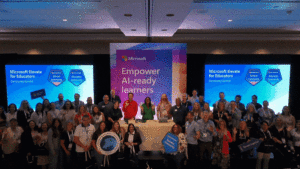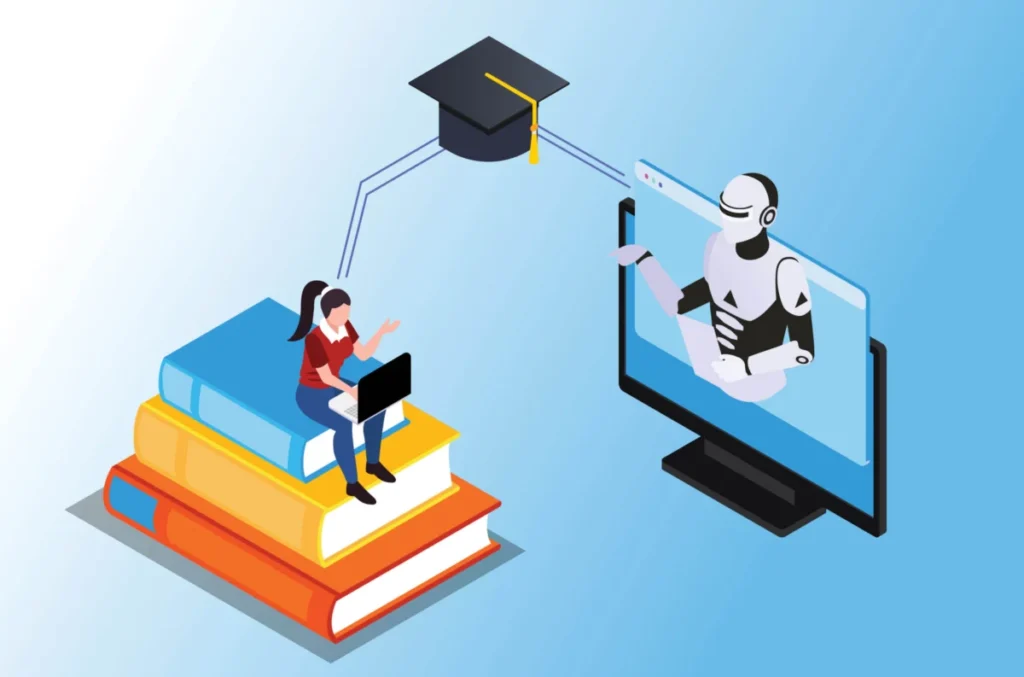


The landscape of global education is undergoing a fundamental shift as Microsoft announces a comprehensive suite of AI-powered experiences specifically engineered for the academic sector. This initiative, which includes the introduction of specialized tools for educators and students at no additional cost, alongside a new academic-specific pricing tier for Microsoft 365 Copilot, represents one of the most significant technological interventions in the classroom since the advent of the personal computer. By integrating generative AI directly into the workflows of teaching and learning, the technology giant aims to address the dual challenges of educator burnout and student engagement while preparing the next generation for an increasingly automated workforce.
The announcement comes at a critical juncture for the education sector. According to the 2025 AI in Education Report, more than 80% of respondents have already integrated AI into their school-related activities, suggesting that the "early adopter" phase of generative AI has concluded, giving way to a period of mass institutional integration. However, while usage is high, many educators have expressed concerns regarding the lack of purpose-built tools that respect pedagogical standards and student privacy. Microsoft’s latest offerings appear designed to bridge this gap by moving beyond general-purpose chatbots toward specialized "agents" grounded in learning science.
A Chronology of AI Integration in the Academic Sphere
To understand the magnitude of today’s announcement, it is necessary to view it within the broader timeline of educational technology. The integration of AI in schools has moved with unprecedented speed over the last 24 months. Following the public release of large language models in late 2022, school districts initially reacted with a mixture of caution and restriction. However, by mid-2023, the narrative shifted toward "AI literacy," as institutions realized that banning the technology was neither practical nor beneficial for student outcomes.
Throughout 2024, Microsoft piloted various iterations of its Copilot software within higher education and K-12 environments. The data gathered from these pilot programs—ranging from Fulton County Schools to Babson College—informed the development of the specific features announced today. This timeline culminates in the scheduled December 2025 rollout of the new academic offering for Microsoft 365 Copilot, signaling a long-term commitment to making high-level AI tools economically viable for educational institutions.
Empowering the Frontline: The Introduction of "Teach"
At the heart of the new educator-centric tools is "Teach," a specialized interface within the Microsoft 365 Copilot app. Designed to streamline the administrative and preparatory burdens that often lead to teacher attrition, Teach allows educators to harness AI for complex curriculum development. The tool provides a centralized hub where teachers can generate comprehensive lesson plans, draft rubrics, and create quizzes with a few natural-language prompts.
A key differentiator for Teach is its focus on customization and alignment. Educators can modify AI-generated content to match specific reading levels, languages, and difficulty tiers. Crucially, the system allows for alignment with relevant state and national standards, ensuring that AI-assisted materials remain compliant with institutional requirements. Microsoft has confirmed that Teach is rolling out today at no additional cost for education customers, with future updates slated to include deep integrations with major Learning Management Systems (LMS). This move positions Microsoft as a direct competitor to specialized EdTech startups by offering these advanced capabilities as part of an existing ecosystem.

Student-Centered Innovation: The "Study and Learn" Agent
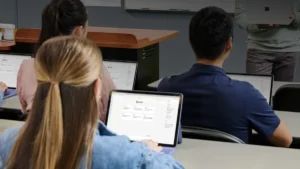
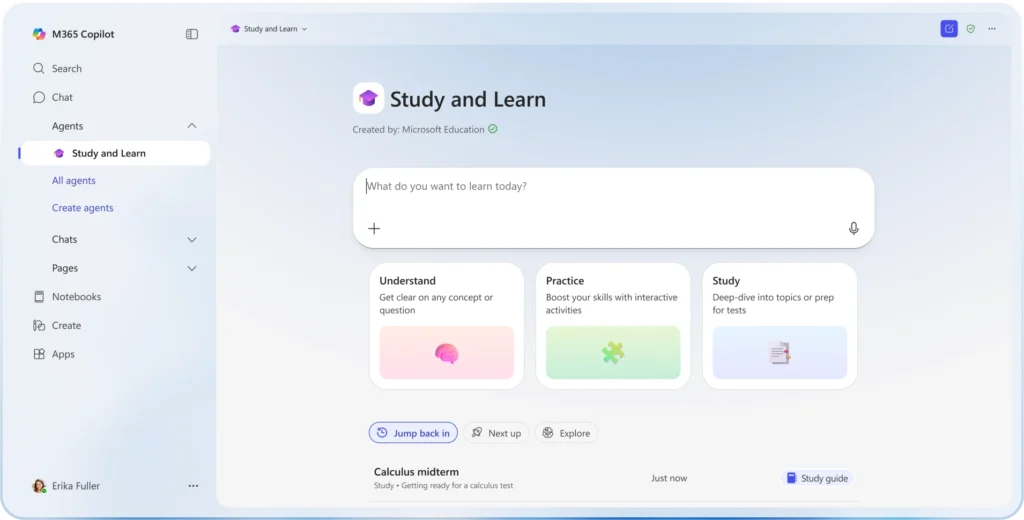
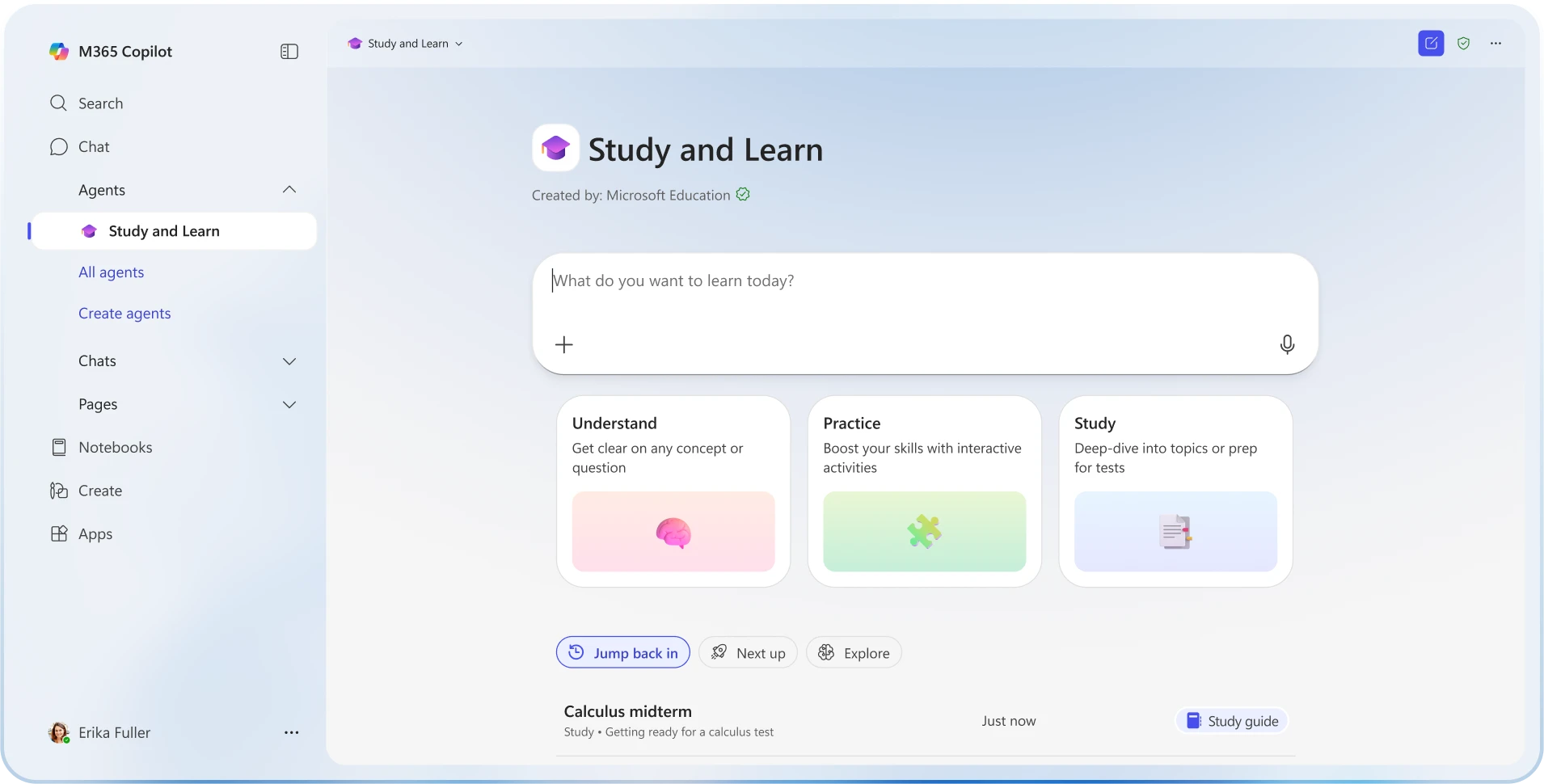
For students, the focus of Microsoft’s AI strategy has shifted from mere content generation to the nurturing of critical thinking skills. The "Study and Learn" agent, set to enter preview in November 2025, represents a departure from traditional "answer-engine" AI. Instead of simply providing the solution to a problem, the agent acts as an adaptive tutor.
Based on learning science principles, Study and Learn encourages students to engage in reflective thinking through activities such as flashcards, matching games, and fill-in-the-blank exercises. This "Socratic" approach to AI is intended to prevent the over-reliance on automation for homework completion, focusing instead on long-term skill acquisition. By offering this tool at no additional cost, Microsoft is effectively democratizing access to personalized tutoring, a resource that has historically been reserved for students from higher-income backgrounds.
Economic Accessibility: The New $18 Academic Offering
Recognizing that budget constraints are a primary barrier to technology adoption in schools, Microsoft has introduced a dedicated academic offering for Microsoft 365 Copilot. Priced at $18 per user per month for educators, staff, and students aged 13 and older, this tier represents a significant discount compared to commercial enterprise pricing.
Scheduled for availability in December 2025, this offering includes access to cutting-edge capabilities powered by GPT-5, the latest iteration of generative AI architecture. The package includes "Researcher" and "Analyst" agents, which are designed to assist in complex data synthesis and academic inquiry. Furthermore, the inclusion of the Copilot Control System addresses a primary concern for institutional leaders: data protection. The system ensures that institutional data remains within the school’s secure environment, preventing sensitive student and faculty information from being used to train public AI models.
Field Evidence and Institutional Reactions
The practical impact of these tools is already being documented across various global institutions. At Brisbane Catholic Education, Chief Information Officer Leigh Williams reported that educators participating in AI pilots saved an average of over nine hours per week on administrative and planning tasks. "Microsoft 365 Copilot has empowered our staff to focus on the reason they came into education—supporting student learning and personalizing education in ways that weren’t possible before," Williams stated.
Similar results were observed at the University of South Carolina, where 84% of users reported saving between one and five hours weekly. The time savings were not limited to administrative staff; professors noted an improvement in the quality of academic output, allowing them to dedicate more time to high-value research and student mentoring. In the realm of campus operations, the University of South Florida (USF) has utilized Microsoft’s agent-building capabilities to transform student services. USF’s IT team has developed custom agents for travel policies, help desks, and even interactive student handbooks for the College of Medicine.
Broader Implications for the Future of Pedagogy
The enrichment of Microsoft’s educational suite suggests a broader shift in the role of technology in the classroom. As AI takes over the "heavy lifting" of data synthesis and administrative drafting, the role of the educator is likely to evolve from a primary source of information to a facilitator of high-level discussion and emotional support.
However, the rapid integration of these tools also raises questions about the "digital divide." While Microsoft’s $18 offering is more accessible than previous tiers, the cost of universal adoption across large, underfunded public school districts remains a challenge. To mitigate this, Microsoft is highlighting its "Learning Accelerators," such as Reading Coach and Minecraft AI Foundations, many of which are available at no cost or through existing licenses.
Furthermore, the integration of Copilot into daily-use apps like Outlook, PowerPoint, and Teams—and eventually directly into LMS platforms like Canvas, Blackboard, and Moodle—suggests a future where AI is not a separate destination but a pervasive layer of the educational experience.
Analysis of Technical and Security Standards
A critical component of Microsoft’s announcement is the emphasis on Enterprise Data Protection (EDP). In an era where data privacy is a top priority for school boards and parents, Microsoft’s commitment to GPT-5-powered chat with IT-controlled security measures is a strategic move to build trust. Unlike consumer-grade AI tools, the academic version of Copilot is designed to adhere to the stringent privacy regulations governing student data, such as FERPA in the United States.
The introduction of "Copilot Tuning" also allows institutions to customize the AI’s behavior to align with their specific mission and values. This level of control is essential for higher education institutions that may require the AI to adhere to specific academic integrity policies or research ethics.
Conclusion: A New Era for Global Education
As we move toward the 2025-2026 academic year, the tools announced today will likely become the benchmark for how technology companies interact with the education sector. By providing a mix of free, specialized tools like Teach and Study and Learn alongside a robust, paid Copilot ecosystem, Microsoft is attempting to create an all-encompassing environment for modern learning.
The success of this initiative will ultimately be measured not just by the sophistication of the AI, but by its ability to measurably improve student outcomes and reduce the professional burden on educators. With the preview of Study and Learn arriving in late 2025 and the full academic Copilot offering following shortly after, the next twelve months will be a defining period for the future of AI-augmented education. For institutions, the message is clear: the era of AI in education has moved past experimentation and into the realm of essential infrastructure.