


In a departure from conventional classroom aesthetics often driven by teacher-centric decoration, veteran educator Tom Rademacher has championed an innovative approach to classroom design, emphasizing student identity and collaborative space creation. His methods, distilled into two core initiatives – "The One Word Wall" and "What You Bring" projects – offer a powerful framework for fostering a sense of belonging, self-awareness, and mutual appreciation among students from the very first days of school. This pedagogical philosophy, born from Rademacher’s personal disinterest in traditional classroom decor and a deeper understanding of student needs, challenges the prevailing pressure on teachers to cultivate "Instagram-ready" environments and instead focuses on building a learning space that authentically reflects its inhabitants.
The Evolution of a Philosophy: Beyond Bulletin Boards
Rademacher openly admits to a lack of aptitude and enthusiasm for elaborate classroom decoration, often feeling the pressure for aesthetically perfect spaces to be an "unrealistic expectation" that diverts energy from core teaching responsibilities. He posits that such decorative efforts often fail to directly enhance learning outcomes, humorously stating, "I’ve read every piece of research on the topic (I haven’t), and properly trendy color palettes or bulletin boards that belong in art museums do not actually help kids learn to read, communicate, or calculate any better (I assume)." This sentiment resonates with a growing number of educators who advocate for practicality and pedagogical value over superficial presentation, especially amidst increasing concerns about teacher workload and burnout. Research from organizations like the National Education Association consistently highlights heavy workload as a primary factor contributing to teacher attrition, suggesting that time spent on non-instructional tasks, such as elaborate decorating, could be better utilized for lesson planning, student support, or professional development.
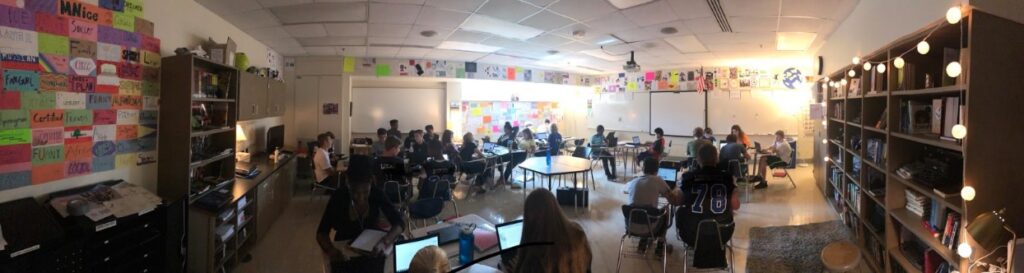
Instead of imposing his own aesthetic, Rademacher developed a philosophy centered on the idea that "a classroom, in so many ways, is something that a teacher and students build together." Over several years, this led to the development of activities designed to make the classroom feel like their space – a collaborative environment where student identities are not just acknowledged but celebrated and integrated into the physical fabric of the room. This approach aligns with modern educational theories emphasizing student agency and the importance of a psychologically safe and inclusive learning environment, where students feel seen, valued, and understood.
"The One Word Wall": A Journey of Self-Identification
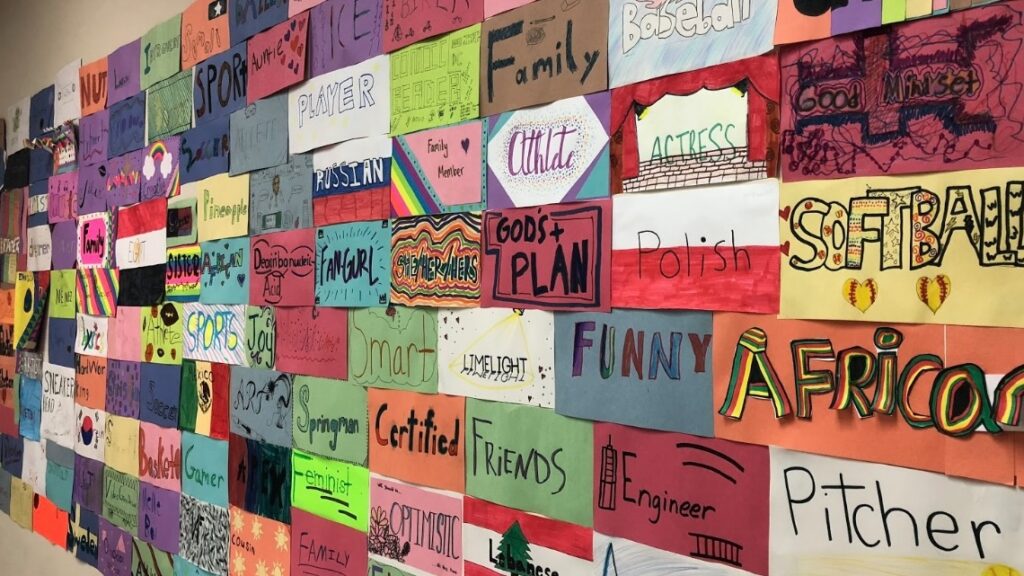
The "One Word Wall" project serves as a foundational activity, typically introduced during the first week of school. It begins with students receiving a bubble map sheet, similar to one drawn by Rademacher on the board with his own name at the center. The task is to fill five bubbles with words that describe them most accurately. This initial brainstorming phase is crucial, as students are encouraged to consider a wide range of descriptors, including physical characteristics, personality traits, values, beliefs, family history, hobbies, goals, and talents. Rademacher acknowledges the difficulty of this task, echoing a character from his "Bucket and Friends" book series: "It’s really hard to decide on an idea when you have a thousand ideas, and it’s also really hard to come up with one idea when you don’t have any at all. One is the hardest number of ideas to have."
Key guidelines for the "One Word Wall" ensure both personal expression and a respectful environment:
- Single Words (Mostly): While single words are preferred for conciseness, exceptions are made for hyphenated identities (e.g., Mexican-American) that represent a unified self-perception. The emphasis is on genuine self-identification, not forced simplification.
- Safe Space Protocol: Students are explicitly informed that they only need to share what they are comfortable with. An option to use a "code word" for highly personal descriptors, known only to the student, reinforces psychological safety. Crucially, students are instructed not to suggest words for peers or comment on others’ choices, fostering an environment of non-judgmental acceptance.
- Teacher Modeling and Guidance: Rademacher initiates the sharing process by revealing his own five words and explaining their significance, often including personal details like his ADHD diagnosis or his passion for writing. This vulnerability encourages students to engage authentically. For those struggling, a collective brainstorming session helps generate ideas, and Rademacher reassures them that their five words are not permanent, "my five words change every year, sometimes by the end of the day, and that’s ok."
The most profound stage of the project is "Share and Strike." Students, guided by Rademacher, progressively cross out words from their list until only one remains – the word they feel most encapsulates their identity at that moment. This process, which can be surprisingly emotional for adults, serves as a powerful reflection on self-prioritization and the facets of identity that individuals might feel pressured to suppress or "remove" in certain environments, including school. It highlights the often-unspoken burden on students to conform, prompting a valuable discussion on identity and belonging within the educational context.
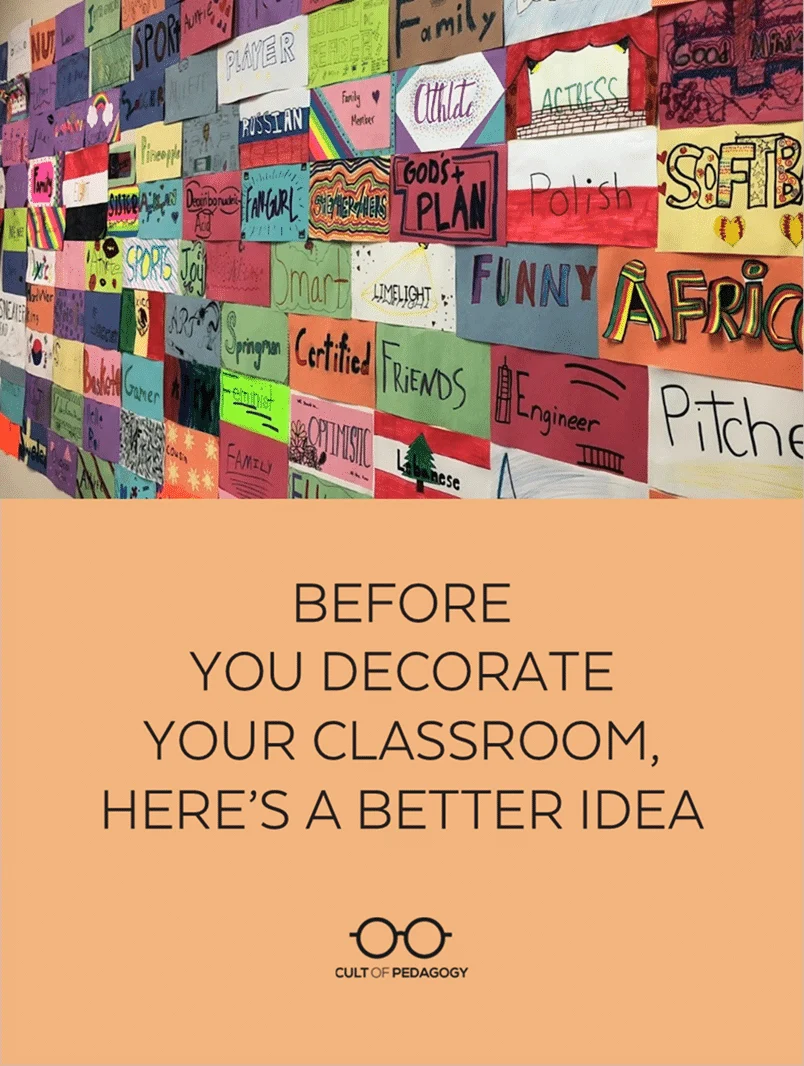
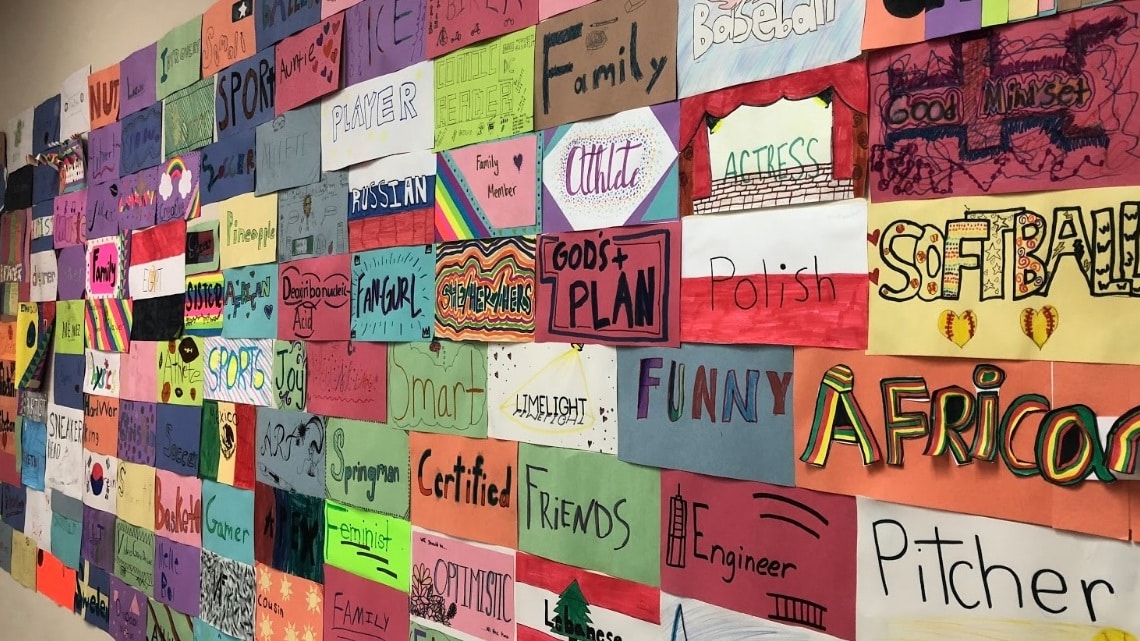
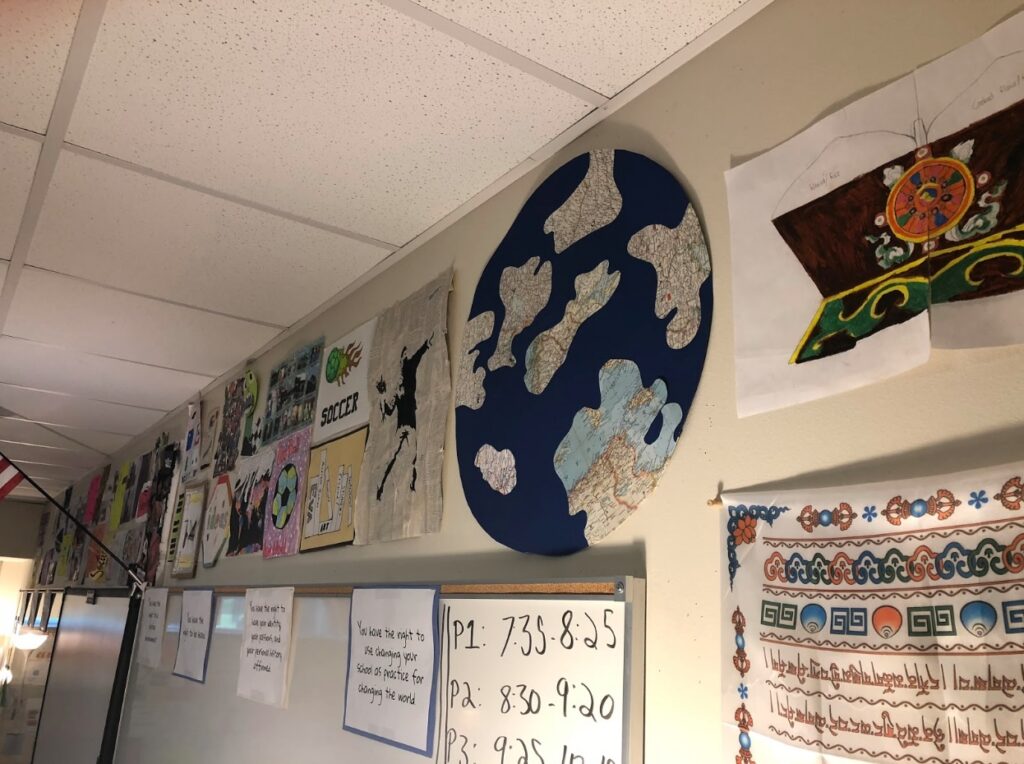
Finally, students transcribe their chosen single word onto colored strips of paper, after ensuring correct spelling and legibility. These strips are then gradually or ceremonially added to a designated "One Word Wall" in the classroom. The visual impact of the completed wall is significant, transforming a blank space into a collective portrait of the class’s diverse identities. Students frequently engage with the wall, pointing out their words and affirming, "There I am, that’s me." This consistent interaction underscores the wall’s role as a living testament to their presence and individuality within the shared learning space. The wall remains displayed all year, serving as a constant reminder of the class’s depth, difference, and collective journey.
"What You Bring": Celebrating Holistic Identity
Following the introspective "One Word Wall," Rademacher introduces the "What You Bring" project, designed to encourage a broader, more expansive exploration of student identity. This activity challenges students to move beyond a single descriptor and visually represent the myriad talents, passions, knowledge, and experiences they bring into the classroom every day – aspects that might not fit neatly into academic subjects.
Students are provided with a planning/brainstorming sheet for this more open-ended project. The goal is to create a visual representation that showcases the "many parts of who they are, what they love, and what sorts of talents, passions, and knowledge they bring with them to school every day that may not fit neatly into one of their core classes." Rademacher actively encourages students to think beyond their most commonly known attributes, prompting them to reveal hidden talents or lesser-known interests.
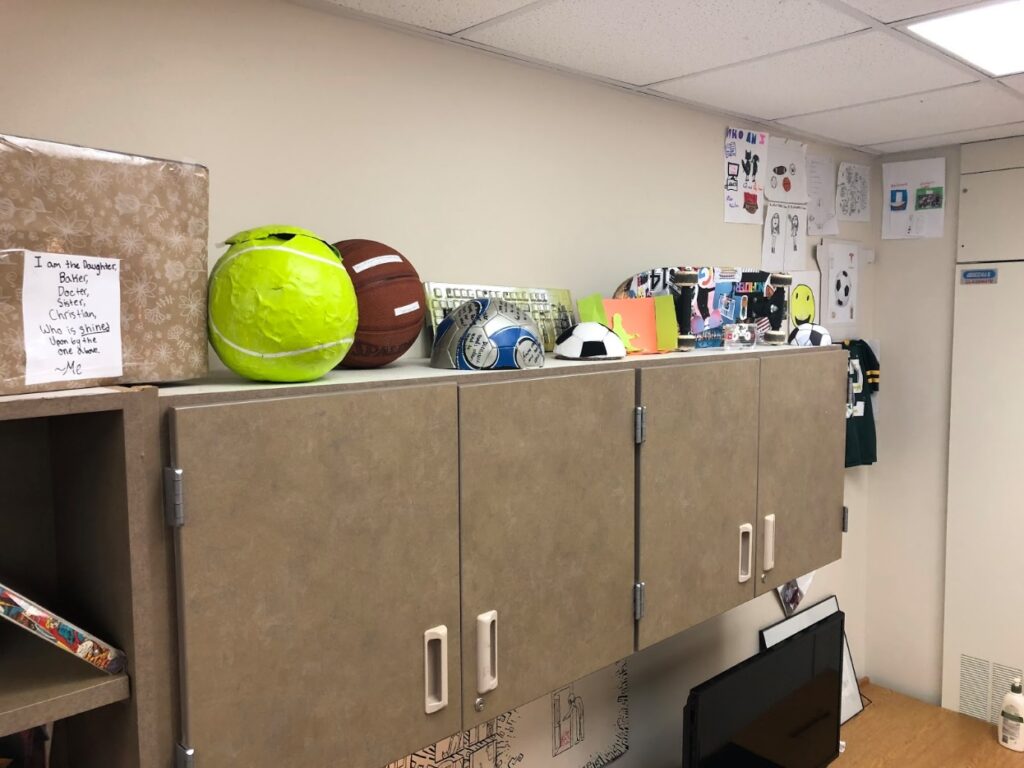
The creative freedom afforded by "What You Bring" yields a diverse array of projects. While collages are a common choice, students have also produced original artwork, paintings, written and printed musical compositions, miniature sculptures, and even QR codes linking to games they’ve programmed. This rich tapestry of expression not only decorates the classroom walls but fundamentally alters its atmosphere.
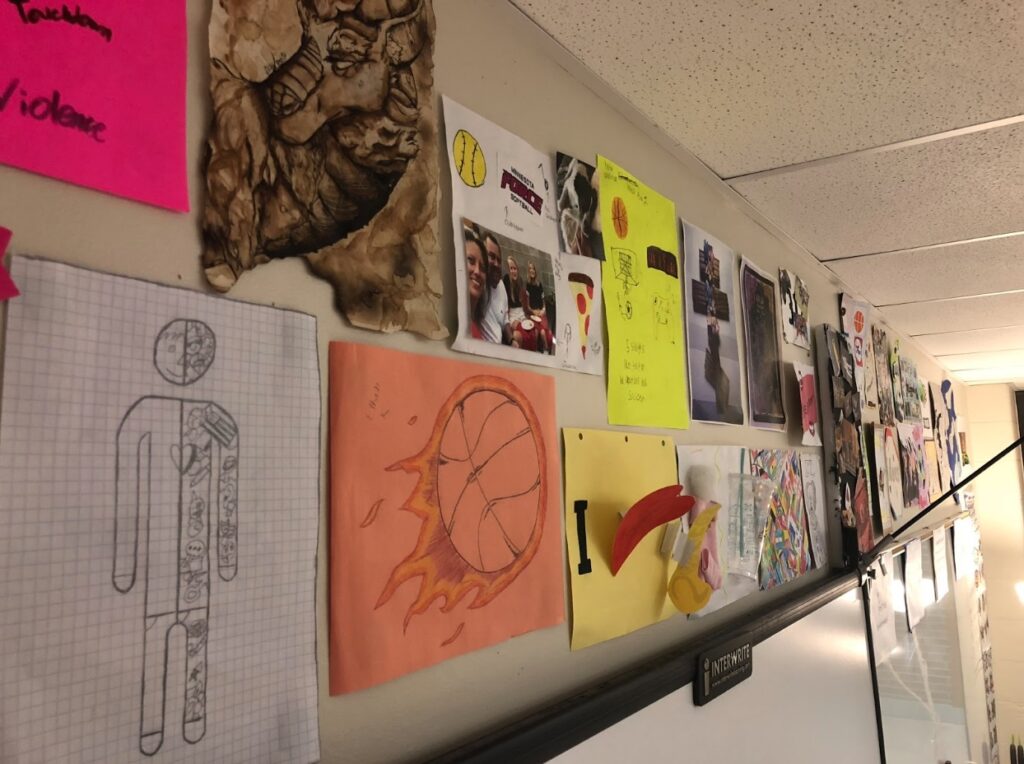
The most impactful aspect of this project is the presentation phase. Students share their creations with their peers, fostering an environment of active listening, questioning, and positive feedback. This peer-to-peer interaction allows students, even those who have known each other for years, to discover new dimensions of their classmates’ identities. This cultivates a classroom culture rooted in genuine appreciation and acceptance, laying a strong foundation for social-emotional learning and community building. The physical display of these projects further reinforces the message that "every student is welcome, in full, in the room."
Broader Implications and Educational Significance
Rademacher’s projects transcend mere classroom decoration; they represent a deliberate pedagogical strategy with significant implications for student well-being, academic engagement, and school culture.
- Fostering Identity and Belonging: Both projects directly address the critical need for students to feel a sense of belonging and to have their identities affirmed within the school environment. Research consistently shows that students who feel a strong sense of belonging are more engaged, perform better academically, and experience higher levels of psychological well-being. By co-creating their learning space, students develop a sense of ownership and personal connection to their classroom.
- Promoting Social-Emotional Learning (SEL): The activities inherently integrate key SEL competencies. "The One Word Wall" cultivates self-awareness through introspection and self-identification, while the "Share and Strike" phase encourages self-management and reflective thinking. "What You Bring" enhances social awareness as students learn about their peers, and relationship skills are strengthened through peer presentations, active listening, and providing constructive feedback.
- Challenging Unrealistic Expectations for Teachers: Rademacher’s approach indirectly critiques the pressure on teachers to spend excessive time and resources on superficial classroom aesthetics. By demonstrating that meaningful, student-centered decor can be both impactful and less burdensome, his methods offer a sustainable alternative that reclaims teacher time for instruction and student interaction. This is particularly relevant in an era where teacher burnout is a national concern, and initiatives that simplify or rationalize non-instructional tasks are highly valued.
- Building a Positive School Culture: The "One Word Wall" and "What You Bring" projects extend their influence beyond a single classroom. Rademacher notes that teachers and former students from around the building often visit his room to see the new walls, indicating a ripple effect of curiosity and appreciation for student individuality throughout the school community. This promotes a culture where diversity is visible and celebrated.
The profound impact of these projects is perhaps best summarized by a character in Rademacher’s "Bucket and Friends" book series: "It looked less like a wall of words and more like a class picture. I bet even someone who didn’t know us at all could stand in front of all the words and get a feeling for what our class was like, and if the Words were like names, then the Things were like portraits." This evocative description encapsulates the essence of Rademacher’s philosophy: transforming a physical space into a vibrant, dynamic reflection of the collective and individual identities within it.
"Bucket and Friends": Extending the Pedagogical Impact
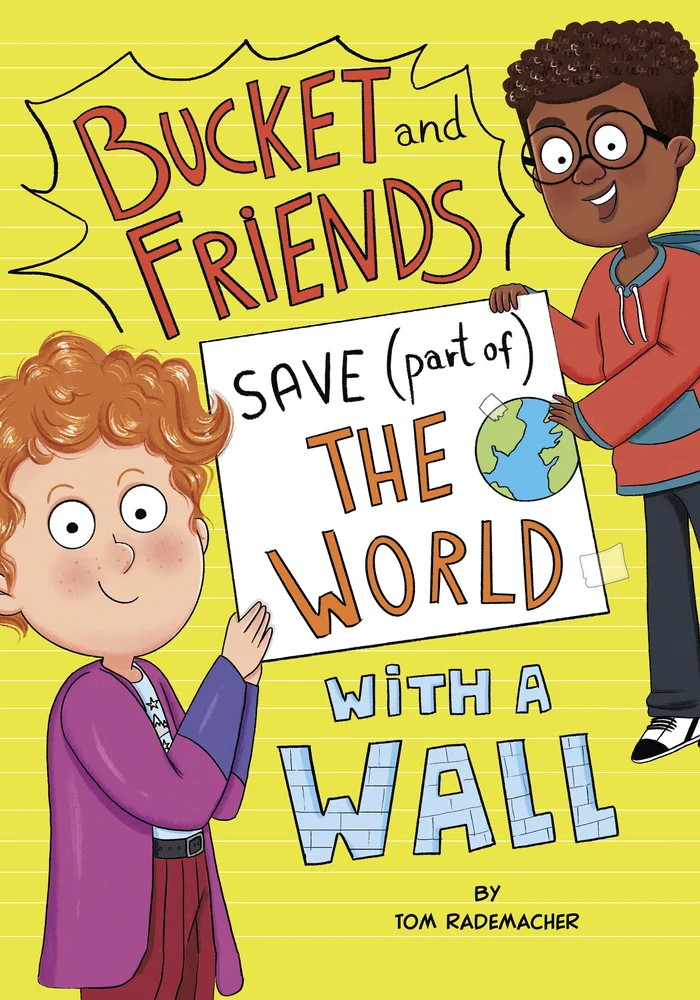
Tom Rademacher has further solidified his commitment to student-centered, project-based learning with the upcoming release of his "Bucket and Friends" chapter book series on August 1st, 2025. These three books follow the character Bucket and their friends as they navigate social-emotional challenges through impactful projects. Significantly, Bucket and Friends Save (part of) The World with a Name is directly based on the "One Word Wall" and "What You Bring" activities. The series aims to provide educators with engaging narratives that can be actively integrated into classroom practice to support students’ social-emotional development and foster a love for project-based learning. Additional resources and project ideas are available on Rademacher’s website, further amplifying the reach of his innovative pedagogical strategies.
In an educational landscape often focused on measurable academic outcomes, Rademacher’s work serves as a powerful reminder of the foundational role of identity, belonging, and emotional well-being in creating truly effective and humane learning environments. By empowering students to literally define and display who they are, he constructs classrooms that are not just places of instruction, but vibrant communities of individuals.