


In the modern professional landscape, the configuration of a workstation has transitioned from a matter of simple utility to a critical component of occupational health and operational efficiency. As the global workforce continues to navigate the complexities of hybrid and remote environments, the demand for sophisticated monitor mounting solutions has reached unprecedented levels. A high-quality monitor stand does more than merely elevate a screen; it serves as the foundational element for proper posture, reduced ocular strain, and maximized desk real estate. Following an extensive analysis of current market availability, consumer satisfaction metrics, and engineering standards, industry experts have identified the leading monitor stands for 2026, categorized by their durability, adjustability, and overall value proposition.
The Evolution of the Ergonomic Workspace
The necessity for adjustable monitor stands is rooted in the physiological requirements of long-term computer use. According to ergonomic researchers, the top third of a computer screen should ideally sit at eye level to prevent the neck flexion that leads to "tech neck" and chronic musculoskeletal disorders. For decades, users relied on makeshift solutions, such as stacks of books or fixed-height risers. However, the introduction of the Video Electronics Standards Association (VESA) mounting interface in the late 1990s revolutionized the industry, allowing for a universal standard that decoupled the screen from its manufacturer-provided base.
The transition from bulky Cathode Ray Tube (CRT) monitors to lightweight Liquid Crystal Displays (LCD) and Light Emitting Diode (LED) screens further accelerated the development of articulating arms. By 2026, the market has matured to include gas-spring technology, mechanical tension systems, and heavy-duty mounts capable of supporting the increasingly popular 49-inch ultrawide displays.
Primary Selection Criteria and Methodology
To determine the top-tier selections for 2026, a rigorous evaluation framework was employed. This methodology prioritized four key pillars:
- Build Integrity: Assessment of materials, including polished aluminum, cold-rolled steel, and high-grade plastics.
- Articulation Range: The degree of tilt, swivel, rotation, and vertical displacement.
- Installation Versatility: The availability of both C-clamp and grommet mounting options to accommodate various desk thicknesses and materials.
- Long-term Reliability: Analysis of warranty periods and user feedback regarding "sagging" or tension loss over multi-year periods.
Leading Single Monitor Solutions: The Ergotron LX
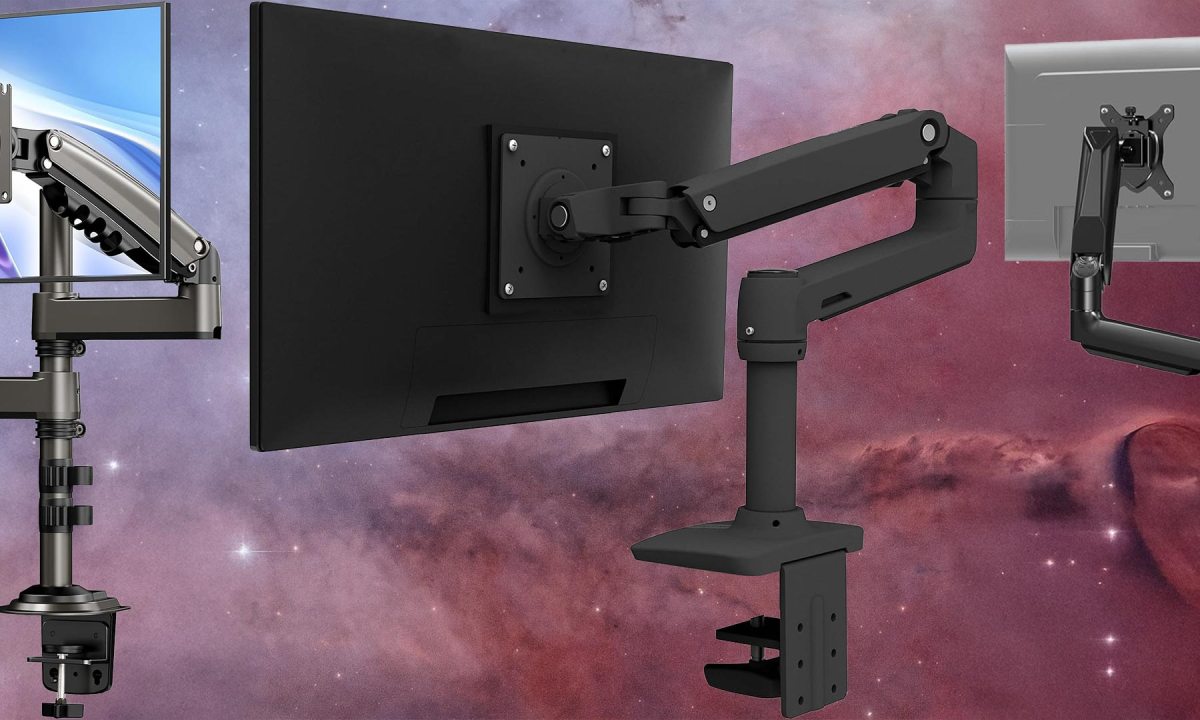
The Ergotron LX Single Monitor Arm continues to be recognized as the gold standard within the professional sector. Engineered with patented Constant Force technology, the LX allows for fluid movement that requires minimal physical effort. Unlike cheaper alternatives that may require manual tightening of bolts to change heights, the LX utilizes a gas-spring mechanism that maintains equilibrium with the monitor’s weight.
Technical Specifications:
- Weight Capacity: 7 to 25 lbs (3.2 to 11.3 kg)
- Maximum Screen Size: 34 inches
- Vertical Lift: 13 inches
- Warranty: Industry-leading 10-year limited warranty
Industry analysts note that while the Ergotron LX carries a premium price point—often retailing near $180—the return on investment is realized through its longevity. In a corporate environment where equipment is frequently repurposed, the durability of the LX ensures a lower total cost of ownership compared to budget models that may fail within 24 to 36 months.
Optimization for Multi-Display Configurations
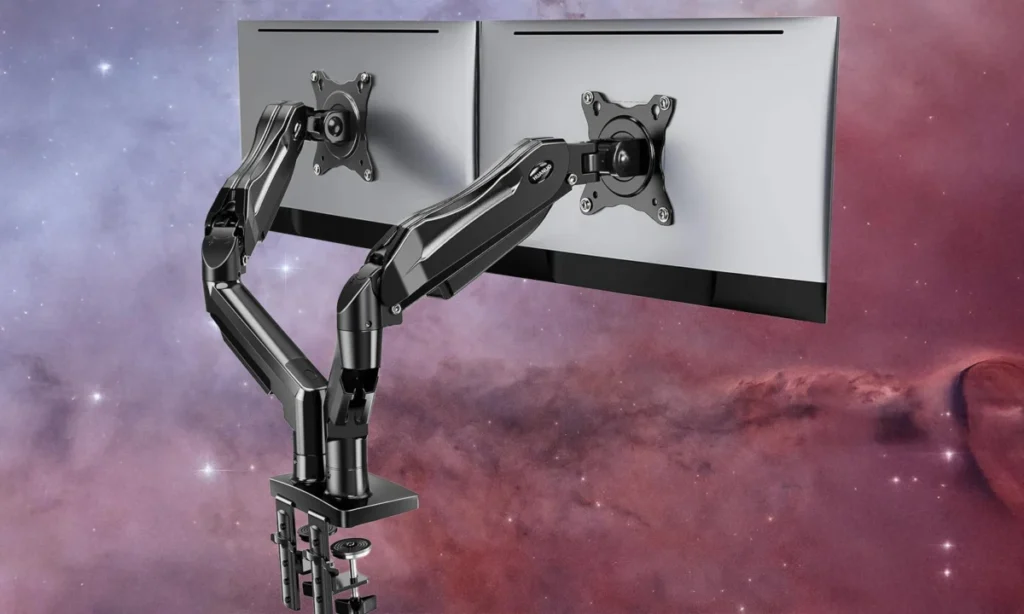
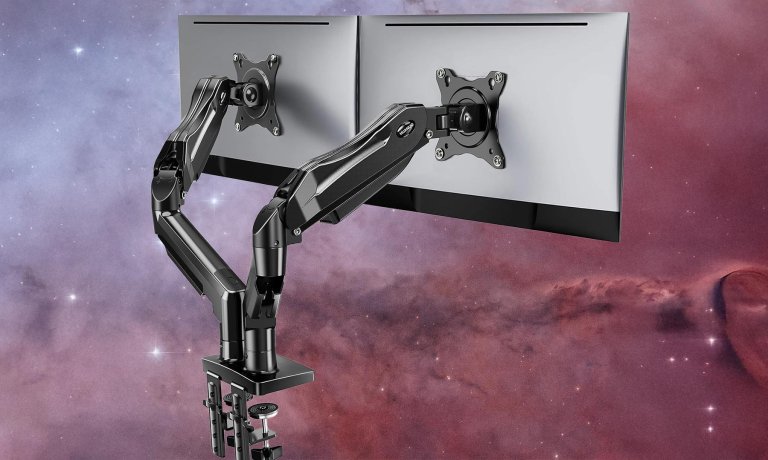
As data-intensive roles in finance, software development, and creative media become more prevalent, dual and triple monitor arrays have become the standard. The HUANUO FlowLift Dual Monitor Stand has emerged as the 2026 leader for value-conscious professionals. Supporting two screens up to 32 inches each, the FlowLift utilizes independent gas-spring arms, allowing users to align monitors of different sizes or orientations—such as one landscape and one portrait—with precision.
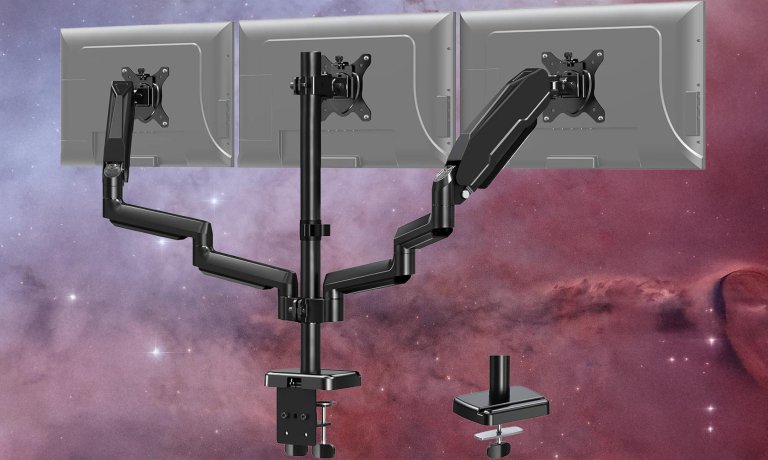
For power users requiring a panoramic view, the Mount Pro Triple Monitor Desk Mount offers a hybrid engineering solution. By utilizing a central fixed pillar for the primary display and two articulating side arms for peripheral screens, Mount Pro addresses the inherent stability challenges of supporting three monitors on a single desk point. This configuration minimizes the "bounce" often associated with triple-arm systems while providing the necessary flexibility for curved or wraparound setups.
Accessible Ergonomics: Budget and Fixed Solutions
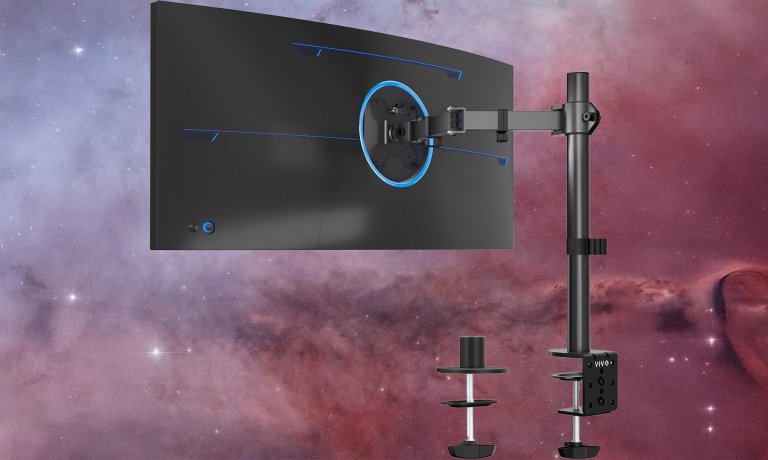
Recognizing that articulating arms are not a requirement for every user, the 2026 rankings include high-performance budget and fixed-height options. The VIVO STAND-V001 remains a top contender for entry-level setups. Utilizing a mechanical spring system rather than gas cylinders, it provides essential height and tilt adjustments at a fraction of the cost of premium models.
Furthermore, the HUANUO Monitor Riser Stand serves the segment of the market that prefers a traditional desk-top footprint. Constructed from ventilated metal to assist with laptop or monitor cooling, this riser provides three discrete height settings. It is particularly favored by users with glass desks, which are generally incompatible with the high-pressure compression of C-clamp mounting systems.
A Chronology of Workspace Innovation
The trajectory of monitor stand development reflects broader shifts in office culture and technology:
- Pre-2000: Monitors featured integrated, non-removable bases. Height adjustment was largely non-existent.
- 2000–2010: VESA standards became ubiquitous. The first generation of mechanical monitor arms entered the market, primarily for medical and industrial use.
- 2011–2019: The "Standing Desk Revolution" spurred demand for monitor arms that could quickly transition between sitting and standing heights. Gas-spring technology became more affordable for home consumers.
- 2020–2024: The COVID-19 pandemic caused an explosion in home office equipment sales. Manufacturers focused on "prosumer" models that balanced professional aesthetics with ease of assembly.
- 2025–2026: Modern stands now incorporate sustainable materials, integrated USB-C docking stations, and higher weight capacities to support OLED and ultrawide technology.
Technical Analysis: VESA Standards and Weight Dynamics
A critical factor in the selection of a monitor stand is the understanding of VESA mounting patterns. The most common configurations are 75x75mm and 100x100mm. However, as monitors grow in size, some 2026 models are beginning to adopt 200x100mm patterns.
Weight dynamics also play a pivotal role. A common error among consumers is purchasing an arm based solely on screen size rather than weight. A 34-inch ultrawide monitor may exceed the weight limit of an arm rated for a 34-inch standard monitor. Engineering data suggests that operating a monitor arm at more than 90% of its rated capacity increases the likelihood of "tilt-creep," where the monitor slowly angles downward over time due to gravity overcoming the internal friction of the joint.
Economic and Health Implications: Corporate Perspectives
The adoption of high-quality monitor stands is increasingly seen as a proactive measure by Human Resources and Occupational Health and Safety (OHS) departments. In a 2025 survey of Fortune 500 companies, 64% of respondents reported a decrease in ergonomics-related worker compensation claims following the implementation of adjustable monitor arms across their headquarters.
Ergonomic consultants argue that the flexibility provided by articulating arms supports "micro-movements" throughout the day. By allowing a user to slightly shift the angle or depth of their screen, these stands help mitigate repetitive strain and eye fatigue. "The goal is no longer a static ‘perfect’ posture," says Dr. Elena Rodriguez, a leading consultant in workplace ergonomics. "The goal is dynamic movement, and the monitor arm is the primary tool that enables that fluidity."
Broader Impact and Future Outlook
Looking ahead to the latter half of the decade, the monitor stand industry is expected to integrate further with "smart office" ecosystems. Emerging prototypes for 2027 suggest the inclusion of sensors that can alert a user if their monitor has drifted from an ergonomically optimal position or if they have remained in a static posture for too long.
Additionally, the rise of the "nomadic professional" has prompted manufacturers to develop portable, fold-flat monitor risers that provide ergonomic benefits for those working in co-working spaces or temporary environments. While the traditional desk-mounted arm remains the anchor of the professional suite, the diversification of the product category ensures that ergonomic health is accessible regardless of the specific work setting.
In conclusion, the selection of a monitor stand in 2026 is a decision that impacts both immediate comfort and long-term physical health. Whether through the premium engineering of the Ergotron LX, the multi-screen versatility of HUANUO and Mount Pro, or the accessible utility of VIVO, the current market offers robust solutions for every professional requirement. As display technology continues to evolve, the monitor stand will remain an indispensable interface between the human worker and the digital world.