
At the New England Wildlife Center in Massachusetts, a specialized team of veterinary professionals and wildlife rehabilitators provides essential maintenance services for resident owls, falcons, and other raptors that many might colloquially describe as "pedicures." While the term evokes images of cosmetic luxury, the reality is a rigorous and necessary biological intervention. For birds that have been deemed non-releasable due to permanent injuries, the natural processes that keep their talons and beaks in check are absent, necessitating manual trimming and filing by human caretakers to ensure the animals’ long-term health and mobility.
The New England Wildlife Center (NEWC), a non-profit organization dedicated to veterinary care and environmental education, manages a diverse population of permanent residents. These animals, ranging from large birds of prey like barred owls and red-tailed hawks to smaller avian species such as parakeets and cockatiels, require consistent physical maintenance. In their natural habitats, these birds engage in daily activities—such as perching on abrasive tree bark, tearing apart tough prey, and landing on varied terrain—that naturally wear down the keratinized structures of their bodies. In a controlled environment, even one designed to mimic nature, these abrasive forces are significantly reduced, leading to potential overgrowth that can compromise a bird’s quality of life.
The Biological Necessity of Talon and Beak Maintenance
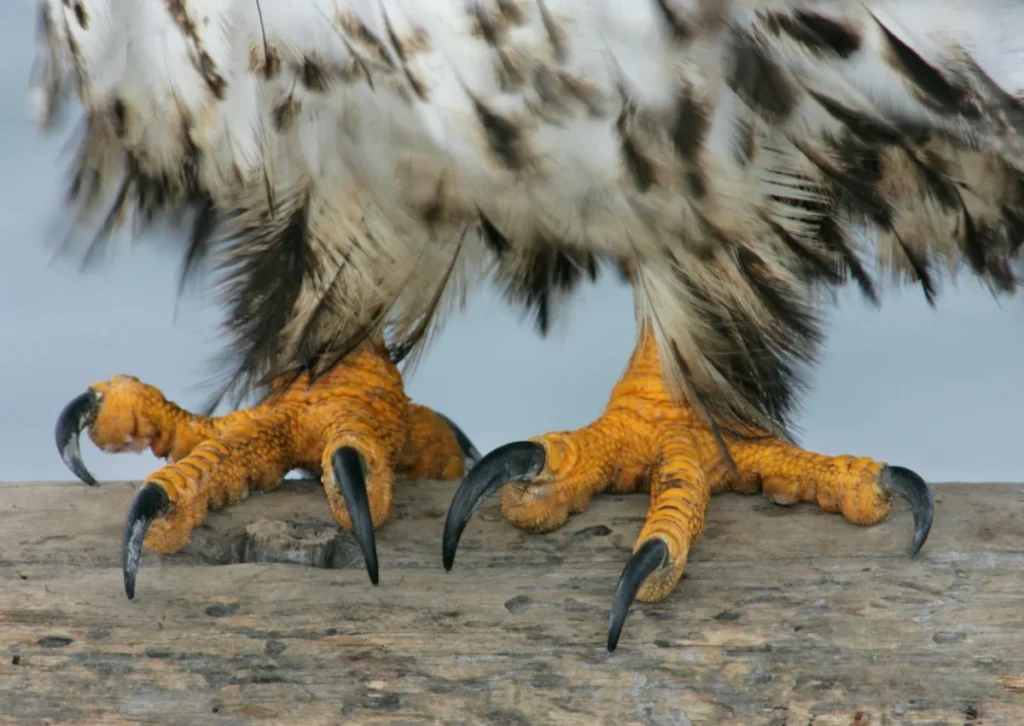
The talons and beaks of birds are composed primarily of keratin, the same fibrous structural protein found in human fingernails and hair. These structures grow continuously throughout a bird’s life. In the wild, the rate of growth is typically balanced by the rate of wear. However, when a bird is brought into a sanctuary or educational facility, the lack of high-impact activity leads to a physiological imbalance.
According to Greg Mertz, the CEO of the New England Wildlife Center, the "pampered" nature of captive life, while necessary for the survival of injured birds, removes the environmental friction required for self-maintenance. Without intervention, talons can grow to lengths that cause the bird’s toes to curl or twist, leading to a condition known as pododermatitis, or "bumblefoot." Bumblefoot is a localized inflammatory or granulomatous reaction that can lead to severe infections, bone involvement, and in extreme cases, the loss of a limb.
Similarly, an overgrown beak can be life-threatening. If the upper or lower mandible grows too long, it can lead to malocclusion, preventing the bird from properly preening its feathers or, more critically, from tearing and consuming its food. In educational settings, where birds interact closely with handlers, sharp talons also pose a safety risk to the humans involved in their care, making the smoothing of these "weapons" a practical necessity for mutual safety.
Procedural Standards and Safety Protocols
The process of grooming a raptor is a delicate operation that requires both technical skill and an understanding of avian psychology. To ensure the safety of the bird and the staff, the NEWC utilizes a technique known as "toweling." This involves swaddling the bird in a soft, often colorful towel or blanket, which serves several functions. First, it restrains the wings to prevent injury to the bird’s delicate skeletal structure. Second, it limits the bird’s field of vision, which typically has a calming effect on the animal’s nervous system.
During a typical session, one staff member focuses on securing the bird while another performs the trimming. Tools used in this process vary depending on the size of the bird and the density of the keratin. Greg Mertz notes that he often prefers small electrical wire cutters for talons because they provide a clear line of sight, allowing for a precise cut that avoids the "quick"—the sensitive living tissue and blood vessel inside the talon. Following the initial cut, files or specialized grinding tools, such as Dremels, are used to smooth the edges and remove any snags.
For beak maintenance, the process is even more precise. Staff may gently place a finger or a soft block between the mandibles to keep the mouth open, allowing them to file down the tip and sides of the beak. This ensures that the bird maintains a "raptorial" shape necessary for its species-specific behaviors, even if it no longer hunts live prey.
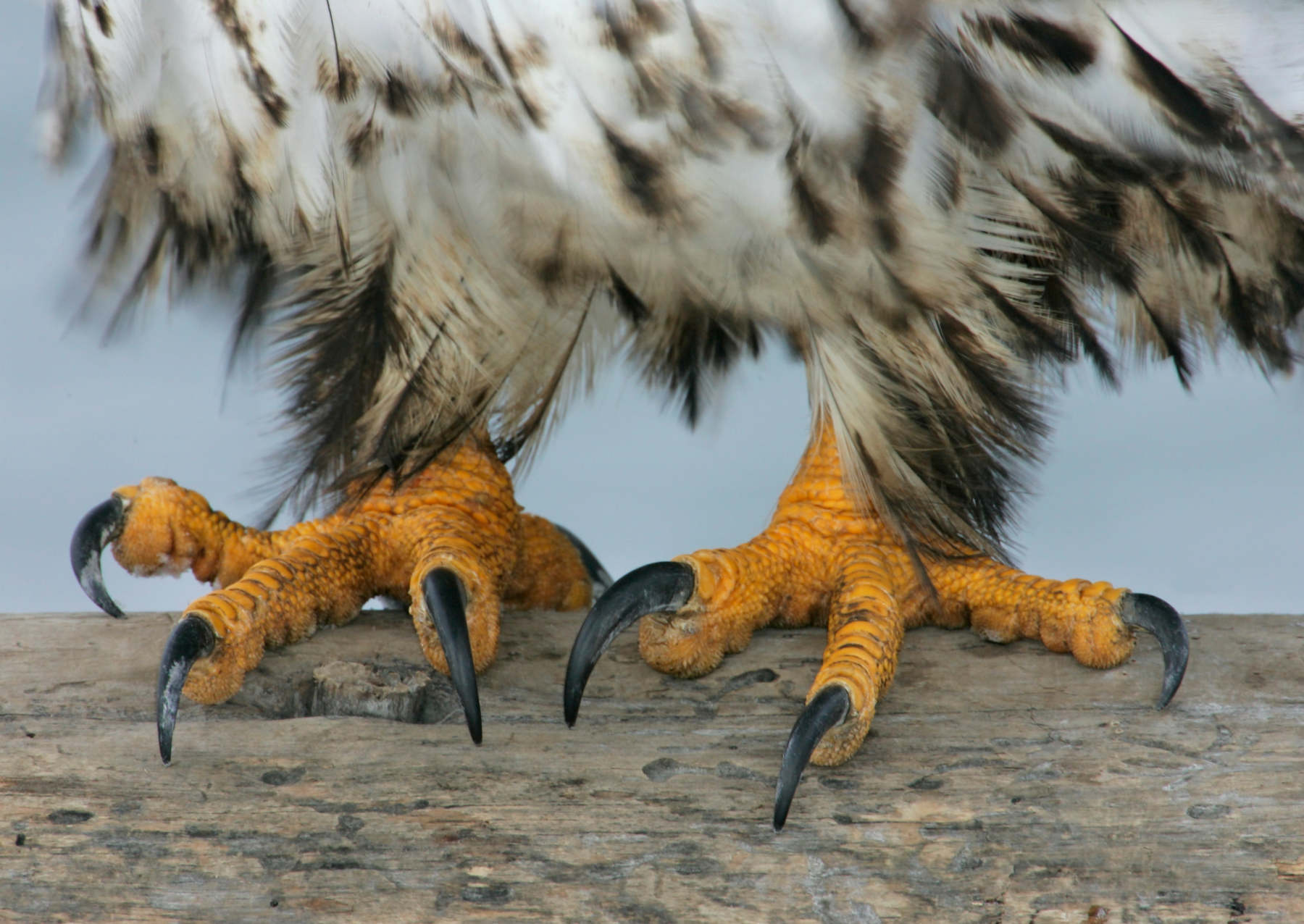
Case Study: The Rehabilitation of Strix the Barred Owl
The necessity of this care is best illustrated by the story of Strix, a barred owl who has become a staple of the NEWC’s educational programs. Strix arrived at the center as an adolescent with a severe wing fracture, likely the result of a collision with a motor vehicle—a common cause of injury for raptors that hunt near roadsides. Despite the best efforts of the veterinary team, the wing did not heal with the symmetry required for the silent, agile flight necessary for survival in the wild.
Deemed non-releasable, Strix transitioned into the role of an "educational ambassador." In this capacity, he helps thousands of students and visitors annually understand the complexities of avian biology and the importance of conservation. However, because Strix cannot fly properly, he spends much of his time on specialized perches. This sedentary lifestyle, compared to a wild owl, means his talons do not encounter the same level of resistance. Without his routine "pedicures" and "facials" (beak trimming), Strix would quickly develop the aforementioned health complications. The routine care he receives is a lifelong commitment from the center to compensate for the physical limitations imposed by his initial injury.
The Broader Context of Wildlife Rehabilitation
The work performed at the New England Wildlife Center reflects a broader trend in wildlife management that emphasizes the long-term welfare of non-releasable animals. According to data from the National Wildlife Rehabilitators Association (NWRA), thousands of birds of prey are admitted to rehabilitation centers across the United States each year. While the primary goal is always release, a significant percentage—often due to permanent visual or orthopedic impairment—cannot return to the wild.
The decision to keep a bird in captivity for educational purposes is not taken lightly. It requires federal and state permits, often issued by the U.S. Fish and Wildlife Service under the Migratory Bird Treaty Act. These permits mandate high standards of care, including nutritional requirements, enclosure size, and regular veterinary check-ups. The grooming routines seen at NEWC are a critical component of meeting these regulatory and ethical standards.
The reaction from the scientific and conservation communities to these practices is overwhelmingly positive. Experts argue that while these interventions may look "cute" in viral videos, they represent the front line of captive animal welfare. By sharing these processes on social media, the NEWC also demystifies the reality of wildlife care, moving beyond the "rescue" narrative to show the daily, unglamorous work required to sustain life.
Human-Wildlife Conflict and Conservation Impact
The necessity of centers like NEWC is underscored by the increasing frequency of human-wildlife conflict. Statistics suggest that habitat fragmentation and urbanization have led to a rise in avian injuries. Car strikes, window collisions, and secondary poisoning from rodenticides are the leading causes of raptor morbidity.
When a bird like Strix is used in an educational program, it serves as a living testament to these issues. The grooming sessions, while functional, also provide a "teachable moment." They allow educators to discuss the anatomy of a raptor up close, explaining how a hawk’s grip strength can exceed 400 pounds per square inch or how an owl’s beak is designed for specialized feeding. This connection fosters a sense of stewardship in the public, which is essential for the long-term success of conservation initiatives.
Conclusion: The Ethics of Stewardship
The "pedicure" services at the New England Wildlife Center are a testament to the evolution of wildlife rehabilitation. It is no longer enough to simply "save" an animal; the modern mandate is to provide a quality of life that respects the animal’s biological needs, even when they are removed from their natural context.
As Greg Mertz and his team continue their work, the focus remains on the individual health of birds like Strix. While the birds may not "enjoy" being swaddled in towels, the long-term benefits—freedom from pain, the ability to eat effectively, and the prevention of debilitating infections—far outweigh the temporary stress of the procedure. Through these meticulous acts of care, the New England Wildlife Center ensures that even those birds that can no longer soar through the forest can still live a life of dignity and purpose as ambassadors for their species.