

The Environmental Protection Agency’s (EPA) ambitious Clean School Bus Program, designed to replace aging diesel buses with cleaner alternatives and funded by a significant $5 billion allocation from the bipartisan Infrastructure Investment and Jobs Act of 2021, has come under increased scrutiny. The agency’s Office of Inspector General (OIG) has previously raised substantial concerns regarding the program’s management, particularly its oversight of applicant verification, fund disbursement, and overall performance monitoring. These findings, detailed in a series of reports between 2023 and 2024, cast a shadow over the program’s effectiveness and raise questions about the prudent use of taxpayer dollars.
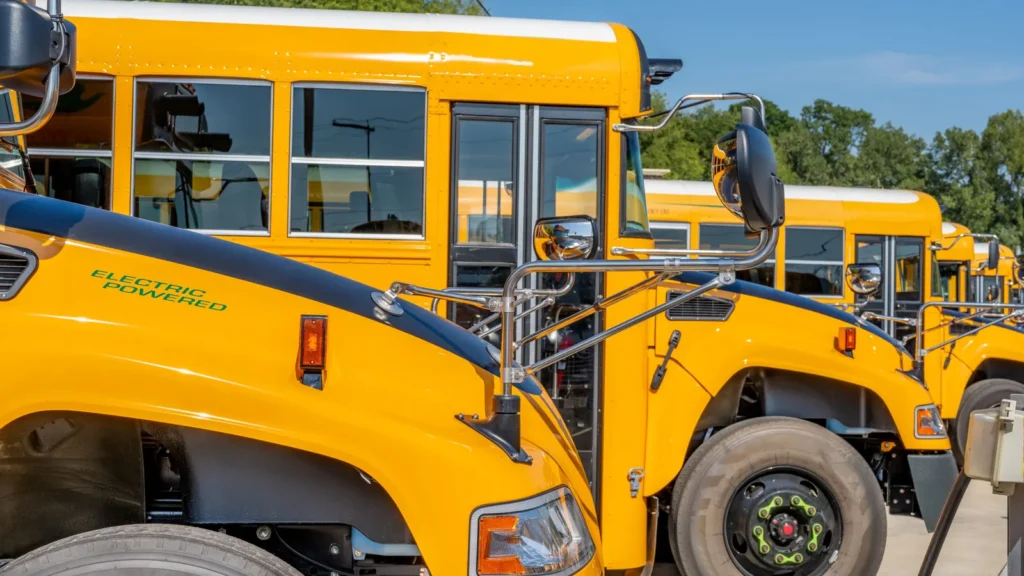
The Clean School Bus Program, a cornerstone of the Biden administration’s environmental and infrastructure agenda, aimed to provide grants to school districts across the nation to replace their diesel-powered school buses with zero-emission or low-emission vehicles. The program, authorized to run through Fiscal Year 2026, has already seen substantial investment, with the EPA reportedly awarding approximately $2.62 billion in grants to 1,143 school districts. These grants have facilitated the replacement of an estimated 8,223 buses, signaling a significant, albeit incomplete, transition towards cleaner transportation for students.
However, the OIG’s reviews have identified critical vulnerabilities in the program’s implementation. A primary concern highlighted by the OIG is the EPA’s failure to establish and enforce sufficiently robust requirements for verifying the identities of program applicants and ensuring the accuracy of the information they submitted, particularly in the initial stages of the program in 2022. This lapse in due diligence could potentially expose the program to misuse of funds or fraudulent applications, jeopardizing the integrity of the initiative.
Furthermore, the OIG’s reports indicate a significant deficiency in the EPA’s post-award monitoring protocols. The agency has been criticized for not adequately tracking the performance of the program, including the deployment status of the newly acquired buses and how recipients are utilizing the awarded funds. The Inspector General’s office emphasized that without effective monitoring procedures, the EPA cannot reliably ascertain the program’s overall performance or adequately safeguard public funds. This lack of comprehensive oversight raises concerns about accountability and the actual impact of the program on its stated environmental and health goals.
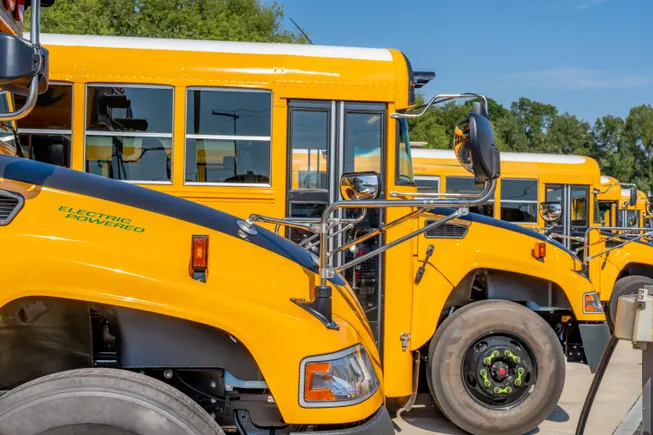
The OIG’s most recent findings, released in April 2026, consolidate and build upon the issues previously identified in its five reports concerning the Clean School Bus Program issued between 2023 and 2024. This ongoing pattern of concern from an independent oversight body underscores the need for immediate and decisive action from the EPA to address these systemic weaknesses.
Program’s Genesis and Initial Rollout
The Clean School Bus Program was established as a key component of the Infrastructure Investment and Jobs Act, a landmark piece of bipartisan legislation signed into law in November 2021. This act allocated substantial federal resources to modernize the nation’s infrastructure, with a specific emphasis on environmental sustainability and climate resilience. The $5 billion earmarked for the Clean School Bus Program represented a significant federal investment in transitioning the nation’s school bus fleet away from polluting diesel engines, which have long been linked to respiratory health issues among children and contribute to environmental degradation.
The program’s initial rollout focused on providing grants to school districts to purchase electric school buses, aligning with a broader national push towards electrification of transportation. The EPA quickly began awarding grants, aiming to accelerate the adoption of cleaner technologies and reduce the carbon footprint of school transportation. The speed at which initial grants were disbursed, while demonstrating programmatic momentum, may have also contributed to the oversight lapses identified by the OIG, as robust verification and monitoring systems might not have been fully established or implemented in the rush to deploy funds.
OIG’s Specific Criticisms and Recommendations
The Office of Inspector General’s reports have been granular in their critique. Beyond the general concerns of applicant verification and program monitoring, the OIG has pointed to specific areas where the EPA’s processes fell short. While the original text does not detail the specific corrective actions taken by the EPA since the initial OIG reports, it is understood that such oversight bodies typically issue recommendations for improvement. These recommendations often include developing more stringent eligibility criteria, implementing multi-factor authentication for applicant portals, conducting site visits to verify bus deployment, and establishing key performance indicators (KPIs) to track program outcomes. The effectiveness of any corrective actions taken by the EPA will be crucial in restoring confidence in the program’s management.
Shifting Policy Landscape and Alternative Fuels
Adding a layer of complexity to the program’s narrative, the EPA, under a new administration in February 2026, announced a significant policy shift regarding alternative fuels for school buses. This announcement came in the wake of the aforementioned OIG findings and signaled a departure from the previous administration’s singular focus on electric school buses. The EPA stated it was collecting public feedback on a broader range of alternative school bus fuels and technologies, a move that the new administration characterized as a response to concerns that the "Biden-era program has forced unsafe and unreliable electric buses onto American schools."

This pivot suggests a recognition of the diverse needs and logistical challenges faced by school districts across the country. While electric school buses offer clear environmental benefits, their widespread adoption can be hindered by factors such as charging infrastructure availability, battery range limitations in extreme weather conditions, and the initial cost of procurement. The EPA’s decision to expand the scope of eligible fuels to include biofuels, compressed natural gas (CNG), liquefied natural gas (LNG), and hydrogen, while acknowledging that these options were always permissible under the law, implies a critique of the previous administration’s perceived emphasis on electric vehicles.
The EPA’s February announcement also clarified that funds would not be awarded from the 2024 Clean School Bus Rebate Program, a decision that may have been influenced by the ongoing scrutiny and the recalibration of program priorities. The agency expressed its aim to provide districts with greater flexibility in selecting the most suitable bus technology for their specific operational requirements. This approach seeks to ensure that grants are allocated in a manner that maximizes their impact and addresses the unique circumstances of each school district.
The administration’s statement that the "Biden Administration intentionally limited their availability to push the use of government subsidized electric buses" highlights a contentious point in the program’s history, suggesting a potential ideological influence on funding decisions. This accusation, if substantiated, would further underscore the need for transparent and objective decision-making processes within federal grant programs.
The Case for Electric School Buses and Broader Impacts
Despite the recent policy shifts and ongoing management concerns, advocates for the transition to electric school buses continue to highlight the significant environmental and health benefits. They argue that replacing diesel buses with electric vehicles can lead to substantial improvements in air quality, particularly in and around school environments. This, in turn, can positively impact student health by reducing exposure to harmful particulate matter and other pollutants, which have been linked to respiratory illnesses, asthma, and other chronic health conditions. Proponents also suggest that cleaner air can contribute to improved student attendance rates, as fewer students may need to miss school due to illness.
The World Resources Institute’s Electric School Bus Initiative has provided data supporting the economic advantages of electric school buses. Research from the institute indicates that school districts can achieve average annual operational savings of approximately $7,000 per bus by switching from diesel to electric models. These savings are primarily attributed to lower fuel costs and reduced maintenance requirements associated with electric powertrains. Such economic incentives can be particularly attractive to school districts facing budget constraints, potentially allowing them to reallocate funds to other critical educational needs.

The broader implications of the Clean School Bus Program extend beyond immediate environmental and health benefits. A successful and well-managed program can serve as a catalyst for innovation in the automotive industry, driving the development and production of cleaner transportation technologies. It can also contribute to the nation’s broader climate goals by reducing greenhouse gas emissions from a significant sector of public transportation. Moreover, the program has the potential to create jobs in manufacturing, maintenance, and infrastructure development related to electric vehicles.
Conclusion and Future Outlook
The EPA’s Clean School Bus Program stands at a critical juncture. While the program’s objectives—to improve student health, reduce environmental impact, and modernize school transportation—remain laudable and essential, the persistent concerns raised by the Office of Inspector General cannot be ignored. The agency faces the immediate challenge of implementing robust oversight mechanisms to ensure accountability and the efficient use of public funds.
The recent policy shift towards embracing a wider array of alternative fuels demonstrates a willingness to adapt to the complexities of the transition. However, the effectiveness of this broader approach will hinge on the EPA’s ability to establish clear, objective criteria for fund allocation that prioritize genuine environmental benefits and operational viability for school districts, rather than being perceived as driven by ideological preferences.
Moving forward, transparency will be paramount. The EPA must proactively communicate its strategies for addressing the OIG’s findings and demonstrate tangible progress in strengthening program management. This includes detailing the specific corrective actions taken, the timelines for their implementation, and the metrics used to evaluate their success. Only through rigorous oversight, transparent communication, and a commitment to evidence-based decision-making can the Clean School Bus Program truly fulfill its promise of delivering cleaner, healthier transportation for America’s students and safeguarding taxpayer investments. The coming months will be crucial in determining whether the EPA can successfully navigate these challenges and re-establish public trust in its stewardship of this vital environmental initiative.