



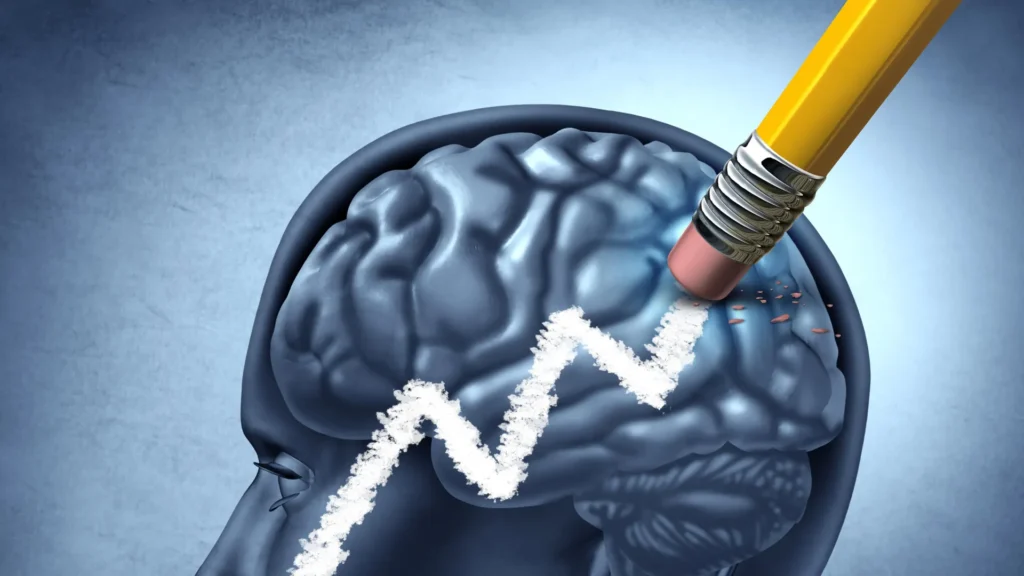
A new study published in Neurology, the official journal of the American Academy of Neurology, has brought to light a significant and concerning trend: an increasing proportion of American adults, particularly those under the age of 40, are reporting struggles with memory, focus, and decision-making. These findings underscore an emerging public health challenge with potential far-reaching implications for individuals, healthcare systems, and national productivity.
The comprehensive research, which analyzed data from over 4.5 million annual surveys conducted between 2013 and 2023, paints a picture of a society grappling with cognitive challenges that transcend traditional age-related decline. Dr. Adam de Havenon, MD, MS, of Yale School of Medicine in New Haven, Connecticut, and a Fellow of the American Academy of Neurology, served as the study’s lead author. Dr. de Havenon remarked, "Challenges with memory and thinking have emerged as a leading health issue reported by U.S. adults. Our study shows that these difficulties may be becoming more widespread, especially among younger adults, and that social and structural factors likely play a key role." This observation signals a shift from the conventional understanding of cognitive impairment primarily affecting older populations, indicating a complex interplay of modern stressors and systemic issues.
Unpacking the Study: Methodology and Scope
The researchers meticulously examined a vast dataset, leveraging responses from annual surveys over a decade. Participants were directly asked a crucial question: "Because of a physical, mental, or emotional condition, do you have serious difficulty concentrating, remembering, or making decisions?" An affirmative answer led to categorization as having a cognitive disability for the purpose of this study. To ensure the integrity of the data and isolate specific trends, responses from individuals reporting depression were intentionally excluded. This exclusion aimed to differentiate between cognitive symptoms primarily driven by mood disorders and those representing broader cognitive difficulties. Furthermore, data from the year 2020 was also omitted from the analysis due to the unprecedented and unique societal impact of the COVID-19 pandemic, which could have introduced significant confounding variables related to health, stress, and lifestyle changes.
It is critical to note that the study relied on self-reported data obtained through telephone surveys. While this method offers broad population insights, it inherently carries limitations, as respondents may not always recall details with perfect accuracy, or their self-assessment might differ from a clinical diagnosis. The definition of "cognitive disability" used in the survey was also broad, encompassing a range of experiences rather than a specific, clinically defined cognitive impairment. Despite these methodological nuances, Dr. de Havenon emphasized that the sheer volume of data and the consistent upward trend among younger demographics point to a real and emerging public health issue that warrants serious attention.
A Generational Divide: Younger Adults Bear the Brunt
Between 2013 and 2023, the overall percentage of American adults reporting cognitive disability saw a notable increase, climbing from 5.3% to 7.4%. This upward trajectory, which began to accelerate around 2016, was not evenly distributed across age groups. The most striking finding was the near doubling of reported rates among adults under 40, escalating from 5.1% to 9.7% over the decade. This demographic, traditionally considered to be at the peak of cognitive function, is now experiencing a disproportionate rise in perceived cognitive challenges.
In stark contrast, adults aged 70 and older, a group typically associated with age-related cognitive decline, exhibited a slight decline in reported difficulties during the same period, moving from 7.3% to 6.6%. This paradoxical trend challenges conventional notions of cognitive health and underscores the unique pressures faced by younger generations. While the study did not directly measure clinical cognitive impairment, the rising rate of self-reported difficulties among younger adults signals an emerging public health concern that demands deeper investigation into its underlying causes.
Socioeconomic Disparities in Cognitive Health
The study also illuminated profound disparities in cognitive health trends linked to socioeconomic status. Income and educational attainment emerged as significant predictors of self-reported cognitive difficulties, revealing a clear gradient where individuals with fewer resources reported higher rates of struggle.
Adults earning less than $35,000 annually experienced the highest reported rates of cognitive disability, which increased from 8.8% to 12.6% over the ten-year study period. This group, often facing heightened financial stress, less access to quality healthcare, and potentially more demanding physical labor or less cognitively stimulating work environments, demonstrated the most pronounced vulnerability. By comparison, adults with incomes above $75,000 saw only a modest increase in reported difficulties, from 1.8% to 3.9%. This stark difference highlights how economic stability and opportunity can significantly impact perceived cognitive well-being.
Education levels mirrored these income-based disparities. Rates among adults without a high school diploma rose from 11.1% to 14.3%, indicating a substantial increase within this demographic. In contrast, college graduates, who generally benefit from higher socioeconomic status and often more cognitively engaging professions, experienced a comparatively smaller increase, from 2.1% to 3.6%. These findings strongly suggest that structural disadvantages, including limited educational opportunities and lower income, are intricately linked to a greater likelihood of experiencing and reporting cognitive challenges.
Racial and Ethnic Trends: A Broadening Challenge
While the majority of respondents in the study identified as white, the analysis revealed that self-reported cognitive challenges increased across nearly all racial and ethnic groups. This widespread increase, irrespective of specific demographic composition, underscores the pervasive nature of this emerging issue. The study authors did not provide specific percentage breakdowns for all racial and ethnic groups in the provided abstract, but Dr. de Havenon’s summary statement indicated a broad impact, suggesting that the underlying factors contributing to cognitive difficulties are not confined to a single demographic but rather affect diverse segments of the population.
"These findings suggest we’re seeing the steepest increases in memory and thinking problems among people who already face structural disadvantages," Dr. de Havenon stated. "We need to better understand and address the underlying social and economic factors that may be driving this trend." This call to action emphasizes the need for a holistic approach that considers the broader societal context and systemic inequalities when investigating and addressing cognitive health.
Expert Perspectives: Unraveling the ‘Why’
The significant rise in self-reported cognitive difficulties, particularly among younger adults, has prompted considerable discussion among experts in neurology and public health. While the study meticulously documented the trend, it did not definitively establish the causes. Dr. de Havenon acknowledged this, stating, "More research is also needed to understand what’s driving the large increase in rates among younger adults, given the potential long-term implications for health, workforce productivity and health care systems." He elaborated on potential contributing factors, suggesting it "could reflect actual changes in brain health, better awareness and willingness to report problems, or other health and social factors. But regardless of possible causes, the rise is real — and it’s especially pronounced in people under 40."
This multifaceted explanation highlights the complexity of the issue. On one hand, it’s possible that younger generations are genuinely experiencing a decline in cognitive function due to a combination of modern lifestyle factors. On the other, increased public discourse around mental health and cognitive well-being, perhaps spurred by conditions like "brain fog" associated with long COVID or heightened awareness of neurological conditions, could be making individuals more attuned to and willing to report such difficulties.
Beyond Self-Report: Understanding Potential Drivers
The period between 2013 and 2023, particularly the acceleration around 2016, saw numerous societal shifts that could plausibly contribute to an increase in self-reported cognitive challenges. These include:
- Increased Digital Overload and Screen Time: The pervasive nature of smartphones, social media, and constant digital notifications can fragment attention, reduce deep focus, and potentially impact memory formation. The pressure to multitask and consume information rapidly might contribute to a feeling of cognitive strain.
- Chronic Stress and Mental Health Crisis: The last decade has witnessed a documented rise in anxiety, depression, and chronic stress, particularly among younger adults. Mental health conditions are known to significantly impact cognitive functions like concentration, memory, and decision-making. Societal pressures, economic uncertainties, and global events can exacerbate these stressors.
- Sleep Deprivation: Modern lifestyles, characterized by long work hours, digital device use before bed, and irregular schedules, often lead to chronic sleep deprivation, which is a major detriment to cognitive performance and overall brain health.
- Lifestyle Factors: Sedentary lifestyles, poor dietary habits (e.g., high consumption of ultra-processed foods), and substance use (including cannabis, which has seen increased legalization and usage rates) are all factors that can negatively impact brain health over time.
- Environmental Factors: Exposure to certain environmental toxins, air pollution, and other pollutants has been linked to cognitive decline, though this typically manifests over longer periods.
- Post-COVID-19 Effects: While 2020 data was excluded, the widespread experience of "brain fog" associated with long COVID has undeniably increased public awareness and discussion about cognitive symptoms. This heightened consciousness could contribute to more individuals recognizing and reporting their own cognitive struggles in subsequent years.
- Changes in Healthcare Access and Awareness: Improved access to healthcare and a reduction in the stigma surrounding mental and cognitive health issues might encourage more individuals to acknowledge and report their difficulties to survey administrators.
Public Health Implications and the Road Ahead
The implications of these findings are substantial and multifaceted. For public health systems, the rising rates of self-reported cognitive difficulties, particularly among younger demographics, signal an urgent need for increased resources dedicated to early detection, intervention, and support. This could involve developing more accessible screening tools, expanding mental health services that address cognitive symptoms, and launching public awareness campaigns about brain health and modifiable risk factors.
From an economic perspective, a decline in cognitive function among younger adults could have significant consequences for workforce productivity and innovation. A generation struggling with focus and decision-making may face challenges in education, career advancement, and overall economic contribution, potentially leading to broader societal economic strain. Employers might need to adapt by offering more cognitive support programs, mental health resources, and flexible work environments that prioritize well-being.
The healthcare system faces the prospect of increased demand for neurological assessments, cognitive therapies, and mental health interventions. Understanding the underlying causes will be paramount to developing effective preventative strategies and treatments. This includes exploring the role of diet, exercise, stress management techniques, and sleep hygiene in maintaining and improving cognitive function across all age groups.
Challenges and Future Research Directions
The study’s reliance on self-reported data presents a clear challenge: distinguishing between a genuine decline in brain health and an increased willingness or ability to articulate these challenges. Future research must bridge this gap by integrating objective cognitive assessments with self-reported data. Longitudinal studies following specific cohorts over time, utilizing both subjective and objective measures, would be invaluable in clarifying the true nature of these trends.
Furthermore, targeted research is needed to dissect the specific "social and structural factors" identified by Dr. de Havenon. This could involve examining the impact of educational inequities, access to healthy food environments, housing stability, and community support systems on cognitive resilience. Understanding these intricate relationships will be crucial for developing equitable and effective public health interventions.
In conclusion, the study published in Neurology serves as a stark warning and a call to action. The rising tide of memory and thinking problems among American adults, disproportionately affecting the young and those facing socioeconomic disadvantages, represents a complex and pressing public health challenge. While the exact causes remain to be fully elucidated, the observed trends underscore the critical need for comprehensive research, targeted interventions, and a societal commitment to fostering environments that support optimal brain health for all. The long-term implications for individual well-being, economic prosperity, and the resilience of healthcare systems demand immediate and sustained attention.