



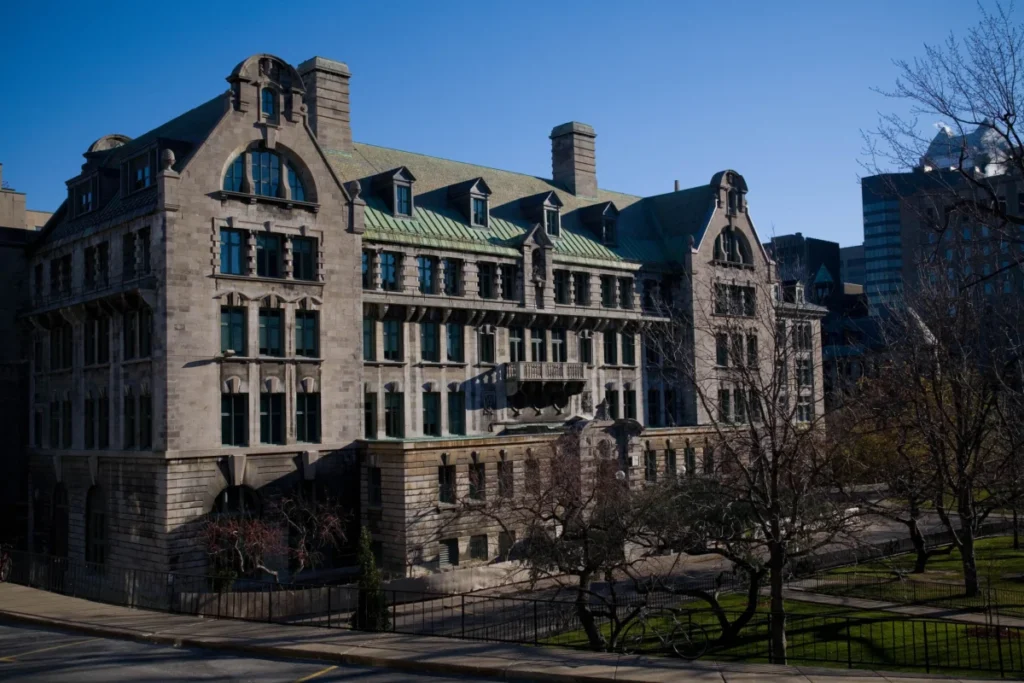
Montreal, QC – In a significant strategic realignment, McGill University has established a new senior leadership position, appointing Natallia Liakina as the inaugural Associate Provost, Rayonnement du français. This move coincides with the university’s decision to withdraw from its protracted legal challenge against recent Quebec government legislation impacting tuition fees and language requirements for out-of-province students. The creation of this role signals a renewed institutional focus on fostering French language and Francophone culture within the historically English-language institution, a commitment McGill asserts stems from internal conviction rather than external coercion.
A Shift in Strategy and Legal Stance
The decision to abandon the legal battle, jointly pursued with Concordia University, marks a pivotal moment in the relationship between these prominent anglophone universities and the Quebec provincial government. The legal challenge, initiated in response to legislative changes enacted in 2023, targeted a substantial 33 per cent increase in tuition fees for out-of-province students and more stringent French language proficiency mandates. In February 2026, both McGill and Concordia opted to cease their legal opposition, accepting the revised provincial directives.
A spokesperson for McGill University articulated the strategic intent behind the new Associate Provost role: "This new role will better coordinate existing initiatives, strengthen partnerships, and affirm McGill’s commitment to promoting the French language and Francophone culture." The position, which broadly translates to Associate Provost for French Outreach, is designed to bolster and consolidate McGill’s existing efforts in this domain. Its mandate encompasses a wide spectrum of university operations, including curriculum development, research endeavors, student services, and the cultivation of robust partnerships with Quebec’s diverse Francophone communities.
Internal Conviction Over External Pressure
The university has been unequivocal in framing this new appointment and its broader agenda as internally driven. "This position stems from conviction, not pressure," the spokesperson emphasized. "McGill is an internationally focused English-language university rooted in a society where French is the official and common language. This is not a tension to be managed – it is a reality to be fully embraced. This position is its institutional expression." This statement underscores a philosophical shift, aiming to integrate the university more deeply into the linguistic and cultural fabric of Quebec.
Natallia Liakina, a recognized specialist in French as a Second Language pedagogy, brings a wealth of expertise to this newly created role. Her vision for the position centers on fostering an inclusive environment where both Francophone individuals and speakers of other languages feel a profound sense of belonging and welcome at McGill. This approach aims to bridge linguistic divides and create a more harmonious campus community.
The Genesis of the Legal Dispute and its Resolution
The legal battle that McGill and Concordia have now abandoned originated from provincial government legislation that significantly altered the landscape for post-secondary education in Quebec. A pivotal moment in this dispute occurred in April 2025, when the Quebec Superior Court ruled against the province’s tuition hike for out-of-province students attending anglophone universities. The court found that the government had failed to adequately justify the rationale behind the increase. Concurrently, the court struck down a provincial requirement that 80 per cent of graduates from anglophone universities must achieve an intermediate level of French proficiency, deeming the objective practically unattainable.
Despite this judicial victory for the universities, the Quebec government declined to reverse the tuition increase. Consequently, out-of-province students at McGill now face an annual tuition fee of $12,000. Faced with the prospect of prolonged and potentially costly litigation, and with the government unwilling to yield on the tuition front, McGill and Concordia collectively decided in February 2026 to accept the new tuition structure and disengage from the legal proceedings.
McGill’s Rationale for Ending Litigation
The university’s decision to cease legal action, even while expressing reservations about the government’s compliance with the Superior Court’s ruling, was a strategic one. "Although McGill believes the Quebec government’s response did not comply with the Superior Court’s April 2025 ruling, the university has decided that further litigation would undermine its objectives of deepening ties with local communities and building partnerships that contribute to Quebec society," the spokesperson explained. This statement highlights a prioritization of community engagement and societal contribution over continued legal contention.
Furthermore, McGill has indicated its intention to maintain a constructive dialogue with the provincial government. "McGill will continue to work with the Quebec government to ensure predictability, stability, and transparency in the rules governing higher education," the spokesperson added, signaling a desire for collaborative governance moving forward. Concordia University, when approached for comment, did not provide a statement.
Broader Context and Implications of the New Role
The appointment of an Associate Provost for French Outreach at McGill is not an isolated event but rather part of a broader, evolving institutional strategy. Quebec’s distinct linguistic landscape, with French as its official language, necessitates that its educational institutions navigate and embrace this reality. For an internationally recognized institution like McGill, this involves a delicate but crucial balancing act: maintaining its global reach and academic excellence while deeply embedding itself within the Quebecois context.
The creation of this senior leadership role suggests a formalized and strategic approach to integrating French language and Francophone culture across all facets of university life. This includes not only direct linguistic programming but also fostering a greater understanding and appreciation of Quebec’s cultural heritage among the entire university community.
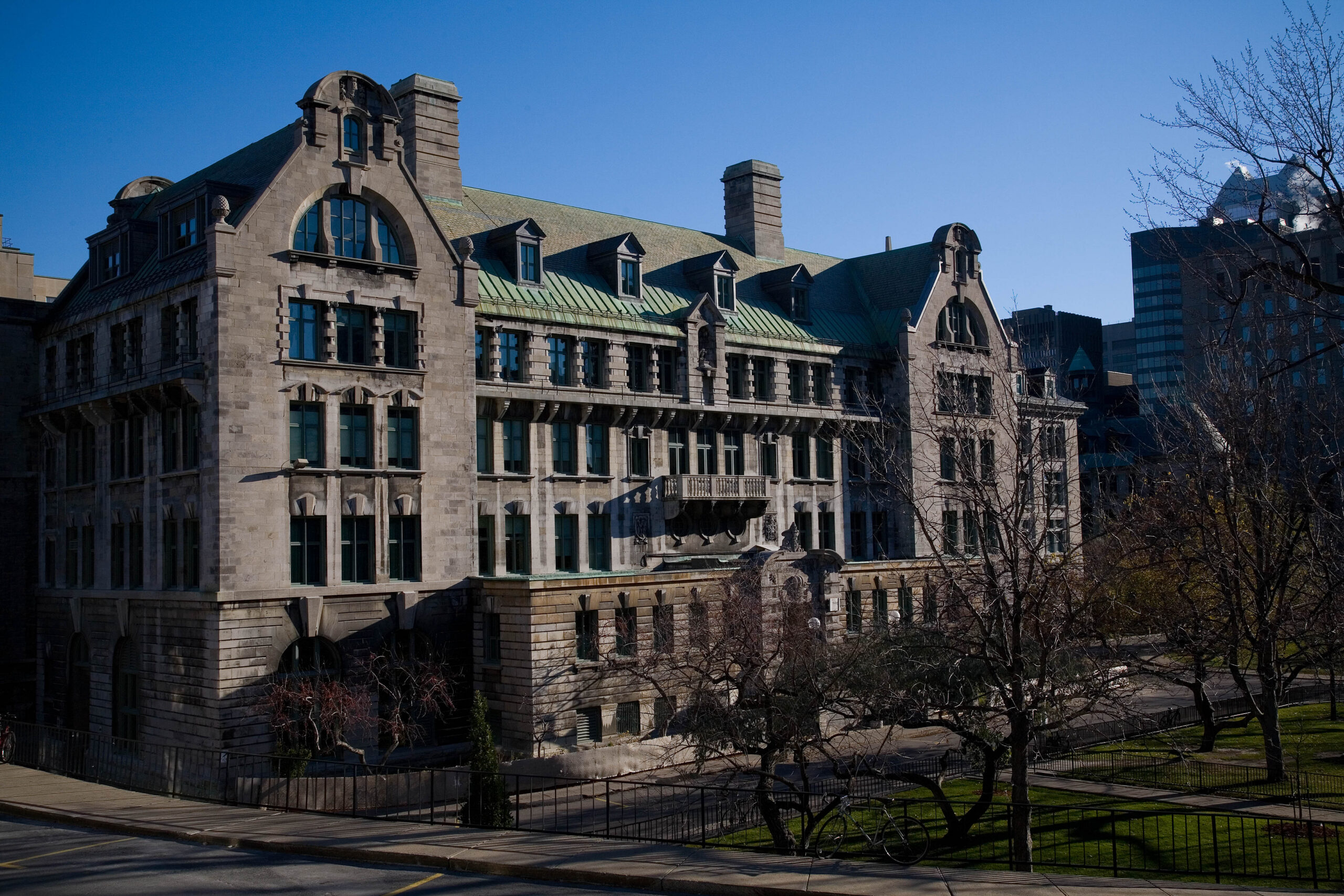
McGill’s Student Body Demographics: A Snapshot
Understanding the demographic makeup of McGill’s student body provides crucial context for the university’s efforts to enhance its engagement with the French language and Francophone culture. Recent data reveals the following:
First Language of the Student Body:
- 49% English
- 21% French
- 29% Other
This breakdown indicates that while English remains the dominant first language, a substantial portion of the student population is either Francophone or speaks another language. The presence of a significant Francophone contingent, coupled with a diverse international student body, underscores the need for inclusive linguistic and cultural programming.
Place of Origin of the Student Body:
- 50% Quebec
- 23% Elsewhere in Canada
- 27% Elsewhere in the world
The fact that half of McGill’s student body originates from within Quebec highlights the university’s integral role within the province. The significant proportion of students from other Canadian provinces and international destinations further emphasizes the importance of fostering a welcoming environment that respects and integrates Quebec’s linguistic identity. The new Associate Provost’s role is thus positioned to serve a diverse student population with varying linguistic backgrounds and connections to Quebec.
Historical Context of Language Policies in Quebec Universities
Quebec’s linguistic policies have a long and often contentious history, particularly concerning the role of French in its educational institutions. The province has consistently sought to protect and promote its French language heritage, leading to various legislative measures over the decades. These measures have aimed to ensure that French remains the primary language of public life, including in higher education.
The 2023 legislative changes that sparked the legal challenge were part of a broader provincial effort to reinforce the status of French. While the courts provided a check on some of the government’s proposed measures, the underlying intent to bolster French language use and integration remains a central tenet of Quebec’s educational policy. McGill’s strategic pivot can be seen as a response to this persistent provincial objective, framed as an opportunity for enhanced integration rather than a concession under duress.
The Significance of Natallia Liakina’s Expertise
Natallia Liakina’s background as a specialist in French as a Second Language pedagogy is particularly relevant to her new responsibilities. This specialization suggests an understanding of the pedagogical challenges and opportunities associated with language acquisition and integration. Her expertise will be crucial in developing effective strategies for:
- Curriculum Enhancement: Ensuring that French language learning opportunities are robust, accessible, and integrated into various academic programs.
- Faculty Development: Supporting instructors in developing bilingual or French-language teaching skills where appropriate.
- Student Support Services: Providing resources and support for both Francophone students and non-Francophone students seeking to improve their French proficiency.
- Community Engagement: Facilitating meaningful interactions and collaborations between the university and Quebec’s Francophone communities, fostering mutual understanding and cultural exchange.
Her focus on creating an environment where all students feel at home suggests a nuanced approach that recognizes the diverse linguistic identities within the university and the broader Quebec society. This inclusive vision is key to building bridges and fostering a shared sense of belonging.
Future Outlook and Potential Impacts
The establishment of the Associate Provost, Rayonnement du français role and McGill’s decision to cease its legal battle represent a significant recalibration of its relationship with the Quebec government and its integration into the provincial linguistic landscape. This strategic shift holds several potential implications:
- Enhanced Community Relations: By focusing on collaboration and partnership, McGill may be able to foster more positive and productive relationships with the Quebec government and Francophone communities.
- Improved Student Experience: A dedicated focus on French language and culture could lead to a richer and more inclusive experience for all students, particularly those from Quebec and Francophone backgrounds.
- Academic Innovation: The emphasis on French language pedagogy and research could spur new academic initiatives and collaborations, strengthening McGill’s position as a bilingual academic hub.
- National and International Perception: This move may alter how McGill is perceived both nationally and internationally, potentially highlighting its unique position as a world-class university deeply rooted in a Francophone society.
While Concordia University has not commented, its parallel decision to drop the lawsuit suggests a shared strategic outlook regarding engagement with Quebec’s provincial government and its educational policies. Both institutions appear to be charting a course that prioritizes pragmatic engagement and community integration over protracted legal disputes. The success of this new approach will likely hinge on the effective implementation of Natallia Liakina’s mandate and McGill’s sustained commitment to embracing its Francophone identity as an integral part of its institutional ethos. The university’s stated goal of deepening ties with local communities and contributing to Quebec society will be closely watched as this new chapter unfolds.